Countryside Living of Canby

Save

  • Interior

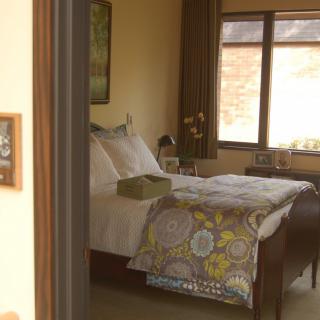
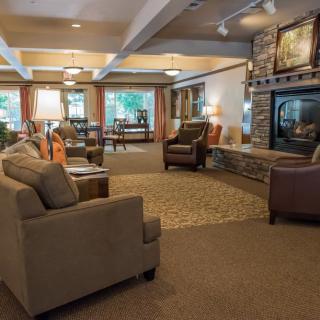
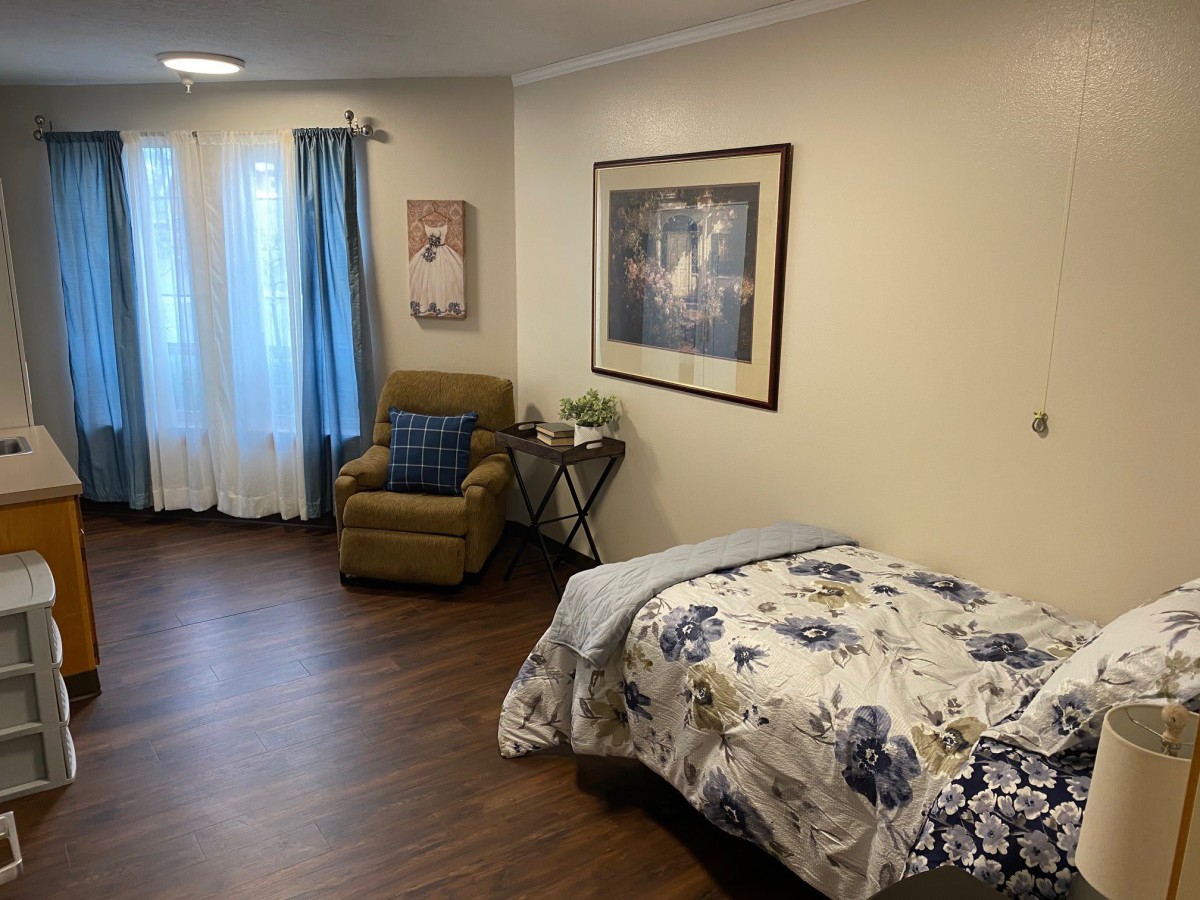
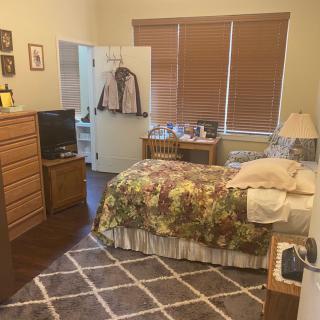
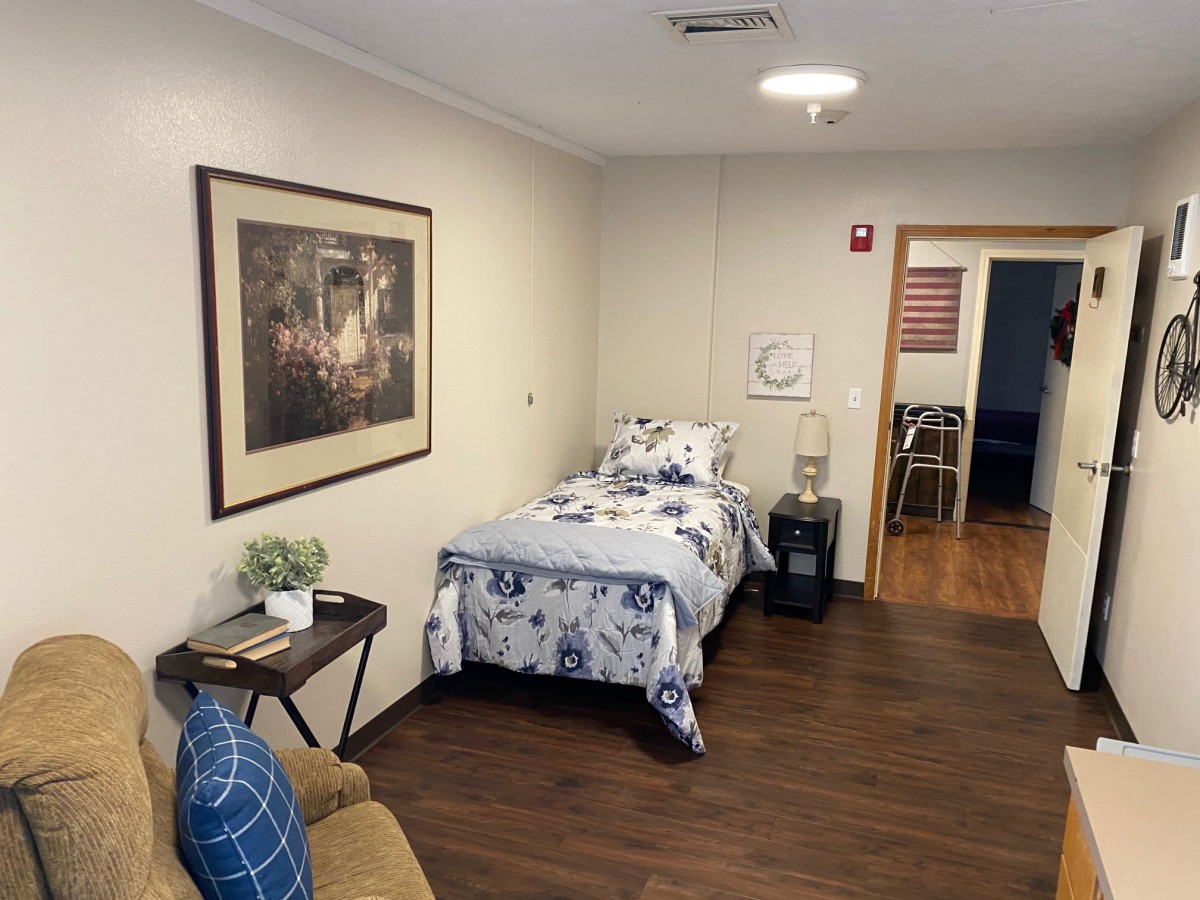
    A cozy bedroom with a floral-patterned bed, an armchair, and artwork on the wall.
  • Decor

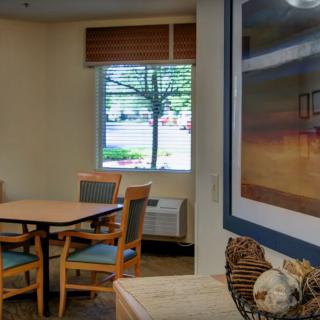
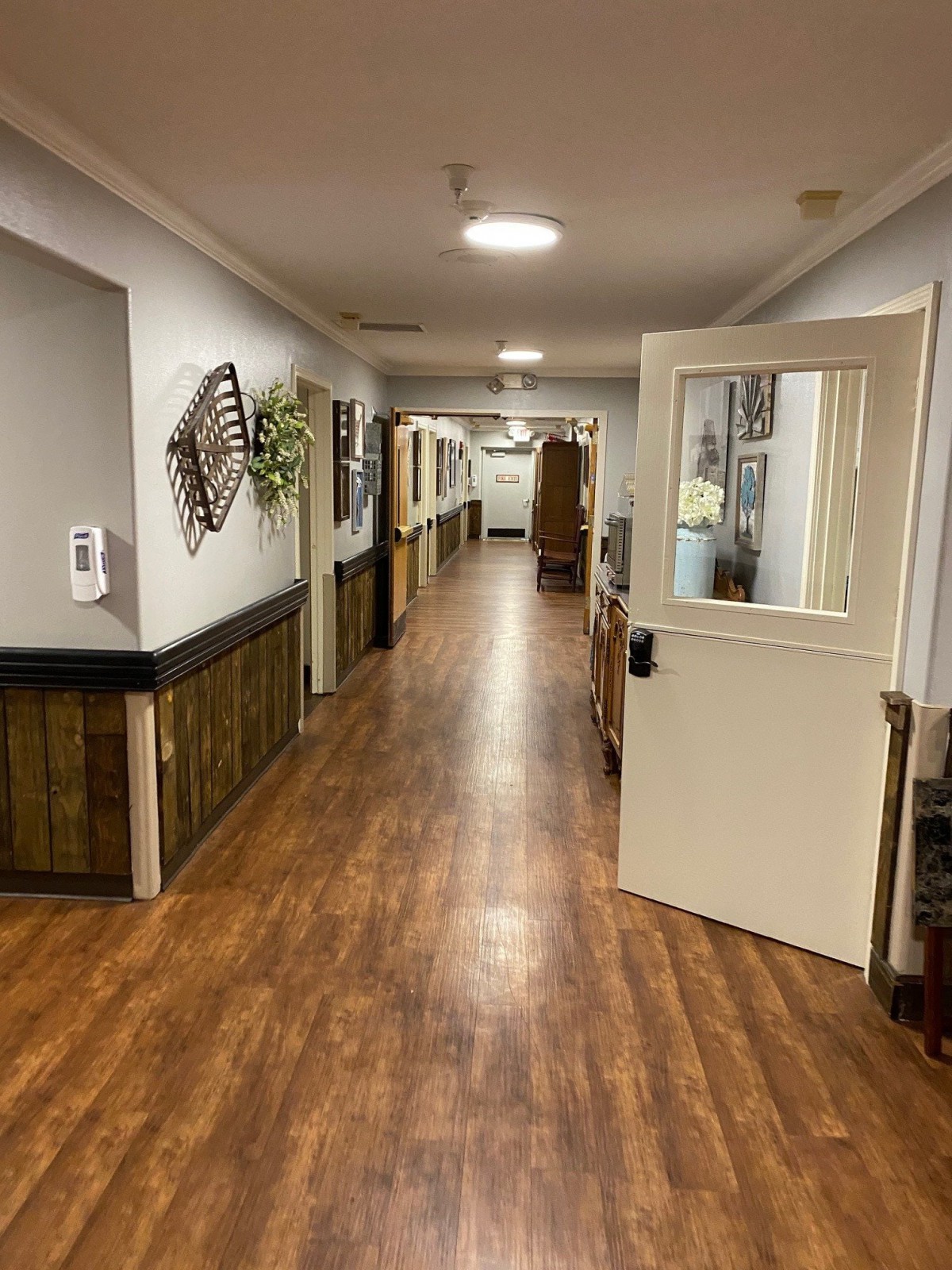
    A well-lit hallway with wooden flooring and decorative elements on the walls.
  • Building

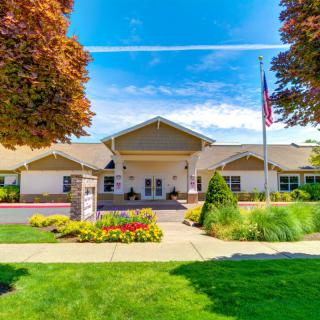
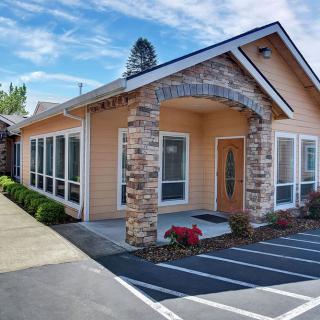
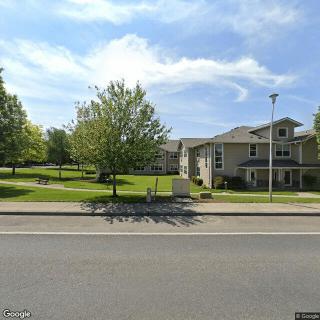
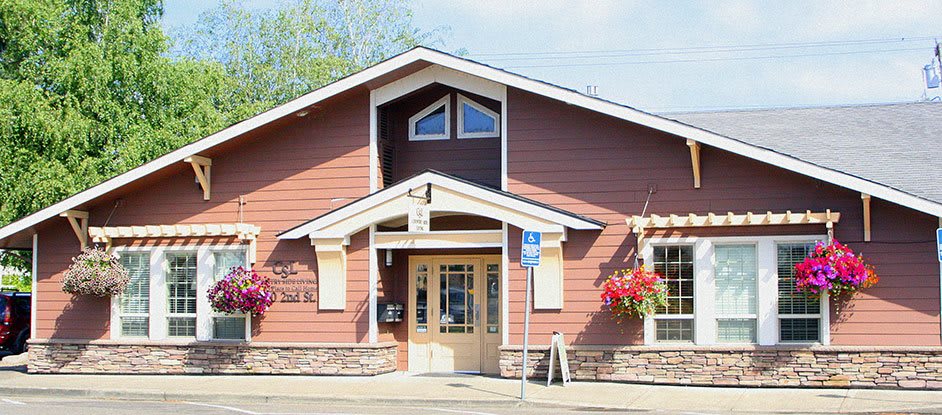
    A charming storefront with flower arrangements on a sunny day.
  • Bedroom

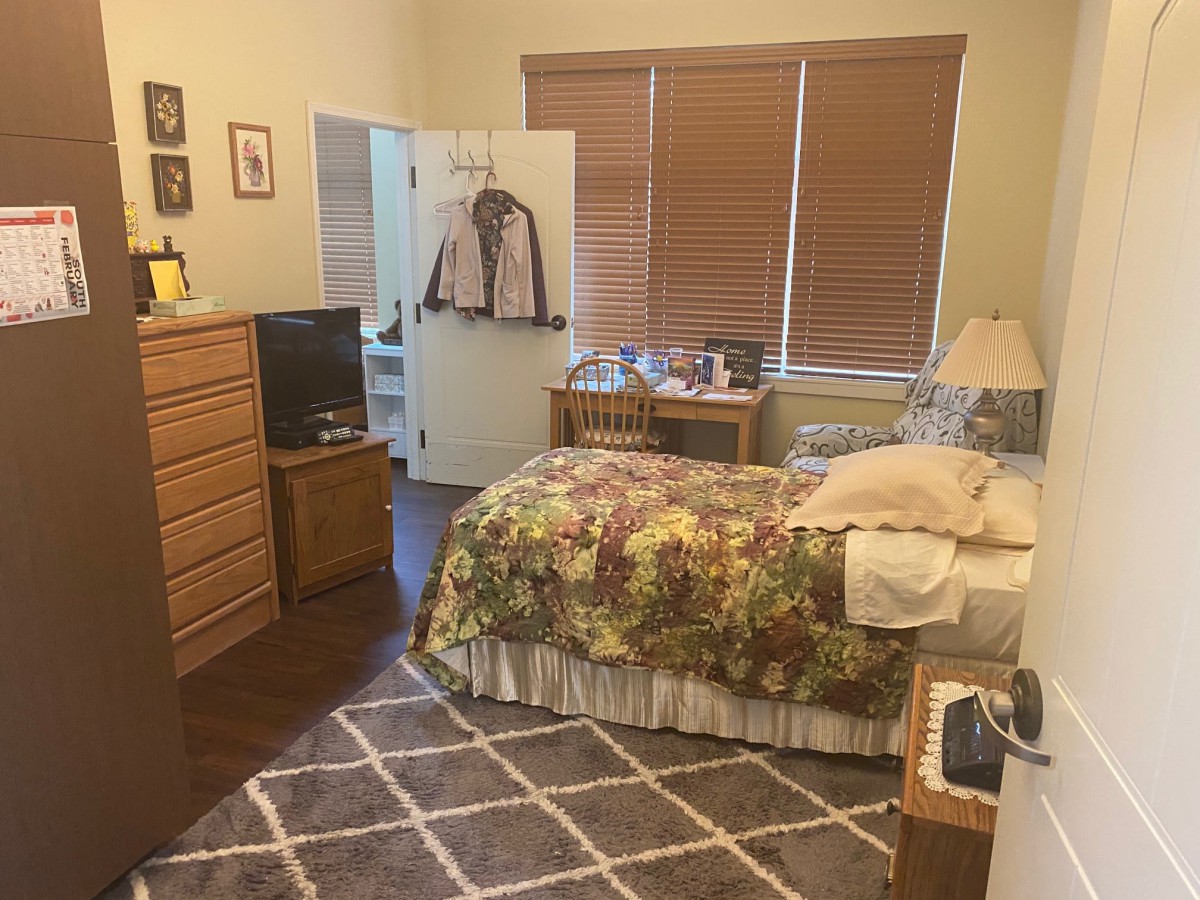
    Cozy bedroom with a floral bedspread, wooden furniture, and a patterned rug.
  • Windows

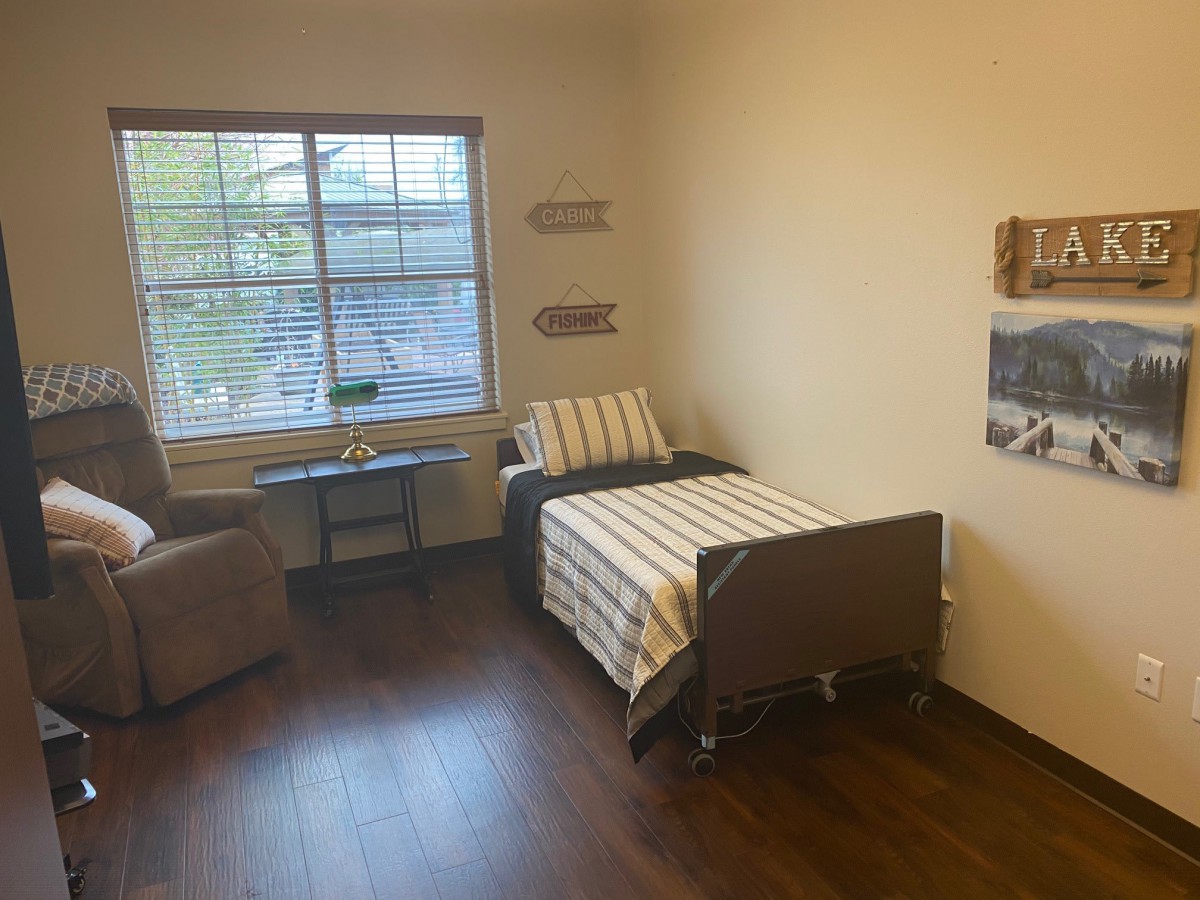
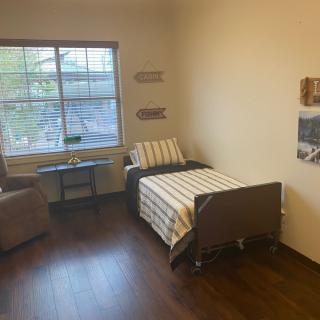
    A minimalist room with a hospital bed, armchair, and window providing natural light.
  • Painting

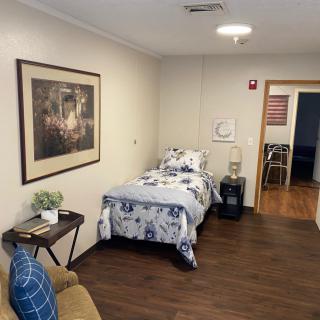
    A cozy bedroom featuring a single bed with floral bedding, a side table with a lamp, and a comfortable chair. The room is decorated with a framed painting and has wooden flooring.
  • Hallway

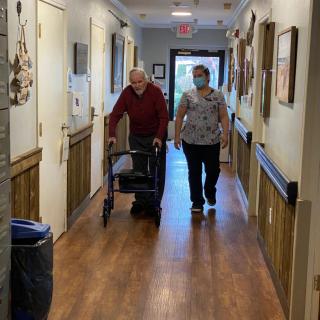
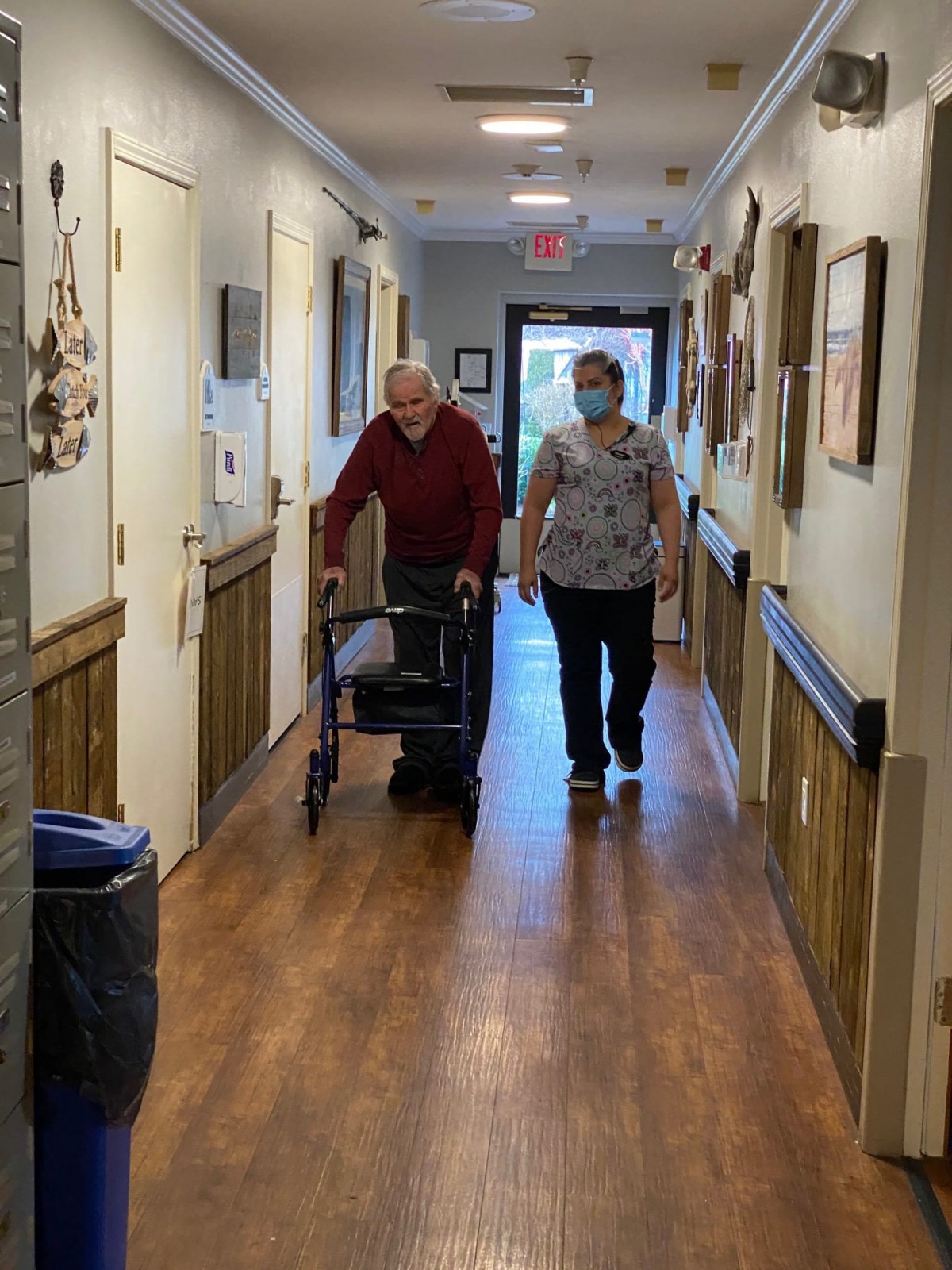
    An elderly person using a walker is accompanied by a caregiver in a hallway of an assisted living facility.

Countryside Living of Canby

390 NW 2nd, Canby, OR 97013

For more information about senior living options: (844) 490-3973

4.1 from 26 reviews
5 stars
19
4 stars
1
3 stars
1
2 stars
0
1 stars
5

Assisted Living Memory Care

Countryside Living of Canby Costs & Pricing

Countryside Living of Canby offers competitive pricing for its services, with monthly rates reflecting both the quality of care provided and the regional market. For a semi-private room, residents can expect to pay $6,724 per month, significantly higher than the average rate in Clackamas County at $4,848 and Oregon's statewide average of $4,457. Similarly, studio accommodations are priced at $7,430, which exceeds the county's average of $3,916 and the state's average of $3,815. While Countryside Living's costs are on the higher end compared to local and state figures, they are reflective of the premium services and amenities that enhance resident comfort and care.

Floor plansCountryside Living of CanbyClackamas CountyOregon
Semi-Private$6,724$4,848$4,457
Studio$7,430$3,916$3,815

Overall Review of Countryside Living of Canby

Pros

  • pro Her mother received excellent care and was treated with dignity.
  • pro She was kept clean, the food was good, and residents were well entertained.
  • pro Residents were taken on outings, including trips to the beach.
  • pro Hospice provided excellent care.
  • pro Administrator Stacy is kind-hearted and caring, and the staff reflect that level of care.
  • pro The community is wonderful, cozy, and feels like home.
  • pro The building is inviting and beautifully designed.
  • pro Residents are happy and smiling, with loving staff who treat them with respect.

Cons

  • pro There isn't enough staff to sufficiently care for 20 or 35 residents, depending on the building.
  • pro The management is immature and never listens when residents need specific care.
  • pro The staff are described as very unprofessional and allegedly ignore phone calls to avoid dealing with issues.
  • pro Fees and deposits are unclear or difficult to obtain; hospice care is said to reduce the level of care without reducing costs.
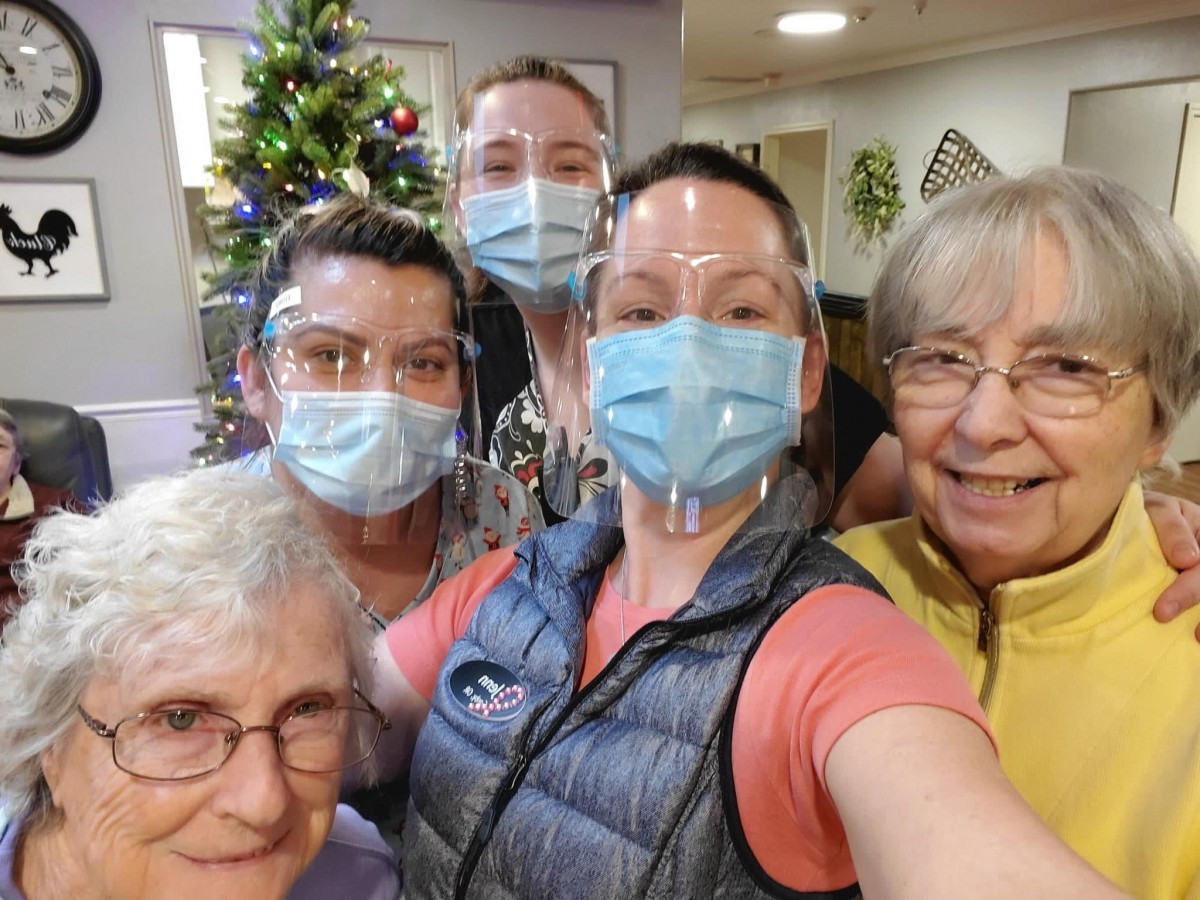
  • pro It is considered inappropriate to post pictures of residents online, raising privacy concerns.
  • pro There is no middle ground on charges, implying billing practices may be unfair or inconsistent.

Review

Countryside Memory Care comes through in many voices as a place where dignity, warmth, and a steady rhythm of activity shape daily life for residents. Across several reviews, families describe a culture of genuine care where staff treat residents with respect and attention, and where professional standards are evident in the everyday moments of living and in transitions such as hospice. The overall impression is one of a community that prioritizes the comfort and well?being of its residents, with caregivers who are consistently described as loving, capable, and trustworthy.

One family speaks powerfully of a mom who lived at Countryside for three years. They portray a trajectory of care that never wavered from kindness: she was treated with dignity, kept clean, fed well, and kept engaged with regular entertainment and outings. The reviewers emphasize not only the warmth but also the competence of the staff, noting that the care was delivered with a professional touch that even a retired nurse could appreciate. Hospice involvement is described as equally attentive, contributing to a sense of comprehensive, compassionate support through the end of life.

Another positive note comes from a family member whose loved one is still living at Countryside. They report that the care remains excellent and the food is amazing, underscoring a consistency in quality that brings them gratitude and reassurance. The sentiment is practical as well as emotional: a belief that their loved one is well cared for in a setting that feels like home, where meals and daily routines contribute to a sense of well?being.

The facility itself is frequently described as a wonderful, cozy community. Reviewers highlight the amount of love and care shown by caregivers and staff, calling the environment refreshing and uplifting. The willingness to move a loved one into Countryside is expressed plainly, with confidence that the community will provide a supportive and nurturing home. This sense of belonging is reinforced by comments about the interior - designed to look welcoming and comfortable - which, together with the staff's warmth, helps residents appear happy and engaged.

Administrators and leadership are a focal point of praise in several comments. The administrator, specifically named Stacy, is described as exceptionally kind and caring, with the entire staff echoing that same level of commitment to high-quality care. Residents are said to be happy and smiling, and the overall atmosphere is depicted as patient-centered and thoughtfully organized. The positive feedback extends to the experience of tours and onboarding, where prospective families feel welcomed by a team that includes the front desk and clinical staff, and where the environment - smell of good food, warmth, and efficient tours - newcomers feel invited to become part of the community.

The onboarding and visitation experiences also stand out. One reviewer recounts walking in and receiving outstanding customer service, with a tour of both buildings and an attentive staff ready to guide them. The front desk, represented by Alix, is singled out for helpfulness, followed by Michelle's knowledgeable and kind guidance on the tour. The impression of happy residents and the inviting environment - the everyday aroma of good food and the sense of purposeful activity - solidifies a strong impression that, if a loved one needed memory care, Countryside would be a top choice.

Amid the praise, there are a few cautions that reviewers share to balance the picture. Some reviewers raise concerns about staffing levels, noting that there may not be enough staff to thoroughly care for a larger number of residents in a given building. They describe management as immature at times and say that it can be difficult for residents' specific needs to be heard or acted upon promptly. A few voices describe unprofessional behavior, such as ignoring phone calls, and they urge prospective families to verify what level of care is provided and how responsive the leadership and front-line teams are.

Privacy and media use also come up in conversations. One reviewer expressed discomfort with posting pictures of residents online, citing HIPAA considerations and the vulnerability of residents with dementia. This perspective is shared as a reminder to all - information about residents should be handled with care and consent, especially in a digital age where images can circulate broadly.

Financial transparency and the balance of costs with expected care levels are another recurring topic. Reviewers urge careful understanding of fees, deposits, and the level of care included in hospice scenarios. They point out that sometimes the care level may appear to change with hospice involvement, while the costs do not necessarily adjust in the same way, and they highlight that credits for deposits can be hard to obtain. The message is clear: prospective families should ask explicit questions about what is included in charges and what adjustments, if any, will occur with changing care needs.

A heartfelt, older review tells a vivid story of a family's long relationship with Countryside. They placed a father there in early 2012 and found the facility to be a bright, clean, homey alternative to other places they had visited. The reviewer mentions a beloved resident dog, McDuff, who added warmth to daily life, along with consistently loving staff who treated their dad with respect and care. Over time, the team supported the family with medications, doctor appointments, and guidance, while their dad enjoyed beach trips, fishing outings, and weekly entertainment - activities that helped him feel at home. That history of consistent, attentive care and meaningful engagement stands out as a cornerstone of the Countryside experience for this family.

Taken together, the collection of reviews paints a nuanced picture of Countryside Memory Care: a place where many residents thrive under a compassionate, capable staff; where families value a homey, engaging environment; where leadership is praised for kindness and partnership; and where questions about staffing, privacy, and finances invite careful consideration from prospective customers. For those seeking memory care, the collective voice suggests a facility that can offer genuine warmth, individual attention, and a supportive community - along with some caveats to explore before making a decision.

Features

Housing

  • 35 resident community capacity 35 resident community capacity

Types of Care

  • Assisted Living Assisted LivingAssisted living facilities provide crucial support and care for seniors who may need help with daily tasks such as medication management, bathing, and meal preparation. These communities offer a safe and comfortable environment where seniors can maintain their independence while receiving the assistance they need to thrive in their golden years.
  • Memory Care Memory CareMemory care is crucial for seniors as it provides specialized support and services for individuals with dementia or Alzheimer's disease. These programs offer a safe and secure environment where residents receive personalized care, cognitive stimulation, and help with daily activities. Memory care helps seniors maintain their independence, quality of life, and dignity while also providing peace of mind for their families.

Pets

  • Cats allowed Cats allowed"Pet friendly" senior living communities are important for seniors because pets provide companionship, reduce feelings of loneliness and depression, promote physical activity and mental stimulation, and offer a sense of purpose and responsibility. Pets can improve overall well-being and quality of life for seniors in many ways.
  • Dogs allowed Dogs allowed"Pet friendly" senior living communities are important for seniors because pets provide companionship, reduce feelings of loneliness and depression, promote physical activity and mental stimulation, and offer a sense of purpose and responsibility. Pets can improve overall well-being and quality of life for seniors in many ways.

Amenities

  • Activities off-site Activities off-siteEngaging in off-site activities is crucial for seniors to maintain social connections, stay active, and stimulate their minds. It promotes overall well-being and helps combat feelings of isolation and loneliness.
  • Activities on-site Activities on-siteActivities on-site are important for seniors because they provide opportunities for socialization, mental stimulation, physical activity, and overall well-being. Engaging in activities can help seniors stay active, maintain their independence, and improve their quality of life.
  • Air-conditioning Air-conditioningAir conditioning is important for seniors as they are more vulnerable to heat-related illnesses and may have underlying health conditions that make it difficult for them to regulate their body temperature. It helps to keep them comfortable, safe, and healthy in hot weather.
  • Beautician on-site Beautician on-siteHaving a beautician on-site at a senior living community is important for seniors as it allows them to easily access grooming and personal care services, boosting their self-esteem and overall well-being. It also provides convenience and helps seniors maintain their sense of independence and personal style.
  • Beauty salon Beauty salonBeauty salons are important for seniors because they provide a space for them to feel pampered, socialize, and maintain their personal grooming and hygiene. Regular visits to a beauty salon can help boost seniors' self-esteem and overall well-being.
  • Cable or satellite TV Cable or satellite TVCable or satellite TV is important for seniors because it provides entertainment, news, and companionship, helping to combat loneliness and boredom. It also offers a wide range of programming options tailored to different interests and preferences.
  • Devotional services on-site Devotional services on-siteDevotional services on-site provide seniors with spiritual support and a sense of community, as well as an opportunity for reflection and guidance during their senior living experience. This can promote emotional well-being and connection to others, leading to a more fulfilling and enriching lifestyle in their later years.
  • Dining room Dining roomDining rooms are important for seniors as they provide a space for socialization, connection, and nutritious meals. They offer opportunities for residents to bond over shared meals, foster a sense of community, and promote healthy eating habits. Dining rooms also ensure that seniors have access to well-balanced meals tailored to their dietary needs and preferences.
  • Fully furnished Fully furnishedFully furnished senior living communities are important for seniors because they provide convenience, comfort, and a hassle-free moving experience. Seniors can easily settle into their new living space without the stress of having to buy and move furniture. This allows them to focus on enjoying their new home and community.
  • Garden GardenGardens are important for seniors as they provide a peaceful and therapeutic environment for relaxation, physical activity, and socialization. Being in nature has been shown to reduce stress, improve mood, and promote overall well-being. Gardens also offer opportunities for seniors to engage in gardening activities, which can improve mobility, flexibility, and cognitive function. Additionally, gardens create a sense of community and connection with others who share a passion for plants and outdoor spaces.
  • Ground floor units Ground floor unitsGround floor units are important for seniors because they provide easy accessibility, reduced risk of falls and injuries, and convenience for those with mobility issues. Seniors can avoid climbing stairs or using elevators, making daily tasks and activities more manageable and enjoyable.
  • Handicap accessible Handicap accessible"Handicap accessible" amenities are crucial for seniors to ensure they can easily navigate and access facilities, services, and activities without barriers or limitations due to physical impairments. This promotes independence, safety, and inclusivity for seniors in senior living communities.
  • Housekeeping services Housekeeping servicesHousekeeping services are important for seniors because they help maintain a clean and safe living environment, promote independence, and reduce the risk of accidents or illnesses. Additionally, having assistance with household chores can alleviate physical strain and allow seniors to focus on other aspects of their well-being.
  • Indoor common areas Indoor common areasIndoor common areas are crucial for seniors as they provide a space for socialization, recreation, and community engagement, promoting overall well-being and reducing feelings of isolation and loneliness.
  • Kitchenette KitchenetteKitchenettes are important for seniors living in senior living communities because they provide the convenience and independence of being able to prepare simple meals and snacks in the comfort of their own living space. This can help promote a sense of autonomy and well-being for seniors, allowing them to maintain some level of control over their dietary choices and daily routines.
  • Move-in coordination Move-in coordinationMove-in coordination is important for seniors because it helps ease the transition into their new living environment. It ensures that all logistics, such as packing, organizing movers, and setting up utilities are taken care of, allowing seniors to focus on settling in and adjusting to their new home. Having a smooth move-in process can alleviate stress and anxiety, making the transition smoother and more enjoyable for seniors.
  • Outdoor common areas Outdoor common areasOutdoor common areas are important for seniors as they provide a space for socialization, physical activity, and relaxation. Being outside in nature can improve mood and overall well-being, while also encouraging movement and engagement with others. These spaces can help combat feelings of isolation and promote a sense of community among residents.
  • Outdoor space Outdoor spaceOutdoor spaces are important for seniors as they provide opportunities for physical activity, social interaction, exposure to natural light and fresh air, and a sense of connection to nature. Having access to outdoor spaces can improve overall well-being and quality of life for older adults living in senior communities.
  • Respite or short term stays offered Respite or short term stays offeredRespite or short term stays provide seniors with a temporary solution when their regular caregiver is unavailable, offering them the opportunity to receive additional care and support during times of need, while also giving caregivers a chance to rest and recharge.
  • Restaurant-style dining Restaurant-style diningRestaurant-style dining is important for seniors because it allows them to enjoy delicious, nutritious meals in a social and upscale setting. This enhances their dining experience, promotes healthy eating habits, and fosters socialization with fellow residents, ultimately contributing to their overall well-being and quality of life.
  • Small library Small librarySmall libraries are important for seniors as they provide access to a variety of reading materials, including books, newspapers, and magazines. This can help stimulate their minds, keep them engaged, and provide a sense of community through book clubs and other social activities. Additionally, reading has been shown to improve cognitive function and overall mental well-being in older adults.
  • Telephone TelephoneTelephones are important for seniors as they provide a lifeline for communication with loved ones, emergency services, and healthcare providers. They offer a sense of security and independence, enabling seniors to stay connected and access assistance when needed.
  • Wheelchair accessible showers Wheelchair accessible showersWheelchair accessible showers are crucial for seniors as they provide a safe and independent bathing option for those with mobility challenges. These showers help prevent falls and allow seniors to maintain their dignity and autonomy while ensuring they can bathe comfortably.
  • Wi-Fi/high-speed internet available Wi-Fi/high-speed internet availableWi-Fi/high-speed internet is important for seniors to stay connected with loved ones, access online resources, and participate in virtual activities to combat feelings of loneliness and isolation. It also allows them to easily manage healthcare needs, access entertainment, and engage in lifelong learning opportunities.

Transportation

  • Portland International (23 miles away) Portland International (23 miles away)

Care Services

  • 24-hour call system 24-hour call system24-hour call systems are important for seniors because they provide peace of mind and immediate assistance in case of emergencies. This technology ensures that help is always available, promoting safety and security for elderly individuals living alone or in assisted living facilities.
  • 24-hour supervision 24-hour supervision24-hour supervision is important for seniors to ensure their safety, well-being, and access to immediate assistance in case of emergencies or health issues. This constant support provides peace of mind for both seniors and their loved ones, allowing them to age in place with dignity and security.
  • Activities of daily living assistance Activities of daily living assistanceActivities of daily living assistance are important for seniors because they provide essential support with tasks such as eating, bathing, dressing, and mobility. This assistance helps seniors maintain their independence, dignity, and overall quality of life as they age.
  • Assistance with bathing Assistance with bathingAssistance with bathing is crucial for seniors as it helps maintain personal hygiene, prevents infections, and ensures their overall well-being and comfort. It also provides a sense of dignity and independence for seniors who may struggle with this task on their own.
  • Assistance with dressing Assistance with dressingAssistance with dressing is important for seniors because it helps maintain their independence, promotes personal hygiene, prevents accidents and injuries, and improves overall quality of life. This service ensures that seniors can continue to dress comfortably and confidently, despite any physical limitations they may have.
  • Assistance with transfers Assistance with transfersAssistance with transfers is crucial for seniors as it helps prevent falls and injuries, maintains their independence, and ensures they can safely navigate their living environment. It also provides peace of mind for both seniors and their loved ones.
  • Diabetes diet Diabetes dietA diabetes diet is crucial for seniors as it helps manage blood sugar levels, reduce risks of complications, and improve overall health and well-being. By following a balanced and nutritious diet tailored to their specific needs, seniors can better control their diabetes and enhance their quality of life.
  • Diabetic care Diabetic careDiabetic care is crucial for seniors as they are more susceptible to developing diabetes due to aging and other health conditions. Proper management of diabetes can help prevent complications such as heart disease, vision loss, and nerve damage, improving the overall quality of life for seniors in senior living communities.
  • High acuity care High acuity careHigh acuity care is important for seniors because it provides specialized medical attention and support for individuals with complex medical needs. This level of care ensures that seniors receive the appropriate treatment and assistance to maintain their health and quality of life as they age.
  • Incontinence care Incontinence careIncontinence care is essential for seniors to maintain their dignity, hygiene, and overall quality of life. By addressing incontinence issues promptly and effectively, seniors can enjoy a sense of independence and comfort in their daily activities.
  • Meal preparation and service Meal preparation and serviceMeal preparation and service are crucial for seniors as they may have limited mobility or energy to cook nutritious meals. Having access to healthy and convenient food options can ensure they are getting the proper nutrition needed to maintain their overall health and well-being.
  • Medication management Medication managementMedication management is crucial for seniors to ensure they are taking the right medications at the correct dosages and times. This helps prevent adverse drug interactions, reduces the risk of medication errors, and promotes overall health and well-being. Proactive management also allows for adjustments as needed based on changing health conditions or new prescriptions.
  • Mental wellness program Mental wellness programMental wellness programs are essential for seniors as they promote cognitive stimulation, emotional support, and social engagement. These programs help prevent isolation, depression, and cognitive decline, ultimately enhancing the overall quality of life for older adults.
  • Mild cognitive impairment Mild cognitive impairment"Mild cognitive impairment" is important for seniors because it is an early stage of cognitive decline that can potentially progress to more severe conditions such as dementia. Recognizing and addressing mild cognitive impairment can help seniors receive appropriate care and support to maintain their quality of life and independence for as long as possible.
  • Special dietary restrictions Special dietary restrictionsSpecial dietary restrictions are important for seniors because age-related changes in metabolism and health conditions can make it difficult for their bodies to process certain foods. By following a diet tailored to their specific needs, seniors can maintain their overall health and well-being, manage chronic conditions, and reduce the risk of complications such as malnutrition or food interactions with medications.
  • Specialized memory care programming Specialized memory care programmingSpecialized memory care programming is crucial for seniors with cognitive impairments such as dementia or Alzheimer's disease. These programs provide a safe and supportive environment tailored to the unique needs of individuals with memory loss, helping them maintain their independence, dignity, and quality of life.

Dining

  • Diabetes diet Diabetes dietA diabetes diet is crucial for seniors as it helps manage blood sugar levels, reduce risks of complications, and improve overall health and well-being. By following a balanced and nutritious diet tailored to their specific needs, seniors can better control their diabetes and enhance their quality of life.
  • Gluten-free Gluten-freeGluten-free options are important for seniors as they are more prone to digestive issues and dietary sensitivities. Offering gluten-free meal choices in senior living communities can help improve their overall health and well-being.
  • Guest meals Guest mealsGuest meals are important for seniors living in senior living communities because they provide an opportunity for socialization and companionship. Sharing a meal with friends, family, or new acquaintances can help combat feelings of loneliness and isolation, promote a sense of community, and enhance overall well-being. Additionally, guest meals allow seniors to enjoy delicious food in a comfortable setting without the hassle of cooking or cleaning up, making dining a pleasurable and stress-free experience.
  • Kosher KosherKosher options are important for seniors because they adhere to dietary laws that are significant to many Jewish individuals, providing them with peace of mind and an opportunity to maintain their cultural traditions and beliefs while living in a senior living community.
  • Low / no sodium Low / no sodiumLow/no sodium options are important for seniors because excessive sodium intake can lead to high blood pressure, heart disease, and other health issues commonly experienced by older adults. By choosing low/no sodium foods, seniors can better manage their health and reduce their risk of developing these conditions.
  • Meals provided Meals provided"Meals provided" are crucial for seniors in assisted living communities as it ensures they have access to nutritious, balanced meals without the stress of meal planning and preparation. This can help promote overall health and well-being for seniors who may have limited mobility or cognitive abilities.
  • No Sugar No SugarNo sugar diets are important for seniors because they can help prevent or manage chronic conditions such as diabetes, heart disease, and obesity. Sugar can also contribute to cognitive decline and inflammation in the body, so reducing sugar intake can lead to overall improved health and well-being in older adults.
  • Organic OrganicOrganic foods are important for seniors because they contain fewer chemicals and pesticides, which can be harmful to aging bodies. Additionally, organic foods often have higher nutrient levels, making them a healthier choice for maintaining overall well-being in older adults.
  • Restaurant style dining Restaurant style diningRestaurant style dining is important for seniors as it offers them a social and enjoyable dining experience, promotes healthy eating habits, and provides personalized menu options to cater to their dietary needs and preferences. This type of dining setting can enhance their overall quality of life and create a sense of community within the senior living facility.
  • Room service Room serviceRoom service is important for seniors in a senior living community because it provides convenience and allows them to have their meals delivered directly to their room. This can be especially beneficial for seniors who may have mobility issues or difficulty accessing the dining area. Room service ensures that seniors are able to receive nutritious meals without having to navigate through the facility, allowing them to maintain their independence and overall well-being.
  • Special dietary restrictions Special dietary restrictionsSpecial dietary restrictions are important for seniors because age-related changes in metabolism and health conditions can make it difficult for their bodies to process certain foods. By following a diet tailored to their specific needs, seniors can maintain their overall health and well-being, manage chronic conditions, and reduce the risk of complications such as malnutrition or food interactions with medications.
  • Vegan VeganVegan diets can provide numerous health benefits for seniors, including lower risk of chronic diseases, improved digestion, and increased energy levels. Additionally, plant-based diets are often rich in essential nutrients that can support overall well-being and longevity in older adults.
  • Vegetarian VegetarianA vegetarian diet is important for seniors because it can help lower the risk of chronic diseases, maintain a healthy weight, and provide essential nutrients needed for aging bodies. Additionally, plant-based diets are often easier on digestive systems and can contribute to overall well-being in older adults.

Activities

  • Art classes Art classesArt classes are important for seniors because they provide a creative outlet, improve cognitive function, reduce stress and anxiety, promote socialization, and enhance overall well-being and quality of life.
  • Brain fitness Brain fitnessBrain fitness is important for seniors as it helps to maintain cognitive function, memory, and overall mental well-being. Engaging in activities that challenge the brain can help prevent cognitive decline and promote a healthier, more fulfilling quality of life in older adults.
  • Community-sponsored activities Community-sponsored activitiesCommunity-sponsored activities are important for seniors as they provide opportunities for social interaction, mental stimulation, and physical activity. These activities can help improve overall well-being, combat loneliness and isolation, and promote a sense of belonging and purpose among older adults.
  • Day trips and outings Day trips and outingsDay trips and outings are important for seniors as they provide opportunities for socialization, mental stimulation, physical activity, and a break from daily routines. These experiences can enhance overall well-being and quality of life for older adults living in senior communities.
  • Devotional activities on-site Devotional activities on-siteDevotional activities on-site provide seniors with a sense of community, spiritual fulfillment, and emotional support, promoting overall well-being and a positive sense of purpose in their lives.
  • Gardening club Gardening clubGardening clubs are important for seniors because they provide a sense of community, promote physical activity and mental well-being, and offer opportunities for socialization and connection with nature. Gardening can also improve cognitive function and overall quality of life for seniors.
  • Happy hour Happy hourHappy hour is important for seniors as it provides a social activity that promotes camaraderie and reduces feelings of loneliness or isolation. It also offers an opportunity for older adults to relax, unwind, and enjoy some drinks or snacks in a fun and welcoming atmosphere.
  • Live dance or theater performances Live dance or theater performancesLive dance or theater performances are important for seniors because they provide opportunities for socialization, mental stimulation, and emotional engagement. These performances can help combat feelings of isolation and loneliness, while also offering a sense of connection to the arts and culture. Additionally, watching live performances can bring joy and create lasting memories for seniors in their later years.
  • Live musical performances Live musical performancesLive musical performances can provide seniors with a sense of joy, nostalgia, and connection. Music has the power to evoke emotions and memories, improve mood and cognitive function, and foster social interaction among seniors. It can also serve as a form of therapy and stress relief for older adults, making it an important activity to include in senior living communities.
  • Live well programs Live well programs"Live well programs are essential for seniors as they provide opportunities for physical activity, social engagement, and mental stimulation, ultimately promoting overall health and well-being in later years."
  • Resident-run activities Resident-run activitiesResident-run activities are important for seniors as they encourage social interaction, creativity, and a sense of autonomy. These activities empower seniors to stay engaged and active in their community while fostering meaningful connections with their peers.
  • Scheduled daily activities Scheduled daily activitiesScheduled daily activities are important for seniors because they provide structure, socialization, mental stimulation, and physical activity. Engaging in regular activities can improve overall well-being and quality of life for seniors living in a community setting.
  • Stretching classes Stretching classesStretching classes are important for seniors because they help improve flexibility, reduce the risk of injury, and promote overall health and well-being. Regular stretching can also help alleviate joint pain and stiffness, enhance balance and coordination, and increase range of motion.
  • Visiting chaplain or priest Visiting chaplain or priestHaving a visiting chaplain or priest at a senior living community is important for seniors because it provides spiritual support, comfort, and guidance during a time of life that can be challenging and uncertain. Their presence can help seniors feel connected to their faith, find peace of mind, and cope with the emotional and mental struggles they may face in their later years.
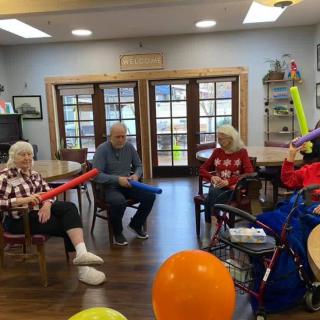
  • Yoga / chair yoga Yoga / chair yogaYoga and chair yoga are important for seniors as they promote flexibility, balance, strength, and overall wellbeing. These practices can help improve mobility, reduce stress, and enhance mental clarity, ultimately leading to a higher quality of life in their senior years.

Description

Countryside Living of Canby in Canby, OR is a charming assisted living community that offers a range of amenities and care services to cater to the unique needs of its residents. The community provides a comfortable and convenient living environment with activities on-site for residents to enjoy.

The community boasts air-conditioned apartments that are designed to be handicap accessible, providing ease of mobility for all residents. There are both indoor and outdoor common areas where residents can socialize with their neighbors and participate in group activities. Additionally, Countryside Living of Canby offers respite or short-term stays for those who need temporary assistance.

The care services provided at Countryside Living of Canby are comprehensive and include high acuity care, medication management, and incontinence care. The dedicated staff is trained to ensure that each resident receives personalized care and support tailored to their individual needs.

When it comes to dining options, residents have plenty of choices. The community offers restaurant-style dining with a variety of menu options including guest meals, kosher, low/no sodium, no sugar, organic, vegan, and vegetarian options. Room service is also available for those who prefer to dine in the comfort of their own apartment.

Countryside Living of Canby believes in promoting an active lifestyle among its residents. They offer various activities such as brain fitness exercises, day trips and outings, gardening club, happy hour gatherings, live dance or theater performances, live musical performances, stretching classes, and visiting chaplain or priest services. Yoga and chair yoga classes are also available for those interested in maintaining physical well-being.

The community is conveniently located near three cafes, five parks, five pharmacies, 14 physicians' offices as well as 16 restaurants. Transportation options are easily accessible to ensure easy commuting for residents when needed.

Overall, Countryside Living of Canby provides a warm and inviting environment where seniors can enjoy an active lifestyle while receiving the necessary care and support they require.

Nearby Places of Interest

This part of Canby, Oregon offers a convenient and well-rounded community for senior living. With a variety of restaurants within walking distance, including Backstop Bar & Grill and El Chilito, residents can enjoy diverse dining options. Medical care is easily accessible with several physicians' offices and pharmacies nearby, such as Pacific Medical Group and Parsons Canby Pharmacy. Parks like Wait Park and Canby Community Park provide opportunities for outdoor recreation and relaxation. Additionally, transportation services from Enterprise Rent-A-Car are available for convenience. For entertainment, Regal Hilltop Cinema is a short drive away for movie enthusiasts. Overall, this area provides a comfortable and accessible environment for seniors to live an active lifestyle in Canby.

Restaurants

  • Backstop Bar & Grill (0 miles)
  • El Chilito (0.1 miles)
  • McDonald's (0.3 miles)
  • Taco Bell (0.4 miles)
  • FOB Taproom (0.6 miles)
  • The Wild Hare Saloon Cafe (0.6 miles)
  • Green Burrito (1.1 miles)

Physicians

  • First Avenue Clinic (0.1 miles)
  • Pacific Medical Group (0.6 miles)
  • Canby Medical Clinic (0.6 miles)
  • Trent B. Warren, M.D. - Family Practice (0.9 miles)
  • Dr Warrens Office (0.9 miles)
  • Sanders Hand Therapy (1 miles)
  • Legacy Medical Group-Canby (1 miles)

Pharmacies

  • Parsons Canby Pharmacy (0.1 miles)
  • Dave's Prescription Shop (0.5 miles)
  • Walgreens (0.5 miles)
  • Fred Meyer Pharmacy (4.5 miles)
  • Walgreens (4.6 miles)
  • CVS Pharmacy (5.9 miles)
  • Sav-On Pharmacy (7.6 miles)

Parks

  • Wait Park (0.1 miles)
  • Canby Community Park (0.8 miles)
  • Molalla River State Park (2.2 miles)
  • Memorial Park (4.1 miles)
  • Wilsonville Memorial Park (4.7 miles)
  • Safe And Hound (5 miles)
  • Chapin Park (6.4 miles)

Cafes

  • The Human Bean Canby, SW 1st Ave (0.1 miles)
  • Starbucks (0.6 miles)
  • Starbucks (4.4 miles)
  • Starbucks (6 miles)
  • Starbucks (7.3 miles)
  • Dutch Bros Coffee (7.7 miles)
  • Dutch Bros Coffee (8 miles)

Transportation

  • Enterprise Rent-A-Car (0.2 miles)

Hospitals

  • Hand Reconstructive Surgery NW (6.1 miles)
  • West Linn Clinic - US Department of Veterans Affairs (6.4 miles)
  • Legacy Meridian Park Hospital (8.3 miles)

Theaters

  • Regal Hilltop Cinema (7.1 miles)

Frequently Asked Questions

How much does it cost to live at Countryside Living of Canby in Canby, OR?
Where is Countryside Living of Canby?
Does Countryside Living of Canby provide care for residents with dementia or Alzheimer's disease?
Does Countryside Living of Canby allow residents to have pets?
What photos are available for Countryside Living of Canby in Canby, Oregon?

Nearby Communities

Related Resources

  • end stage dementiaComprehensive Insights on the Late Stages of Dementia: What to Expect and How to Provide Care

    The article discusses the late stages of dementia, detailing the progression from mild to severe impairment and highlighting key characteristics such as profound cognitive decline and dependency in daily activities. It emphasizes care strategies focused on comfort and dignity, the importance of advance directives, and the emotional support needed for family caregivers facing this challenging journey.

  • list of drugs linked to dementiaMedications Associated with Dementia Risk: A Comprehensive Overview

    The article examines the link between certain medications and increased dementia risk, particularly in older adults, emphasizing that long-term or high-dose use of anticholinergics, benzodiazepines, and other drug classes can exacerbate cognitive impairment. It calls for careful medication evaluation and shared decision-making to mitigate these risks while managing treatment efficacy.

  • power of attorney for elderly parentGuiding Your Journey: Understanding Power of Attorney for Elderly Parents
    The article emphasizes the significance of establishing a power of attorney for elderly parents to enable an agent to make decisions on their behalf regarding health and finances, especially during cognitive or physical decline. It outlines various types of power of attorney, the importance of consulting legal professionals, and the responsibilities and challenges faced by agents, while also discussing alternatives and common misconceptions.