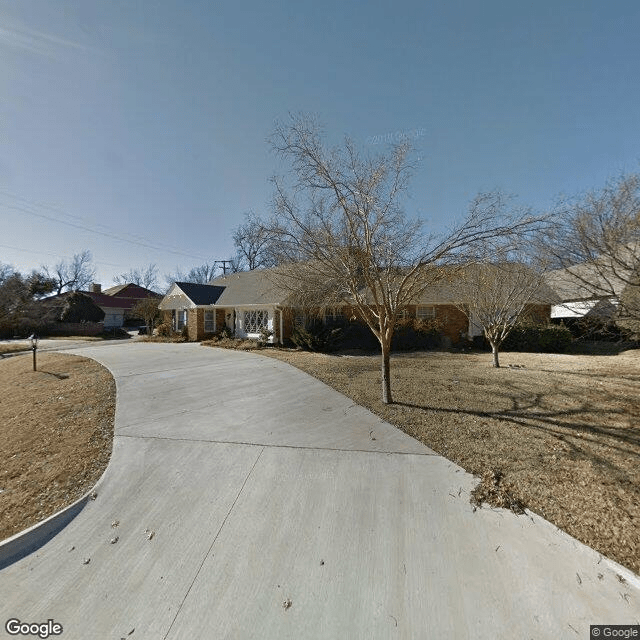
8501 N. Georgia Ave, Oklahoma City, OK 73114
To contact a resident: (405) 753-5505
For more information about senior living options: (866) 208-4318
Heaven House Georgia Costs & Pricing
At Heaven House Georgia, the monthly cost for a private room stands at $7,800, which reflects the premium services and care offered in this facility. In comparison, Oklahoma County presents a more economical option with private rooms priced at $5,637, while the broader state of Oklahoma provides an even lower average at $4,618. This pricing disparity highlights the unique position of Heaven House Georgia within the market, emphasizing its commitment to delivering exceptional quality and specialized care that often justifies the higher expense. The investment in such a facility is ultimately aimed at providing residents with a supportive environment tailored to their individual needs.
| Floor plans | Heaven House Georgia | Oklahoma County | Oklahoma |
|---|---|---|---|
| Private | $7,800 | $5,637 | $4,618 |
Senior living communities with a similar price nearby
-
from -$1300 / mo
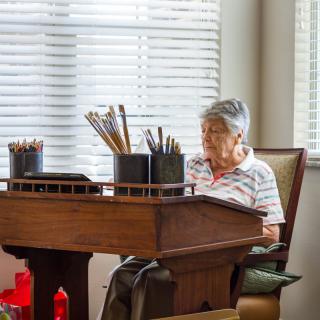
Iris Memory Care Northwest Oklahoma City
$6,500 / month5.1 miles away -
from -$600 / mo

Eden House at the Greens
$7,200 to $7,800 / month4.8 miles away -
from -$600 / mo

Eden Care Cottage at Oak Tree
$7,200 to $7,800 / month6.2 miles away -
from -$900 / mo
Superior Care Homes
$6,900 / month7.8 miles away
Overall Review of Heaven House Georgia
Pros
 The reviewer hopes the facility will prioritize resident safety.
- The reviewer stresses the importance of accountability in care.
- The reviewer believes residents deserve transparent actions to prevent harm.
- The reviewer advocates for safeguarding residents by ensuring staff are trustworthy.
Cons
 The father was hit and pushed against a wall at the facility, witnessed by his personal caregiver.
- Since then, the staff have lied to APS to skirt responsibility.
- The abuser is still employed by the facility.
- The facility is not safe.
Review
Heaven House Georgia in Oklahoma City is best avoided by families who prioritize safety, transparent governance, and dependable care. In practical terms, there is virtually no scenario in which this community emerges as a good fit for dignified elder support when safety and accountability are the non-negotiables. The available information points to a mismatch between what families expect from a care setting and what this facility can credibly deliver. The only honest assessment is that, for anyone seeking trustworthy, violence-free care with clear lines of responsibility, other options are a far more prudent starting point.
The core red flag is unmistakable: a resident was reportedly assaulted, hit and pushed against a wall, while under the facility’s watch, and the incident was witnessed by the resident’s personal caregiver. The gravest concern follows from the allegation that, after the incident, staff or administrators allegedly lied to authorities to skirt responsibility, while the individual accused of abuse remained employed. Taken at face value, these claims signal an environment where resident safety is compromised and accountability is not reliably enforced. The combination of a serious harm event and a suspected cover-up erodes trust and casts a long shadow over day-to-day operations.
From a risk-management perspective, such a safety breach radicalizes every other consideration. Even if other elements, like location, cost, or staff-to-resident ratios, held any appeal, they are instantly dwarfed by the threat to the resident’s welfare and the facility’s credibility. The inability or unwillingness to address or acknowledge harm, and the persistence of a potential wrongdoer on staff, creates a non-recoverable trust deficit. When families weigh options, the main con here is not merely a past incident but an ongoing question: will the environment remain safe, and will concerns be met with truthful, timely responses? The current narrative leaves no room for confident risk assessment about future incidents or transparent remediation.
There are no documented positives in the reviewed material that can meaningfully offset these grave concerns. Nothing presented suggests reliable staff oversight, consistent protection of residents, or evidence of effective escalation when problems arise. In the absence of verifiable strengths, such as consistent incident reporting, independent audits, strong licensing adherence, or third-party oversight, the cons remain unmitigated. For families, that means choosing this facility would require accepting a baseline risk profile that is not supported by demonstrable safeguards or accountability.
For families actively evaluating alternatives, the path is clear and practical. Prioritize facilities with verifiable safety records and explicit, enforceable safeguarding policies, clear codes of conduct, mandatory reporting to regulators, and transparent incident-tracking procedures. Seek out facilities with licensed administrators who demonstrate responsive governance, evidenced history of corrective actions after any adverse events, and third-party accreditation where available. Request recent survey results, complaint histories, and direct references from current families. Schedule unannounced visits to observe interactions between staff and residents, and insist on meeting potential caregiving teams to assess rapport, attentiveness, and professionalism.
Ultimately, the verdict is decisive. Heaven House Georgia does not meet the threshold families should demand for secure, respectful elder care. The combination of a serious violent incident, coupled with alleged deceit and ongoing staff implications, overshadows any ambiguous merits. Families weighing options should redirect efforts toward communities with proven safety records, transparent governance, and accountable leadership. When safety is non-negotiable, the prudent choice is to pursue alternatives that offer verifiable protection, responsible oversight, and the reassurance that harm will be addressed promptly and honestly.
 Board and Care Home
 Activities off-site
 Air-conditioning
 Bath tubs
 Beautician on-site
 Cable or satellite TV
 Devotional services off-site
 Handicap accessible
 Indoor common areas
 Outdoor common areas
 Private
 Private bathrooms
 Respite or short term stays offered
 Wheelchair accessible showers
 Wi-Fi/high-speed internet available
 Will Rogers World (12 miles away)
 Ambulatory care
 Diabetic care
 High acuity care
 Incontinence care
 Medication management
 Anytime dining
 Art classes
 Catholic services
 Cooking classes
 Day trips and outings
 Jewish services
 Live dance or theater performances
 Live musical performances
 Stretching classes

 Supportive Employee Benefits That Help Caregivers Attain Better Work-Life Harmony
 Top Cars for Senior Drivers and Essential Safety Innovations
 A Closer Look at Private Pay Home Care