For more information about senior living options: (866) 208-4318
3 from 123 reviews
5 stars
49
4 stars
9
3 stars
8
2 stars
7
1 stars
50
Overall Review of Tuscany Village Nursing Center
caveat15 reviews mention this
Call button response is inconsistent
Residents describe delays and missed responses when they need help.
Several reviews say staff were slow to respond after call buttons or alerts were pushed, with people waiting hours for assistance. Some residents describe being left without help during night hours, including reports of closed doors and nursing staff not being present on the floor. A number of reviews also mention difficulty reaching the facility by phone, including hang-ups and long waits to speak with staff. While a few reviewers report positive responses once help arrived, the recurring theme is that urgent needs were not met reliably.
caveat13 reviews mention this
Staffing and care feel uneven
Residents and families describe understaffing that affects daily care.
Beyond call-button delays, multiple reviews connect poor outcomes to staffing being short, describing long waits for basics like turning, bathing, and toileting. Some reviews describe medication timing issues, missed or late medication, and problems escalating needs when families felt a doctor should be contacted. Others report cleanliness and condition concerns that they attribute to gaps in daily support, including sheets or rooms not being changed and instances of wounds or skin issues. A smaller set of reviews praise staff as caring and professional, but the dominant caution is that care quality may vary depending on staffing and timing.
common16 reviews mention this
Nursing support gets praise
Many reviewers say the nursing team treats people with kindness.
A consistent group of reviews praises nursing staff for professionalism, kindness, and respect, including accounts of staff being attentive to needs and treating residents like family. Several reviews also highlight specific individuals and describe positive experiences with wound care, rehab therapies, and day-to-day support. A few reviewers say communication was still slow, but once staff engaged, they felt calmer and better supported. Overall, reviews point to real strengths in how many staff members care for residents, even as other reviews raise serious concerns about reliability.
common8 reviews mention this
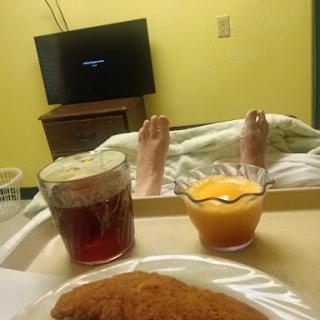
Food quality draws mixed reactions
Dining is a frequent point of both satisfaction and frustration.
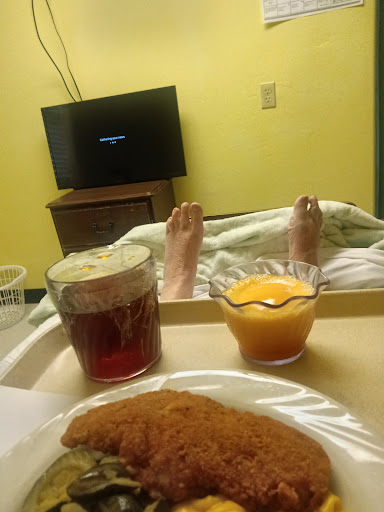
Some reviews describe food as cold or unpleasant, with reports of meals arriving in poor condition and not matching preferences. Others report that food was fine or that meals were generally good, with at least one reviewer noting the food could be a hit or miss. The dining experience also shows up in reviews discussing difficulty getting help with eating or feeding assistance. Overall, dining seems uneven, with families noticing problems more often than they describe consistently great meals.
caveat9 reviews mention this
Facility cleanliness is disputed
Multiple reviews describe dirty or poorly maintained rooms.
Several reviews describe rooms or common areas as unclean, including reports of odors, dirty linens, and housekeeping or maintenance falling behind. Others note cleanliness positively, mentioning clean facilities or pleasant smells. Some reviewers also raise concerns about outdated conditions and the pace of upkeep, while a few describe improvements from earlier experiences. The combined feedback suggests cleanliness can vary and is a key factor behind strong negative impressions.
How we summarize
Counts show how many written reviews mention each theme; a review can touch several themes, and only frequently mentioned themes are displayed.
Features
Housing
137 resident community capacity
Types of Care
Skilled Nursing Facility
Amenities
Air-conditioning
Beauty salon
Cable or satellite TV
Computer center
Dining room
Fitness room
Fully furnished
Gaming room
Garden
Housekeeping services
Kitchenette
Move-in coordination
Outdoor space
Private bathrooms
Restaurant-style dining
Small library
Telephone
Wellness center
Wi-Fi/high-speed internet available
Transportation
Will Rogers World (13 miles away)
Community operated transportation
Transportation arrangement
Transportation arrangement (non-medical)
Transportation to doctors appointments
Care Services
12-16 hour nursing
24-hour call system
24-hour supervision
Activities of daily living assistance
Assistance with bathing
Assistance with dressing
Assistance with transfers
Diabetes diet
High acuity care
Meal preparation and service
Medication management
Mental wellness program
Special dietary restrictions
Dining
Diabetes diet
Special dietary restrictions
Activities
Community-sponsored activities
Concierge services
Fitness programs
Planned day trips
Resident-run activities
Scheduled daily activities
Nearby Places of Interest
Located in Oklahoma City, Oklahoma, this neighborhood offers a variety of amenities that cater to senior living. With multiple places of worship within walking distance, residents can easily maintain their spiritual practices. The proximity of pharmacies ensures easy access to medications and healthcare needs. A range of dining options, from fast food to upscale restaurants, provides culinary diversity for seniors looking to explore different cuisines. Nearby physicians and hospitals offer convenient medical care, while parks provide opportunities for outdoor recreation and relaxation. Additionally, cafes and theaters offer entertainment options for leisure time. With transportation services available nearby, such as helicopter and aviation services, seniors have easy access to travel opportunities. Overall, this neighborhood provides a well-rounded environment for seniors seeking a comfortable and convenient living situation in Oklahoma City.
Places of Worship
Village Baptist Church (0.6 miles)
Mayflower Congregational Church (3.1 miles)
Quail Springs Baptist Church (3.1 miles)
Crossings Community Church (3.4 miles)
Pharmacies
CVS Pharmacy (0.7 miles)
Walgreens (0.8 miles)
Uptown Grocery Co (0.8 miles)
Walgreens (1.5 miles)
Prohealth Plaza Pharmacy (3.4 miles)
PharMore Specialty Pharmacy (3.5 miles)
Walgreens (3.6 miles)
Restaurants
McDonald's (1.4 miles)
Taco Bell (1.5 miles)
Lumpy's Sports Grill (1.6 miles)
Jersey Mike's (2.3 miles)
Café Escondido (2.4 miles)
Uncle Julio's (2.5 miles)
Taco Bueno (2.5 miles)
Physicians
Duhon, Lisa North May Va Clinic (1.4 miles)
Children's Eye Care (1.6 miles)
Saints Dermatology Center of Excellence (2.5 miles)
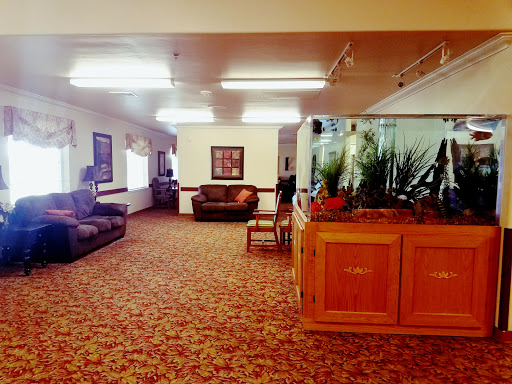
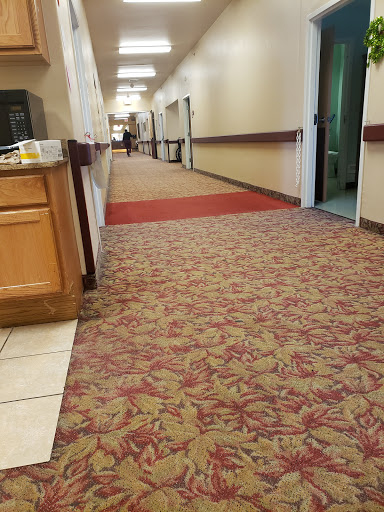
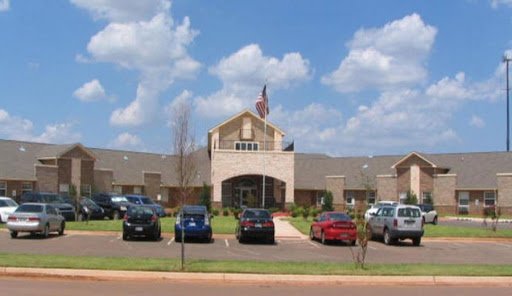
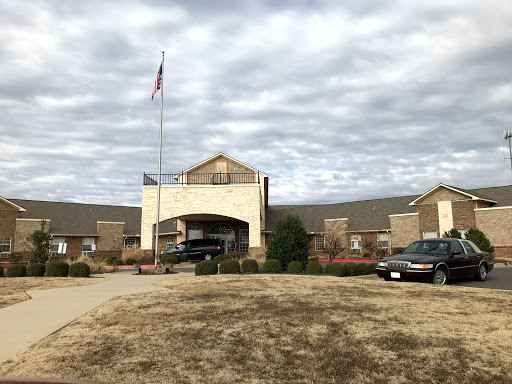
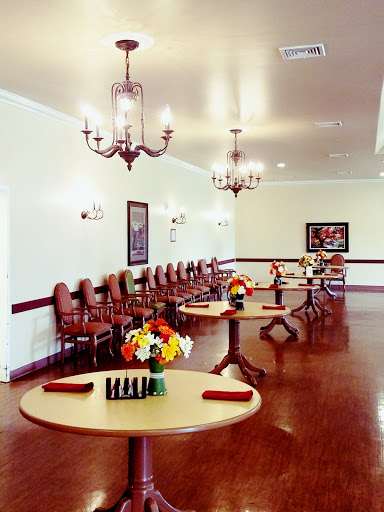
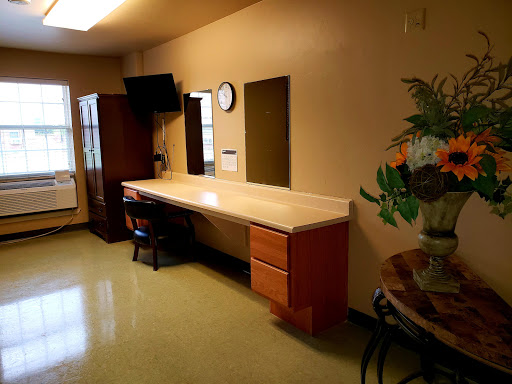
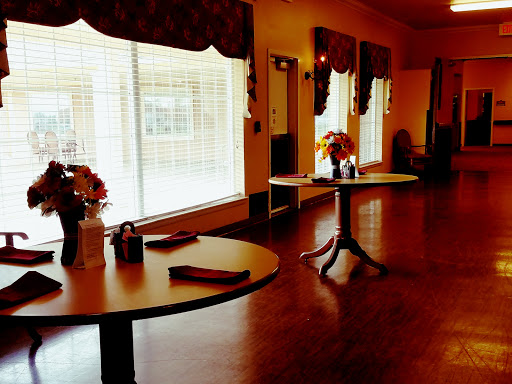
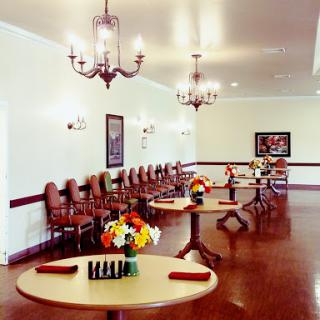
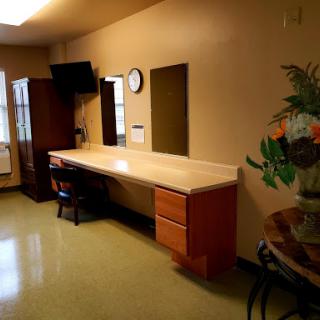
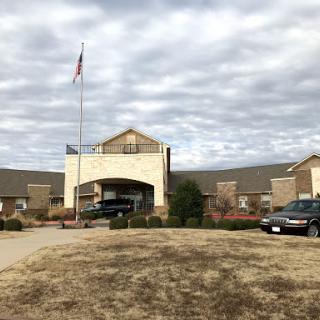
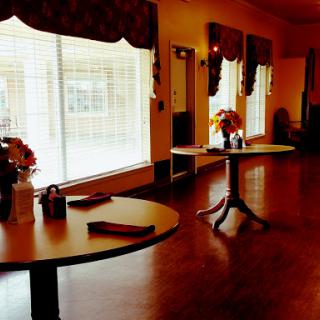
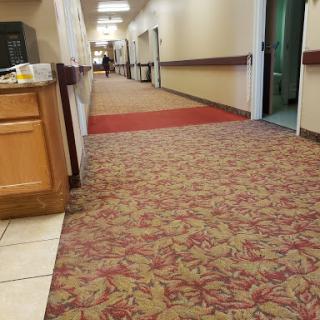
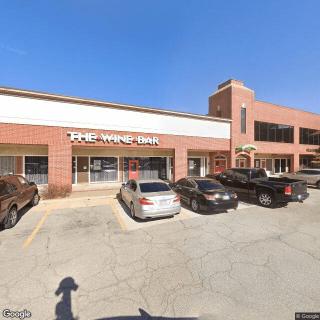
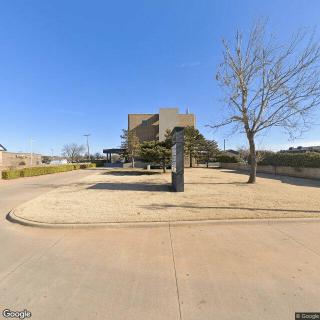
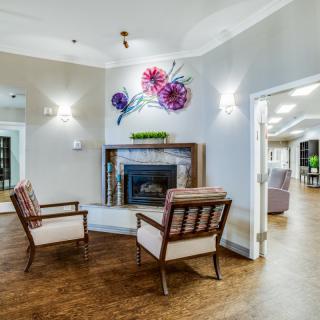
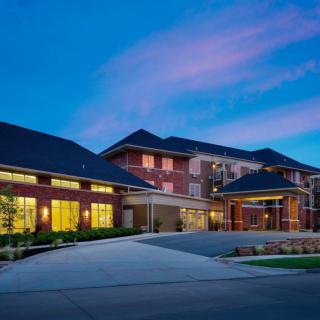
Tuscany Village Nursing Center on seniors.fyi includes 11 photos including images showing interior, building, parking, dining, flag, decor, television, hallway, and more.
Nearby Communities
Vitality Living Village
Oklahoma City, OK
4.2 from 66 reviews
$3,915 to $4,875 / month
Friendly, attentive staff; clean facilities; engaging activities and good communication.
Elison of Statesman Club
Oklahoma City, OK
4.2 from 86 reviews
$2,555 to $3,535 / month
Clean environment with good dining quality, professional staff, and varied activities.
Senior Helpers of Greater Oklahoma City, OK
Oklahoma City, OK
5 from 73 reviews
Strong director engagement and fabulous caregivers.
M A Retirement Community
Oklahoma City, OK
Serene setting with easy access to nearby parks, cafes, and healthcare.
Integrity Senior Care, LLC
Oklahoma City, OK
5 from 6 reviews
Prompt, compassionate initial care with supportive management.
Heaven House - Westchester
Oklahoma City, OK
1 from 1 review
24/7 supervision with ADL support, care coordination, tailored meals, and engaging activities.
Iris Memory Care of Nichols Hills
Oklahoma City, OK
4.2 from 92 reviews
$4,750 to $6,300 / month
Caring staff and engaging activities in a clean, home-like setting.
Quail Ridge Senior Living
Oklahoma City, OK
3.7 from 58 reviews
$3,000 to $5,600 / month
Clean, spacious apartments with friendly staff, robust dining options, and engaging activities.
Northwest Nursing Center
Oklahoma City, OK
3.9 from 53 reviews
Comprehensive amenities and care options (transportation, dining, wellness, activities, and private bathrooms).
The article highlights the high risk of falls among older adults due to factors like muscle weakness, vision issues, and environmental hazards, with one in four experiencing a fall annually. It advocates for a comprehensive prevention approach that includes exercise, home safety modifications, medication management, social support, and caregiver involvement.
Elder law attorneys assist older adults and their families with legal matters such as estate planning, Medicaid eligibility, and guardianships, while also providing protection against elder abuse. They help navigate complex regulations to safeguard financial resources, ensure well-being, and maintain autonomy for seniors.
Caregiving for an aging parent entails emotional and financial responsibilities accompanied by significant tax implications, including potential benefits from claiming them as dependents and deductions for medical expenses and caregiving costs. Caregivers must understand eligibility requirements, maintain thorough documentation, and consider consulting a tax professional to navigate these complexities effectively.
Get PricingAsk A QuestionSchedule A TourContact Senior Advisor
By clicking submit, you agree to our Partner's Terms of Use. You
also consent to receive calls and texts, which may be autodialed, from our Partner. Your consent is not a condition to
using our Partner's service. Please visit our Partner's Privacy Policy for information about their privacy practices.






 137 resident community capacity
 Skilled Nursing Facility
 Air-conditioning
 Beauty salon
 Cable or satellite TV
 Computer center
 Dining room
 Fitness room
 Fully furnished
 Gaming room
 Garden
 Housekeeping services
 Kitchenette
 Move-in coordination
 Outdoor space
 Private bathrooms
 Restaurant-style dining
 Small library
 Telephone
 Wellness center
 Wi-Fi/high-speed internet available
 Will Rogers World (13 miles away)
 Community operated transportation
 12-16 hour nursing
 24-hour call system
 Activities of daily living assistance
 Assistance with bathing
 Assistance with dressing
 Assistance with transfers
 Diabetes diet
 High acuity care
 Medication management
 Mental wellness program
 Special dietary restrictions
 Concierge services
 Planned day trips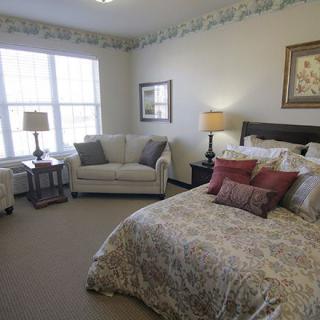
 Friendly, attentive staff; clean facilities; engaging activities and good communication.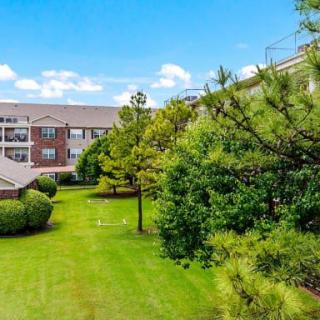



 Comprehensive Insights and Practical Strategies to Help Older Adults Avoid Falls
 6 Crucial Ways an Elder Law Attorney Assists Families
 Navigating the Tax Landscape of Caregiving: Credits, Deductions, and Beyond