
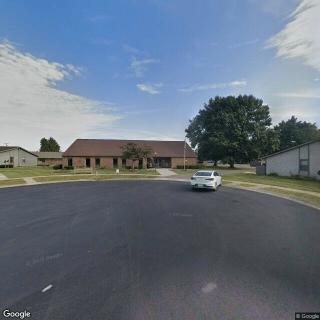
1133 Gambier Rd, Mount Vernon, OH 43050
To contact a resident: (740) 392-1099
For more information about senior living options: (866) 208-4318
Mount Vernon Assisted Living Costs & Pricing
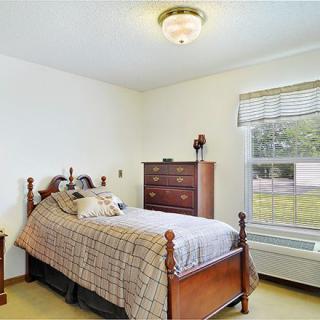
Mount Vernon Assisted Living offers a studio room at a monthly cost of $3,900. This figure is notably higher than the average costs observed in Morrow County, where assisted living expenses typically amount to about $3,303 per month. When compared to the overall state average for Ohio, which stands at approximately $3,727, it becomes evident that Mount Vernon's rates are above both local and state benchmarks. While the amenities and quality of care provided at Mount Vernon may justify this premium pricing for some families, potential residents should consider their options in relation to the financial landscape of assisted living facilities within and beyond their immediate area.
| Floor plans | Mount Vernon Assisted Living | Morrow County | Ohio |
|---|---|---|---|
| Studio | $3,900 | $3,303 | $3,727 |
Overall Review of Mount Vernon Assisted Living
Pros
 MVHR did amazing for what it was, and they kept the resident in great spirits.
- Shawn in therapy is absolutely amazing and will do whatever she can to accommodate anyone.
- Trisha, the admissions director, is absolutely fantastic to work with and has amazing spirits.
- The housekeeping staff always keeps the facility smelling clean.
- The kitchen staff will prepare whatever the resident wants off the menu if they don’t like what is served.
- The place is amazing and deserves high praise.
- The staff are great and the atmosphere makes residents feel like family.
- A small place with a large heart and a sense of caring community.
- The staff are friendly and welcoming, taking great care of residents and keeping everything clean.
- The home is wonderful and beautiful.
Review
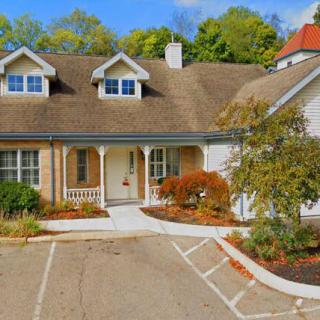
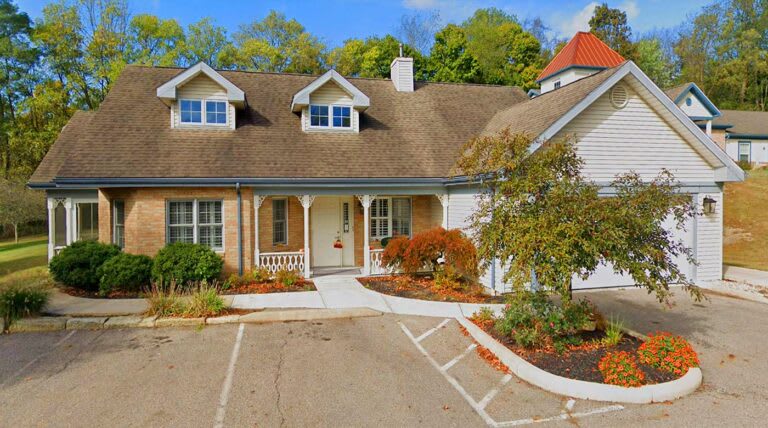
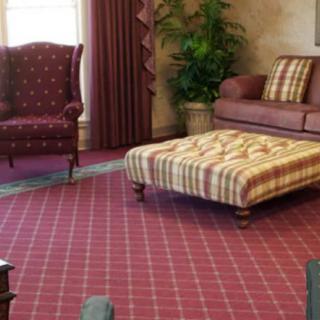
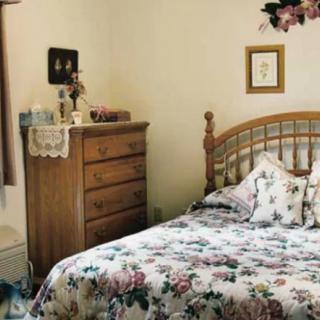
Mount Vernon Assisted Living is best suited for families seeking a small, intimate, home-like setting where residents receive highly individualized care and staff develop genuine relationships with both residents and families. The community’s essence is a warm, family-oriented atmosphere backed by a tight-knit team that remembers preferences, routines, and individual needs. With two very small residential footprints, a nursing home building that houses about 20 patients and assisted-living houses with around 11 residents each, the environment is deliberately designed for high caregiver visibility, rapid responsiveness, and a sense of belonging rather than a bustle of impersonal routines.
Those weighing alternatives should consider whether a larger campus with a broader menu of activities, more diverse programming, or more extensive on-site medical capabilities is essential. For families prioritizing scale, communal events, or specialized memory-care programs, MVHA’s compact model may feel limiting. The reviews consistently highlight the strength of this setting in delivering personal attention; however, it’s prudent to check whether the current breadth of services and activities aligns with the resident’s long-term needs, especially if a transition to more intensive care or broader social engagement could be anticipated.
The strongest advantages are undeniable: a staff culture that feels genuinely resident-focused, with daily life shaped around individual spirits and moods. Therapy staff receive particular praise for flexibility and responsiveness, and the admissions director is described as exceptionally cooperative and upbeat, easing the process for families. Cleanliness and a consistently pleasant dining and living milieu emerge in multiple accounts, underscoring a practical, well-kept environment. The kitchen’s willingness to accommodate menu requests and the sense of a “family” atmosphere translate into meaningful daily satisfaction for residents who crave personalization and warmth.
Caregivers’ attentiveness isn’t just about routines; it’s about emotionally supporting residents as well. Stories of residents staying in high spirits even when bed-bound speak to a staff commitment that extends beyond basic tasks into the quality of daily life. The small-size model appears to enhance this. With fewer residents to oversee, the team can offer more one-on-one interaction, heightened monitoring, and quicker adjustments to care plans. Families consistently note that residents receive more individualized attention here than in larger facilities, which can translate into calmer days, better mood, and a greater sense of security for both seniors and their loved ones.
Yet no place is without caveats. There is at least one low-rated review among the twelve, a reminder that even strong environments encounter divergent experiences. Prospective movers-in should prudently verify current staffing levels, vacancy dynamics, and the exact scope of services offered, especially as needs evolve. The small footprint, while a virtue for intimacy, can also limit the breadth of social programming and the capacity to handle high-acuity transitions without external coordination. A frank tour and direct questions about escalation protocols, staffing coverage across shifts, and access to specialized medical support will help illuminate whether MVHA’s strengths align with the resident’s trajectory.
In the end, Mount Vernon Assisted Living stands out as a compelling choice for families prioritizing a heartfelt, high-touch environment where residents are treated like family and care is tailored with remarkable attentiveness. It is the right pick for those who want to see familiar faces, quick hands-on support, and a home atmosphere that prioritizes mood, dignity, and daily satisfaction. For families seeking a larger social ecosystem, broader activity calendars, or extensive medical capabilities on par with bigger campuses, alternatives merit serious consideration. The prudent path is a guided visit: observe staff–resident interactions, inquire about current care levels, and confirm how the community plans to scale care if needs intensify, ensuring the decision aligns with both present comfort and future security.
 Assisted Living
 Memory Care
 Cats allowed
 Dogs allowed
 Activities off-site
 Beautician on-site
 Devotional services off-site
 Indoor common areas
 Outdoor common areas
 Respite or short term stays offered
 Wheelchair accessible showers
 Ambulatory care
 Diabetic care
 Incontinence care
 Medication management
 Meals provided

 Are Dementia and Alzheimer's Disease Lethal? A Comprehensive Exploration
 Exploring the Power of Reminiscence Therapy for Individuals With Dementia
 An In-Depth Look at Reminiscence Therapy in Dementia Care