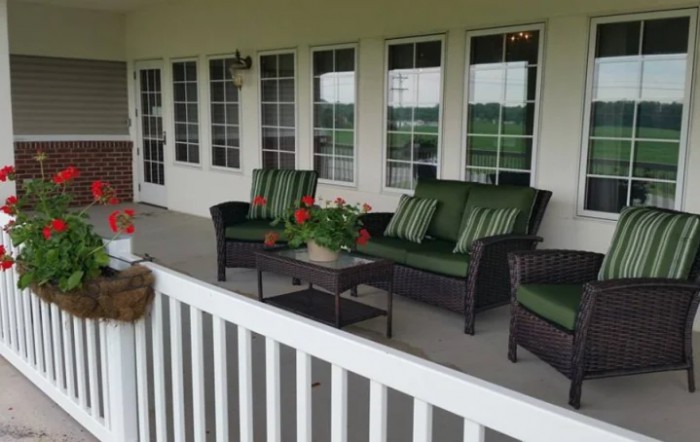


825 SR 61, Marengo, OH 43334
To contact a resident: (419) 253-0144
For more information about senior living options: (866) 208-4318
Bennington Glen Nursing Rehab Costs & Pricing
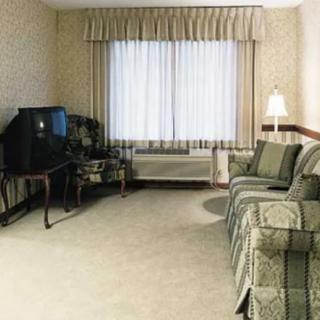
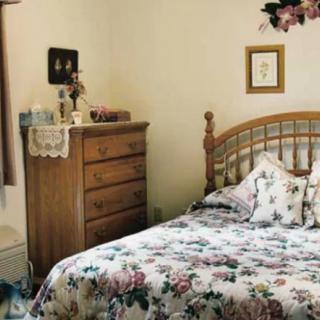
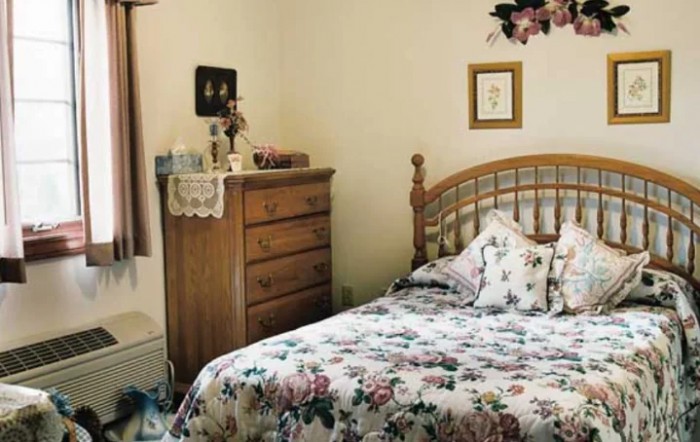
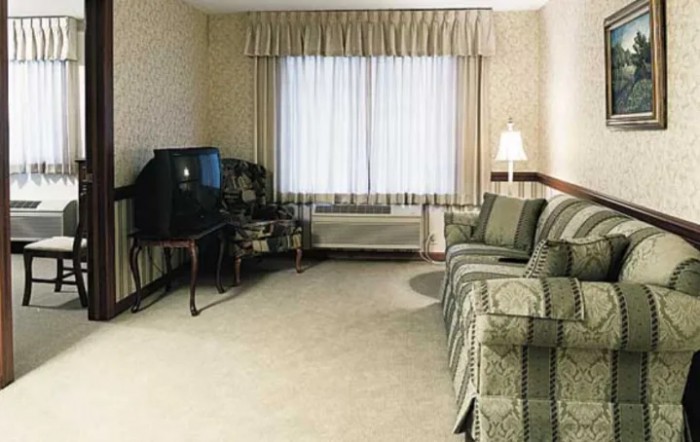
Bennington Glen Nursing Rehab offers its private room accommodation at a monthly rate of $5,340, positioning it slightly above both the county average of $4,720 and the state average for Ohio, which stands at $4,771. This pricing reflects the facility's commitment to providing high-quality care and personalized services tailored to the needs of its residents. While it may be higher than other local options, many families find value in the enhanced amenities and specialized support offered at Bennington Glen, making it a worthy consideration for those seeking comprehensive rehabilitative care in Morrow County.
| Floor plans | Bennington Glen Nursing Rehab | Morrow County | Ohio |
|---|---|---|---|
| Private | $5,340 | $4,720 | $4,771 |
Skilled Nursing Facilities with a similar price nearby
-
from -$990 / mo
Johnstown Pointe Nursing & Rehabilitation Center
$4,350 to $6,000 / month17.6 miles away -
from +$891 / mo

Highbanks Care Center
$6,231 to $7,223 / month19.6 miles away -
from +$740 / mo
Mill Creek Nursing & Rehabilitation
$6,080 to $8,355 / month23.4 miles away -
About the same
Presidential Center
$5,500 / month18.7 miles away -
from +$330 / mo
Villa Angela Care Center
$5,670 / month22.2 miles away
Overall Review of Bennington Glen Nursing Rehab
Pros
 The staff show respect, kindness, compassion, and love toward residents.
- The facility feels warm, cozy, clean, and welcoming.
- Residents are well cared for and appear happy.
- Staff assist with scheduling medical appointments and arranging transportation.
- Residents receive regular physical therapy and attentive care.
- Families feel their loved ones are in good hands and treated like home.
- The facility comes highly recommended by relatives as a great place for aging loved ones.
Cons
 They felt there were not enough good things to say about the facility and its staff.
- Her sister’s ileostomy bag leaked on arrival, with two hours before anyone cleaned her, leaving feces on her and around the incision and later causing infections.
- The discharge coordinator was MIA for three days, leaving discharge questions unanswered.
- They did not acknowledge her broken rib and dismissed bruises as age spots.
- Maintenance delays kept a trapeze from being installed, leaving the patient struggle to get in and out of bed and delaying pain meds.
- They would not recommend the facility and urged taking loved ones elsewhere.
- There were unhappy conversations between staff and residents that the reviewer planned to report.
Review
This community is best suited for families seeking a warm, person-centered atmosphere where frontline staff relationship quality drives daily life and practical rehab support is readily available. Bennington Glen has repeatedly earned praise for compassionate staff, personal attention, and a sense that residents are treated with genuine respect. For seniors who value a homey, welcoming feel, regular assistance with activities of daily living, transportation to appointments, and accessible physical therapy, this facility presents a compelling, hands-on option. The strongest cases come from families who emphasize comfort, routine, and the reassurance that their loved one is seen as an individual rather than a room number.
Those considering alternatives should weigh this facility against what matters most in care continuity and clinical reliability. If the top priority is flawless discharge planning, rock-solid medical oversight, or highly specialized wound care and infection control, other communities may be a better fit. A few families point to gaps in discharge communication and follow-through, and there are troubling anecdotes about delays in equipment and medication, which can be deal-breakers when a loved one requires precise coordination of services. For residents with complex medical needs or a history of safety concerns, exploring options with a more robust incident-anomaly response and stronger nursing coverage may be prudent.
On the balance, the key pros, genuine warmth from staff, a welcoming environment, and practical, proactive rehab support, do offset many of the facility’s notable drawbacks for a broad segment of residents. The staff’s attentiveness, from administrative coordination to direct care, translates into smoother daily routines, easier appointment scheduling, and a sense of home that many families value deeply. Cleanliness and a cozy, lived-in feel reinforce the impression that care happens in a nurturing space. When therapy is pursued with regularity, two to four sessions per week for rehabilitation, residents can make meaningful progress, and families frequently report improved mood and engagement as a direct result.
However, several concrete concerns temper that overall impression. Instances of delayed attention to urgent care needs, and periodic lapses in discharge coordination, undermine confidence in a seamless transition from hospital to home-like living. There are also highly troubling anecdotes about care gaps in specific medical tasks, such as ostomy management and post-op support, that demand urgent attention. On balance, these issues do not erase the positives, but they do challenge the assumption that comfort alone suffices when medical complexities arise. The facility’s strongest advocates acknowledge the care quality while urging closer scrutiny of operational reliability.
Families evaluating this community should actively verify several practical elements before deciding. Request a current, role-specific accountability map: who handles discharge planning, who coordinates medical appointments, and who is responsible for rapid response to care deviations. Ask to review recent incident reports and the facility’s corrective-action processes. Seek detailed explanations of how therapy schedules are set, how transportation is coordinated, and how equipment needs (like assistive devices and safety features) are fulfilled promptly. A candid tour should include conversations with direct care staff about weekends and evenings, when coverage can vary, and a direct line to the administrator to understand escalation channels.
Ultimately, Bennington Glen presents a pragmatic choice for families prioritizing a comforting, resident-forward environment with meaningful rehab access and dependable daily routines. It is a credible option for long-term care or post-acute recovery where staff integrity and patient warmth are decisive factors. Yet the decision should come with clear expectations: confirm discharge planning processes, insist on transparent communication about medical needs, and acknowledge that strong emotional fit must be matched with robust operational reliability. For families willing to push for clear protocols and ongoing oversight, this community can become a trusted home that honors both dignity and recovery.
 Skilled Nursing Facility
 Activities on-site
 Devotional services off-site
 Indoor common areas
 Private
 Ambulatory care
 Diabetic care
 Meals provided



 Seniors and Modern Transportation: Exploring Uber, Lyft, and Other Ride-Hailing Options
 Comprehensive Guide to Qualifying for Home Health Care Services
 Powerful Realities of Elder Abuse and the Most Effective Ways to Report It