Overall Review of Country Club Rehabilitation Campus at Mt. Vernon
differentiator13 reviews mention this
Therapy support is a key draw
Residents consistently describe therapy as effective and motivating.
A lot of reviews tie the outcome of the stay to rehabilitation therapy, with residents saying it helped them regain mobility or return toward their baseline. Several people mention physical and occupational therapy working in practical ways toward discharging home. There are also comments that therapy staff are patient and keep residents challenged through the session.
common24 reviews mention this
Staff and nurses earn praise
Residents and families repeatedly praise aides, nurses, and office staff.
Across reviews, residents describe the day-to-day care team as kind, respectful, and helpful. Multiple mentions include nurses and aides being attentive, along with office staff checking in and supporting residents during the stay. A recurring point is that staff feel accessible when help is needed, including coordination around therapy and personal needs.
common14 reviews mention this
Food quality shows up often
Meals are frequently described as tasty and well handled.
Many reviews call out food positively, including comments that it is excellent, plentiful, and enjoyable. Some residents also mention dietary accommodation or support with special food schedules. A separate review notes that meals sometimes arrive lukewarm, but most comments overall describe dining as a strength.
common9 reviews mention this
Private rooms and cleanliness
Residents appreciate private room space and a generally clean setting.
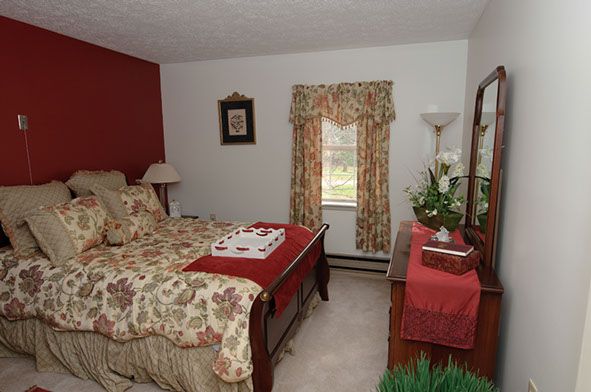
Several reviews emphasize private rooms and describe the rooms as clean, spacious, or well kept. Others mention the facility being clean and quiet, including housekeeping working throughout the building. At least a couple of negative reviews cite cleanliness problems such as dirty rooms or slower cleaning response.
differentiator4 reviews mention this
Respite stays are a common use
Families describe respite stays as giving caregivers needed time.
Some reviews are specifically about respite, describing the ability for a family caregiver to step away for days while knowing their loved one is being cared for. These accounts also mention communication and support during the stay. The experience is described as helpful in both short-term rehab situations and caregiver relief needs.
caveat3 reviews mention this
Care consistency can be a concern
A small number of reviews raise concerns about neglected care and responsiveness.
While most reviews are positive, a few describe serious problems, including reports of bed sores and cleanliness issues. One review also describes delayed cleaning and repeated complaints not being resolved quickly. Another mentions overall care not being worth the cost after problems with rehab progress and belongings during the stay.
How we summarize
Counts show how many written reviews mention each theme; a review can touch several themes, and only frequently mentioned themes are displayed.
Features
Housing
58 resident community capacity
Types of Care
Assisted Living
Continuing Care Retirement Community (CCRC)
Independent Living
Memory Care
Respite Care
Skilled Nursing Facility
Amenities
Air-conditioning
Beautician on-site
Beauty salon
Cable or satellite TV
Computer center
Dining room
Financial aid
Financing advice
Fitness room
Fully furnished
Gaming room
Garden
Home sale assistance
Housekeeping services
Kitchenette
Laundry
Move-in coordination
Outdoor space
Party space
Private bathrooms
Respite or short term stays offered
Restaurant-style dining
Security gate
Small library
TV room
Telephone
VA Benefits Consultation
Wellness center
Wi-Fi/high-speed internet available
Transportation
Community operated transportation
Transportation arrangement
Transportation arrangement (non-medical)
Transportation to doctors appointments
Care Services
12-16 hour nursing
24-hour call system
24-hour supervision
Activities of daily living assistance
Assistance with bathing
Assistance with dressing
Assistance with transfers
Diabetes diet
Meal preparation and service
Medication management
Mental wellness program
Personal care assistants
Special dietary restrictions
Dining
Diabetes diet
Special dietary restrictions
Activities
Activities off-site
Arts and crafts
Community-sponsored activities
Concierge services
Educational speakers / life long learning
Fitness programs
Games
Live musical performances
Planned day trips
Religious services
Resident-run activities
Scheduled daily activities
Stories
Languages Spoken
American sign language
English
Nearby Places of Interest
Physicians
Knox Community Hospital (0.2 miles)
Knox Cardiology Associates (0.2 miles)
Central Ohio Eye Surgeons (0.2 miles)
Lee Steven Hornstein (0.2 miles)
Knox Orthopaedic & Sports Medicine Center (0.3 miles)
Pediatric Specialists (0.4 miles)
Knox Medical Specialists (0.4 miles)
Pharmacies
CVS Pharmacy (0.2 miles)
Health Mart Pharmacy (0.4 miles)
Conway's Eastside Pharmacy (0.4 miles)
Foster's Pharmacy (0.4 miles)
Kroger Pharmacy (0.4 miles)
Lonsinger Pharmacy (1.6 miles)
Health Mart Pharmacy (1.8 miles)
Restaurants
Wendy's (0.2 miles)
Burger King (0.2 miles)
Chipotle Mexican Grill (0.4 miles)
Papa John's Pizza (0.4 miles)
Fiesta Mexicana (0.4 miles)
Ruby Tuesday (0.4 miles)
Bob Evans (0.9 miles)
Cafes
Tim Hortons (0.3 miles)
Happy Bean (1.7 miles)
Everlasting Cup - Oh (1.7 miles)
The Brickhouse Grind (7.5 miles)
Places of Worship
Messiah Church (0.5 miles)
Southern Baptist Convention (0.7 miles)
Methodist Church Gay (1 miles)
Mt Vernon Sda City Church (1 miles)
General Conference Of Seventh-Day Adventists (1.3 miles)
United Methodist Church (1.4 miles)
Mount Vernon Hill Seventh-day Adventist Church (1.5 miles)
The Country Club Rehabilitation Campus at Mt. Vernon offers a comprehensive array of features that significantly enhance the care for residents with dementia or Alzheimer's disease. The 24-hour supervision ensures that residents are always monitored, providing immediate support and safety in case of confusion or emergencies. Assistance with activities of daily living, such as bathing and dressing, promotes dignity and comfort while catering to individual needs, thereby reducing anxiety often associated with these tasks. Help with transfers is crucial for maintaining mobility and preventing falls, ensuring that residents can move safely within their environment. Meal preparation and service are tailored to meet nutritional requirements, which can be a challenge for those with cognitive impairment, while medication management addresses adherence to prescribed regimens--a critical factor in overall health maintenance. Additionally, the mental wellness program focuses on cognitive engagement through various activities designed to stimulate memory and promote social interaction, contributing positively to the emotional well-being of residents at varying stages of dementia.
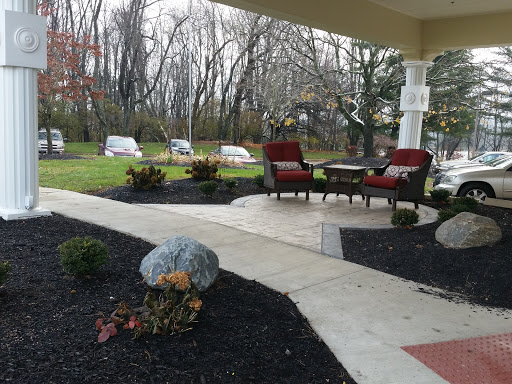
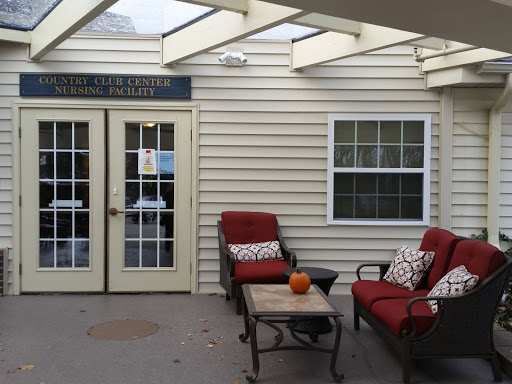
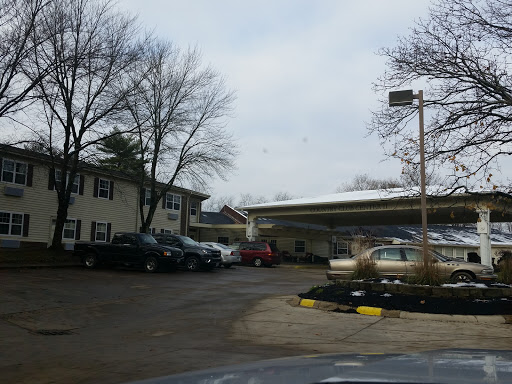
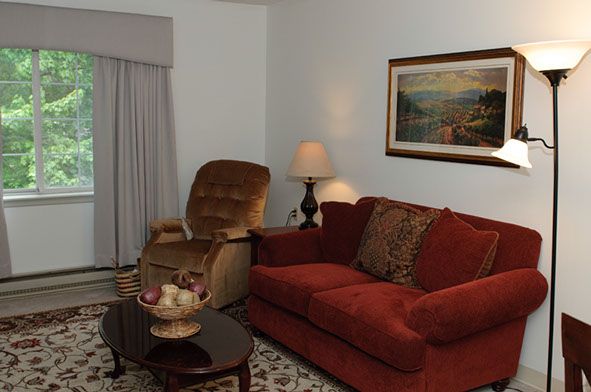
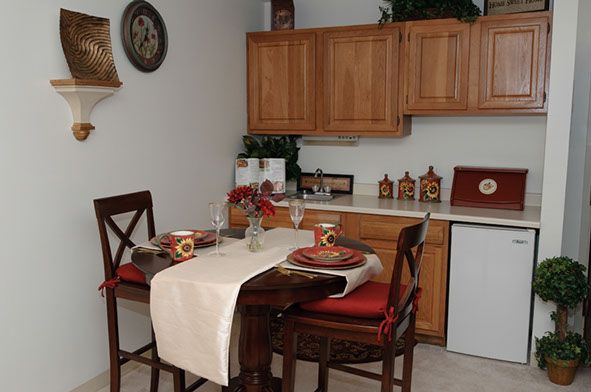
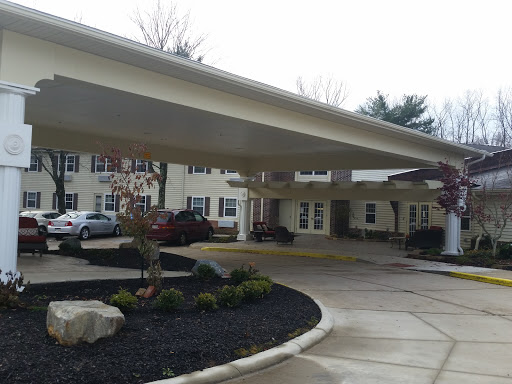
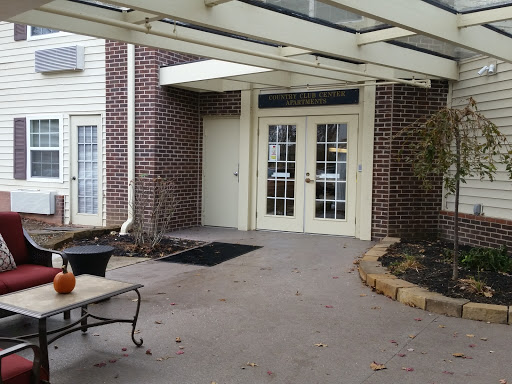
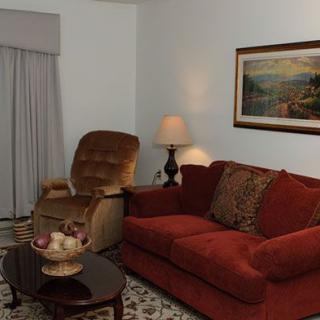
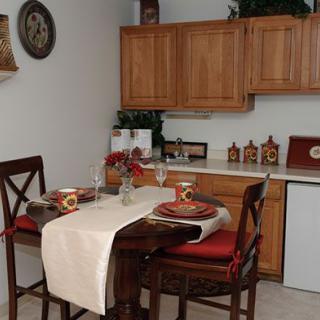
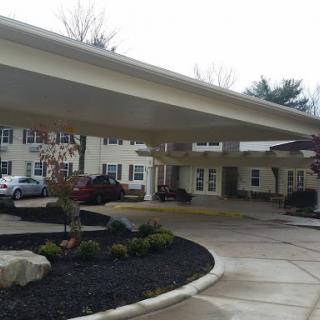
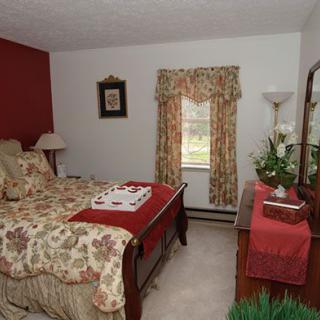
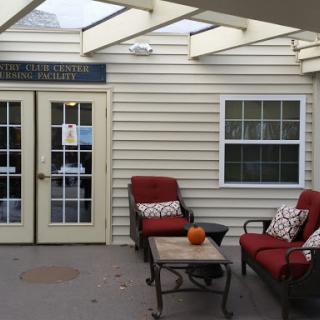
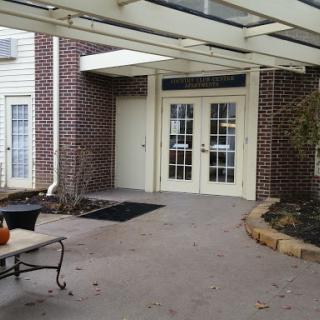
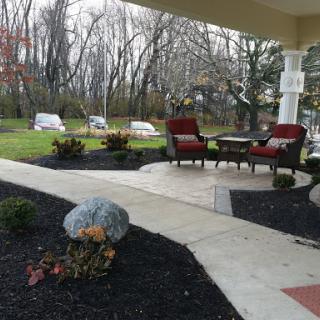
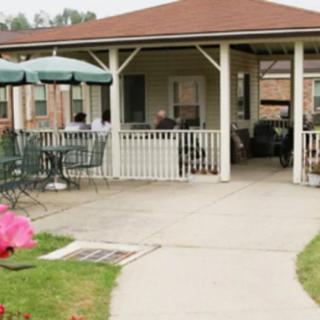
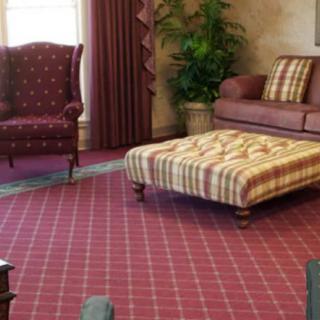
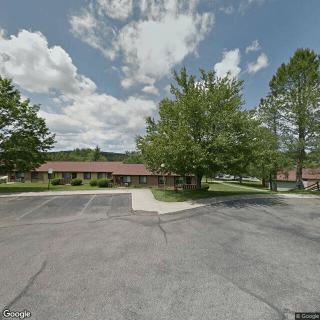
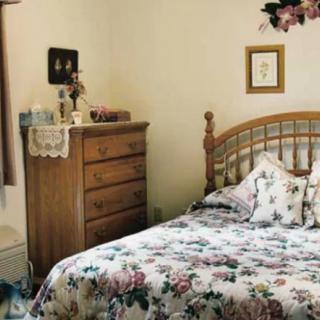
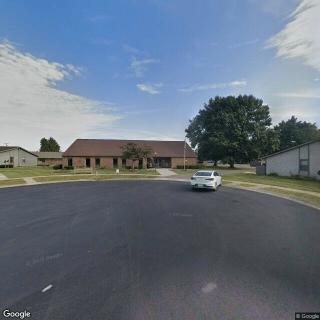
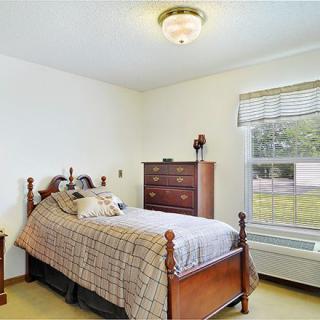
Country Club Rehabilitation Campus at Mt. Vernon on seniors.fyi includes 11 photos including images showing landscaping, nature, building, outdoor, patio, entrance, exterior, interior, and more.
Nearby Communities
Country Club Retirement Ctr
Mount Vernon, OH
4.9 from 110 reviews
Continuum of care with memory care and active indoor amenities.
Beech Tree Apartments
Mount Vernon, OH
3.8 from 6 reviews
Peaceful, convenient assisted living with close access to amenities.
Levering Management
Mount Vernon, OH
Close to cafes, pharmacies, physicians, restaurants, parks, transportation options, places of worship, and cultural venues.
Country Court
Mount Vernon, OH
2.4 from 16 reviews
Compassionate, resident-centered care with responsive staff.
The Ohio Eastern Star Home
Mount Vernon, OH
4.9 from 9 reviews
Multiple care options (AL, board and care, CCRC, SNF) with extensive on-site amenities and services.
Hiawatha Senior Village
Mount Vernon, OH
1.9 from 7 reviews
On-site activities and meals with specialized diabetic and ambulatory care.
Bennington Glen Nursing Rehab
Marengo, OH
3.8 from 17 reviews
$5,340 / month
Private rooms with dedicated diabetic care.
Northtowne Senior Living
Newark, OH
4.5 from 11 reviews
Diabetic care and engaging activities with convenient nearby amenities.
Hearth Brook
Newark, OH
4.5 from 48 reviews
$2,725 to $2,950 / month
Caring, responsive staff with personalized memory-care in a smaller, homelike setting.
Memory care activities are essential for improving the quality of life of seniors with cognitive impairments, as they stimulate cognitive function, promote well-being, and encourage social interaction through tailored strategies. These activities combine structured exercises with spontaneous tasks, sensory engagement, physical workouts, creative pursuits, and intergenerational interactions to enhance emotional connection and a sense of purpose.
Transitioning from assisted living to memory care is driven by an individual's cognitive decline and specific needs, requiring careful evaluation of indicators like increased confusion and wandering. The process involves consulting medical professionals, researching suitable communities, considering financial and legal aspects, and ensuring effective communication for personalized care plans.
The article differentiates between assisted living and memory care, explaining that assisted living supports seniors with daily activities while promoting independence, whereas memory care provides specialized services for individuals with dementia, focusing on secure environments and cognitive support. It also addresses staff training, safety considerations, costs, family involvement, and transition strategies for families navigating these care options.
Country Club Rehabilitation Campus at Mt. Vernon photos
×
Interior
Outdoors
Decor
Building
Bedroom
Trees
Windows
Landscaping
Garden
Outdoor
Nature
Interior
Decor, Dining, and Dining Table
Bedroom and Traditional Decor
Living Room and Painting
Landscaping
Windows
Building
Trees
Garden
Seating Area and Outdoor Furniture
Outdoor
Entrance
Patio
Outdoors
Exterior
Nature
Parking
Brick
Get PricingAsk A QuestionSchedule A TourContact Senior Advisor
By clicking submit, you agree to our Partner's Terms of Use. You
also consent to receive calls and texts, which may be autodialed, from our Partner. Your consent is not a condition to
using our Partner's service. Please visit our Partner's Privacy Policy for information about their privacy practices.





 58 resident community capacity
 Assisted Living
 Continuing Care Retirement Community (CCRC)
 Independent Living
 Memory Care
 Respite Care
 Skilled Nursing Facility
 Air-conditioning
 Beautician on-site
 Cable or satellite TV
 Computer center
 Dining room
 Financial aid
 Fitness room
 Fully furnished
 Gaming room
 Garden
 Housekeeping services
 Kitchenette
 Laundry
 Move-in coordination
 Outdoor space
 Party space
 Private bathrooms
 Restaurant-style dining
 Security gate
 Small library
 Telephone
 Wellness center
 Wi-Fi/high-speed internet available
 Community operated transportation
 12-16 hour nursing
 24-hour call system
 Activities of daily living assistance
 Assistance with bathing
 Assistance with dressing
 Assistance with transfers
 Diabetes diet
 Medication management
 Mental wellness program
 Special dietary restrictions
 Arts and crafts
 Concierge services
 Educational speakers / life long learning
 Games
Games Live musical performances
 Planned day trips
 Religious services
 Stories
 American sign language
 English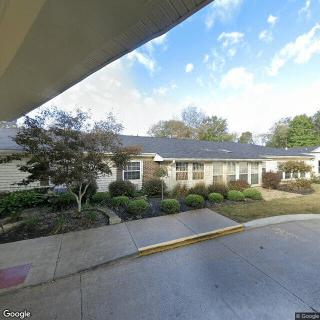
 Continuum of care with memory care and active indoor amenities.
 Engaging Memory Care Activities That Enhance Quality of Life
 When to Transition from Assisted Living to Memory Care: Key Indicators, Steps, and Finding the Right Community
 Understanding the Distinctions: Assisted Living and Memory Care Explained