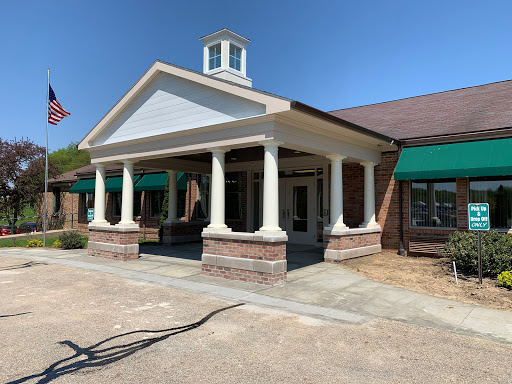
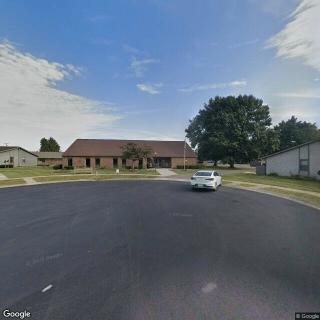
1076 Coshocton Avenue, Mount Vernon, OH 43050
For more information about senior living options: (866) 208-4318
Overall Review of Country Court
Pros
 The facility has tangible qualities of care—food, warmth, safe surroundings—and an excellent nursing staff.
- The caring attitude of the staff and administration makes Country Court a jewel.
- The staff take concerns seriously and remedy problems promptly when raised.
- Country Court makes the experience of placing a loved one in a nursing home less painful for families.
- Families consider Country Court their facility of choice for care.
Cons
 The staff were absolutely rude to the patient.
- An aide was irritated that the patient had to use a bedpan after being transported from over an hour away.
- The bed wheels only lock when the bed is lowered to the floor, which is backwards and a serious safety hazard.
- The employees gossip about other employees too much instead of taking care of the residents.
- The facility is willfully understaffed, and management is checked out and willfully ignorant.
- Residents are not getting any quality of care, and the place is a disgrace to health care.
- The Director of Nursing is a joke, with no compassion and a brick-wall bedside manner.
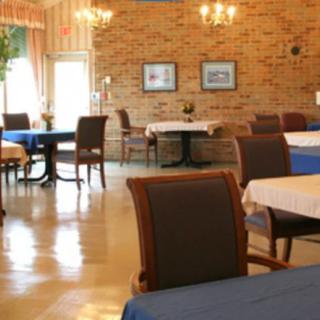
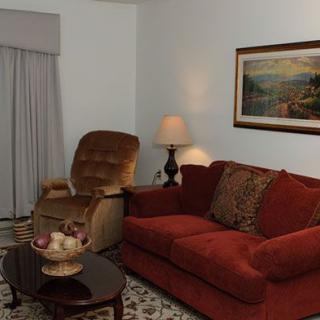
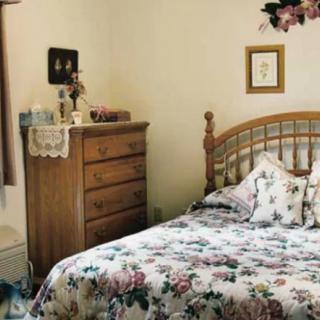
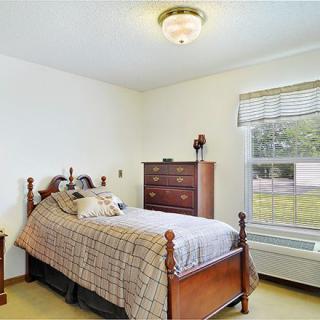
- The environment is filthy and unsanitary, with stained carpets, peeling wallpaper, and a leaking roof.
Review
Country Court in Mount Vernon, Ohio is best suited for families that need short-term rehab or routine post-acute care where a genuinely caring, attentive staff can serve as the most reliable constant. In practical terms, this facility can work for loved ones who prize the human touch, staff warmth, responsiveness, and a sense that someone is paying attention to daily needs, over pristine surroundings or flawless operations. For families navigating a transition after a hospital stay, Country Court offers a recognizable nursing presence and a familiar, homey feel that can mitigate the stress of entry. It is not, however, the ideal long-term home for those who require consistently high staffing levels, rigorous cleanliness standards, and a modern, well-maintained environment.
Those considering alternatives should note who may be better served elsewhere. Families seeking a facility with consistently flawless sanitation, modern amenities, and uninterrupted, fully staffed rounds may want to look beyond Country Court. Likewise, if concerns about administrative responsiveness, frequent miscommunications, or a culture of under-staffing and turnover are non-negotiable, exploring other options is prudent. For residents with complex medical or cognitive needs who require constant proactive monitoring, the risk of gaps in care at times becomes a decisive factor. Short-term rehab can work here, but long-term residency raises red flags that many families will want to avoid.
The strongest positives rest on the human side: when care teams are present and engaged, residents can experience real warmth, patient-centered nursing attention, and a sense that someone is watching over them. In favorable moments, nurses and aides provide attentive hands-on care, and concerns raised by families appear to be addressed promptly. The facility can feel safe and comfortable, the basics of food quality and routine safety are often described as solid. One review highlights that, despite broader problems, the staff’s caring attitude can make a meaningful difference in day-to-day life. For families who can build a collaborative relationship with caregivers, these human-centered strengths can offset some operational rough edges.
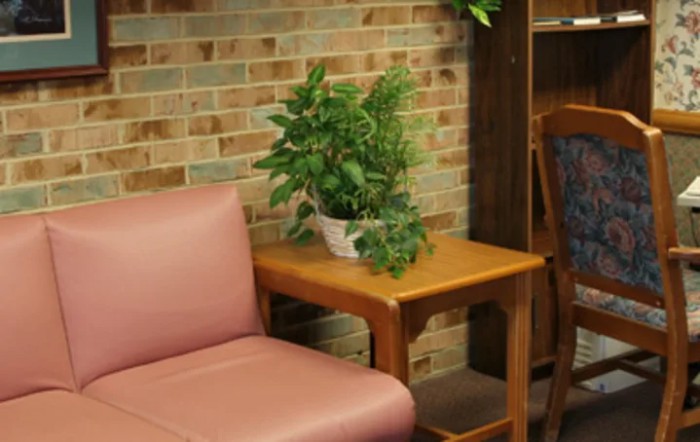
Yet the weight of the cons is substantial and undeniable. Repeated reports describe persistent under-staffing, with too few aides and nurses to meet the resident load, leading to delayed assistance, infrequent personal care, and missed showers. The environment itself raises concerns: stained or worn carpeting, peeling wallpaper, and even roof leaks point to an unsettled physical plant. Hygiene and odor issues surface in several accounts, painting a picture of an institution that feels dirty and less than inviting. Communication gaps, staff conflicts, and a leadership climate that appears disengaged or overly focused on cost pressures compound the risk that families will feel unheard or left out of crucial care decisions.
That dynamic, strong, caring frontline staff offsetting a fragile infrastructure, can be real, but it rarely sustains robust, risk-free care over the long haul. When operations and culture drift toward understaffing and management disengagement, the benefits of compassionate caregiving struggle to compensate for safety hazards, inconsistent hygiene, and the emotional toll on residents and families. In practical terms, Country Court may fulfill a temporary need for warmth and basic nursing attention, but it often falls short on the consistency, cleanliness, and proactive governance that longer stays demand. Families should be prepared to intervene actively, verify care plans, and insist on measurable improvements if choosing this community.
For families weighing a decision, the recommended approach is clear: visit with a concrete checklist, observe staffing during peak hours, ask to review recent incident reports and maintenance requests, and speak openly with the DON or administrator about staffing plans and hygiene routines. If short-term rehabilitation is the goal, ensure alignment on expected therapy intensity, daily schedules, and discharge planning. If long-term residency is contemplated, demand evidence of stable staffing, reliable housekeeping, and visible leadership accountability. If those assurances cannot be documented, or if ethical and emotional climate feels brittle, it is prudent to consider alternatives. Country Court can be a workable bridge for some, but it should not be the default choice when safety, sanitation, and consistent caregiving are non-negotiable.
 92 resident community capacity
 Skilled Nursing Facility
 Air-conditioning
 Beauty salon
 Cable or satellite TV
 Computer center
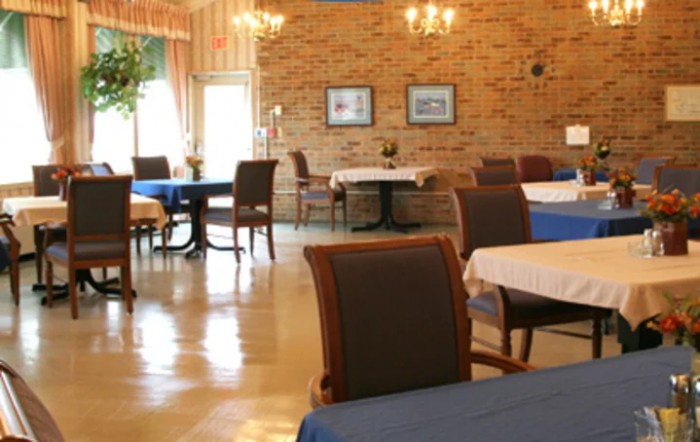
 Dining room
 Fitness room
 Fully furnished
 Gaming room
 Garden
 Housekeeping services
 Kitchenette
 Move-in coordination
 Outdoor space
 Private bathrooms
 Restaurant-style dining
 Small library
 Telephone
 Wellness center
 Wi-Fi/high-speed internet available
 Community operated transportation
 12-16 hour nursing
 24-hour call system
 Activities of daily living assistance
 Assistance with bathing
 Assistance with dressing
 Assistance with transfers
 Diabetes diet
 Medication management
 Mental wellness program
 Special dietary restrictions
 Concierge services
 Planned day trips

 Ten Vital Duties of a Senior Caregiver: A Comprehensive Guide
 9 Stimulating Memory Activities for Seniors: Puzzles, Cards, and Much More
 Managing Nursing Home Expenses After Medicare Coverage Ends