
1135 Gambier Road, Mount Vernon, OH 43050
For more information about senior living options: (866) 208-4318
Overall Review of Mount Vernon Health And Rehabilitation Center
Pros
 MVHR did amazing for what it was and kept residents in great spirits.
- Shawn in therapy is absolutely amazing and accommodates residents’ needs.
- Trisha, the admissions director, is fantastic to work with and has uplifting spirits.
- The housekeeping staff always keeps the facility smelling clean.
- The kitchen staff can accommodate residents’ menu requests and preferences.
- The staff are wonderful, caring, and resident-focused.
- The facility is small with a large heart and a strong sense of community.
- The atmosphere is friendly and welcoming, with individual attention for each resident.
Review
This community is best suited for families seeking a warm, intimate setting where residents are treated like family and receive highly personalized attention. It excels for seniors who value a close-knit, home-like atmosphere, where staff- resident relationships are strong and care feels individualized. The stories from families point to a milieu where even in difficult physical circumstances, residents can stay in good spirits, with therapy teams and front-desk staff contributing meaningfully to daily well-being.
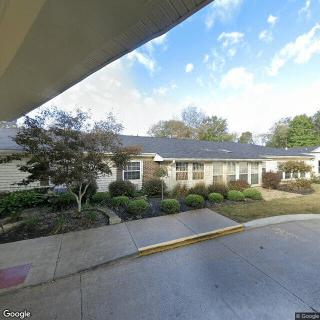
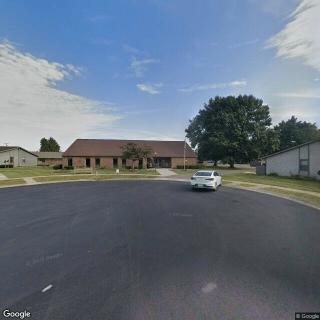
Alternatives to consider are warranted for families whose priorities extend beyond a small, cottage-style campus. If a loved one requires a broader slate of medical services, a larger campus with more on-site specialists, more extensive therapy programs, or a wider activity calendar is essential, a bigger facility may be a better fit. The small footprint, 20 residents in the nursing home and 11 in the assisted-living houses, means limited scale, which can translate into fewer simultaneous openings and a slower ramp-up for more complex care needs.
The strongest positives center on culture and care. Staff are consistently described as wonderful, caring, and resident-focused, with a palpable sense of community. The therapy team earns high praise, notably for flexibility and accommodation, and the admissions process is praised as supportive and upbeat. Housekeeping is repeatedly noted for cleanliness and a fresh atmosphere, while the kitchen staff demonstrate a willingness to customize meals to individual preferences, enhancing daily satisfaction. In short, the emotional and relational climate is a decisive strength, and that climate translates into tangible day-to-day benefits for residents.
However, the small size inherently carries trade-offs. The limited number of beds can mean tighter availability and potentially slower escalation of services if a resident’s acuity increases. While the care is deeply personal, families should be mindful that resources scale with the campus footprint, and there may be scenarios where the breadth of options found at larger facilities is not matched here. A lone critical voice exists in the broader ratings, suggesting that not every experience aligns perfectly with every family’s expectations; the overall pattern, though, is overwhelmingly positive.
When the pros are weighed against these constraints, the balance tilts strongly toward a highly favorable outcome for most families. The intimate environment fosters rapid responsiveness, continuous family-style communication, and a level of attention that tends to be hard to sustain in bigger buildings. Residents benefit from consistent, hands-on care, meaningful engagement from therapy and activities, and a sense that staff genuinely knows them. The small campus structure catalyzes a feeling of belonging and reduces impersonality, which often translates to improved mood and cooperation in daily routines.
Overall, Mount Vernon Health and Rehabilitation Center is a compelling choice for families prioritizing warmth, personalized attention, and a tight-knit community over a wider array of services or the amenities that come with larger campuses. Prospective movers should enter with clear questions about availability, the expected care plan given current needs, and the specific support structures in place for higher-acuity or transitioning residents. A thoughtful visit will confirm whether this small, heart-forward setting aligns with the loved one’s medical requirements, dexterity, and desired daily rhythm, or whether a larger, resource-rich alternative would better match those evolving needs.
 20 resident community capacity
 Skilled Nursing Facility
 Beauty salon
 Cable or satellite TV
 Dining room
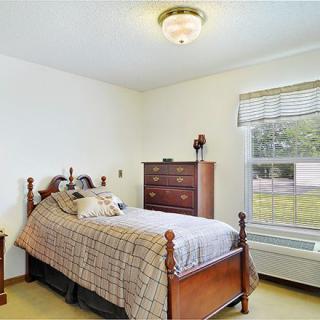
 Fully furnished
 Garden
 Housekeeping services
 Kitchenette
 Move-in coordination
 Outdoor space
 Telephone
 Wi-Fi/high-speed internet available
 24-hour call system
 Activities of daily living assistance
 Assistance with bathing
 Assistance with dressing
 Assistance with transfers
 Diabetes diet
 Meal preparation and service
 Medication management
 Mental wellness program
 Special dietary restrictions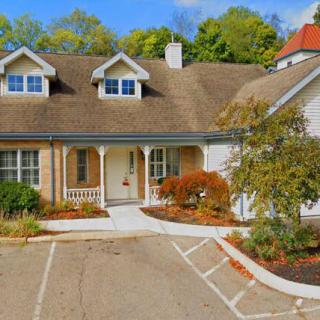




 Comprehensive Guide to Medicare Coverage for Hospice Care
 Caring for Those Who Care: Recognizing, Understanding, and Overcoming Caregiver Burnout
 Caregiver Exhaustion: Recognizing the Signs and Restoring Your Well-Being