
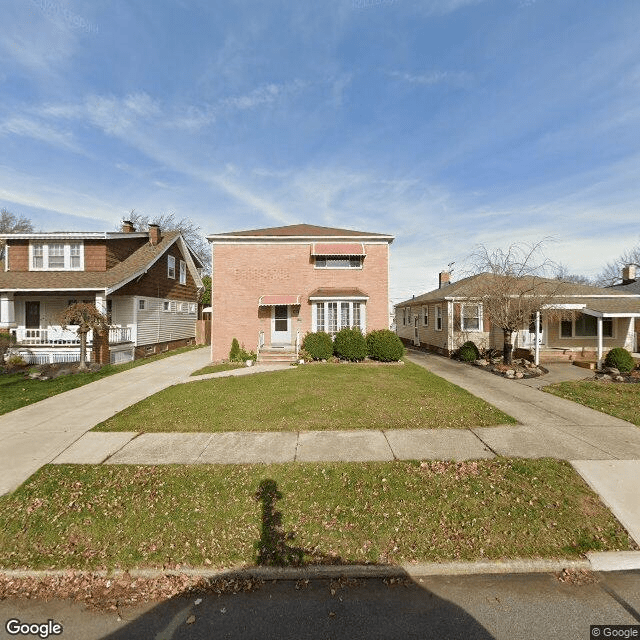
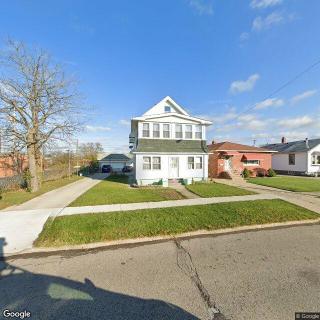
8008 Dresden Avenue, Parma, OH 44129
To contact a resident: (440) 843-2499
For more information about senior living options: (866) 208-4318
Rely's Adult Family Home Costs & Pricing
Rely's Adult Family Home offers competitive pricing for its residential services, with monthly costs significantly lower than both Cuyahoga County and the broader state of Ohio. For a semi-private room, Rely's charges $1,500, which is substantially less than the county average of $3,582 and the state average of $3,965. Similarly, their private rooms are priced at $2,500, compared to $4,004 in Cuyahoga County and $4,771 statewide. This pricing structure not only emphasizes Rely's commitment to affordability but also provides families seeking quality care options that are more accessible without compromising on service or comfort.
| Floor plans | Rely's Adult Family Home | Cuyahoga County | Ohio |
|---|---|---|---|
| Semi-Private | $1,500 | $3,582 | $3,965 |
| Private | $2,500 | $4,004 | $4,771 |
Senior living communities with a similar price nearby
-
About the same
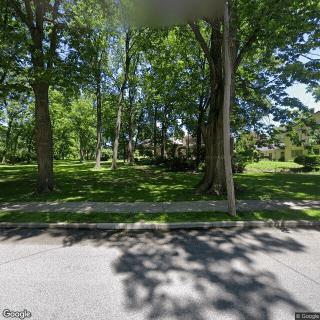
The Byrd's Nest
$1,500 to $1,800 / month10.2 miles away -
About the same

Hamlet at Chagrin Falls
$1,495 to $2,315 / month18.6 miles away -
About the same

Van Gorder Manor
$1,500 / month23.1 miles away -
from +$200 / mo
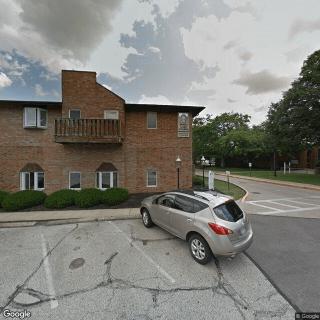
Generations Senior Living of Berea
$1,700 to $2,100 / month6.5 miles away -
from +$95 / mo
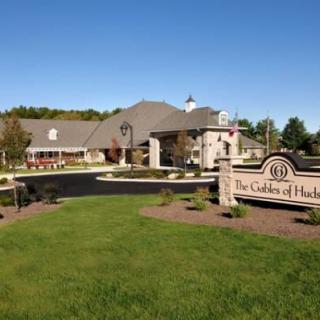
Hudson Grande Senior Living
$1,595 to $5,740 / month20.5 miles away
Overall Review of Rely's Adult Family Home
Pros
 The group home is described as the best in Cleveland.
- It offers a clean, family environment.
- Residents affectionately refer to the owner as "mama."
- The cooking is highly praised by residents.
Cons
 It is hard to find on maps.
- The location is difficult to locate because it sits right behind the church sign on the corner.
Review
Rely's Adult Family Home in Parma is best suited for seniors who crave a true home-like atmosphere, where daily life unfolds with the intimacy of a small, family-run setting. The appeal centers on cleanliness, a warm, family-oriented environment, and the sense that staff and residents share a genuine, personal connection. Residents reference the owner as “mama,” signaling a caregiving culture that feels attentive and personal rather than institutional. For individuals who value predictable routines, home-cooked meals, and neighbors who know their name, this community delivers in a way larger facilities often cannot.
Those weighing options should consider alternatives for anyone needing higher-level medical oversight or specialized memory care. The intimate scale of a small adult family home rarely matches the breadth of programs, on-site nursing support, or rehabilitative services found in bigger assisted living campuses. Families navigating complex medical regimens, frequent professional visits, or 24/7 nursing needs will likely find more reassurance in facilities explicitly designed for skilled care. Additionally, prospective residents who require robust, structured activity schedules or transportation options across a wider geographic area may prefer larger communities with built-in programming.
The strongest positives here, cleanliness, a true home environment, and the personal touch, form a strong foundation for daily comfort. The cooking draws praise, and the reputation for a caring, family-owned vibe translates into a feeling of safety and belonging. The owner’s role as a central caregiver figure helps residents settle in quickly and fosters steady, predictable routines. In a setting where relationships often define the care experience, these advantages are substantial: they translate into lower agitation, easier medication routines, and a sense of stability that matters as independence evolves.
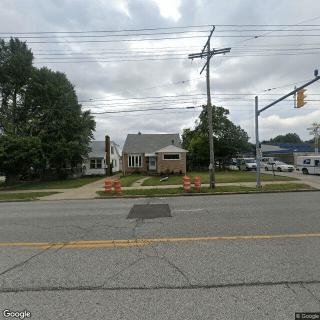
On the downside, the most conspicuous drawbacks stem from the inherent limits of a smaller operation. Navigation and visibility can be an issue, with one note that the home is “hard to find on maps,” possibly deterring first-time visitors or new family members. The location, described as tucked behind a church sign on a corner, adds a practical challenge that owners and families must proactively address with directions and alerts. More broadly, the small scale implies fewer formal amenities, potentially less diverse programming, and less immediate access to on-site clinical staff, which may matter for residents with evolving or escalating care needs.
Yet these cons do not wholly negate the value delivered by the home-like setting. The same intimate scale that can limit breadth also cultivates depth: staff become familiar with routines, preferences, and subtle changes in health, enabling rapid, personalized responses. The culinary standard remains a standout advantage, reinforcing a sense of normalcy and comfort at every meal. For a resident who thrives on a predictable day, values personal connections, and does not require constant medical oversight, the pros can outweigh the drawbacks by a comfortable margin.
In the end, this community serves best as a choice for families prioritizing warmth, simplicity, and personal attention over the wide-ranging services of a larger campus. Decision-makers should approach with a clear sense of resident needs: confirm whether 24/7 nursing, comprehensive memory-care programming, or extensive transportation are required, and compare these against the cost and lifestyle rewards of a home-like setting. Schedule a visit, verify staffing patterns and on-site capabilities, and ask for a transparent outline of what is included in the rate. If a senior wants to live with a “mama”-style caregiver environment, enjoy home-cooked meals, and maintain daily routines in a tight-knit community, Rely's Adult Family Home stands out. For those whose care needs extend beyond what a small family home can safely provide, alternatives in Parma or the greater Cleveland area with deeper clinical supports are the prudent path.
 Board and Care Home
 Private
 Cleveland-Hopkins International (6 miles away)
 Ambulatory care
 Meals provided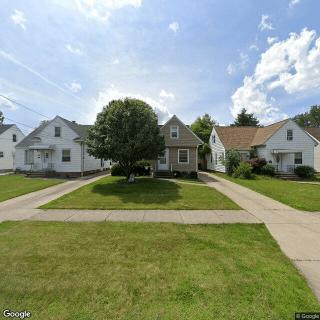


 Engaging Brain Games and Innovative Apps to Keep Senior Minds Active
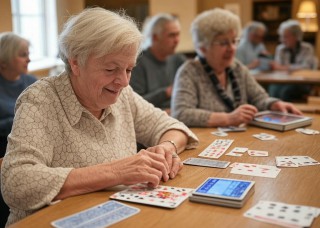 Effective Strategies for Keeping Seniors' Minds Active: A Deep Dive into Brain Games and Apps
 In-Depth Look at the VA Aid and Attendance Program