Lifecare Assisted Living Homes offers competitively priced options for seniors seeking assistance, with monthly costs for room types consistently lower than both Cuyahoga County and the broader state of Ohio. For example, both the one-bedroom and private rooms are available at $1,500 per month, significantly undercutting the county's average of $3,410 and $4,004 respectively. Even in the semi-private room category, Lifecare maintains this trend with a monthly fee of $1,500 compared to Cuyahoga County's $3,582. This pricing structure not only emphasizes Lifecare's commitment to affordability but also positions it as a compelling choice for families looking for quality care without excessive financial burden.
Floor plans
Lifecare Assisted Living Homes
Cuyahoga County
Ohio
1 Bedroom
$1,500
$3,410
$3,712
Private
$1,500
$4,004
$4,771
Semi-Private
$1,500
$3,582
$3,965
Memory care communities with a similar price nearby
Residents and families repeatedly describe staff as caring, attentive, and responsive.
Across many reviews, families say the team is warm and supportive, and that staff treat residents with respect. Multiple reviewers also describe staff as professional and willing to accommodate questions or requests, including during difficult transitions. In care settings like dementia and rehabilitation, reviewers specifically point to staff checking on safety needs and staying considerate to both residents and family members.
caveat14 reviews mention this
Cleanliness receives mixed feedback
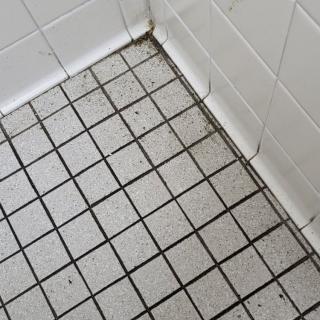
Cleanliness is praised often, but a few reviews report serious bug issues.
Many reviewers mention the facility looks well-kept, smells good, and feels clean. Several also tie a positive experience to a tidy environment and housekeeping support. However, a small number of reviews explicitly describe the facility as dirty and report pests such as bed bugs or roaches, which is a serious break from the otherwise positive cleanliness comments.
common4 reviews mention this
Activities keep residents engaged
Residents are described as staying engaged through regular activities.
Several reviews mention fun activities, including events with residents and families. One reviewer credits an activities staff member with keeping residents engaged, while others describe holiday events that residents enjoyed. Even when staffing pressure is mentioned, reviewers still describe activities as continuing and residents as participating.
common7 reviews mention this
Rehab and therapy support
Reviews frequently highlight therapy and rehab as a major part of the experience.
A number of reviewers describe the therapy team as helpful and the rehab process as supportive, including for physical recovery goals. Some specifically mention that therapy is delivered consistently and that the staff works with residents to overcome mobility and other physical challenges. Families also describe strong coordination around rehabilitation, including attention from therapists and social workers during complex medical situations.
How we summarize
Counts show how many written reviews mention each theme; a review can touch several themes, and only frequently mentioned themes are displayed.
Features
Types of Care
Board and Care Home
Memory Care
Amenities
Private
Transportation
Cleveland-Hopkins International (7 miles away)
Care Services
Ambulatory care
Diabetic care
Incontinence care
Medication management
Nearby Places of Interest
Located in Parma, Ohio, this neighborhood offers convenient access to a variety of amenities and services that cater to seniors. With multiple pharmacies such as Rite Aid, CVS Pharmacy, and Walgreens nearby, residents can easily fill their prescriptions and access healthcare necessities. There are also several cafes like Metropolitan Coffee and Starbucks for relaxing outings with friends or family. For dining options, there are fast-food choices like McDonald's and Chick-Fil-A, as well as sit-down restaurants such as Gyro Guys and Winking Lizard Tavern. Outdoor enthusiasts will appreciate the proximity to parks like Primate Playground and Cleveland Metroparks - Big Creek Reservation for leisurely walks or picnics. In terms of healthcare, there are hospitals like Cleveland Clinic - Lutheran Hospital and St Vincent Charity Medical Center within a short drive. Additionally, there are transportation options available with the nearby Cleveland-Hopkins International Airport and Greyhound Station for easy travel. Overall, this neighborhood provides a well-rounded living environment for seniors looking for convenience and accessibility in Parma, Ohio.
Pharmacies
Rite Aid (0.3 miles)
Marc's Stores (0.9 miles)
CVS Pharmacy (1 miles)
Walgreens (1.3 miles)
CVS Pharmacy (1.3 miles)
Marc's Stores (1.8 miles)
Walgreens (2 miles)
Cafes
Metropolitan Coffee (1.3 miles)
Starbucks (1.7 miles)
Starbucks (3.5 miles)
Starbucks (3.6 miles)
Ready Set Roasters (5.2 miles)
Rising Star Coffee Roasters (5.5 miles)
Lekko Coffee (5.6 miles)
Restaurants
McDonald's (1.7 miles)
Gyro Guys (1.9 miles)
Chick-Fil-A (2.3 miles)
Winking Lizard Tavern (3.4 miles)
Kosta & Vics Restauran (4.8 miles)
Mason's Creamery (4.9 miles)
Restaurant Depot (4.9 miles)
Parks
Primate Playground (2.4 miles)
Cleveland Metroparks - Big Creek Reservation (2.5 miles)
James Day Park (4.4 miles)
Edgewater Park (5.8 miles)
Wendy Moore Memorial Park (6 miles)
The Cleveland Mall (6.4 miles)
Surrarrer Park (6.6 miles)
Hospitals
Trauma ICU (3.6 miles)
Cleveland Clinic - Lutheran Hospital (5.3 miles)
St Vincent Charity Medical Center (6.3 miles)
CCF Fairview Hospital (6.5 miles)
Cleveland Clinic - Fairview Hospital (6.5 miles)
Physicians
Cuyahoga County Board of Health (3.7 miles)
Ent Allergy Health (5.8 miles)
Places of Worship
St. Rocco's Church (3.9 miles)
St Ignatius of Antioch Church (4.5 miles)
Theaters
Cinemark At Valley View And Xd (4.5 miles)
Transportation
Cleveland-Hopkins International Airport (CLE) (6.4 miles)
Lifecare Assisted Living Homes offers competitively priced options for seniors seeking assistance, with monthly costs for room types consistently lower than both Cuyahoga County and the broader state of Ohio. For example, both the one-bedroom and private rooms are available at $1,500 per month, significantly undercutting the county's average of $3,410 and $4,004 respectively. Even in the semi-private room category, Lifecare maintains this trend with a monthly fee of $1,500 compared to Cuyahoga County's $3,582. This pricing structure not only emphasizes Lifecare's commitment to affordability but also positions it as a compelling choice for families looking for quality care without excessive financial burden.
Lifecare Assisted Living Homes prioritizes the well-being of residents with memory care needs through effective medication management and incontinence care. Medication management ensures that residents receive their prescribed medications on time and in appropriate dosages, which is critical for managing symptoms of dementia and Alzheimer's disease. By closely monitoring adherence to medication schedules, staff can help prevent unnecessary complications and support cognitive function. Similarly, incontinence care provides dignity and comfort for residents who may struggle with this common issue associated with progressive cognitive decline. With a compassionate approach to personal hygiene and regular assistance, the facility fosters a supportive environment that alleviates anxiety around incontinence, allowing residents to focus on engagement and meaningful interactions while preserving their independence as much as possible.
Nearby Communities
Maria's All Heart Adult Care
Parma, OH
4.9 from 15 reviews
$2,000 to $3,000 / month
Affordability: pricing is lower than county/state averages for semi-private and private rooms.
Broadview Multi Care Center
Parma, OH
3.4 from 136 reviews
Clean rooms and caring staff, with rehab therapy praised.
Broadview Nursing Home Inc
Cleveland, OH
4 from 2 reviews
Strong physical therapy and compassionate staff supporting recovery.
Parma Care Center
Parma, OH
4.2 from 104 reviews
Attentive staff and engaging activities.
Harris Homecare, LLC
Parma, OH
4.8 from 77 reviews
Compassionate, reliable caregivers with strong communication.
Seven Hills Health & Rehab Center
Seven Hills, OH
4 from 121 reviews
Accessible coordinator and friendly, responsive staff with engaging activities.
Vitalia Rockside
Seven Hills, OH
4.3 from 99 reviews
$2,470 to $4,145 / month
Friendly staff, engaging activities, clean facilities, and good dining/value.
Independence Place I & II
Cleveland, OH
4.4 from 64 reviews
Spacious layouts with balcony and in-unit amenities; very clean.
Park Creek Center
Cleveland, OH
3.5 from 26 reviews
Caring staff in a clean, home-like environment with engaging activities.
Choosing between assisted living and nursing homes involves evaluating emotional and financial factors, with assisted living offering independence and support for daily activities at a lower cost, while nursing homes provide intensive medical care for individuals with significant health needs. The decision is influenced by personal preferences, health status, cognitive function, and varying Medicaid coverage across states.
The article presents eight strategies for preserving cognitive health and memory in older adults, emphasizing a nutrient-rich diet, regular exercise, intellectually stimulating activities, adequate sleep, social connections, stress management techniques, limiting harmful substances, and regular medical checkups to mitigate age-related memory decline.
Activities of Daily Living (ADLs) are fundamental tasks vital for an individual's independence, particularly in older adults over 85, and include functions like bathing and dressing; assessing ADLs alongside Instrumental Activities of Daily Living (IADLs) helps determine the level of required assistance due to age-related health challenges. Tailored support plans, involving family and community resources, are essential for maintaining dignity and autonomy in assisted living environments.
Get PricingAsk A QuestionSchedule A TourContact Senior Advisor
By clicking submit, you agree to our Partner's Terms of Use. You
also consent to receive calls and texts, which may be autodialed, from our Partner. Your consent is not a condition to
using our Partner's service. Please visit our Partner's Privacy Policy for information about their privacy practices.


 Board and Care Home
 Memory Care
 Private
 Cleveland-Hopkins International (7 miles away)
 Ambulatory care
 Diabetic care
 Incontinence care
 Medication management
 Affordability: pricing is lower than county/state averages for semi-private and private rooms.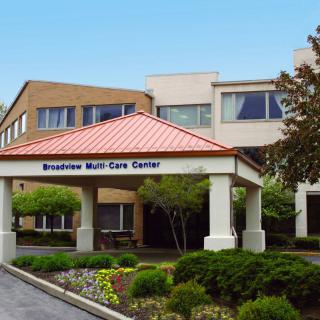
 Choosing the Right Senior Care: A Detailed Exploration of Assisted Living and Nursing Homes
 Safeguarding Your Memory Through the Golden Years: Eight Ways to Preserve Cognitive Health
 Comprehensive Insights into Activities of Daily Living (ADLs) and Their Assessment