
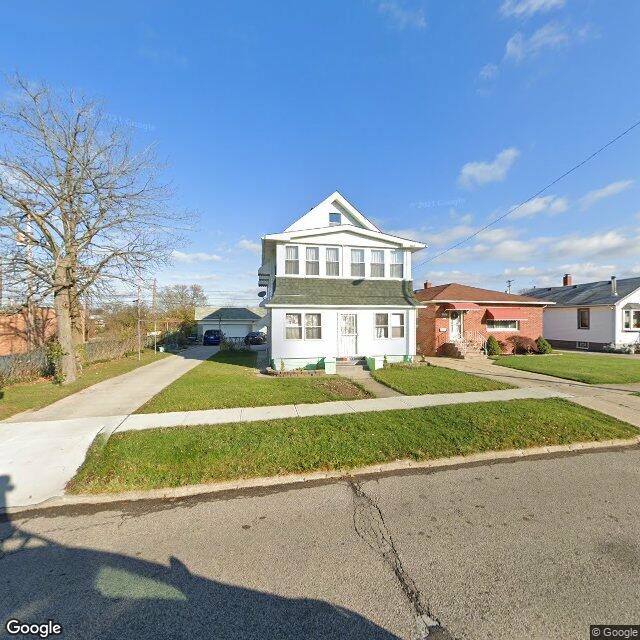
3434 Wellington Ave, Parma, OH 44134
To contact a resident: (440) 221-8669
For more information about senior living options: (866) 208-4318
Maria's All Heart Adult Care Costs & Pricing
Maria's All Heart Adult Care offers competitive pricing for its services compared to the broader market in Cuyahoga County and the state of Ohio. For semi-private rooms, Maria's facility charges $2,000 per month, significantly lower than the county average of $3,582 and the state average of $3,965. Similarly, for private rooms, the cost at Maria's is set at $3,000 monthly, which also presents a more affordable option compared to Cuyahoga County's average of $4,004 and Ohio's average of $4,771. This pricing structure not only highlights Maria's commitment to providing quality care at accessible rates but also positions it as a viable choice for families seeking adult care options in a competitive landscape.
| Floor plans | Maria's All Heart Adult Care | Cuyahoga County | Ohio |
|---|---|---|---|
| Semi-Private | $2,000 | $3,582 | $3,965 |
| Private | $3,000 | $4,004 | $4,771 |
Senior living communities with a similar price nearby
-
About the same
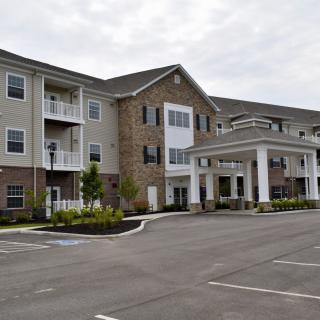
Springwood Hudson
$1,975 to $3,000 / month15.9 miles away -
from +$355 / mo

Vitalia Active Adult Community North Olmsted
$2,355 to $4,800 / month10.9 miles away -
from +$100 / mo

Royalton Woods
$2,100 to $2,300 / month6.0 miles away -
from +$219 / mo
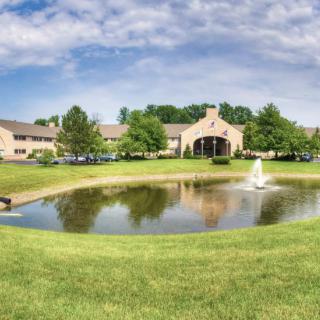
The Abbewood Senior Living Community
$2,219 to $3,718 / month19.3 miles away -
from +$100 / mo

Milestones Adult Group Home
$2,100 to $2,400 / month19.9 miles away
Overall Review of Maria's All Heart Adult Care
Pros
 Best group home in Cleveland.
- Clean, family environment.
- Residents refer to the owner as mama.
- They rave about the cooking.
Cons
 It is hard to find on maps.
Review
Maria’s All Heart Adult Care in Parma, OH is best suited for families seeking a small, intimate, home-like setting where a loved one can receive attentive, personalized care from someone who runs the house like a family. This community excels for seniors who value warmth, predictability, and daily routines that feel more like a well-loved home than a formal facility. The residents’ sense of belonging is palpable, with the owner revered as “mama” and everyday life framed around close relationships, comforting meals, and a quiet, neighborly pace rather than a high-traffic campus environment.
A core strength is the cleanliness and the family atmosphere that permeates the space. The owner’s hands-on approach translates into visible attentiveness, and residents clearly respond to that level of familiarity and care. The kitchen is repeatedly praised, signaling not just good taste but consistent, home-cooked nutrition that can be particularly important for appetite and mood in aging adults. The combination of a tidy, welcoming setting and a tight-knit, caregiver-led culture can deliver reassurance to families who fear impersonal care in larger, impersonal campuses.
Yet, the operation’s size and structure imply notable tradeoffs. Being described as a “group home” points to a smaller staff footprint and potentially fewer formal medical or rehabilitative services on-site. A practical caveat is the location itself, hard to locate on maps and tucked behind a church sign, which can complicate visits or first impressions for new families and their referring physicians. The absence of explicit references to on-site nursing, therapy, or memory-care programming means arrangements may lean toward basic assistance and companionship rather than comprehensive clinical oversight.
Those pros – the intimate setting, rapid staff responsiveness, and consistent, comforting meals – offset several downsides for families prioritizing emotional comfort and straightforward daily care. The personal attention and the sense that staff genuinely know each resident’s routines, preferences, and triggers can produce a more stable daily life than a larger, more bureaucratic facility might offer. Cleanliness and a home-like ambiance reduce anxiety about safety and hygiene, while the home-cooked meals bolster nutrition, appetite, and mood, which often matter more in practice than the presence of a formal activity calendar.
However, families should actively consider alternatives if the care needs extend beyond companionship and basic daily living support. For seniors requiring 24/7 clinical supervision, complex medication management, or on-site therapies, a larger assisted living community or a facility with dedicated nursing staff and structured rehabilitation may be more appropriate. Those seeking robust memory-care programming, transportation services, or a broader slate of daily activities and outings should compare options that emphasize scale and formal programming. Visibility and access may also drive a decision toward facilities with more straightforward, well-marked locations.
Bottom line: Maria’s All Heart Adult Care earns a strong endorsement for families who prize a warm, home-like setting where residents feel known, meals resemble home cooking, and care is delivered with a personal touch. The 4.5 rating across four reviews reflects solid satisfaction and reliability in everyday life. For loved ones who thrive on intimate supervision, predictable routines, and a nurturing environment, this community delivers meaningful value that can justify a choice toward a smaller, caregiver-led model. For those whose priorities include extensive medical services, memory-care specialization, or high-volume activity programming, it is prudent to explore alternatives that offer greater clinical capacity and a more conventional facility footprint.
 Board and Care Home
 Activities off-site
 Air-conditioning
 Bath tubs
 Indoor common areas
 Outdoor common areas
 Private
 Cleveland-Hopkins International (7 miles away)
 Ambulatory care
 Incontinence care
 Kosher





 Home Health Care Aides: Understanding Their Role and Supporting Your Family
 Urinary Tract Infections in Older Adults: Comprehensive Insights on Symptoms, Treatment, and Prevention
 California's Form 602A: An In-Depth Examination of Senior Care Assessment