
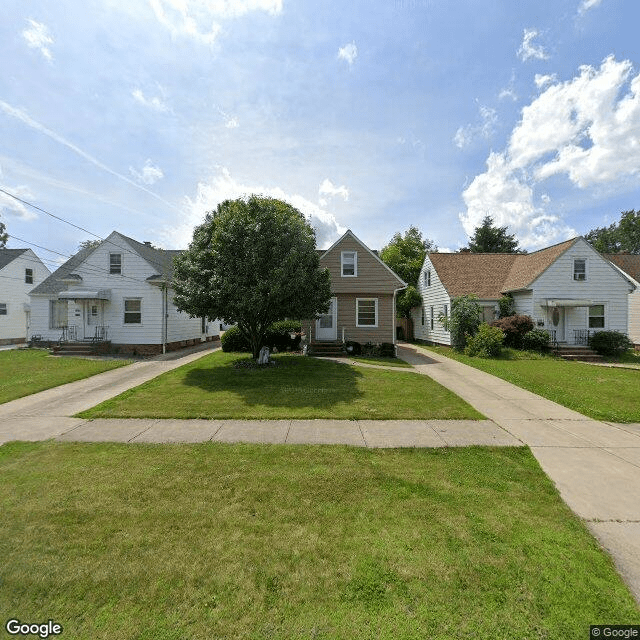
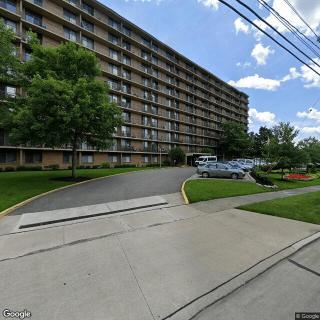
6370 Westminster Drive, Parma, OH 44129
To contact a resident: (440) 521-8725
For more information about senior living options: (866) 208-4318
Lifecare Assisted Living Homes II Costs & Pricing
Lifecare Assisted Living Homes II offers competitive pricing for its services, with monthly room costs significantly lower than both Cuyahoga County and the broader state of Ohio. For instance, the monthly rate for a one-bedroom unit is $1,500, which contrasts sharply with the county average of $3,410 and the state average of $3,712. This trend continues across other room types as well; private rooms are priced at $1,500 while the county averages $4,004 and Ohio's average stands at $4,771. Similarly, semi-private rooms at Lifecare are also available for $1,500 compared to Cuyahoga County's average of $3,582 and Ohio's average of $3,965. Such pricing positions Lifecare Assisted Living Homes II as an attractive option for families seeking quality care without the financial strain often associated with assisted living facilities.
| Floor plans | Lifecare Assisted Living Homes II | Cuyahoga County | Ohio |
|---|---|---|---|
| 1 Bedroom | $1,500 | $3,410 | $3,712 |
| Private | $1,500 | $4,004 | $4,771 |
| Semi-Private | $1,500 | $3,582 | $3,965 |
Memory care communities with a similar price nearby
-
About the same

Hamlet at Chagrin Falls
$1,495 to $2,315 / month19.0 miles away -
from +$95 / mo

Hudson Grande Senior Living
$1,595 to $5,740 / month20.0 miles away -
from +$239 / mo
Fairmont of Westlake
$1,739 to $2,677 / month10.4 miles away -
About the same
Lifecare Assisted Living Homes
$1,500 / month2.2 miles away -
from +$200 / mo
Kareema Darby Memorial Home
$1,700 / month12.0 miles away
Overall Review of Lifecare Assisted Living Homes II
Pros
 The place is welcoming, nice, and the staff are super friendly.
- They would recommend this facility to anyone needing a new home and care.
- The facility is super clean and safe, with easy access to all shopping needs.
- The staff take good care of loved ones.
- The staff and rooms are top notch.
- The facility is a great adult care center.
- The location is great.
Review
Lifecare Assisted Living Homes II in Parma is best suited for seniors who want an intimate, home-like environment where daily care is paired with a welcoming, steady staff and a calm, clean setting. The community appeals to families prioritizing safety, personal attention, and straightforward care in a location that offers convenient access to shopping and errands. It works particularly well for residents who are pursuing social interaction, light assistance with daily tasks, and reliable day-to-day support, without requiring high-acuity medical services or extensive memory-care programming.
Those evaluating alternatives should consider options that cater to higher medical complexity or specialized memory-care needs, larger-scale activities, or more expansive clinical staffing. If a loved one requires intensive rehabilitation, in-depth memory-care supports, or a broader array of on-site services, other communities, especially bigger operators with dedicated memory-care wings or hospital partnerships, may be a better match. Additionally, if the family’s decision hinges on a broader or more diverse activity calendar, or on more aggressive price/value transparency, it is prudent to compare several nearby options before deciding.
The strongest positives in Lifecare II center on cleanliness, warmth, and perceived safety. The facilities’ upkeep is described as exceptionally high, with careful attention paid to making residents feel comfortable and secure. Staff come across as consistently kind and approachable, capable of addressing questions and guiding families through care choices. Residents benefit from a welcoming atmosphere where staff engagement translates into predictable, everyday support, contributing to a sense of trust and familiarity that can ease transitions for new residents and their families. The rooms themselves are noted to be of high quality, reinforcing a perception of comfortable, dignified living.
These strengths offset potential gaps by aligning with what many families value most in assisted living: a stable, low-stress daily experience. When care feels personal and staff are readily available, families gain confidence that a loved one will receive attentive companionship, timely assistance, and a predictable routine. The convenient location near shopping and services adds another layer of practicality, reducing the burden of transportation and enabling residents to maintain independence in small, meaningful ways. In short, the core advantages create a solid foundation for ongoing peace of mind, particularly for seniors who thrive in a small-scale, neighborly setting.
Nonetheless, a prudent decision-maker will verify a few practical details before committing. Prospective families should inquire about staffing ratios during peak hours, the availability of specialized medical or therapeutic services on-site, and whether any memory-care options exist within the same facility or network. It is wise to request current activity calendars, meal plans, and opportunities for resident engagement so that the day-to-day rhythm matches expectations. Because the volume of published reviews is limited, supporting references and a first-hand tour remain essential to confirm whether the glowing impressions hold after someone else moves in.
In the end, Lifecare Assisted Living Homes II stands out for those who prize a clean, safe, and welcoming environment backed by friendly, responsive staff and well-maintained living spaces. For families seeking a low-key, service-oriented setting with easy access to everyday conveniences, the community offers a compelling fit. It is less suited for those needing advanced clinical intensity or expansive, specialized programming unless other nearby options fill those gaps. A deliberate plan, guided tours, direct conversations with caregiving staff, and side-by-side comparisons with alternatives, will reveal whether Lifecare II fulfills the unique balance of comfort, care, and value that each family must achieve.
 Board and Care Home
 Memory Care
 Private
 Cleveland-Hopkins International (6 miles away)
 Ambulatory care
 Diabetic care
 Incontinence care
 Medication management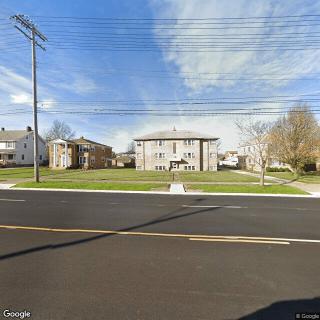



 Delirium and Dementia: Unraveling the Key Differences
 Are Dementia and Alzheimer's Disease Lethal? A Comprehensive Exploration
 Exploring the Power of Reminiscence Therapy for Individuals With Dementia