Ohio Living Rockynol offers competitive pricing for its living accommodations, particularly when compared to both Summit County and the broader state of Ohio. For a one-bedroom unit, residents pay $2,295 per month, which significantly undercuts the county's average of $3,849 and the state's average of $3,712. The two-bedroom option is priced at $3,060 - again lower than Summit County's average of $4,103 and slightly above Ohio's average of $3,501. Meanwhile, the studio apartments are available for $4,170 per month; this figure exceeds both the county's average of $4,012 and the state average of $3,727. Overall, Ohio Living Rockynol presents a valuable opportunity for prospective residents seeking quality living arrangements with cost-effective options that stand out in their local market.
Floor plans
Ohio Living Rockynol
Summit County
Ohio
1 Bedroom
$2,295
$3,849
$3,712
2 Bedrooms
$3,060
$4,103
$3,501
Studio
$4,170
$4,012
$3,727
Assisted Living communities with a similar price nearby
Residents and families frequently describe the staff as kind, helpful, and supportive.
Across many reviews, families and residents say staff members are friendly and go out of their way to help. Multiple people describe support with day-to-day needs, coordination with family logistics, and responsiveness when planning care. A few reviews are sharply negative about staff attitudes and professionalism, but positive experiences come through consistently enough that the overall tone in reviews is still centered on caring help.
common10 reviews mention this
Cleanliness is repeatedly mentioned
Clean, comfortable spaces come up frequently in reviews.
Several reviews highlight cleanliness and an environment that feels well-kept and organized. Some people also mention the facility feeling therapeutic or not “hospital-like.” At the same time, a smaller set of reviews report problems with cleaning quality, including missing or mishandled personal belongings and superficial housekeeping.
common14 reviews mention this
Meals get praise and complaints
Dining is a common discussion, with both strong praise and specific complaints.
Many residents and families say meals are good, delicious, or offered with enough variety to keep people engaged. Reviews also mention staff working to make sure residents enjoy their meals. Other reviews raise issues like meals being late or cold, sodium concerns, and limited alternatives for preferred foods.
common13 reviews mention this
Activities and outings help residents
Reviews frequently describe activities, trips, and community events.
A recurring theme is that residents have things to do, including scheduled activities, fitness efforts, religious services, and regular social events. Several people also mention outings and transportation for errands and appointments. A few reviews note that access to activities can depend on which building or unit a person is in, but overall reviews tend to describe engagement as part of daily life.
caveat12 reviews mention this
Care responsiveness is a concern
Some reviews describe long waits, missed needs, or inconsistent follow-through.
Several negative reviews focus on delays in getting help after call lights are pressed, including long waits for bathroom assistance and medication. Other complaints describe issues like falls with delayed reporting, missing items, or confusion around how care needs are handled. A number of other reviews describe excellent care and rehabilitation support, so the quality appears to vary by experience and unit.
differentiator3 reviews mention this
Memory care is available on site
The community supports higher-acuity needs including memory care.
Reviews mention Alzheimer’s-related support, including a floor described as suited for memory care needs and moves into comfort care without leaving the building. The property also offers multiple care levels, which aligns with those descriptions. Still, some reviews raise general staffing and communication concerns, so memory-care experiences seem tied to day-to-day care execution.
caveat4 reviews mention this
Pricing can feel steep
A subset of reviewers say costs rose or care value did not match pricing.
Some reviews complain that pricing increased over time while quality declined, including concerns about extra charges and costly repairs. Others express worry about private-pay affordability and what happens if money runs out. There are also reviews that praise the overall value and care outcomes, but cost dissatisfaction comes up often enough to be a clear caveat for prospective residents.
How we summarize
Counts show how many written reviews mention each theme; a review can touch several themes, and only frequently mentioned themes are displayed.
Features
Housing
125 resident community capacity
1-bedroom apartments
2-bedroom apartments
3-bedroom apartments
Studio apartments
Types of Care
Assisted Living
Continuing Care Retirement Community (CCRC)
Independent Living
Memory Care
Skilled Nursing Facility
Pets
Cats allowed
Dogs allowed
Amenities
Activities off-site
Activities on-site
Air-conditioning
Bath tubs
Beautician on-site
Beauty salon
Cable or satellite TV
Computer center
Devotional services off-site
Devotional services on-site
Dining room
Fitness room
Full kitchen
Fully furnished
Gaming room
Garden
Ground floor units
Guasts at mealtime
Handicap accessible
Housekeeping services
Indoor common areas
Kitchenette
Laundry
Move-in coordination
Outdoor common areas
Outdoor space
Overnight guests
Party space
Private bathrooms
Resident parking
Respite or short term stays offered
Restaurant-style dining
Small library
Swimming pool
Telephone
Wellness center
Wheelchair accessible showers
Wi-Fi/high-speed internet available
Transportation
Akron-Canton Regional (14 miles away)
Community operated transportation
Transportation & parking
Transportation arrangement
Transportation arrangement (non-medical)
Care Services
24-hour call system
24-hour supervision
Activities of daily living assistance
Ambulatory care
Assistance with bathing
Assistance with dressing
Assistance with transfers
Diabetes diet
Diabetic care
Incontinence care
Meal preparation and service
Medication management
Personal care assistants
Physical therapy
Special dietary restrictions
Dining
Diabetes diet
Gluten-free
Guest meals
Low / no sodium
Meals provided
No Sugar
Professional chef
Restaurant style dining
Special dietary restrictions
Special dining programs
Vegetarian
Activities
Activities off-site
Art classes
Catholic services
Community-sponsored activities
Concierge services
Day trips and outings
Devotional activities offsite
Devotional activities on-site
Educational speakers / life long learning
Fitness programs
Happy hour
Live dance or theater performances
Live musical performances
Live well programs
Planned day trips
Protestant services
Religious services
Resident-run activities
Scheduled daily activities
Languages Spoken
English
Nearby Places of Interest
This part of Akron, Ohio offers a convenient and diverse range of amenities for seniors. With several pharmacies, cafes, restaurants, physicians' offices, hospitals, parks, theaters, and places of worship within a few miles radius, residents have easy access to essential services and recreational opportunities. The proximity of reputable healthcare providers like the Akron Children's Hospital and Summa Akron City Hospital ensures quality medical care. Additionally, the presence of parks such as Summit Lake Park provides opportunities for outdoor activities and relaxation. Overall, this neighborhood provides a well-rounded environment for seniors looking for convenience and quality living in Akron.
Ohio Living Rockynol offers competitive pricing for its living accommodations, particularly when compared to both Summit County and the broader state of Ohio. For a one-bedroom unit, residents pay $2,295 per month, which significantly undercuts the county's average of $3,849 and the state's average of $3,712. The two-bedroom option is priced at $3,060 - again lower than Summit County's average of $4,103 and slightly above Ohio's average of $3,501. Meanwhile, the studio apartments are available for $4,170 per month; this figure exceeds both the county's average of $4,012 and the state average of $3,727. Overall, Ohio Living Rockynol presents a valuable opportunity for prospective residents seeking quality living arrangements with cost-effective options that stand out in their local market.
Ohio Living Rockynol's range of features is specifically designed to enhance the quality of life for residents experiencing dementia or Alzheimer's. The 24-hour supervision ensures that residents are always monitored, providing a sense of security and immediate support when needed. Assistance with activities of daily living--including bathing, dressing, and transfers--promotes independence while ensuring safety and comfort during personal care tasks that can become challenging as cognitive abilities decline. Incontinence care is sensitive to the dignity of residents, helping them maintain personal hygiene without embarrassment. Meal preparation and service cater to nutritional needs and preferences, crucial for overall health. Medication management helps prevent complications arising from missed doses or incorrect medications, while physical therapy encourages mobility and promotes physical well-being through tailored exercise regimens. Together, these features create a comprehensive approach to memory care that prioritizes both physical health and emotional support for individuals living with cognitive impairments.
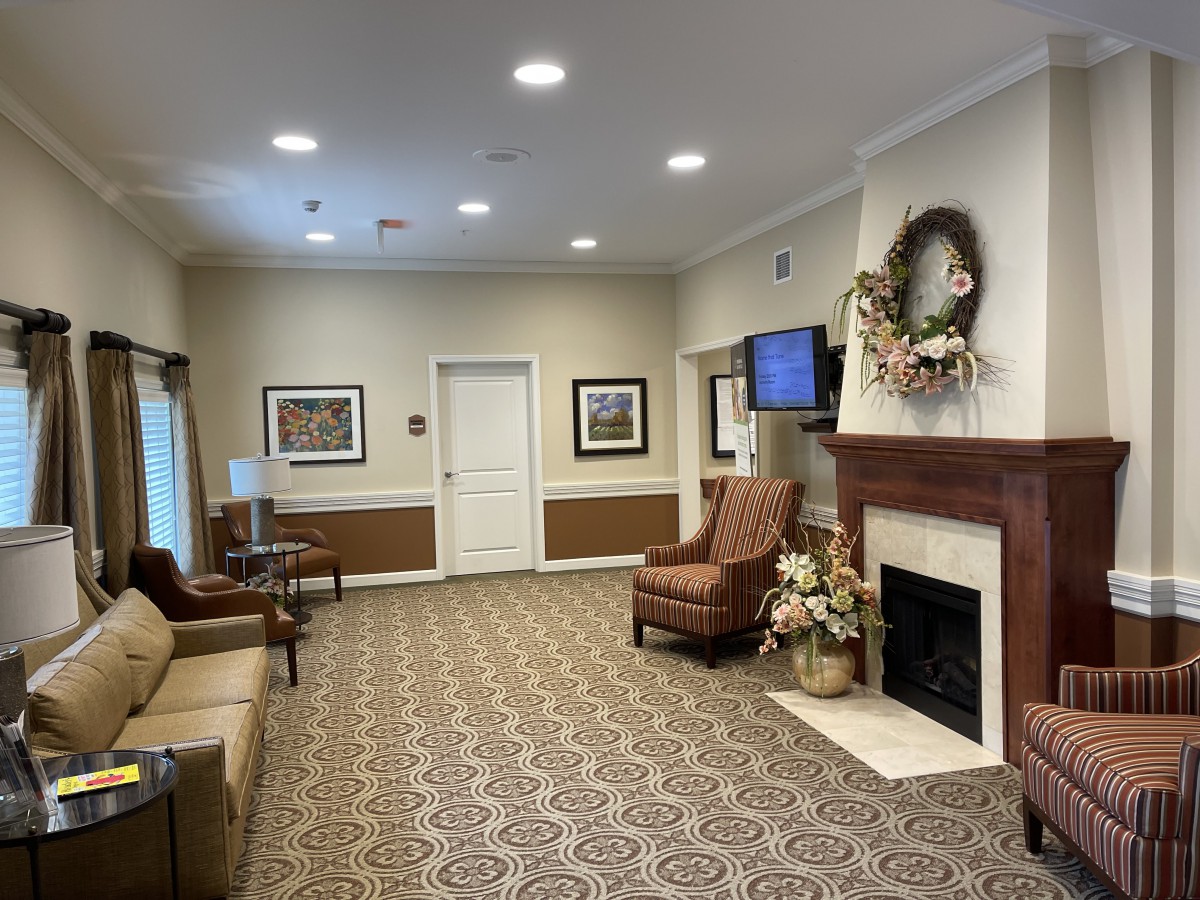
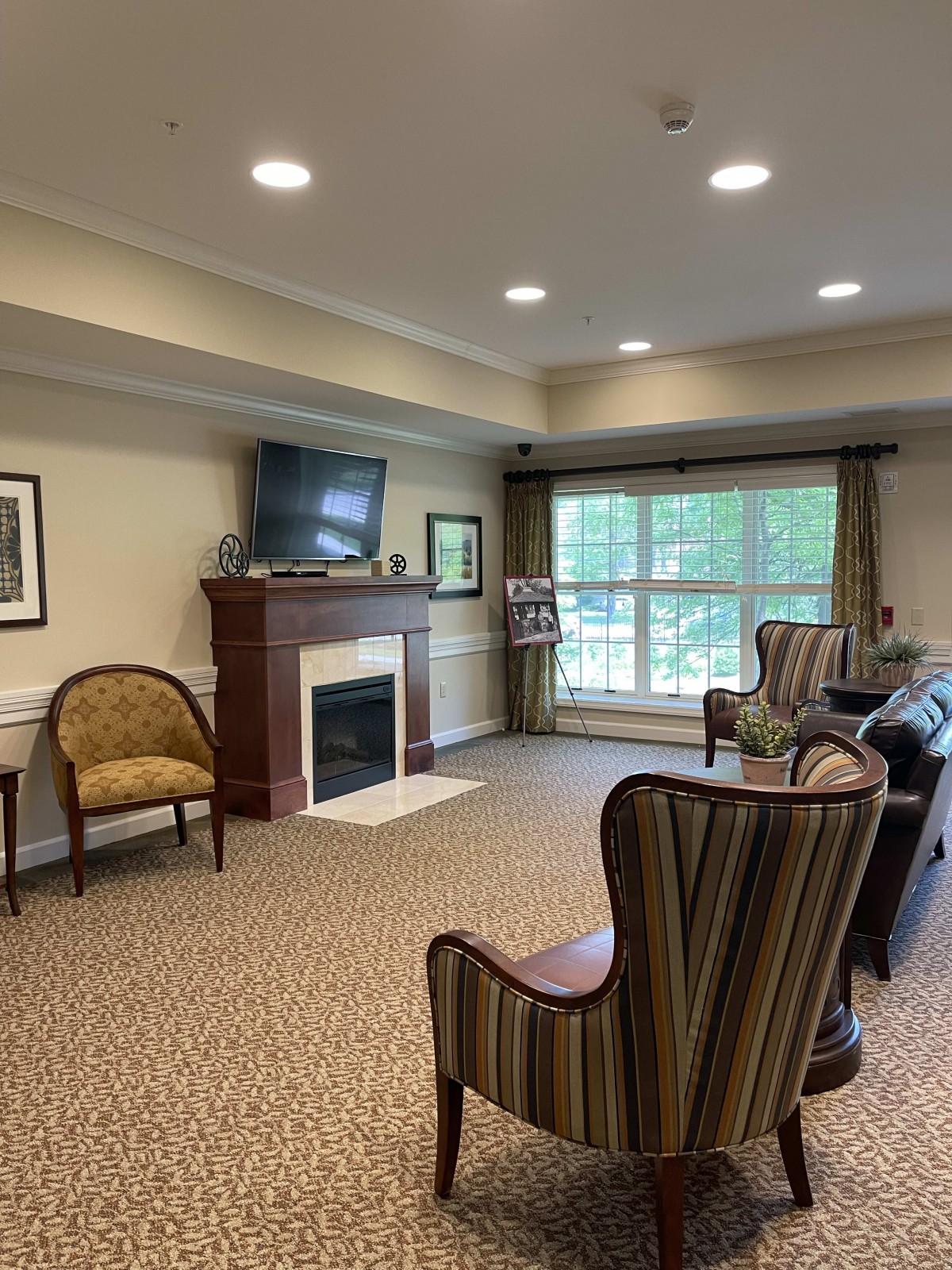
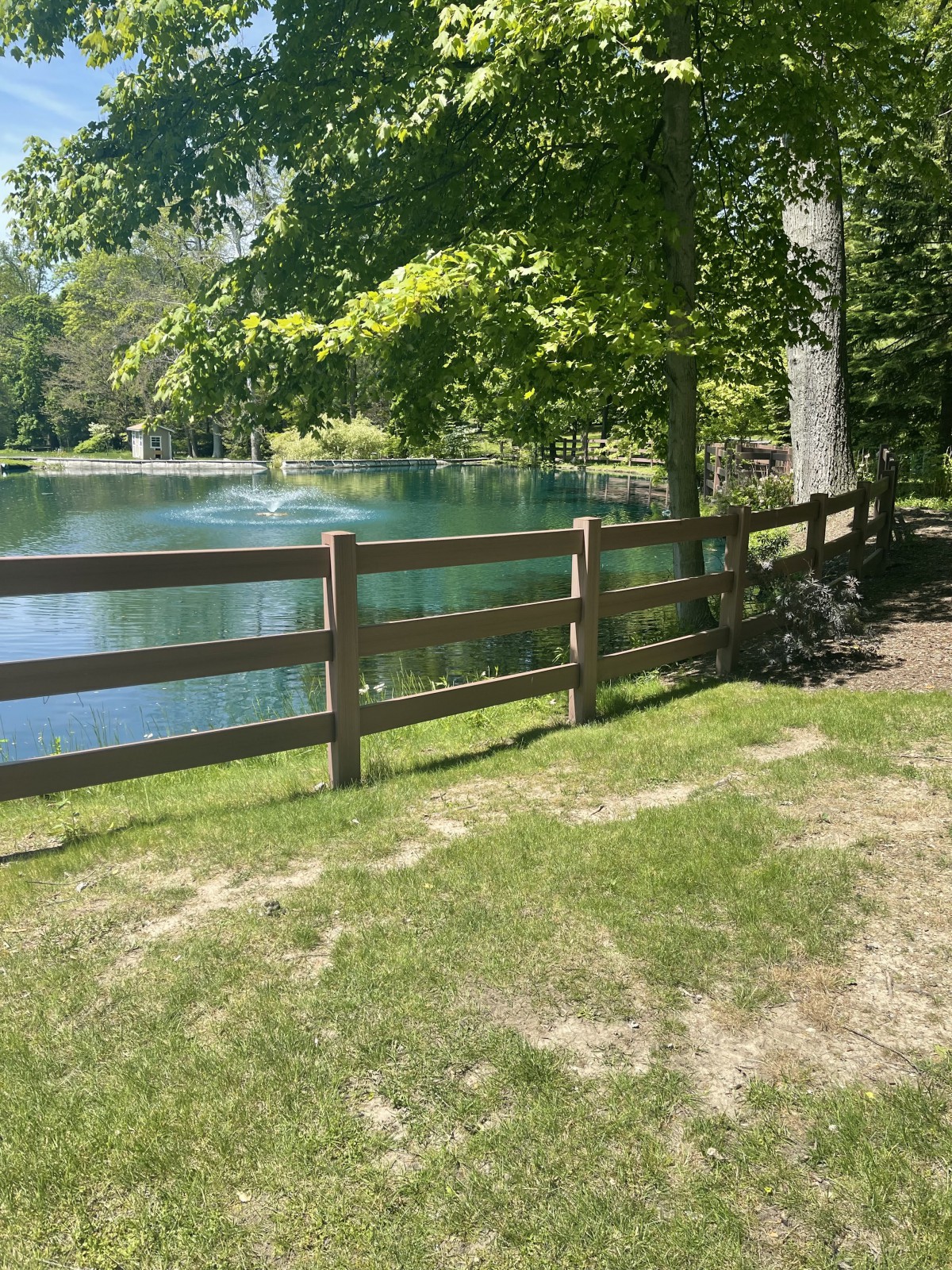
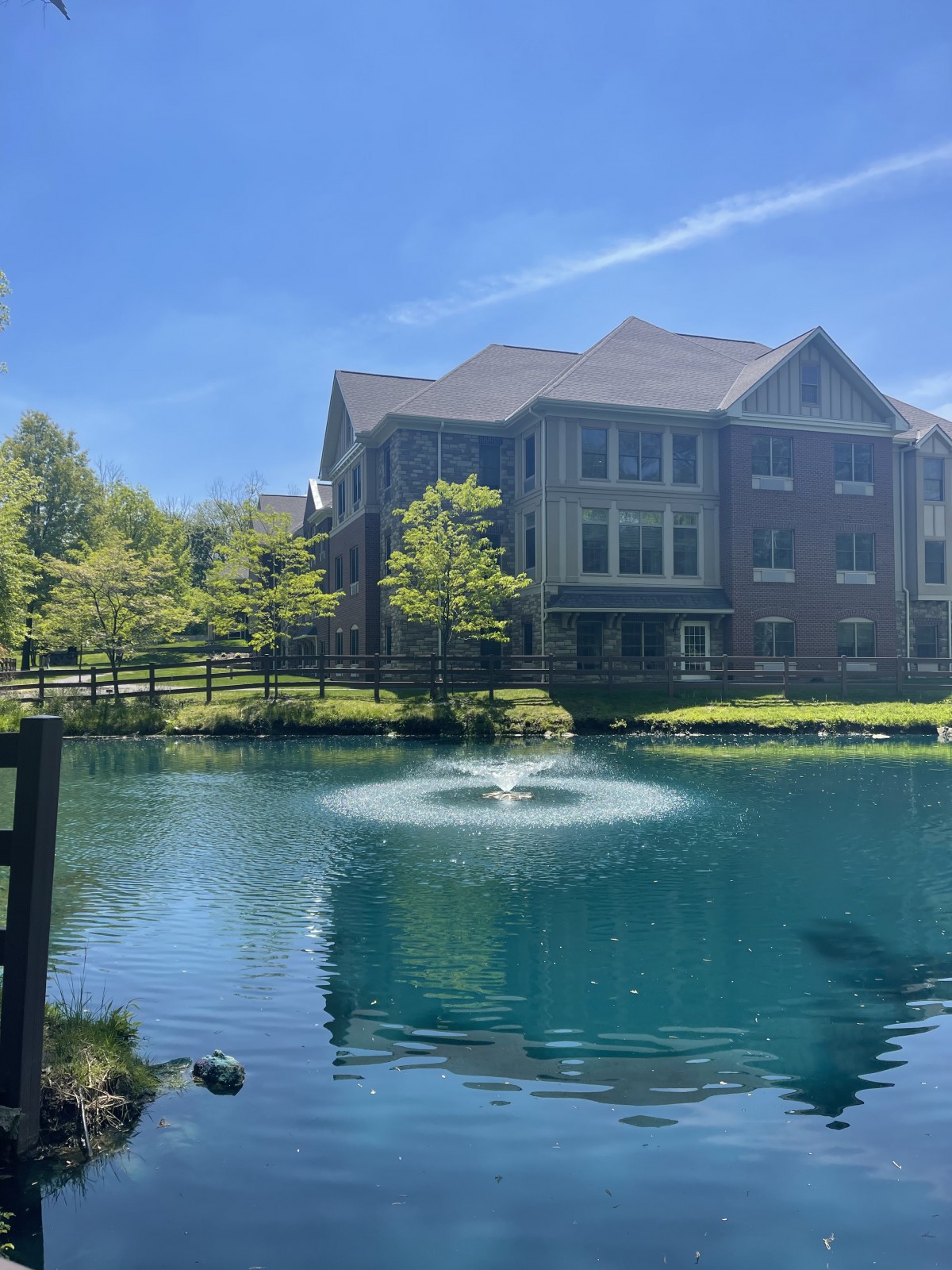
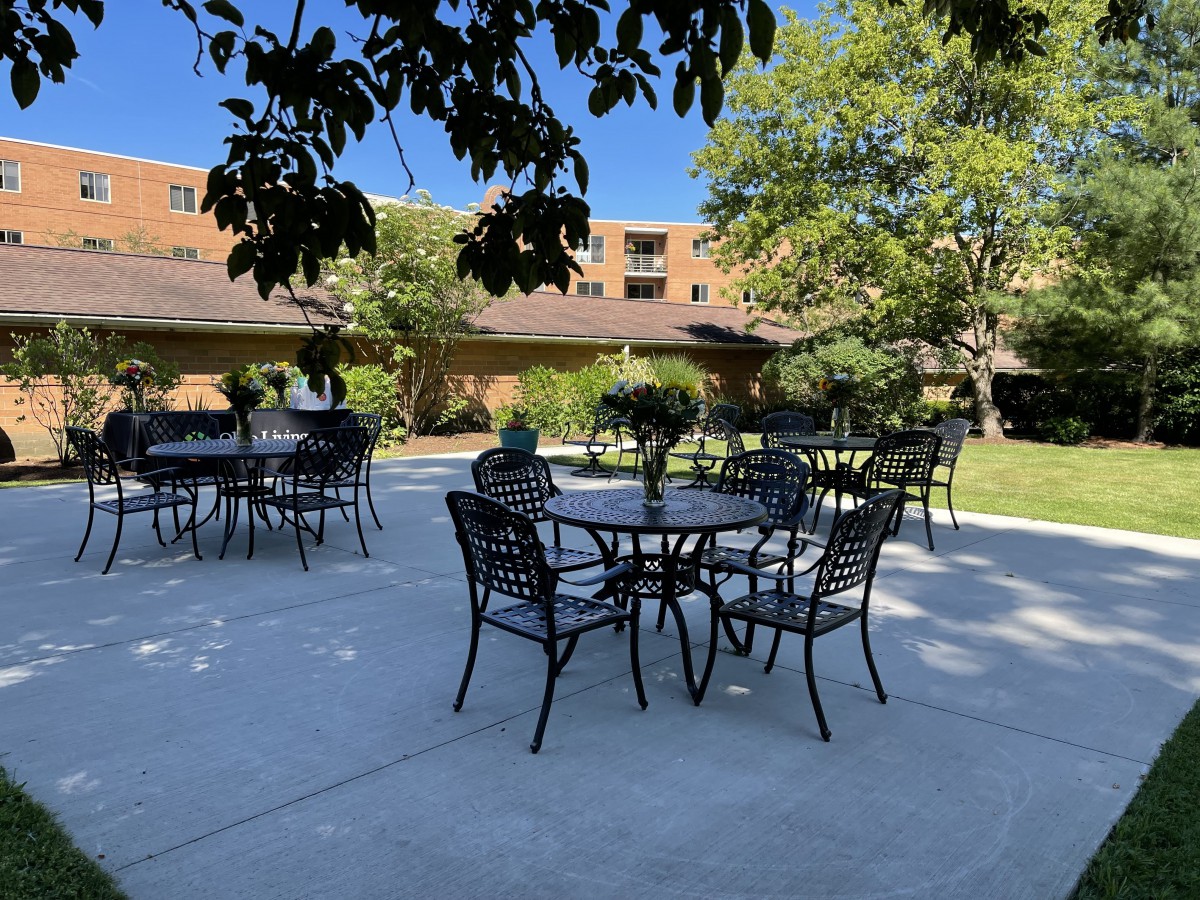
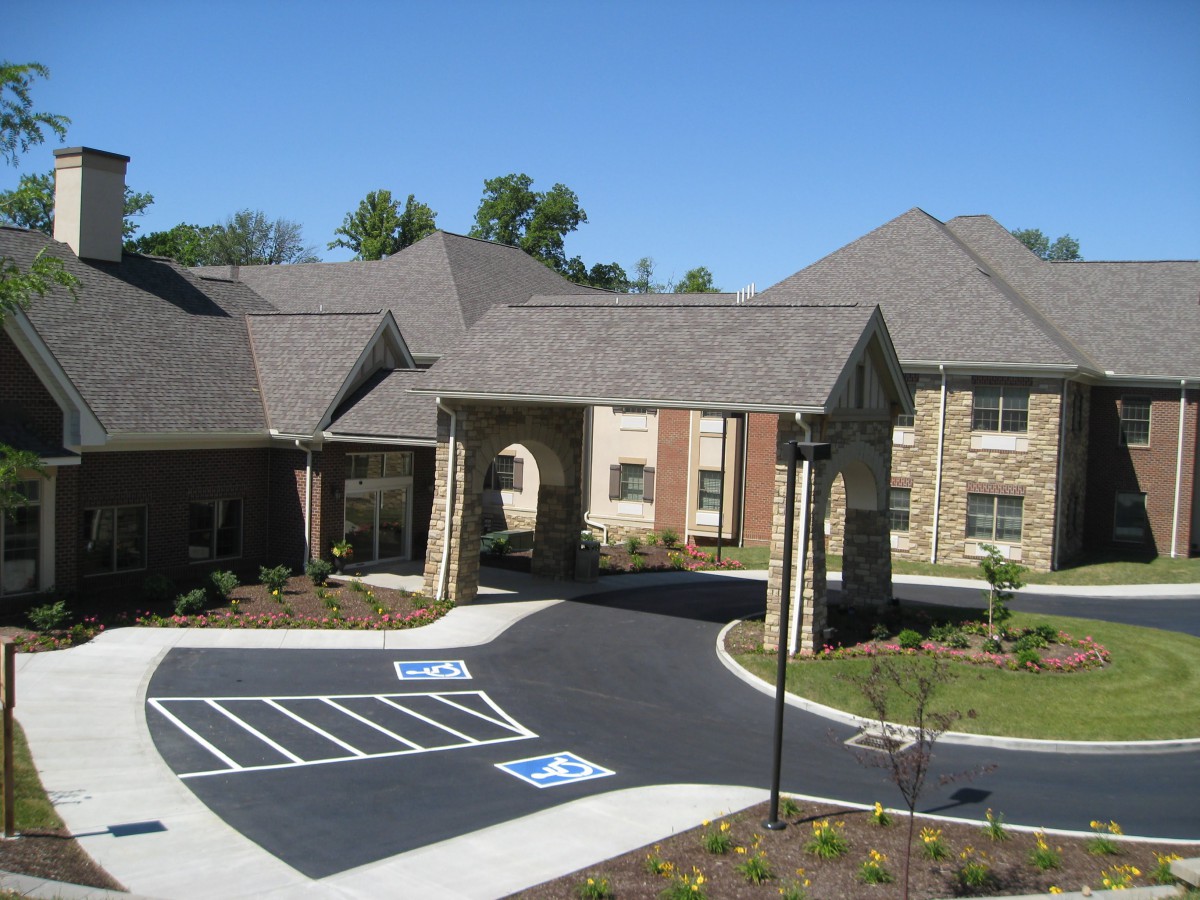
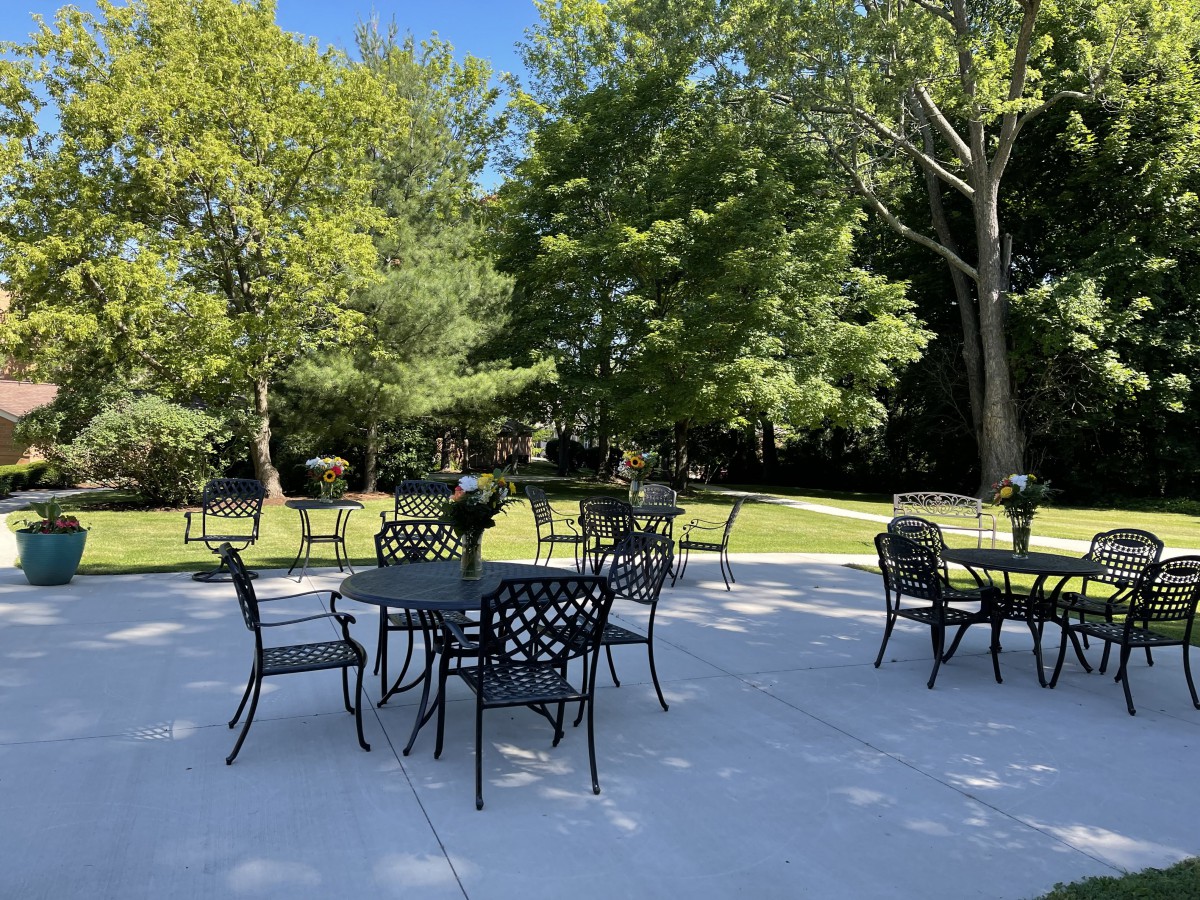
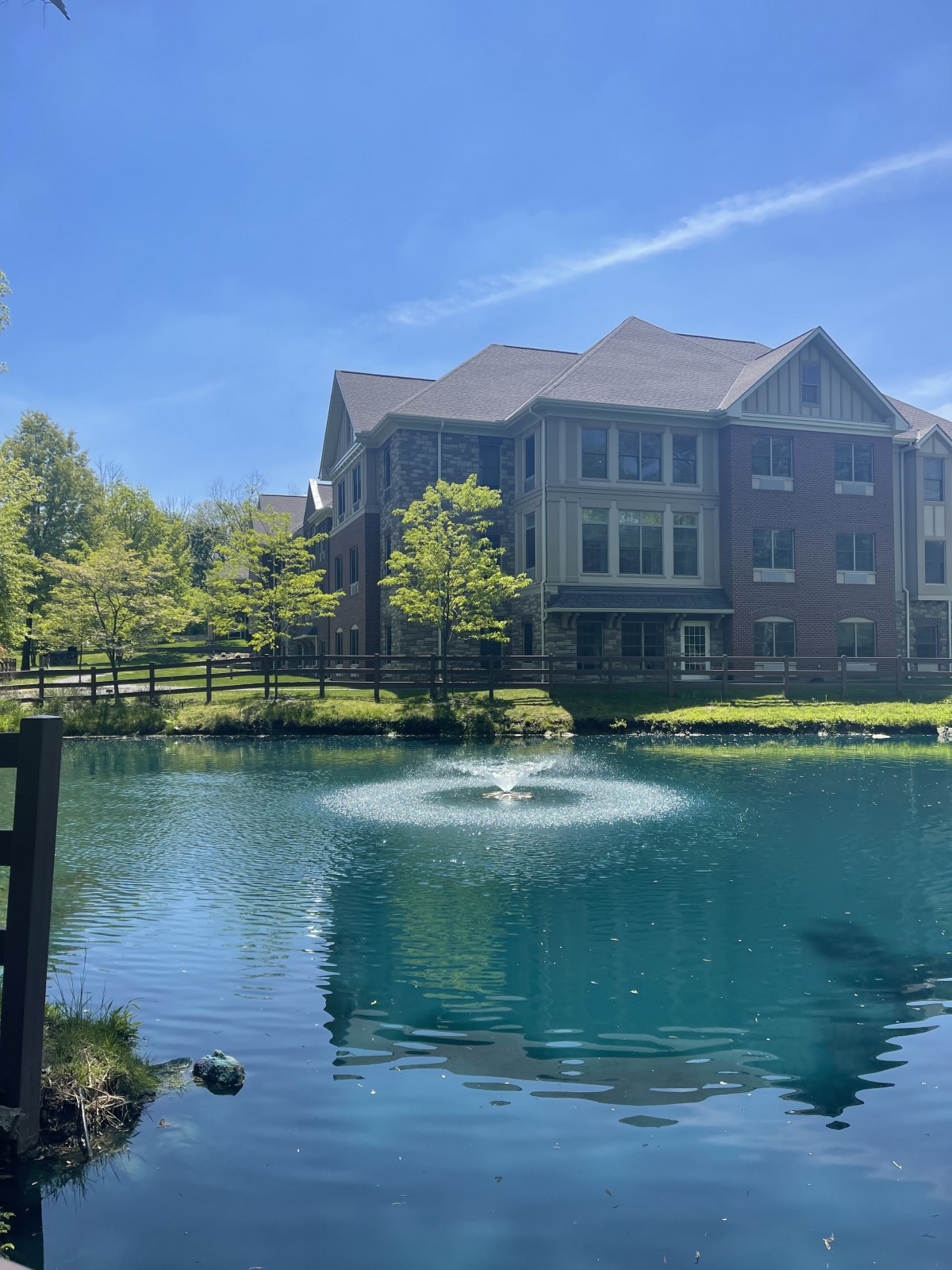
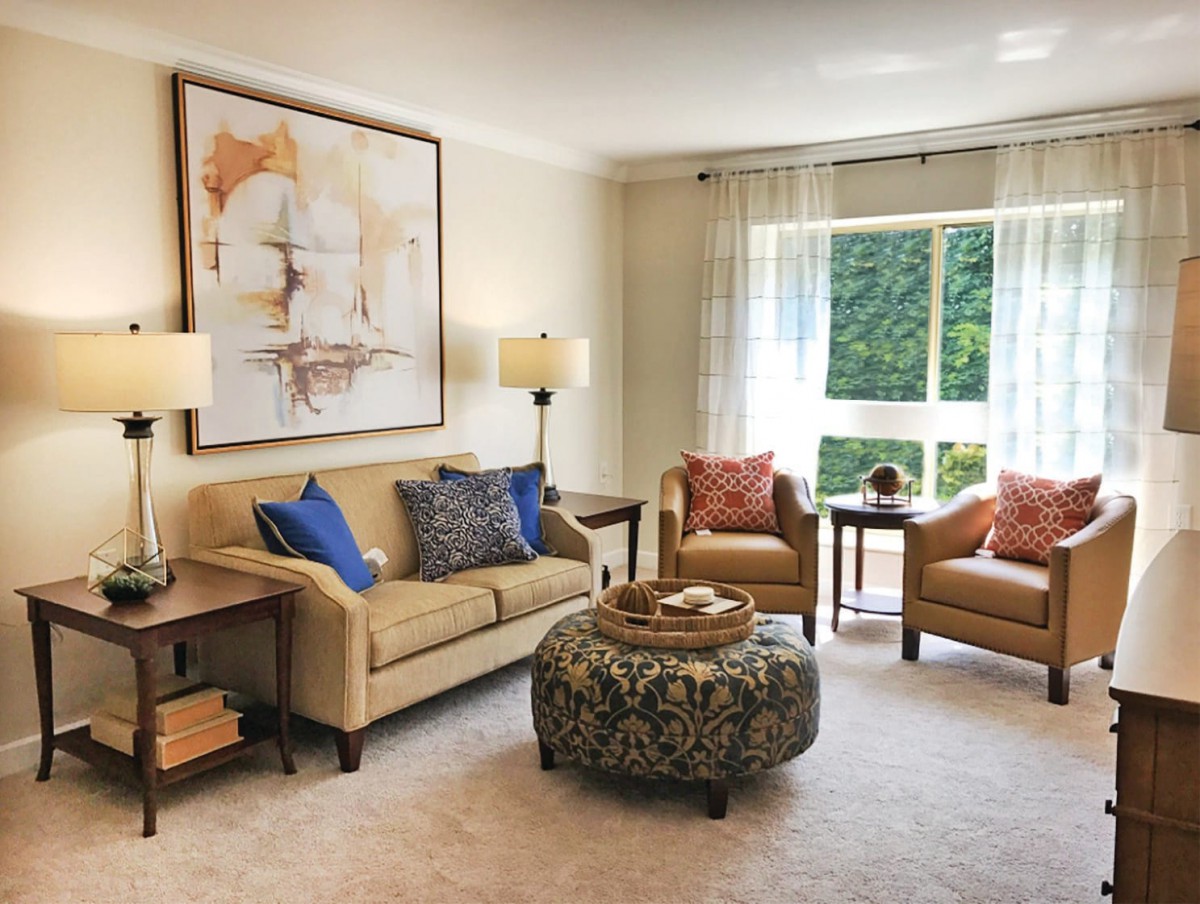
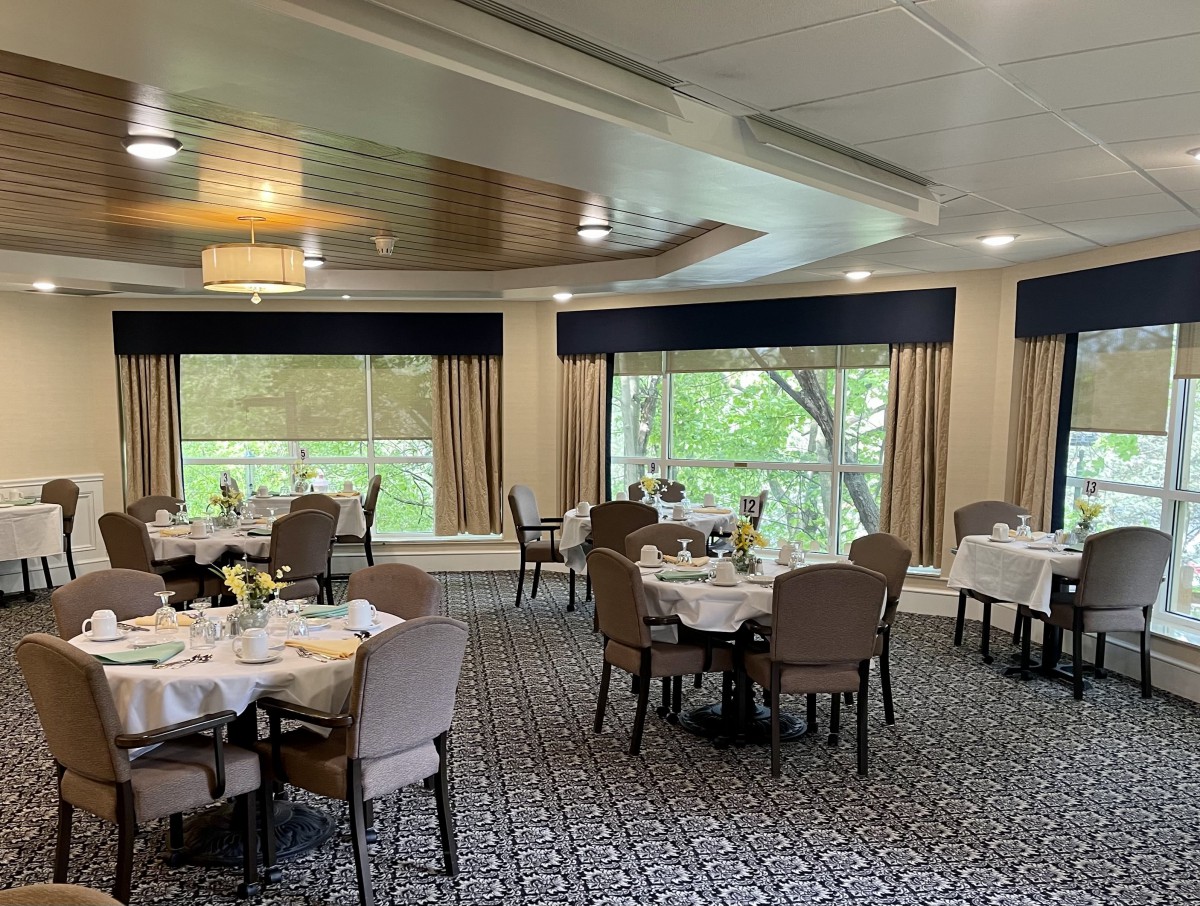
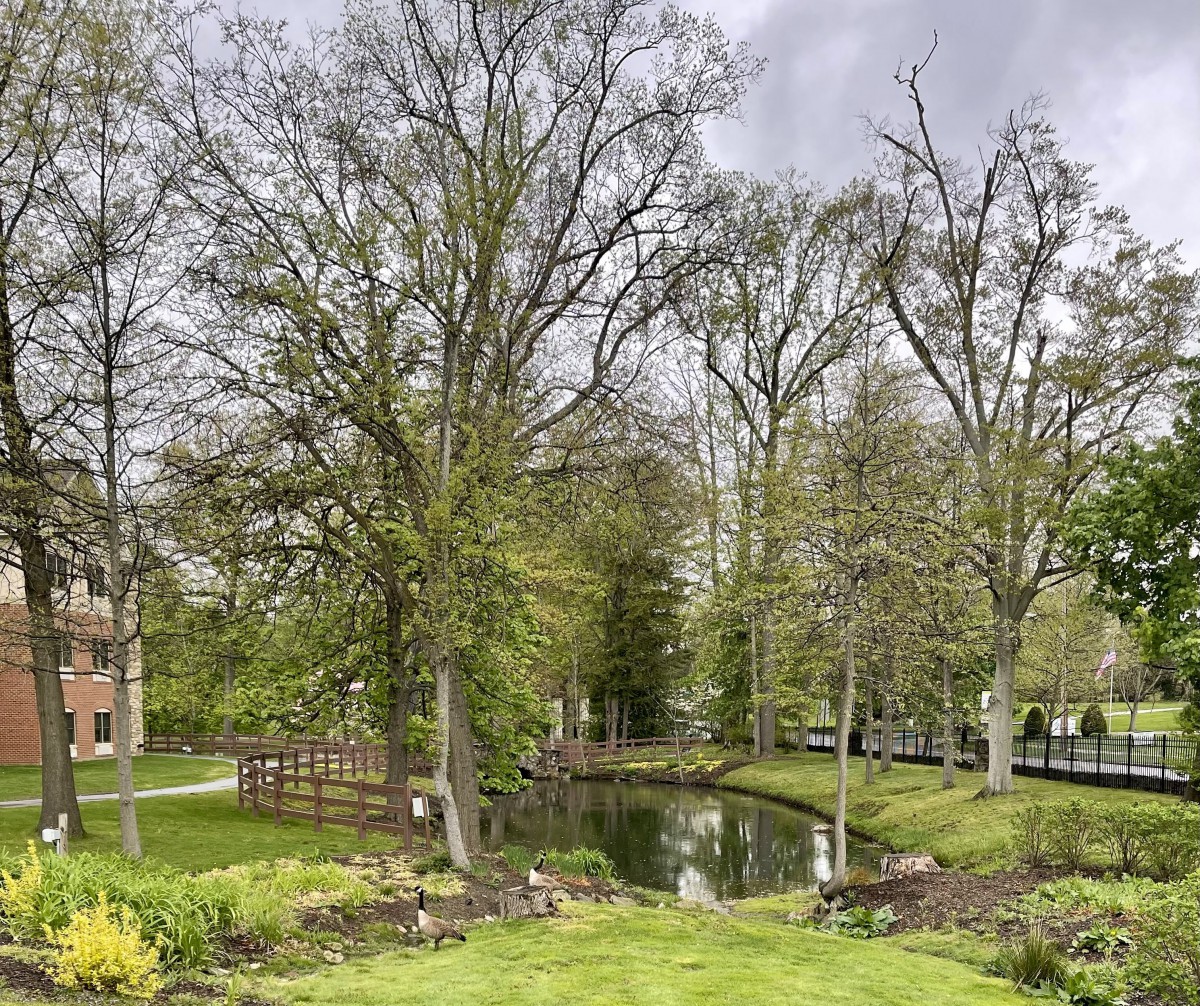
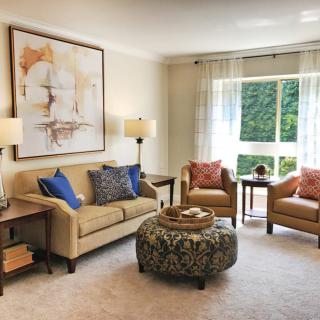
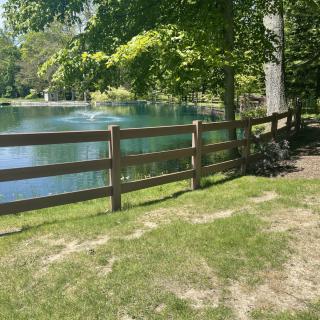
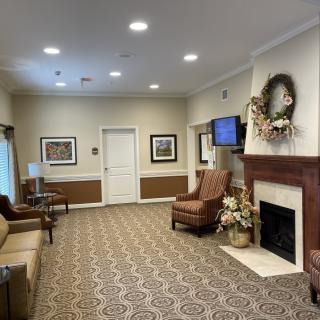
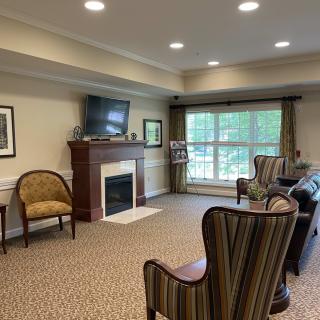
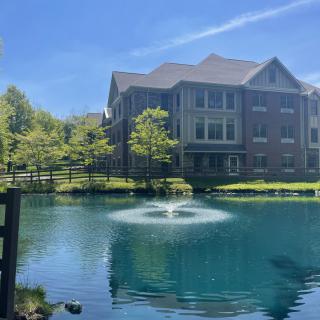
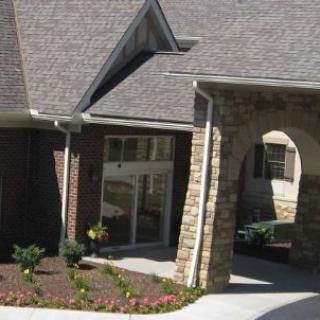
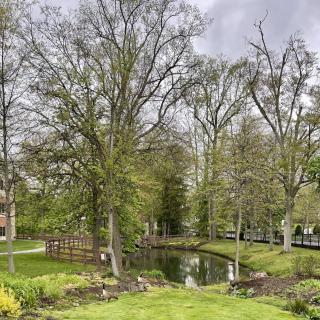
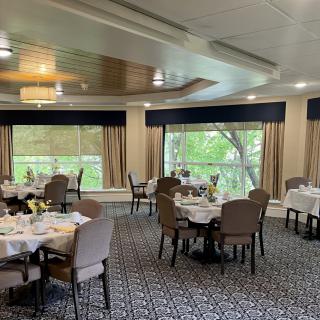
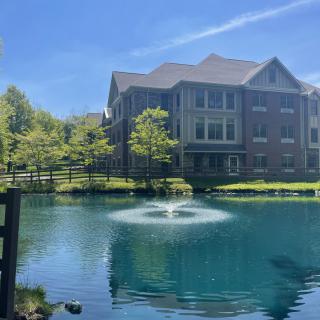
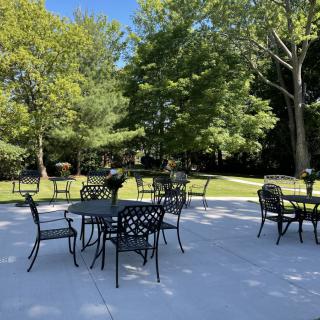
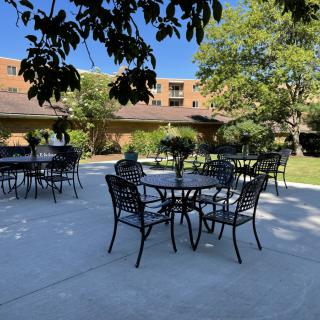
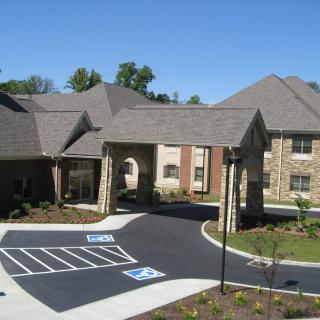
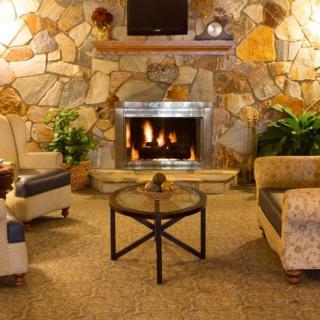
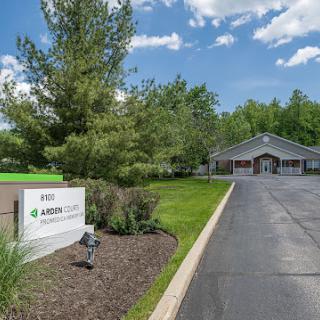
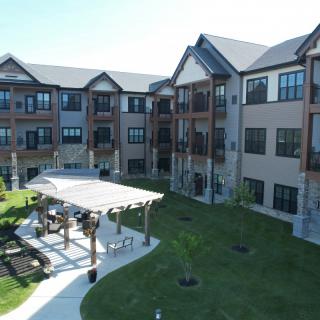
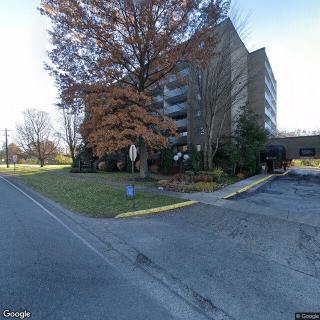
Ohio Living Rockynol on seniors.fyi includes 13 photos including images showing trees, landscaping, building, pond, nature, living room, interior, windows, and more.
Nearby Communities
Akron Healthcare
Akron, OH
2.6 from 53 reviews
24/7 supervision with comprehensive care and broad on-site amenities.
The Merriman
Akron, OH
2.7 from 83 reviews
$3,930 to $4,320 / month
Attentive staff, diverse activities, and spacious, well-maintained rooms with dining amenities.
Arcadia Health Services, Inc.
Akron, OH
3.9 from 24 reviews
Compassionate care with nutrition support and cognitive engagement.
Legacy Home Health Care Agency, LLC
Akron, OH
3 from 3 reviews
Vibrant community with easy access to dining, parks, and healthcare.
Fairway Tower and Manor Apartments
Akron, OH
2.9 from 20 reviews
Prime location with easy access to numerous amenities and services.
Hickory Ridge Nursing & Rehabilitation Center
Akron, OH
3.2 from 57 reviews
24/7 nursing supervision and ADL support
Mayflower Manor Apartments
Akron, OH
3.7 from 77 reviews
Renovations have refreshed the historic Mayflower Manor, restoring charm and improving common areas in a convenient downtown Akron location.
Wyant Woods Care Center
Akron, OH
2.3 from 57 reviews
Some staff provide attentive care and engaging activities.
Portage Trail Village
Cuyahoga Falls, OH
3.2 from 29 reviews
Longstanding history with potential for resident friendships.
Dementia encompasses a range of cognitive impairments characterized by types such as Alzheimer's and vascular dementia, and follows a seven-stage progression model known as the Global Deterioration Scale (GDS), highlighting varying symptoms and decline timelines. Early detection allows for lifestyle adjustments to potentially slow progression, while caregivers need support and resources to manage the challenges involved in caring for affected individuals.
The guide on holistic dementia care outlines the complexity of dementia and stresses the need for individualized caregiver strategies that include medical treatment, psychological support, and environmental adaptations, while emphasizing early detection, various therapeutic options, and caregiver support to enhance quality of life and maintain dignity.
"Memory Care Pathways: A Holistic Guide to Dementia Support" outlines the complexities of dementia and its various types, emphasizing early detection, patient-centered care strategies, caregiver support, and long-term care options while addressing legal and financial considerations to enhance the quality of life for individuals with dementia and their families.
Get PricingAsk A QuestionSchedule A TourContact Senior Advisor
By clicking submit, you agree to our Partner's Terms of Use. You
also consent to receive calls and texts, which may be autodialed, from our Partner. Your consent is not a condition to
using our Partner's service. Please visit our Partner's Privacy Policy for information about their privacy practices.

 125 resident community capacity
 1-bedroom apartments
 Assisted Living
 Continuing Care Retirement Community (CCRC)
 Independent Living
 Memory Care
 Skilled Nursing Facility
 Cats allowed
 Dogs allowed
 Activities off-site
 Air-conditioning
 Bath tubs
 Beautician on-site
 Cable or satellite TV
 Computer center
 Devotional services off-site
 Dining room
 Fitness room
 Full kitchen
 Fully furnished
 Gaming room
 Garden
 Ground floor units
 Handicap accessible
 Housekeeping services
 Indoor common areas
 Laundry
 Move-in coordination
 Outdoor common areas
 Overnight guests
 Party space
 Private bathrooms
 Resident parking
 Respite or short term stays offered
 Restaurant-style dining
 Small library
 Swimming pool
 Telephone
 Wellness center
 Wheelchair accessible showers
 Wi-Fi/high-speed internet available
 Akron-Canton Regional (14 miles away)
 Community operated transportation
 24-hour call system
 Ambulatory care
 Assistance with bathing
 Assistance with dressing
 Assistance with transfers
 Diabetes diet
 Diabetic care
 Incontinence care
 Medication management
 Physical therapy
 Special dietary restrictions
 Art classes
 Catholic services
 Concierge services
 Day trips and outings
 Educational speakers / life long learning
 Happy hour
 Live dance or theater performances
 Live musical performances
 English
 24/7 supervision with comprehensive care and broad on-site amenities.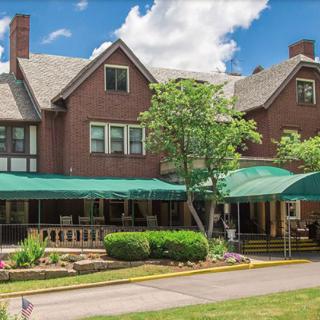


 Understanding Dementia Through Its Seven Stages: A Comprehensive Look at Progression and Expectations
 A Holistic Dementia Care Guide: Effective Strategies for Memory Support
 Memory Care Pathways: A Holistic Guide to Dementia Support