

1650 W. Market Street, Suite 27, Akron, OH 44313
To contact a resident: (330) 869-9520
For more information about senior living options: (866) 208-4318
Overall Review of Arcadia Health Services, Inc.
Pros
 Arcadia provides excellent service and consistent, clear communication.
- Kim is compassionate, respectful, and attentive to clients’ needs.
- The caregivers are kind, competent, and reliably dedicated to care.
- The staff make clients feel safe, valued, and well cared for.
- The office team is professional, easy to work with, and responsive.
- The services keep clients engaged and help maintain their well-being.
- The caregiving team is dedicated and goes above and beyond for families.
- Arcadia is described as highly trustworthy and customer-focused.
Cons
 The director Deb is extremely rude and nasty.
- This company does not care about clients or the staff they hire.
- Deb should not work in this field or with humans.
- Deb is condescending, rude, short, and insufferable to speak with.
- She is a horrible representation of a company that takes care of the elderly.
- The aides rarely show up and a different aide is sent each time.
- The agency is poor at communicating, so names are never known.
- The aides never wear badges and often come in, sit down, and play on their phones.
- The customer service is the worst.
Review
Arcadia Health Services is best suited for families seeking in-home elder care in Akron, Ohio, where the aim is to keep a loved one safely at home with a caregiver who provides both daily support and genuine personal attention. This service works best when a client can rely on a familiar caregiver to help with routines, hydration, light activity, and safety checks, while the family maintains ongoing involvement. For households that prize a humane, person-centered approach in a home setting and are prepared to invest time in building a reliable caregiver relationship, Arcadia can be a practical, lower-friction alternative to moving to a facility.
Those weighing alternatives should consider options if reliability and consistent administrative support are non-negotiable. If the priority is a strictly predictable schedule with the same aides every week and direct, responsive office leadership, it may be prudent to shop around. Several family voices report irregular staffing, gaps in communication, and a management style that can feel unsupportive or difficult. In such cases, a larger, more tightly run agency or a traditional facility with clear accountability might deliver greater peace of mind and fewer surprises in day-to-day care.
The strongest selling points are the caregivers themselves, often described as compassionate, patient, and well-muited to meeting daily needs. When a caregiver like Kim truly listens, coordinates with the family, and maintains a respectful, non-condescending tone, the care experience becomes deeply reassuring. Other caregivers, Tina and Rochelle, for example, are repeatedly praised for reliability, warmth, and the ability to encourage hydration, engagement, and safety. Families also note solid background checks and a general willingness of staff to go the extra mile, suggesting a core level of professionalism behind the scenes.
Nevertheless, the downsides are meaningful and cannot be dismissed. Inconsistent aides and unexplained changes in who is providing care create confusion and undermine trust. Communication lapses, missed calls, delayed updates, and unclear scheduling, make coordination harder and elevate family stress. The most significant deterrent remains management behavior, with reports of a director who comes across as rude or dismissive. When these friction points surface, they blunt the natural strengths of the caregiving team and cast doubt on the overall reliability of the service.
The positive elements can offset the negatives if a clear, stable framework is established. A known primary caregiver paired with a dependable backup and a proactive point of contact can yield continuity that feels personal rather than episodic. The impact of dedicated staff, Kim, Rochelle, Tina, and others who demonstrate genuine care, can sustain high-quality care at home and reduce family anxiety. Yet this balance hinges on organizational discipline: consistency in staffing, predictable communication, and effective escalation protocols. Without those, the relational strengths risk being overwhelmed by operational volatility.
For families evaluating Arcadia, enter conversations with concrete expectations and concrete guardrails. Request a named primary caregiver and a clearly defined secondary backup, plus a single supervisor who will serve as the constant point of contact. Insist on current staff badges and a transparent communication plan, whether through daily notes, direct calls, or a shared portal, and demand measurable service standards. If possible, try a practical trial period and speak with multiple families who share similar needs. If reliability and administrative responsiveness remain uncertain, compare other agencies or consider a facility-based option that prioritizes centralized accountability. The decision should hinge on whether the home-care model’s relational strengths align with the loved one’s needs and the family’s tolerance for variability in coverage.
 Akron-Canton Regional (15 miles away)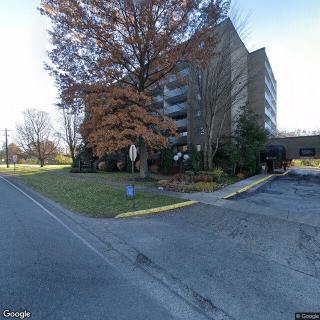




 Encouraging Participation in Adult Day Care: A Guide to Supporting a Hesitant Parent
 Comprehensive Exploration of Living Wills and Other Advance Directives
 A Detailed Exploration of Living Wills and Advance Directives