Brightmore of Wilmington offers competitive pricing for its living accommodations compared to the broader market in New Hanover County and throughout North Carolina. For instance, a studio at Brightmore is priced at $1,994 per month, significantly lower than the county average of $4,105 and the state average of $4,020. One-bedroom units are also attractively priced at $2,276, again presenting a substantial savings relative to both the county and state figures of approximately $4,064 and $4,055 respectively. Even with two-bedroom options at Brightmore costing $3,061 monthly, they remain cost-effective when compared to the higher averages seen in both the county and statewide markets. Overall, Brightmore of Wilmington provides an appealing financial alternative for those seeking quality housing in a vibrant community setting.
Floor plans
Brightmore of Wilmington
New Hanover County
North Carolina
Studio
$1,994
$4,105
$4,020
1 Bedroom
$2,276
$4,064
$4,055
2 Bedrooms
$3,061
$3,885
$4,245
Memory care communities with a similar price nearby
Memory care residents’ families describe attentive, communication-focused support.
Two reviews specifically mention the memory care community and describe staff as kind, responsive, and focused on daily needs. One family also highlights that the staff communicates with each other across shifts and keeps them informed as care continues. This lines up with the way the community offers specialized memory care programming alongside medication management and assistance with daily living.
common57 reviews mention this
Friendly, helpful staff stands out
Residents and families consistently describe a friendly, supportive team.
Across many reviews, residents and families say the staff is welcoming, considerate, and goes out of their way to meet needs. Multiple people mention help with moves and day-to-day questions, including housekeeping, dining service, and coordination during transitions. Even when reviews discuss different care levels, the recurring thread is that staff members make people feel at home and supported.
common22 reviews mention this
Activities and entertainment are abundant
Residents describe a steady schedule of activities and events.
Reviews repeatedly point to plentiful programs, including fitness and group activities, plus entertainment and community events. Several people call out structured daily opportunities, from exercise classes and water aerobics to arts, crafts, and social gatherings. The community’s in-house and resident-involved activity options also match what reviewers describe as a full calendar with something to do.
common16 reviews mention this
Dining is a frequent positive
Food and dining service receive consistent praise from reviewers.
Many reviews mention meals in a positive way, describing dining as tasty with variety, and calling out restaurant-style dining experiences. Families also describe caregivers helping with laundry and coordination while residents get served multiple meals. For those in memory care, one reviewer notes meals as well balanced and nicely presented, which fits with the community offering meals provided and support for special dietary needs.
common6 reviews mention this
Transportation support helps residents get out
Reviewers highlight reliable transportation for appointments and outings.
Several reviews mention the community’s transportation support, including rides for medical appointments and help getting to shopping and dining-related outings. One reviewer calls out a standout driver, and another describes being able to reach services within a nearby radius. This matches the community’s offered transportation arrangement and transportation to doctors appointments.
caveat2 reviews mention this
Theft incidents are serious concerns
Some families report unresolved theft concerns involving personal belongings.
Two reviews raise serious concerns about missing valuables and describe an experience they felt was not adequately resolved. One family says items disappeared from a room and that no meaningful investigation followed despite security cameras being present. These reports are limited in number compared with the broader feedback, but they are specific enough that you may want to ask how the community handles safeguarding valuables and reviewing incidents.
How we summarize
Counts show how many written reviews mention each theme; a review can touch several themes, and only frequently mentioned themes are displayed.
Features
Housing
201 resident community capacity
Types of Care
Assisted Living
Independent Living
Memory Care
Amenities
Activities off-site
Activities on-site
Air-conditioning
Beautician on-site
Beauty salon
Cable or satellite TV
Computer center
Devotional services off-site
Devotional services on-site
Dining room
Fitness room
Fully furnished
Gaming room
Garden
Housekeeping services
Indoor common areas
Kitchenette
Move-in coordination
Outdoor common areas
Outdoor space
Private bathrooms
Restaurant-style dining
Small library
Swimming pool / hot tub
Telephone
Wellness center
Wi-Fi/high-speed internet available
Transportation
Wilmington International (5 miles away)
Community operated transportation
Transportation arrangement
Transportation arrangement (non-medical)
Transportation to doctors appointments
Care Services
12-16 hour nursing
24-hour call system
24-hour supervision
Activities of daily living assistance
Ambulatory care
Assistance with bathing
Assistance with dressing
Assistance with transfers
Diabetes diet
Diabetic care
Meal preparation and service
Medication management
Mental wellness program
Mild cognitive impairment
Special dietary restrictions
Specialized memory care programming
Dining
Diabetes diet
Meals provided
Special dietary restrictions
Activities
Activities off-site
Activities on-site
Community-sponsored activities
Concierge services
Devotional activities offsite
Devotional activities on-site
Fitness programs
Planned day trips
Resident-run activities
Scheduled daily activities
Videos
Nearby Places of Interest
This part of Wilmington, North Carolina offers a peaceful and convenient environment for senior living. With several parks nearby such as Hugh MacRae Park and Brunswick River Park, residents can enjoy outdoor activities and nature walks. There are also a variety of restaurants in the area, providing plenty of dining options. For medical needs, there are reputable physicians and pharmacies within close proximity, ensuring easy access to healthcare services. Additionally, with theaters like The Pointe 14 at Barclay nearby, seniors can enjoy entertainment options. Transportation is easily accessible with Wilmington International Airport just a short distance away. Places of worship like Sacred Heart Catholic Church and hospitals like Brunswick Novant Medical Center provide further support and resources for seniors in the area. Overall, this neighborhood offers a well-rounded community with amenities that cater to the needs and interests of older individuals looking for a comfortable and engaging living environment.
Brightmore of Wilmington offers competitive pricing for its living accommodations compared to the broader market in New Hanover County and throughout North Carolina. For instance, a studio at Brightmore is priced at $1,994 per month, significantly lower than the county average of $4,105 and the state average of $4,020. One-bedroom units are also attractively priced at $2,276, again presenting a substantial savings relative to both the county and state figures of approximately $4,064 and $4,055 respectively. Even with two-bedroom options at Brightmore costing $3,061 monthly, they remain cost-effective when compared to the higher averages seen in both the county and statewide markets. Overall, Brightmore of Wilmington provides an appealing financial alternative for those seeking quality housing in a vibrant community setting.
Brightmore of Wilmington's comprehensive range of features is specifically designed to support residents with dementia or Alzheimer's disease at any stage. The 24-hour supervision ensures that residents are continually monitored, promoting safety and immediate assistance in case of confusion or distress. Activities of daily living assistance, including help with bathing, dressing, and transfers, empowers residents to maintain dignity while receiving the necessary support for personal care, which can be challenging for those with cognitive impairments. Meal preparation and service cater to nutritional needs while fostering a comforting environment around meals--an important aspect of daily life that promotes social interaction and routine. Medication management guarantees that residents receive their prescriptions correctly and on time, minimizing health risks associated with missed doses. The mental wellness program and specialized memory care programming focus on cognitive stimulation tailored to individual needs, encouraging engagement and enhancing quality of life for those experiencing mild to advanced cognitive decline. Together, these features create an environment conducive to comfort, security, and holistic well-being for individuals facing the challenges of memory loss.
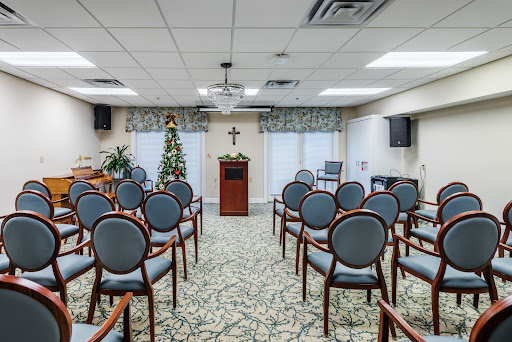
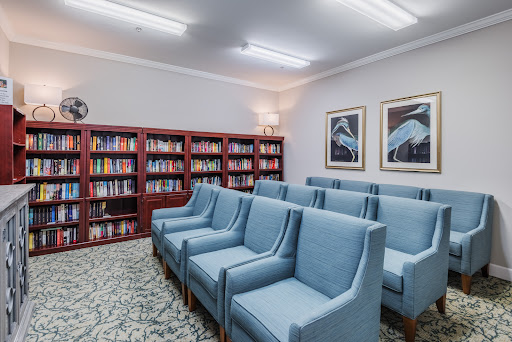
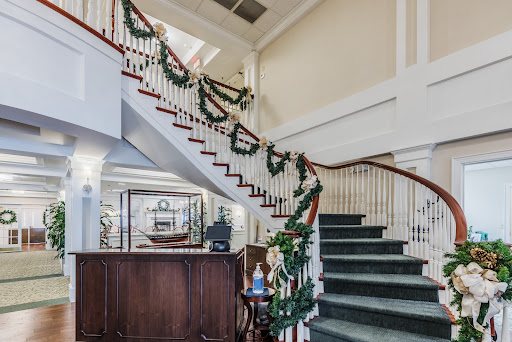
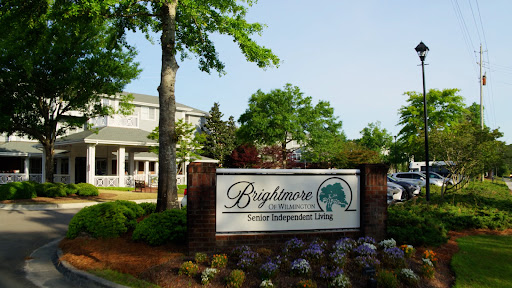
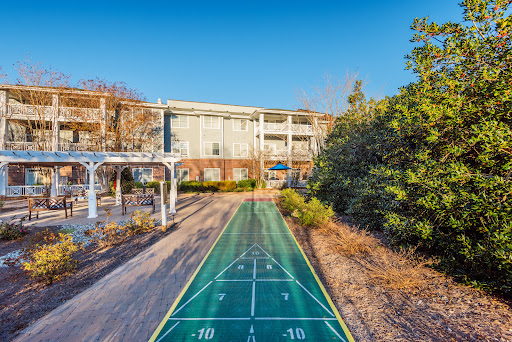
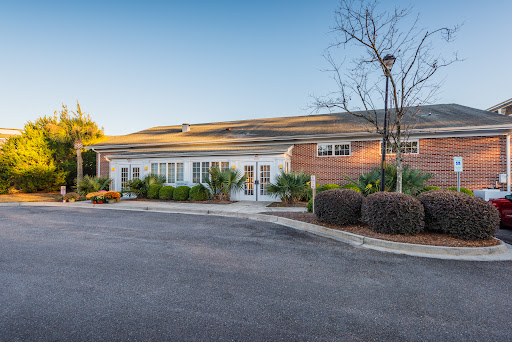
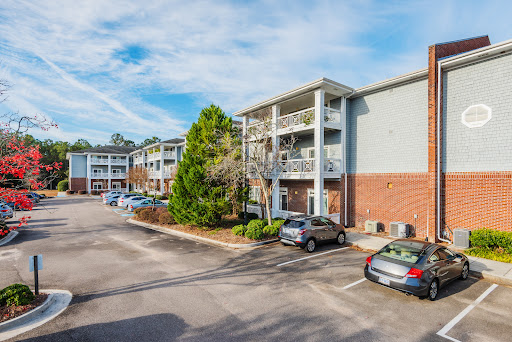
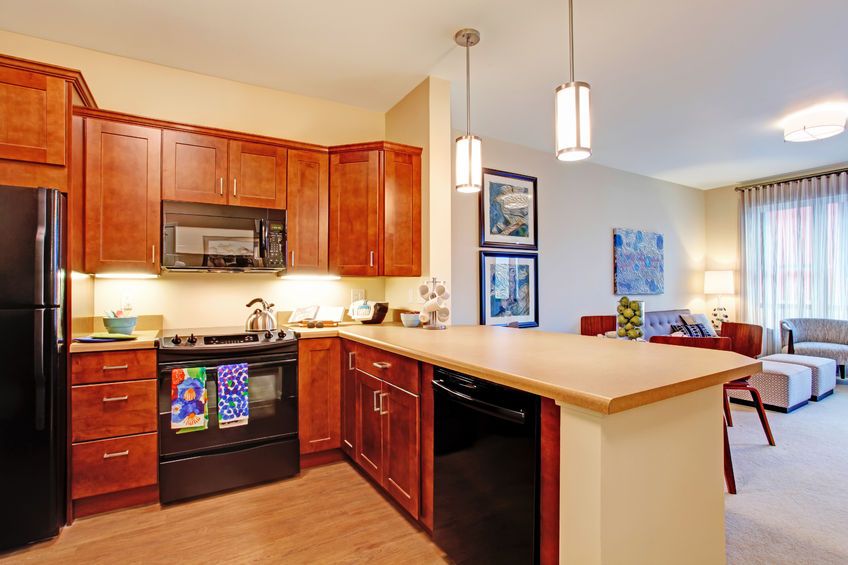
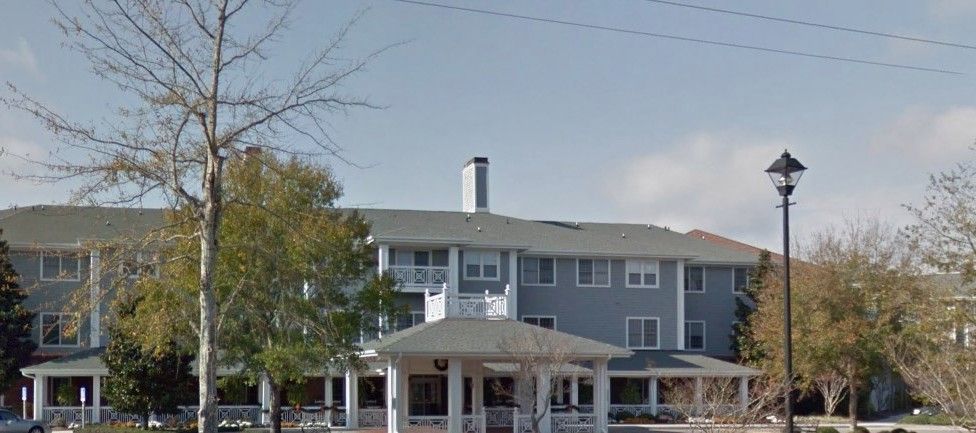
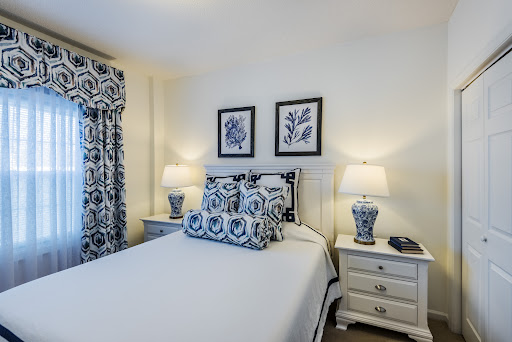
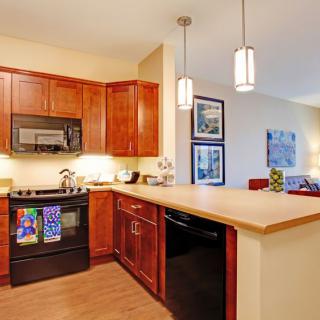
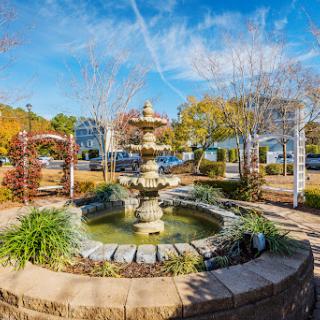
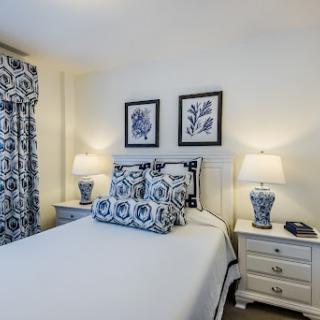
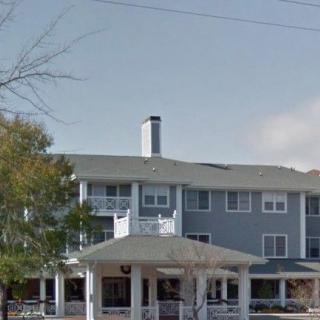
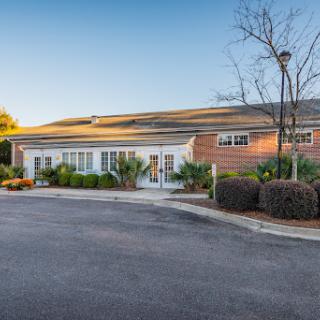
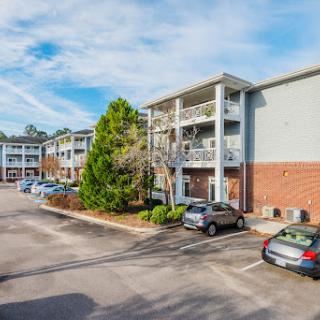
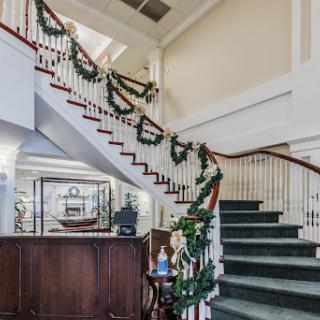
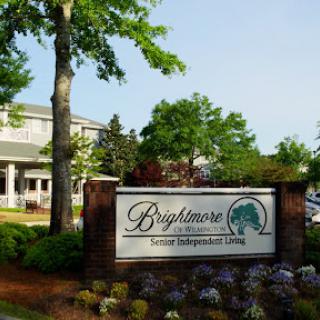
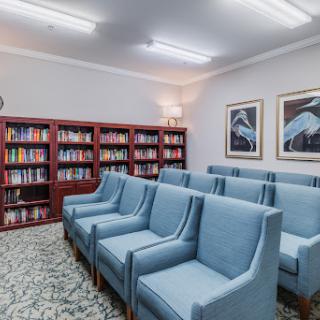
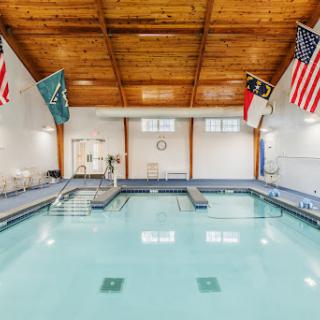
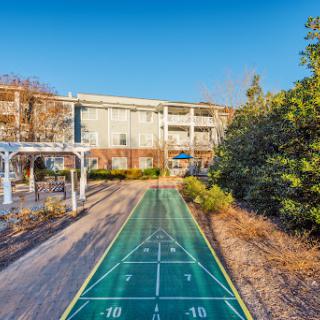
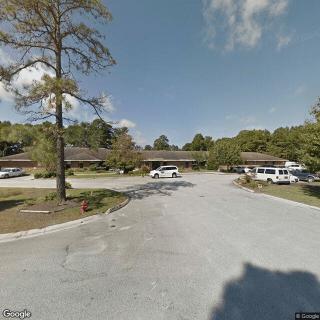
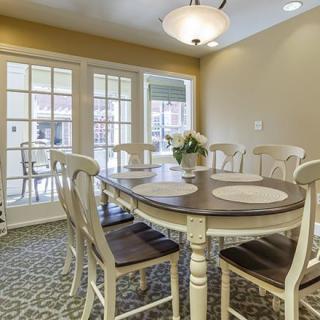
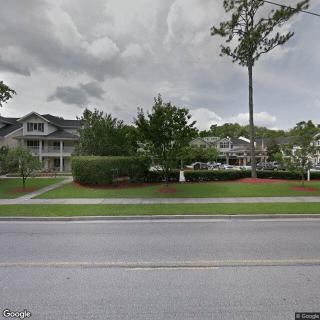
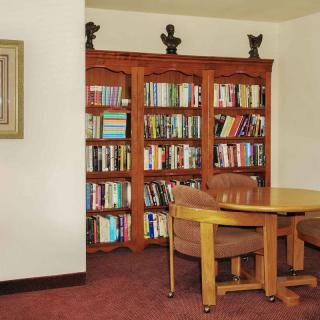
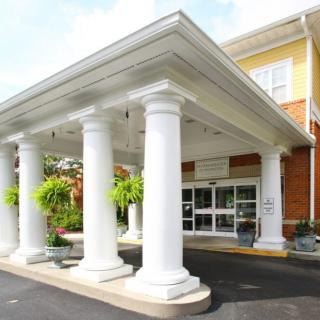
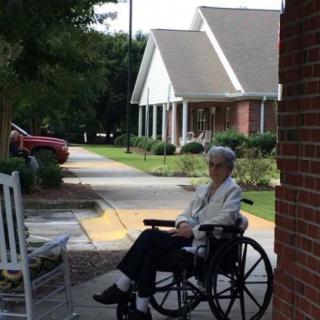
Brightmore of Wilmington on seniors.fyi includes 13 photos including images showing interior, building, landscaping, trees, parking, nature, outdoor, bedroom, and more.
Nearby Communities
The Commons At Brightmore
Wilmington, NC
4.4 from 56 reviews
Attractive facility with extensive amenities and memory-care focus.
The article compares assisted living and skilled nursing facilities, detailing their differing levels of assistance, medical support, cost structures, and day-to-day experiences. It emphasizes that assisted living is for those needing help with daily activities while maintaining independence, whereas skilled nursing facilities provide intensive medical care with 24-hour staff supervision.
Vibrant Senior Living emphasizes active senior living communities that promote independence and engagement through diverse amenities and activities, fostering wellness and social interaction among older adults. These communities range from independent to assisted living, with a focus on personal growth, family involvement, financial planning, and leveraging technology to enhance residents' experiences.
Assisted living provides moderate support for seniors seeking independence, while memory care offers specialized support for individuals with dementia or cognitive impairments through structured routines and trained staff. Key differences include care approaches, environment security measures, staff training levels, activity types, and cost considerations.
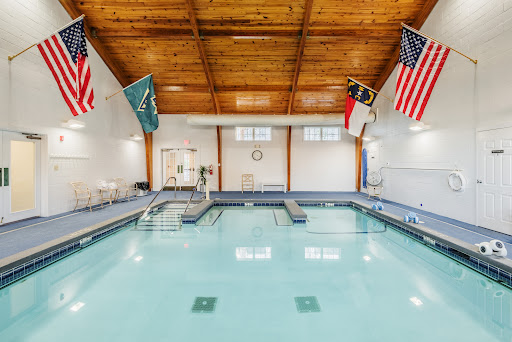
Flag, Swimming Pool, Fitness, Recreation, and Indoor Pool
Nature
Parking
Porch
Shuffleboard
Get PricingAsk A QuestionSchedule A TourContact Senior Advisor
By clicking submit, you agree to our Partner's Terms of Use. You
also consent to receive calls and texts, which may be autodialed, from our Partner. Your consent is not a condition to
using our Partner's service. Please visit our Partner's Privacy Policy for information about their privacy practices.


 201 resident community capacity
 Assisted Living
 Independent Living
 Memory Care
 Activities off-site
 Air-conditioning
 Beautician on-site
 Cable or satellite TV
 Computer center
 Devotional services off-site
 Dining room
 Fitness room
 Fully furnished
 Gaming room
 Garden
 Housekeeping services
 Indoor common areas
 Kitchenette
 Move-in coordination
 Outdoor common areas
 Private bathrooms
 Restaurant-style dining
 Small library
 Swimming pool / hot tub
 Telephone
 Wellness center
 Wi-Fi/high-speed internet available
 Wilmington International (5 miles away)
 Community operated transportation
 12-16 hour nursing
 24-hour call system
 Ambulatory care
 Assistance with bathing
 Assistance with dressing
 Assistance with transfers
 Diabetes diet
 Diabetic care
 Medication management
 Mental wellness program
 Special dietary restrictions
 Concierge services
 Planned day trips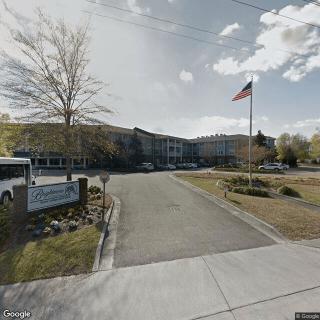
 Attractive facility with extensive amenities and memory-care focus.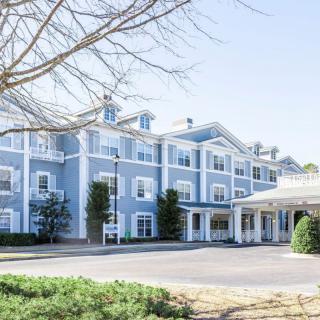

 Exploring the Contrasts Between Assisted Living and Skilled Nursing
 Vibrant Senior Living: A Comprehensive Guide for Active Older Adults
 Assisted Living and Memory Care: Understanding Their Core Differences