Residents and families consistently describe caring staff and strong communication.
Across many reviews, families say the staff is warm, attentive, and responsive, especially when they have questions or changing needs. Multiple reviewers also mention good communication and an ability to make residents feel safe, respected, and supported. Several residents’ experiences are framed around staff members showing up with bedside manner and taking time to understand needs.
differentiator5 reviews mention this
Memory care support feels personalized
Memory care support is described as more individualized than expected.
Reviews about dementia and memory care describe the team adjusting to cognitive changes and taking time to educate families. One reviewer specifically credits nursing and care efforts in the memory care unit with helping a loved one calm and settle. Others also raise concerns about training and redirecting Alzheimer’s and dementia residents, which points to uneven consistency even within memory care.
common5 reviews mention this
Dining is a regular bright spot
Food quality comes up often in overall experience.
Several reviewers call out the meals as a clear strength, describing chef-prepared food and saying the food is good. Reviews also reference that dining can feel more institutional to some families, suggesting experiences may vary by resident and unit. When dining is mentioned alongside other daily-care topics, it is usually grouped with how pleasant the day-to-day feels.
common4 reviews mention this
Activities and events keep residents engaged
Daily activities and planned events are frequently mentioned.
Families describe a steady flow of activities, including programs residents seem to enjoy and staff-led events. One reviewer highlights a very active activity department and another describes opportunities for celebrations and getting residents out of rooms. A few comments also connect activities with how supported and engaged residents feel.
common4 reviews mention this
Clean, well-kept spaces matter to families
Clean, neat facilities are repeatedly noted in reviews.
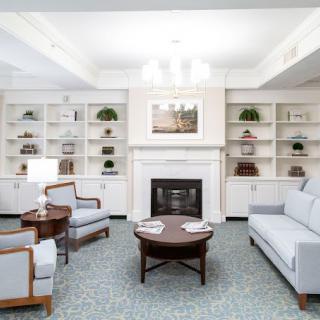
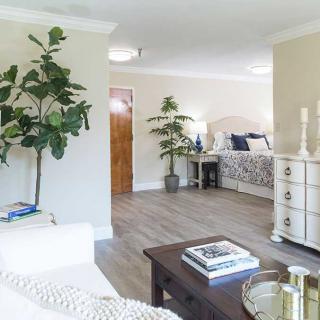
Multiple reviewers say the facility looks clean and well maintained, including hallways and bathrooms. Others mention an overall neat look during tours and describe spacious, not-dull rooms. This cleanliness theme pairs with broader “care” comments, where visitors feel more comfortable seeing the environment in good condition.
caveat4 reviews mention this
Understaffing and training gaps frustrate families
Some reviews describe understaffing and inadequate training.
A recurring negative theme is that staffing levels and readiness can fall short, leading to delayed or missed help. Reviewers describe problems during the day-to-night coverage and weekend support, and at least one review raises concerns about not being properly trained to handle dementia-related needs. In the most serious examples, families describe situations where attention was not provided quickly enough and question how well policies are followed.
How we summarize
Counts show how many written reviews mention each theme; a review can touch several themes, and only frequently mentioned themes are displayed.
Features
Housing
201 resident community capacity
Types of Care
Assisted Living
Memory Care
Pets
Cats allowed
Dogs allowed
Amenities
Activities off-site
Activities on-site
Air-conditioning
Beautician on-site
Beauty salon
Cable or satellite TV
Computer center
Devotional services off-site
Devotional services on-site
Dining room
Fitness room
Fully furnished
Gaming room
Garden
Housekeeping services
Indoor common areas
Kitchenette
Move-in coordination
Outdoor common areas
Outdoor space
Private bathrooms
Respite or short term stays offered
Restaurant-style dining
Small library
Swimming pool / hot tub
Telephone
Wellness center
Wheelchair accessible showers
Wi-Fi/high-speed internet available
Transportation
Wilmington International (5 miles away)
Community operated transportation
Transportation arrangement
Care Services
24-hour call system
24-hour supervision
Activities of daily living assistance
Ambulatory care
Assistance with bathing
Assistance with dressing
Assistance with transfers
Diabetes diet
Diabetic care
Meal preparation and service
Medication management
Special dietary restrictions
Dining
Diabetes diet
Meals provided
Special dietary restrictions
Activities
Activities off-site
Activities on-site
Community-sponsored activities
Concierge services
Devotional activities offsite
Devotional activities on-site
Fitness programs
Planned day trips
Resident-run activities
Scheduled daily activities
Nearby Places of Interest
This part of Wilmington, North Carolina, offers a variety of amenities and services that may be appealing to seniors looking for a comfortable and convenient living environment. With several parks nearby such as Hugh MacRae Park and Annsdale Park, residents can enjoy outdoor activities and scenic surroundings. The area also boasts a selection of restaurants including Henry's Restaurant and Walk-On's Sports Bistreaux - Wilmington Restaurant, providing options for dining out. Additionally, there are pharmacies like CVS Pharmacy and Walgreens in close proximity, as well as healthcare facilities such as Coastal Neurosurgical Associates and New Hanover Medical Group. For entertainment purposes, there are theaters like The Pointe 14 at Barclay within a short distance. Overall, this area offers a mix of recreational opportunities, dining choices, healthcare services, and transportation options including access to Wilmington International Airport (ILM), making it a potentially desirable location for seniors seeking a vibrant community with essential resources nearby.
The Commons At Brightmore offers a range of tailored features that significantly enhance the quality of care for residents with dementia or Alzheimer's disease. Assistance with dressing ensures that residents are appropriately attired, promoting dignity and self-esteem while accommodating any cognitive challenges they may face. Medication management is critical in ensuring timely and accurate dosing, which can help prevent confusion and health complications. Meal preparation and service cater to nutritional needs, providing balanced diets in a familiar setting, which can support both physical health and cognitive function. Activities of daily living assistance enables residents to maintain some level of independence while receiving necessary support, fostering a sense of accomplishment and engagement. Assistance with bathing promotes hygiene while safeguarding privacy, addressing both physical comfort and emotional well-being. Help with transfers ensures safety during mobility, reducing the risk of falls while enhancing confidence in moving around their environment. Finally, 24-hour supervision provides constant security and reassurance, allowing families to trust that their loved ones are monitored closely by trained professionals who understand the unique needs associated with memory care.
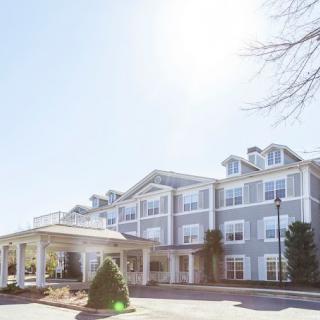
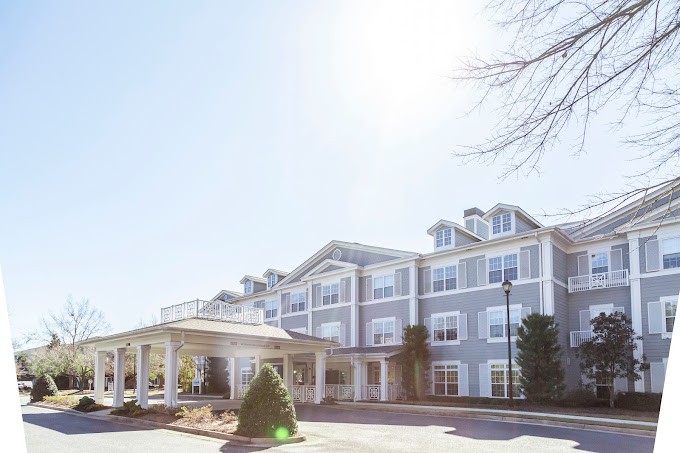
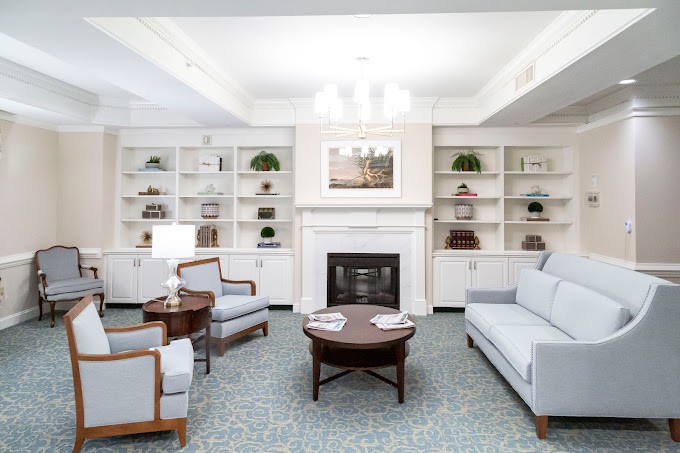
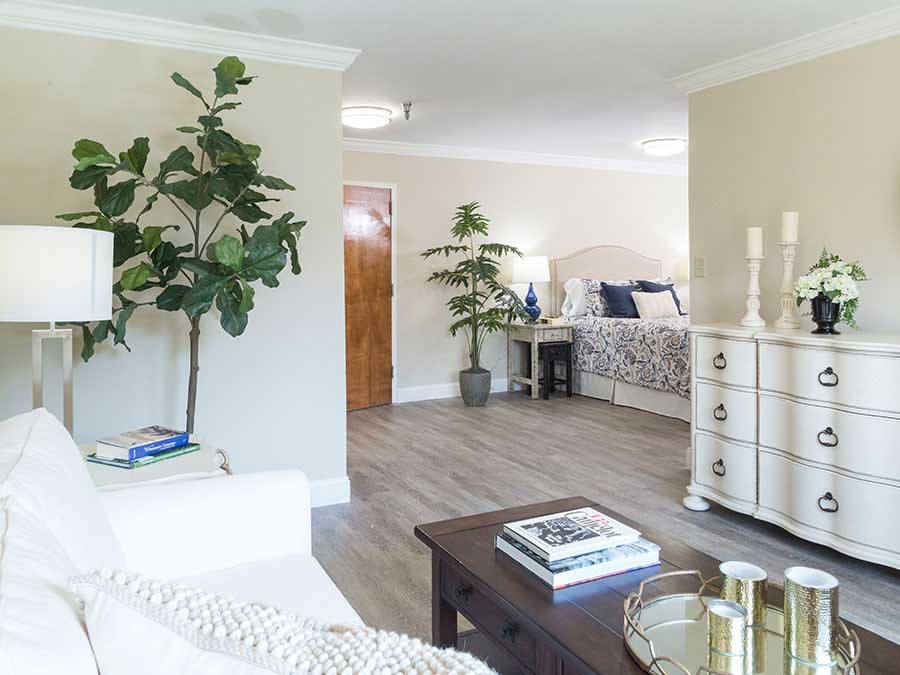
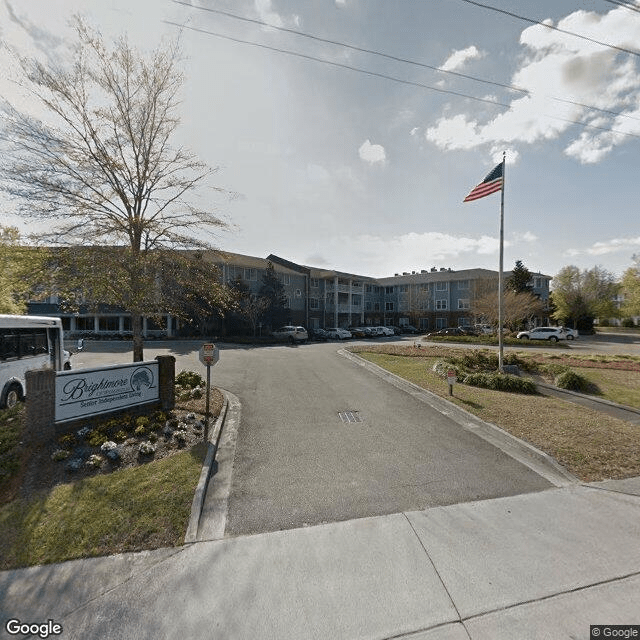
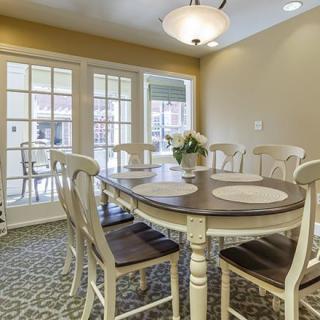
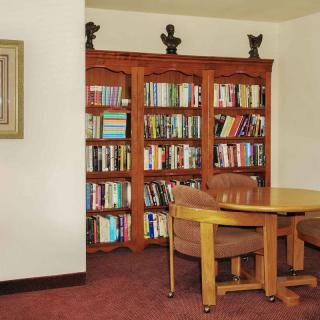
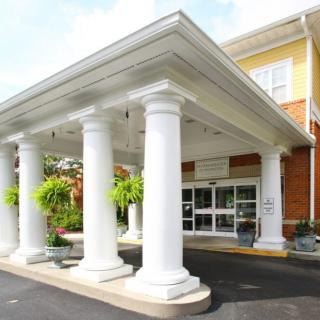
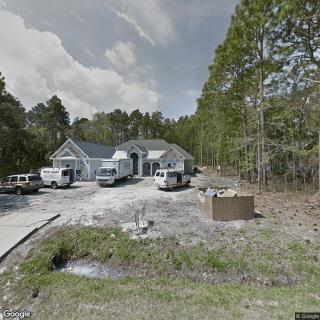
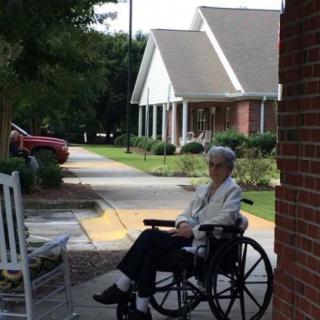
The Commons At Brightmore on seniors.fyi includes 4 photos including images showing decor, living room, interior, bedroom, hardwood floor, building, architecture, landscaping, and more.
Nearby Communities
Brightmore of Wilmington
Wilmington, NC
4.6 from 77 reviews
$1,994 to $3,061 / month
Friendly, attentive staff and clean, well-equipped amenities that support an active lifestyle.
Dementia causes cognitive decline and challenging behaviors that caregivers must manage, necessitating an understanding of the neurological basis of these issues. Effective strategies and self-care for caregivers can enhance support for those with dementia and improve their daily lives.
The content outlines five key early indicators of dementia, including significant memory loss and confusion about time and place, while emphasizing the need for professional evaluation and emotional support for both individuals showing symptoms and their caregivers. It encourages family members to monitor these signs closely and use online quizzes for initial awareness.
The article highlights eight indicators that a loved one with dementia may require specialized memory care, emphasizing the emotional and logistical challenges families encounter in this decision. It discusses signs such as difficulties with daily tasks, safety concerns, and caregiver burnout, suggesting that memory care facilities can provide the necessary support and structured environments for those experiencing cognitive decline.
Get PricingAsk A QuestionSchedule A TourContact Senior Advisor
By clicking submit, you agree to our Partner's Terms of Use. You
also consent to receive calls and texts, which may be autodialed, from our Partner. Your consent is not a condition to
using our Partner's service. Please visit our Partner's Privacy Policy for information about their privacy practices.

 201 resident community capacity
 Assisted Living
 Memory Care
 Cats allowed
 Dogs allowed
 Activities off-site
 Air-conditioning
 Beautician on-site
 Cable or satellite TV
 Computer center
 Devotional services off-site
 Dining room
 Fitness room
 Fully furnished
 Gaming room
 Garden
 Housekeeping services
 Indoor common areas
 Kitchenette
 Move-in coordination
 Outdoor common areas
 Private bathrooms
 Respite or short term stays offered
 Restaurant-style dining
 Small library
 Swimming pool / hot tub
 Telephone
 Wellness center
 Wheelchair accessible showers
 Wi-Fi/high-speed internet available
 Wilmington International (5 miles away)
 Community operated transportation
 24-hour call system
 Ambulatory care
 Assistance with bathing
 Assistance with dressing
 Assistance with transfers
 Diabetes diet
 Diabetic care
 Medication management
 Special dietary restrictions
 Concierge services
 Planned day trips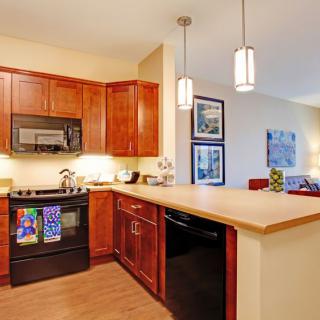
 Friendly, attentive staff and clean, well-equipped amenities that support an active lifestyle.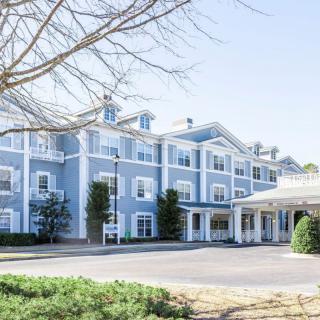

 Dementia Behaviors: In-Depth Understanding and Effective Coping Strategies
 5 Early Indicators of Dementia and What You Can Do
 8 Important Indicators That Memory Care May Be Necessary