

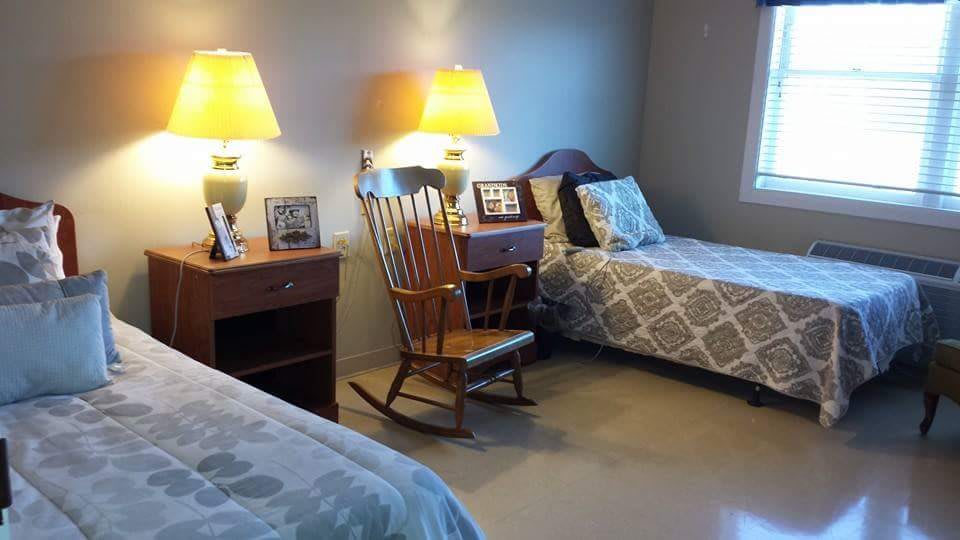
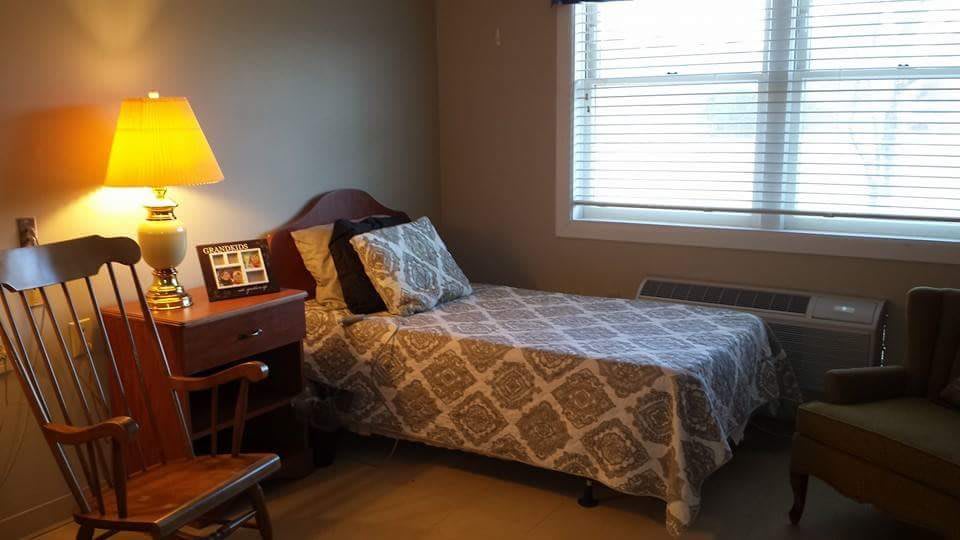
292 McDougall Drive, West End, NC 27376
For more information about senior living options: (866) 208-4318
Seven Lakes Assisted Living Costs & Pricing
Seven Lakes Assisted Living offers competitive pricing for its residents, particularly when compared to both Moore County and the broader state of North Carolina. For a semi-private room, residents at Seven Lakes pay $2,550 per month, which is significantly lower than the county average of $3,259 and the state average of $3,584. Similarly, those opting for a studio can expect to pay $3,200 monthly at Seven Lakes - again more affordable than the county's $3,500 and well below the state's average of $4,020. This makes Seven Lakes an appealing choice for individuals seeking quality assisted living without straining their financial resources.
| Floor plans | Seven Lakes Assisted Living | Moore County | North Carolina |
|---|---|---|---|
| Semi-Private | $2,550 | $3,259 | $3,584 |
| Studio | $3,200 | $3,500 | $4,020 |
Memory care communities with a similar price nearby
-
About the same
Peak Resources - Pinelake
$2,500 to $4,500 / month10.6 miles away -
from -$255 / mo
Montgomery Senior Living
$2,295 to $3,245 / month14.0 miles away -
from +$180 / mo
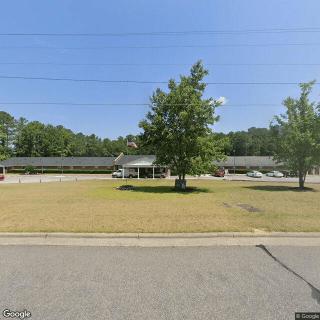
Integrity Hermitage Retirement Center
$2,730 to $3,000 / month25.0 miles away
Overall Review of Seven Lakes Assisted Living
Pros
 The team at Seven Lakes Assisted Living and Memory Care demonstrates rare longevity in senior living.
- The director and the entire team go above and beyond to be involved in daily operations and resident care.
- Amanda B. and the staff provide excellent care and treat residents like family.
- Seven Lakes is regarded as one of the best facilities for loved ones.
- The facility follows guidelines and maintains a safe environment for all residents and staff.
- The staff is top notch, and the facility strives to provide the highest quality care.
Cons
 The grandma’s family reported that, although it started well, by the end no one picked up the phone.
- The reviewer described the ending as “super bad.”
- The reviewer stated that the person in charge was “the devil.”
Review
Seven Lakes Assisted Living in West End, NC is best suited for families that want a warm, home-like atmosphere backed by a long-tenured, highly involved caregiving team. This community excels for residents who value genuine, ongoing relationships with staff and leaders and who appreciate a culture that treats everyday care as a family affair. The strongest fit is for those navigating memory care needs or general assisted living where stability, continuity, and personal attention matter most, and where a director-led team is clearly visible in day-to-day operations.
What sets Seven Lakes apart is not a flashy program but the people who stay the course. A core advantage is staff longevity; the same team members and leadership are consistently present, which translates into deep knowledge of individual preferences, routines, and subtle health cues. Families repeatedly mention that Amanda and her colleagues treat residents with the same care and consideration they would expect for their own loved ones. That sense of familiarity often reduces the friction families feel when transitioning to assisted living, offering reassurance that the daily experience will be steady and personal rather than transactional.
The facility’s stated strength, a culture of care that feels like family, also extends to the memory care component, which is a critical consideration for many families. Reviewers praise the staff’s commitment and the sense that residents are genuinely valued. When care needs change, the consistent team is more likely to recognize and respond to shifts in condition, moods, and routines, which can be decisive for families seeking reliable, compassionate daily support. The overall message is clear: quality care is real, and residents are nurtured in a setting that prioritizes dignity and respect.
Yet, there are notable caveats that prospective families should weigh. A minority of experiences point to gaps in communication, such as times when calls or updates were not answered promptly. Leadership style has also been a point of contention for some reviewers, with mixed impressions about management approach and presence. These concerns do not negate the evident warmth and dedication described by many residents and families, but they do suggest that the effectiveness of care can hinge on one’s expectations about responsiveness and leadership visibility across shifts.
When the pros are weighed against these cons, seven lakes’ most comparable strengths still carry considerable weight. The continuity of care staff reduces turnover-related disruptions and fosters dependable relationships with residents, which often leads to better monitoring, tailored activity, and smoother transitions between levels of care. The emphasis on “treating residents like family” creates an environment where caregivers know preferences, dietary needs, and personal histories, factors that matter deeply to families seeking comfort and consistency. For memory care, this depth of familiarity can translate into more attentive supervision and a more personalized approach to daily living activities.
For families evaluating alternatives, the prudent question is whether a more uniformly responsive leadership presence and faster escalation on issues are non-negotiable. If immediate communication and a management style that feels consistently proactive across all shifts are essential, or if a facility must offer broader or more specialized dementia programming beyond what Seven Lakes provides, exploring other communities may be warranted. The available feedback suggests that some may prefer a setting with a more direct 24/7 leadership heartbeat or with a sharper emphasis on rapid updates and problem resolution.
In short, Seven Lakes Assisted Living offers a compelling combination of memorable staff, a family-forward culture, and dependable, compassionate care, especially for memory care and long-term residents who thrive on established routines and personal connections. The decisive factor for families is how much they value ongoing staff relationships and a home-like atmosphere versus the need for flawless responsiveness and uniform leadership presence. Prospective movers should schedule informed visits, question staff-to-resident ratios, and assess how well current communication practices align with the family’s expectations. The right choice will hinge on prioritizing continuity and warmth over the occasional gaps in responsiveness, or vice versa depending on individual circumstances and expectations.
 60 resident community capacity
 Assisted Living
 Memory Care
 Activities off-site
 Air-conditioning
 Beautician on-site
 Cable or satellite TV
 Computer center
 Devotional services off-site
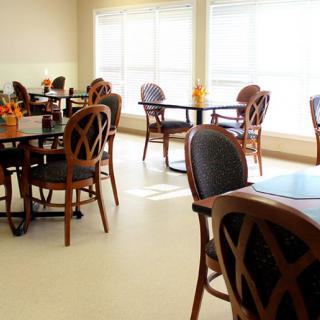
 Dining room
 Fitness room
 Fully furnished
 Gaming room
 Garden
 Ground floor units
 Handicap accessible
 Housekeeping services
 Indoor common areas
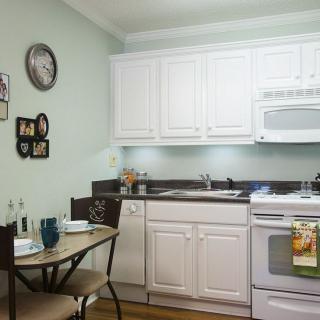
 Kitchenette
 Move-in coordination
 Outdoor common areas
 Private bathrooms
 Respite or short term stays offered
 Restaurant-style dining
 Small library
 Telephone
 Wellness center
 Wheelchair accessible showers
 Wi-Fi/high-speed internet available
 Community operated transportation
 12-16 hour nursing
 24-hour call system
 Ambulatory care
 Assistance with bathing
 Assistance with dressing
 Assistance with transfers
 Diabetes diet
 Diabetic care
 Incontinence care
 Medication management
 Mental wellness program
 Special dietary restrictions
 Art classes
 Catholic services
 Concierge services
 Day trips and outings
 Educational speakers / life long learning
 Live dance or theater performances
 Live musical performances

 Delving into the Inner World of Dementia: Insights into Thoughts and Awareness
 Five Subtle Dementia Indicators to Observe: An In-Depth Guide to Understanding “Does My Mom Have Dementia?”
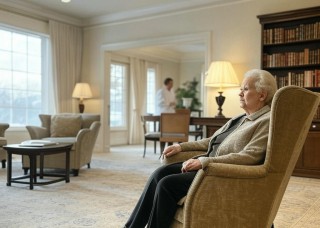 Dementia, Paranoia, and Caregiver Guidance: Understanding the Connection