
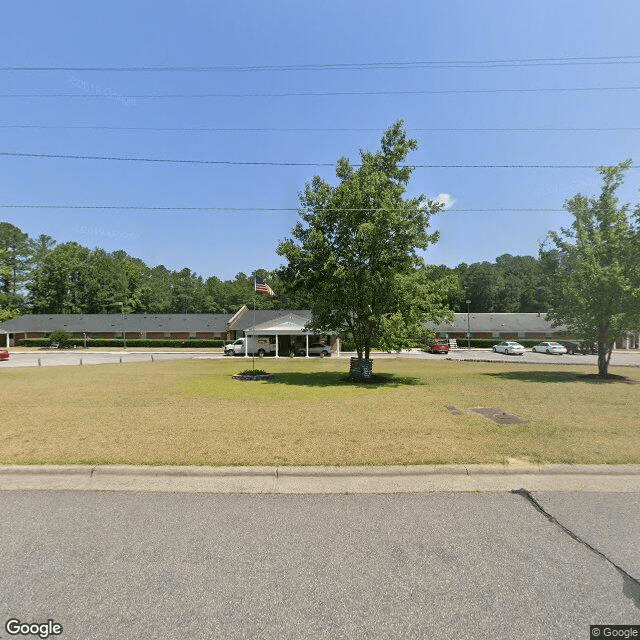
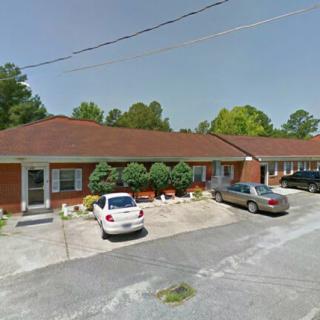
139 Mallard Ln, Rockingham, NC 28379
To contact a resident: (910) 895-0750
For more information about senior living options: (866) 208-4318
Integrity Hermitage Retirement Center Costs & Pricing
Integrity Hermitage Retirement Center offers competitive pricing for its residents compared to both Richmond County and the broader landscape of North Carolina. With a monthly cost of $2,730 for a semi-private room, Integrity Hermitage is slightly more economical than the county average of $2,818, presenting a valuable option for those seeking affordability without compromising on care. For those preferring a one-bedroom accommodation, the center's fee of $3,000 not only undercuts Richmond County's average of $3,525 but also represents significant savings when placed against the state average of $4,055. This makes Integrity Hermitage an attractive choice for individuals looking for quality senior living that aligns with their financial considerations.
| Floor plans | Integrity Hermitage Retirement Center | Richmond County | North Carolina |
|---|---|---|---|
| Semi-Private | $2,730 | $2,818 | $3,584 |
| 1 Bedroom | $3,000 | $3,525 | $4,055 |
Memory care communities with a similar price nearby
-
from -$180 / mo
Seven Lakes Assisted Living
$2,550 to $3,200 / month25.0 miles away
Overall Review of Integrity Hermitage Retirement Center
Pros
 Integrity Heritage Retirement Center is loved by residents and their families.
- Everything is working out great there.
- The staff and residents are all so friendly.
- They take really good care of the residents.
- The Hermitage boasts of 24-hour supervision and exceptional care.
- With 24 hours of supervision and care, families rest better knowing their loved ones are cared for every day.
Cons
 The place is described as a dump with bugs on the walls and poor cleanliness.
- It is dirty and poorly run, with a new patient admitted without proper communication about staff competence and a resident with broken eyeglasses who could not see.
- Residents are kept in lockdown with insufficient help.
- The facility's claim of 24-hour supervision and exceptional care is contradicted by a death due to negligence and unsupervised exposure outside at night.
- A reviewer notes a past near-accident involving a resident and the staff's dismissive response.
- People are advised never to place a loved one in this facility.
- The facility is unsafe, with neglect, malnutrition, chemical restraints, and at least one death; it should be closed down.
- No one should be placed there, as residents would be neglected and unattended.
Review
This community is best suited for residents who are largely independent and do not require intensive daily caregiving, and for families willing to assume a high degree of close oversight and rapid intervention. The strongest signals, friendly staff and residents, plus occasional assurances of attentive care, only hold when care needs stay minimal and supervision remains constant. For anyone whose loved one depends on reliable, professional supervision, this option does not serve as a dependable baseline.
Those who should consider alternatives are families prioritizing safety, cleanliness, and transparent accountability. If a senior’s needs include consistent monitoring, responsive assistance, or interventions during missteps, other communities with demonstrable staffing stability and cleaner, safer environments are far more prudent choices. The balance of evidence here tilts heavily toward risk, and that is a critical factor for decision-making.
The most persuasive pros, claimed 24-hour supervision, and occasional praise of caregiving when it works, do not meaningfully offset the lead drawbacks. When a facility touts constant oversight yet residents report being left unsupervised, the stated benefit collapses into a hollow claim. Even in favorable anecdotes, the overall pattern in the reviews points to inconsistency: good intentions are visible, but inconsistent execution creates dangerous gaps, not reassurance. In practice, the positive notes fail to counteract the persistent concerns about safety and daily living conditions.
The main cons are severe and persistent. Multiple accounts describe unclean conditions and pest problems, with complaints of bugs and cleanliness issues that erode basic dignity and health. Communication breakdowns compound risk, new residents entering a setting without clear handoff and staff knowledge, and glasses or other essential items going missing or broken. Most troubling are explicit allegations of neglect and unsafe incidents: residents left unsupervised, a deadly outcome attributed to negligence, and instances of residents being placed in dangerous situations without timely response. The combination of possible chemical restraint accusations, malnutrition concerns, and a history of rapid, insufficient responses creates a pattern too troubling to overlook.
From a practitioner’s standpoint, the decision framework is clear. Investigate state inspection histories and deficiency records; demand recent incident logs; request live demonstrations of daily routines; and insist on seeing staffing schedules and staff-to-resident ratios for various shifts. Speak with independent representatives or ombudsmen, and visit at different times of day and week to observe actual supervision and cleanliness. If any red flag appears in the regulatory record or during tours, treat it as a non-starter. Ensure that a family member accompanies the resident to all meetings and tours, and insist on concrete, verifiable commitments, especially around response times, emergency procedures, and environmental hygiene.
In sum, Integrity Hermitage Retirement Center presents a risk profile that outweighs the potential positives for the vast majority of seniors. The decisive message is to pursue other communities that can demonstrate consistent safety, transparent care practices, and a clean, well-maintained environment. If alternatives are truly limited, approach this option only with rigorous due diligence and unwavering contingency plans. The priority in any elder-care decision remains the resident’s safety, dignity, and daily quality of life, and in this case, those standards point decisively toward exploring other opportunities.
 Assisted Living
 Memory Care
 Activities off-site
 Air-conditioning
 Bath tubs
 Beautician on-site
 Devotional services on-site
 Ground floor units
 Indoor common areas
 Outdoor common areas
 Private bathrooms
 Respite or short term stays offered
 Wheelchair accessible showers
 Diabetic care
 Incontinence care
 Medication management
 Gluten-free
 Art classes
 Day trips and outings
 Gardening club
 Live dance or theater performances
 Live musical performances
 Live well programs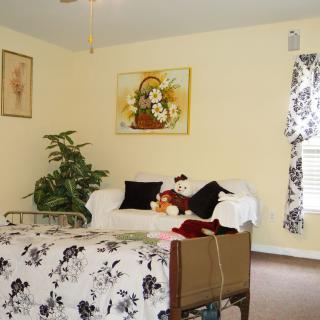


 An In-Depth Look at Reminiscence Therapy in Dementia Care
 Dementia-Related Hallucinations: Causes, Experiences, and Practical Approaches
 Illuminating Insights About Alzheimer's Disease: Ten Crucial Realities