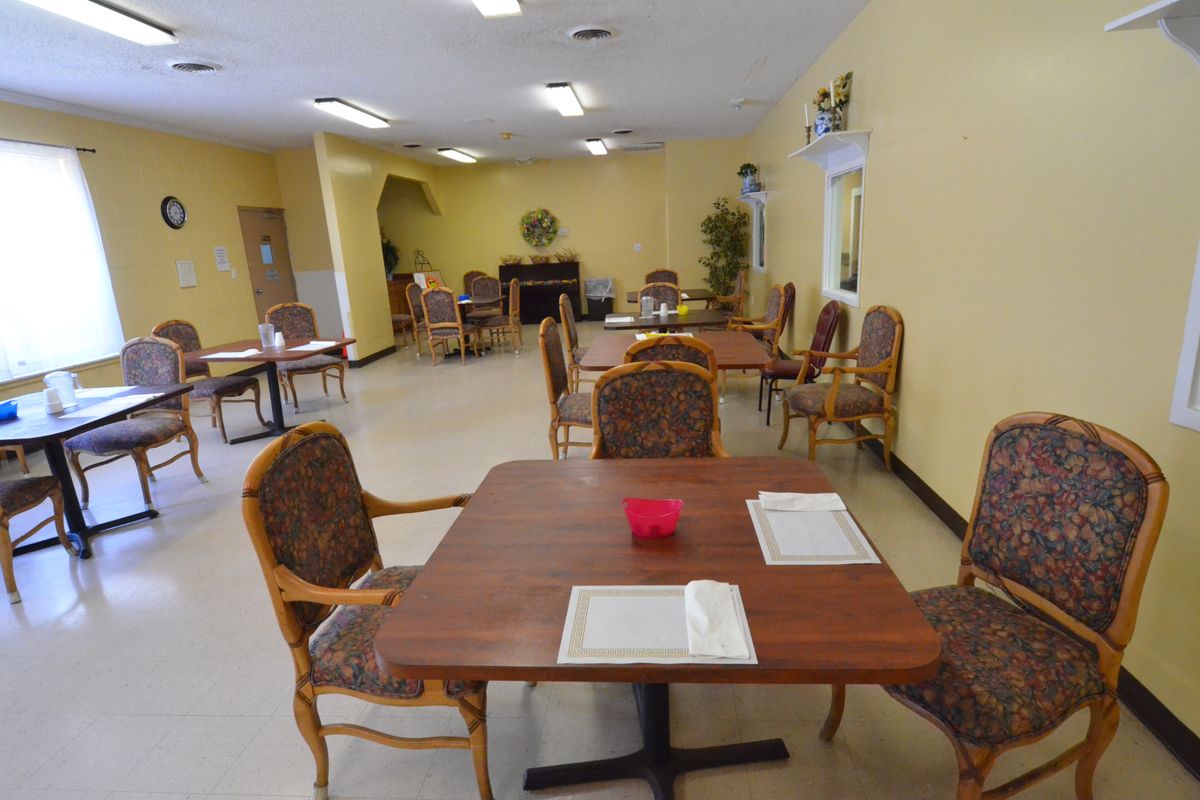
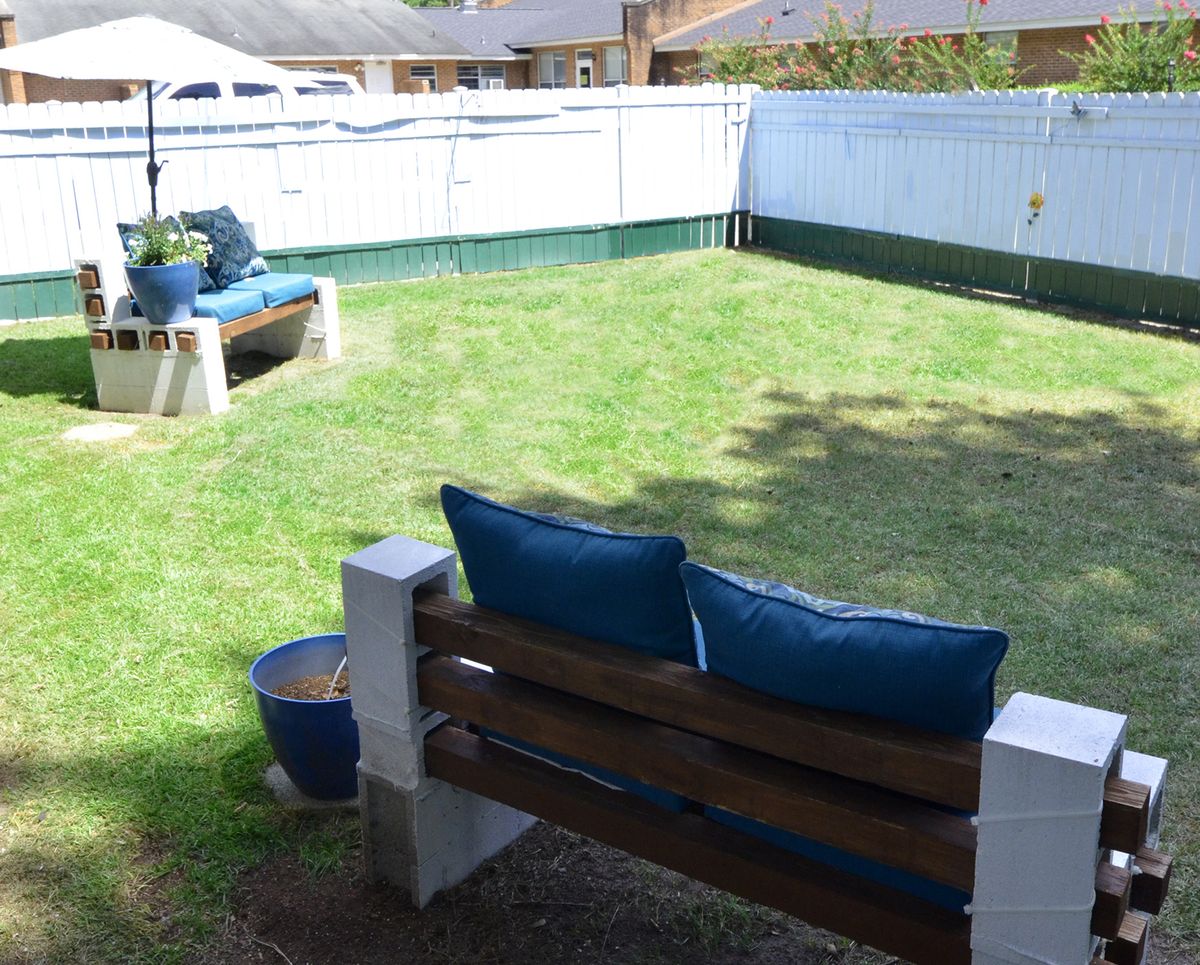
139 Mallard Lane, Rockingham, NC 28379
For more information about senior living options: (866) 208-4318
Overall Review of Hermitage Retirement Center Of Rockingham
Pros
 The hermitage boasts of their 24hr supervision and exceptional care.
- With 24 hours supervision and care, family members rest better knowing their loved ones are taken care of every day.
Cons
 The place is described as a dump and unclean, with bugs on the walls.
- The facility is dirty and poorly run, admitting new patients without proper communication and with broken eyeglasses that leave residents unable to see.
- Residents are kept in lockdown with insufficient help.
- A long-time family friend died due to negligence after being left unsupervised, and the incident was captured on camera.
- The reviews warn never to put someone one cares about in this place.
- The facility is so unsafe and neglectful that the reviewer would give zero stars, citing malnutrition and chemical restraints, and suggesting it should be closed.
- The staff are portrayed as indifferent or dismissive to safety concerns, exemplified by a remark that minimizes dangerous behavior.
Review
This community is not well-suited for seniors who require dependable care, consistent supervision, and a clean, safe living environment. In practical terms, it should be ruled out for anyone who depends on staff to prevent wandering, assist with daily needs, and maintain basic hygiene. Families with real safety or care needs will want alternatives to Hermitage, and those with legitimate budget constraints still deserve a facility that does not trade dignity for a lower price tag. The clear takeaway is that this option is a last resort, not a viable match for anyone who expects to trust their loved one to a staffed, orderly setting.
On the positive side, the facility does advertise 24/7 supervision and “exceptional care” as part of its selling points. That marketing narrative promises reassurance to families seeking round-the-clock monitoring and a consistently attentive staff. Even so, the reviews largely contradict these claims, portraying the level of supervision as inadequate and episodic at best. When the portrayal shifts from marketing language to lived experience, the gaps in surveillance and responsiveness become the decisive fault line. In other words, the stated pro cannot be relied upon to offset the pervasive concerns raised by residents and families.
The undeniable downsides far outweigh any potential upside. Cleanliness and maintenance are chief concerns, with repeated reports of bugs, dirty surroundings, and broken eyewear that impaired vision. The living environment appears to be poorly maintained, creating safety hazards in plain sight. More troubling are the accounts of neglect and insufficient help: residents described as unattended, a lack of timely assistance, and situations that leave vulnerable individuals exposed to risk. A chilling theme runs through several accounts of residents being unsupervised during critical moments, including a fatal incident that allegedly occurred after a lapse in oversight. Such narratives are not minor cautions; they point to real dangers that can have irreversible consequences.
In balancing what is advertised against what is experienced, the promised 24/7 supervision and care do not meaningfully offset the gravity of the reported failures. Supervision without an effective, well-supported staff response system is hollow. Cleanliness failures compound safety concerns, and allegations of neglect, malnutrition, and even chemical restraint paint a picture of a facility unprepared to safeguard residents’ health and dignity. When a care setting risks lives and daily well-being, promotional claims lose their persuasive power. The cons here are systematic and persistent enough to overshadow any minor or transient positives.
For families evaluating options, a disciplined, action-oriented approach is essential. Arrange a thorough in-person tour and ask pointed questions about staff-to-resident ratios, training, and shift coverage. Request recent inspection reports, citations, and how current leadership addresses any deficiencies. Speak directly with current residents and independent witnesses about daily routines, response times, and quality of meals and hygiene. Verify the facility’s policies on restraint, nutrition, and emergency procedures, and seek concrete commitments to environmental cleanliness and safety upgrades. If the answers feel vague or the conditions feel uncertain, walk away and explore other communities.
In sum, Hermitage Retirement Center of Rockingham presents a risk-heavy profile that should push families toward other options. It is hard to justify hoping for improvement when credibility of safety claims is called into question by multiple accounts of neglect and danger. Alternatives with stronger cleanliness records, clearer supervision protocols, and verifiable positive outcomes deserve serious consideration. For families prioritizing safety, dignity, and reliable care, the prudent move is to steer toward other Rockingham-area options with established track records and transparent operations. In-home care or vetted local facilities with demonstrably better standards are often a smarter, less risky path.
 114 resident community capacity
 Assisted Living
 Memory Care
 Air-conditioning
 Beauty salon
 Cable or satellite TV
 Computer center
 Dining room
 Fitness room
 Fully furnished
 Gaming room
 Garden
 Housekeeping services
 Kitchenette
 Move-in coordination
 Outdoor space
 Private bathrooms
 Restaurant-style dining
 Small library
 Telephone
 Wellness center
 Wi-Fi/high-speed internet available
 Community operated transportation
 12-16 hour nursing
 24-hour call system
 Activities of daily living assistance
 Assistance with bathing
 Assistance with dressing
 Assistance with transfers
 Diabetes diet
 Medication management
 Mental wellness program
 Special dietary restrictions
 Concierge services
 Planned day trips





 Understanding Dementia Through Its Seven Stages: A Comprehensive Look at Progression and Expectations
 A Holistic Dementia Care Guide: Effective Strategies for Memory Support
 Memory Care Pathways: A Holistic Guide to Dementia Support