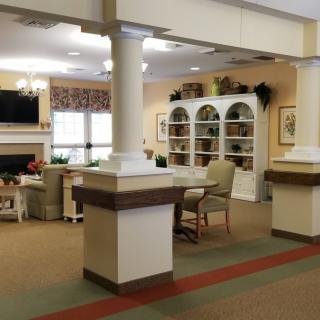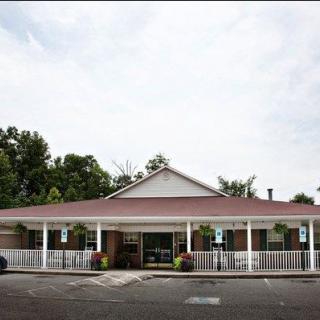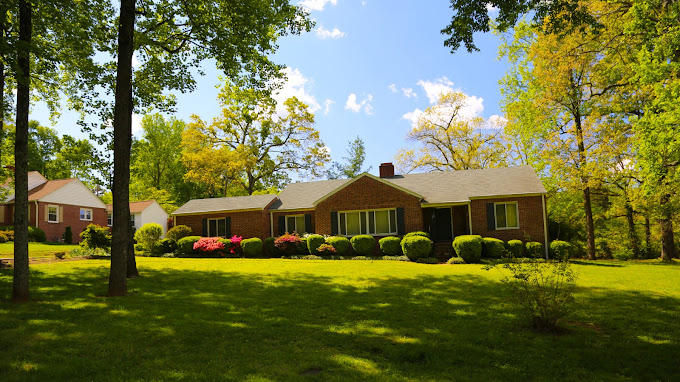
The Clinard House in Thomasville, NC

Save
The Clinard House

The Clinard House in Thomasville, NC

108 Kathland Avenue, Thomasville, NC 27360

For more information about senior living options: (844) 490-3973

4.8 from 16 reviews
5 stars
15
4 stars
0
3 stars
0
2 stars
0
1 stars
1

Assisted Living Board and Care Home

Overall Review of The Clinard House

Pros

  • pro The Almost Home Group provides a home-like approach that prioritizes safety and loving care for loved ones.
  • pro Their staff are described as the best on the planet and truly devoted to residents.
  • pro Clinard House offers an unmatched staff-to-patient ratio, a spotless environment, and individualized, thorough care.
  • pro The Clinard House has become a true home where residents receive constant supervision, interaction, love, and attention.
  • pro Families feel peace of mind knowing their loved ones are in capable, compassionate hands at Clinard House.
  • pro The caregivers treat residents with respect and dignity and give them as much freedom as possible.
  • pro Kathy and her team are highly caring, genuine, and treat families like part of the inner circle.
  • pro The Almost Home Group's model feels like home and is pioneering a dementia-care approach unmatched by traditional facilities.
  • pro The environment at these homes fosters family-like warmth, happiness, dignity, and better quality of life for residents.
  • pro People describe the care as a blessing and would readily recommend Clinard House and the Almost Home Group.

Cons

  • pro One reviewer felt that a traditional nursing home was a death sentence.
  • pro Another reviewer described horrible experiences with other facilities before finding Clinard House.
  • pro A reviewer noted that no one wants to have to put a family member in a home.
  • pro A reviewer said the prior memory care facility was not a good fit because it wasn't a "home" and couldn't meet her father's behavior needs.
  • pro A reviewer described the journey through poor adjustment and an inpatient psychiatric admission at other facilities before moving his father to the Almost Home Group.

Review

The Clinard House, part of The Almost Home Group in Thomasville, NC, is best suited for families seeking dementia-focused care that feels like a genuine home rather than a clinical campus. It is especially strong for residents with Alzheimer's or Lewy body dementia who need steady supervision, individualized routines, and care delivered with warmth and continuity. The setting emphasizes a low-key, home-style experience where staff-to-resident interaction happens routinely and meaningfully. Families consistently describe the atmosphere as intimate, attentive, and family-like, with caregivers who know preferences, tastes, and daily rhythms - an environment that supports dignity and meaningful daily life.

Those who might want alternatives are those who require a more traditional, hospital-like care environment or access to expansive on-site medical services and a broader slate of campus amenities. Large corporate facilities with abundant social programming, sport-style activities, or higher-volume admissions may feel impersonal to some families, especially if priority is on a wider array of therapy options or more formalized clinical oversight. For residents who need intensive medical interventions or around-the-clock hospital-grade equipment, a larger memory-care campus with more extensive medical staffing could be a better match. For these families, the Clinard House's home model, while superb in its niche, may not deliver the breadth of services they expect in a traditional setting.

The strongest pros here - especially the 24/7 one-on-one care and the home-like, personalized approach - directly offset the potential drawbacks of a smaller, intimate setting. Caregivers are not merely present; they are deeply involved in daily life, with routines tailored to individual preferences. The reviews repeatedly highlight immaculate cleanliness, comfortable beds, and thorough, individualized care plans. By design, this model minimizes hospital visits and over-medication, promoting stability, better mood, and a sense of safety. Families speak of relief and peace of mind that comes from knowing a loved one is treated with consistent dignity, rather than being shuffled through large-scale systems. When a resident's behavior or needs intensify, the staff's familiarity with the person allows for responsive, compassionate management that many memory-care families prize.

Beyond the care model, the practical benefits are substantial. The home environment translates to meaningful daily life: home-cooked meals, genuine supervision, and a staff that acts more like a family than a roster of employees. The staff's dedication is repeatedly cited - Kathy and her team are described as "angels" and "the best staff on the planet." This isn't just sentiment; families report tangible outcomes: restored appetite, improved hygiene, steadier weight, and a level of social engagement that preserves personality and joy. The continuity of care, combined with a culture of respect and personal attention, reduces the anxiety families feel about relocation and hospitalizations, and it often accelerates the resident's sense of belonging in their final chapter.

For families evaluating options, practical tour questions should center on the care philosophy, staffing dynamics, and how memory-care specifics are handled day-to-day. Inquire about the caregiver-to-resident ratio in practice, how shifts are structured, and how behavior management is executed in a home setting. Ask how daily routines are built around resident preferences, what meal planning looks like, and how residents transition to hospice or palliative care when needed. Consider the value of the visible "home" atmosphere, the cleanliness, and the transparency families receive - such as real-time updates and open communication. These factors often determine whether the emotional relief of this model outweighs any desire for broader campus amenities.

Bottom line: for families prioritizing a dementia-care model that respects dignity, individuality, and daily life in a true home, Clinard House stands out as a top option. Its Almost Home Group approach delivers unmatched warmth, low-key but vigilant supervision, and deeply personalized care that many families once thought impossible outside of a hospital or an old-fashioned home setting. If the goal is a setting where staff truly know the resident and where care feels like a living, loving partnership, this community deserves serious consideration. If, conversely, the priority is a larger campus, broader clinical services, or more conventional "nursing home" infrastructure, it would be prudent to compare alternatives carefully and schedule a firsthand visit to gauge fit. In the right match, Clinard House is not just a place to stay; it becomes a trusted home where dignity, safety, and daily joy are deliberately prioritized.

Features

Housing

  • 6 resident community capacity 6 resident community capacity

Types of Care

  • Assisted Living Assisted LivingAssisted living facilities provide crucial support and care for seniors who may need help with daily tasks such as medication management, bathing, and meal preparation. These communities offer a safe and comfortable environment where seniors can maintain their independence while receiving the assistance they need to thrive in their golden years.
  • Board and Care Home Board and Care HomeBoard and care homes provide a smaller, more intimate setting for seniors who require assistance with daily tasks but do not need the level of care offered by a nursing home. They offer personalized care, meals, and social activities in a homelike environment, ensuring that seniors receive individualized attention and support in their golden years.

Amenities

  • Cable or satellite TV Cable or satellite TVCable or satellite TV is important for seniors because it provides entertainment, news, and companionship, helping to combat loneliness and boredom. It also offers a wide range of programming options tailored to different interests and preferences.
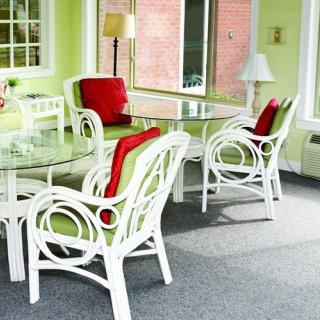
  • Dining room Dining roomDining rooms are important for seniors as they provide a space for socialization, connection, and nutritious meals. They offer opportunities for residents to bond over shared meals, foster a sense of community, and promote healthy eating habits. Dining rooms also ensure that seniors have access to well-balanced meals tailored to their dietary needs and preferences.
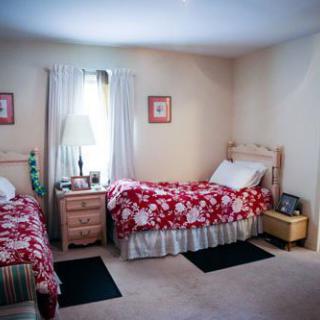
  • Fully furnished Fully furnishedFully furnished senior living communities are important for seniors because they provide convenience, comfort, and a hassle-free moving experience. Seniors can easily settle into their new living space without the stress of having to buy and move furniture. This allows them to focus on enjoying their new home and community.
  • Garden GardenGardens are important for seniors as they provide a peaceful and therapeutic environment for relaxation, physical activity, and socialization. Being in nature has been shown to reduce stress, improve mood, and promote overall well-being. Gardens also offer opportunities for seniors to engage in gardening activities, which can improve mobility, flexibility, and cognitive function. Additionally, gardens create a sense of community and connection with others who share a passion for plants and outdoor spaces.
  • Housekeeping services Housekeeping servicesHousekeeping services are important for seniors because they help maintain a clean and safe living environment, promote independence, and reduce the risk of accidents or illnesses. Additionally, having assistance with household chores can alleviate physical strain and allow seniors to focus on other aspects of their well-being.
  • Move-in coordination Move-in coordinationMove-in coordination is important for seniors because it helps ease the transition into their new living environment. It ensures that all logistics, such as packing, organizing movers, and setting up utilities are taken care of, allowing seniors to focus on settling in and adjusting to their new home. Having a smooth move-in process can alleviate stress and anxiety, making the transition smoother and more enjoyable for seniors.
  • Outdoor space Outdoor spaceOutdoor spaces are important for seniors as they provide opportunities for physical activity, social interaction, exposure to natural light and fresh air, and a sense of connection to nature. Having access to outdoor spaces can improve overall well-being and quality of life for older adults living in senior communities.
  • Telephone TelephoneTelephones are important for seniors as they provide a lifeline for communication with loved ones, emergency services, and healthcare providers. They offer a sense of security and independence, enabling seniors to stay connected and access assistance when needed.
  • Wi-Fi/high-speed internet available Wi-Fi/high-speed internet availableWi-Fi/high-speed internet is important for seniors to stay connected with loved ones, access online resources, and participate in virtual activities to combat feelings of loneliness and isolation. It also allows them to easily manage healthcare needs, access entertainment, and engage in lifelong learning opportunities.

Transportation

  • Piedmont Triad International (15 miles away) Piedmont Triad International (15 miles away)

Care Services

  • 24-hour supervision 24-hour supervision24-hour supervision is important for seniors to ensure their safety, well-being, and access to immediate assistance in case of emergencies or health issues. This constant support provides peace of mind for both seniors and their loved ones, allowing them to age in place with dignity and security.
  • Activities of daily living assistance Activities of daily living assistanceActivities of daily living assistance are important for seniors because they provide essential support with tasks such as eating, bathing, dressing, and mobility. This assistance helps seniors maintain their independence, dignity, and overall quality of life as they age.
  • Assistance with bathing Assistance with bathingAssistance with bathing is crucial for seniors as it helps maintain personal hygiene, prevents infections, and ensures their overall well-being and comfort. It also provides a sense of dignity and independence for seniors who may struggle with this task on their own.
  • Assistance with dressing Assistance with dressingAssistance with dressing is important for seniors because it helps maintain their independence, promotes personal hygiene, prevents accidents and injuries, and improves overall quality of life. This service ensures that seniors can continue to dress comfortably and confidently, despite any physical limitations they may have.
  • Assistance with transfers Assistance with transfersAssistance with transfers is crucial for seniors as it helps prevent falls and injuries, maintains their independence, and ensures they can safely navigate their living environment. It also provides peace of mind for both seniors and their loved ones.
  • Coordination with health care providers Coordination with health care providersCoordination with health care providers is crucial for seniors to ensure proper medical care, medication management, and overall well-being. This collaboration helps prevent overlapping treatments, track progress more effectively, and provide comprehensive support tailored to individual needs.
  • Diabetes diet Diabetes dietA diabetes diet is crucial for seniors as it helps manage blood sugar levels, reduce risks of complications, and improve overall health and well-being. By following a balanced and nutritious diet tailored to their specific needs, seniors can better control their diabetes and enhance their quality of life.
  • Meal preparation and service Meal preparation and serviceMeal preparation and service are crucial for seniors as they may have limited mobility or energy to cook nutritious meals. Having access to healthy and convenient food options can ensure they are getting the proper nutrition needed to maintain their overall health and well-being.
  • Medication management Medication managementMedication management is crucial for seniors to ensure they are taking the right medications at the correct dosages and times. This helps prevent adverse drug interactions, reduces the risk of medication errors, and promotes overall health and well-being. Proactive management also allows for adjustments as needed based on changing health conditions or new prescriptions.
  • Special dietary restrictions Special dietary restrictionsSpecial dietary restrictions are important for seniors because age-related changes in metabolism and health conditions can make it difficult for their bodies to process certain foods. By following a diet tailored to their specific needs, seniors can maintain their overall health and well-being, manage chronic conditions, and reduce the risk of complications such as malnutrition or food interactions with medications.
  • Transportation arrangement (medical) Transportation arrangement (medical)Transportation arrangements for medical purposes are essential for seniors as they may have difficulty driving themselves to appointments or accessing public transportation. Having reliable and safe transportation options ensures that seniors can receive timely medical care and maintain their health and well-being.
  • Transportation to doctors appointments Transportation to doctors appointmentsTransportation to doctors' appointments is crucial for seniors as it ensures they have access to necessary medical care and support for their health needs. Without reliable transportation, seniors may struggle to attend important appointments, leading to potential delays in treatment and health complications. Providing transportation services helps seniors maintain their overall well-being and quality of life.
Dining

  • Diabetes diet Diabetes dietA diabetes diet is crucial for seniors as it helps manage blood sugar levels, reduce risks of complications, and improve overall health and well-being. By following a balanced and nutritious diet tailored to their specific needs, seniors can better control their diabetes and enhance their quality of life.
  • Special dietary restrictions Special dietary restrictionsSpecial dietary restrictions are important for seniors because age-related changes in metabolism and health conditions can make it difficult for their bodies to process certain foods. By following a diet tailored to their specific needs, seniors can maintain their overall health and well-being, manage chronic conditions, and reduce the risk of complications such as malnutrition or food interactions with medications.

Activities

  • Community-sponsored activities Community-sponsored activitiesCommunity-sponsored activities are important for seniors as they provide opportunities for social interaction, mental stimulation, and physical activity. These activities can help improve overall well-being, combat loneliness and isolation, and promote a sense of belonging and purpose among older adults.
  • Scheduled daily activities Scheduled daily activitiesScheduled daily activities are important for seniors because they provide structure, socialization, mental stimulation, and physical activity. Engaging in regular activities can improve overall well-being and quality of life for seniors living in a community setting.

Description

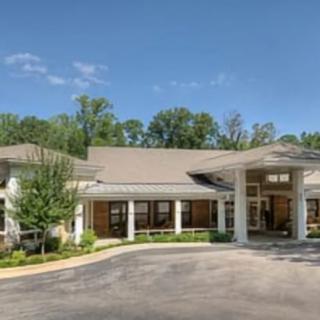
The Clinard House, located in Thomasville, NC, is a board and care home that offers top-notch care services for seniors. This welcoming community provides a comfortable and fully furnished environment for residents to call home.

At the Clinard House, residents can enjoy the convenience of having their meals prepared and served in the on-site dining room. The staff caters to special dietary restrictions, ensuring that each resident receives meals tailored to their specific needs.

Residents can engage in various activities throughout the day, as the community offers scheduled daily activities. These activities aim to promote socialization and stimulation among residents, enhancing their overall well-being.

To ensure that all residents receive optimum care and assistance, the dedicated staff at the Clinard House provides support with activities of daily living such as bathing, dressing, and transfers. They also coordinate with healthcare providers to ensure that residents receive necessary medical attention when needed.

For those with diabetes or special dietary needs, the staff at the Clinard House is well-equipped to handle these requirements. They provide specialized diabetes diets and accommodate other dietary restrictions as necessary.

Additionally, medication management services are available to ensure that residents take their medications as prescribed by their healthcare providers.

The Clinard House understands the importance of transportation for medical appointments. Therefore, they offer transportation arrangements both for medical purposes and for regular doctor's appointments.

In terms of amenities, the community provides outdoor spaces where residents can relax and enjoy fresh air. Wi-Fi/high-speed internet is readily available so that residents can stay connected with loved ones or pursue personal interests online.

Housekeeping services are provided regularly to maintain a clean and organized living environment. Move-in coordination services are also offered to assist new residents in settling into their new homes seamlessly.

Overall, the Clinard House prides itself on providing exceptional care services while ensuring that each resident's individual needs are met. With its warm atmosphere and comprehensive range of amenities and services, this assisted living community offers an ideal environment for seniors to flourish and enjoy their golden years.

Nearby Places of Interest

Pharmacies

  • Target Pharmacy (8 miles)
  • Walgreens (9.2 miles)
  • Healthy House (9.6 miles)
  • Walgreens (10.6 miles)
  • Walgreens (12.2 miles)
  • CVS Pharmacy (12.6 miles)
  • Walgreens (13.2 miles)

Restaurants

  • Rice Paper (8.1 miles)
  • Chick-Fil-A (10.8 miles)
  • Salsarita's Fresh Mexican Grill (11 miles)
  • Porterhouse Burger Company (11 miles)
  • Chicken Salad Chick (11 miles)
  • McAlister's Deli (11 miles)
  • Cracker Barrel Old Country Store (12.5 miles)

Places of Worship

  • Immaculate Heart of Mary Catholic Church (9.7 miles)
  • Baptist State Convention Of NC (13 miles)
  • South Plainfield Friends Meeting (13.5 miles)
  • Pinecroft Baptist Church (14.9 miles)
  • Sawyersville Wesleyan Church (15.4 miles)
  • Abundant Life (16.5 miles)
  • Lindley Park Baptist Church (16.8 miles)

Hospitals

  • Bethany Cardiology (10.4 miles)
  • Wake Forest Univ Bapt Med Center (17.3 miles)
  • WFBH Ardmore Tower (17.5 miles)

Parks

  • Union Cross Park (10.7 miles)
  • Salem Lake Trail (15.2 miles)
  • Miller Park (17.7 miles)

Physicians

  • North Davidson Center for Family Health (10.7 miles)
  • Guilford Family Dentistry (15.6 miles)
  • Bethany Medical & Pain Clinic (16.9 miles)
  • Greensboro Imaging (16.9 miles)
  • Eagle Family Medicine (17 miles)
  • Orthocarolina (17.1 miles)
  • Center For Clinical Research (17.1 miles)

Cafes

  • Panera Bread (10.8 miles)
  • Starbucks (14.3 miles)
  • Starbucks (16.4 miles)
  • Krankies Coffee (16.9 miles)
  • Starbucks (17.5 miles)

Theaters

  • Regal Palladium & IMAX (11 miles)
  • AMC CLASSIC Greensboro 18 (14.6 miles)

Frequently Asked Questions

Where is The Clinard House?

Nearby Communities

  • The Lyman House

    The Lyman House

    Thomasville, NC

    2.3 from 3 reviews
    $4,350 to $5,100 / month

    pro Fully furnished rooms with comprehensive care, meals, activities, and transportation coordination.

  • The Perryman House

    The Perryman House

    Thomasville, NC

    4.8 from 17 reviews
     

    pro Intimate, home-like setting with personalized, attentive care.

  • The Almost Home Group

    The Almost Home Group

    Thomasville, NC

    3 from 4 reviews
    $6,800 / month

    pro Small, homelike neighborly houses with 24/7, personalized care.

  • Curis At Thomasville Transitional Care & Rehab

    Curis At Thomasville Transitional Care & Rehab

    Thomasville, NC


    pro Extensive on-site amenities and services (dining, transportation, salon, fitness, library, wellness).

  • Spring Arbor of Thomasville

    Spring Arbor of Thomasville

    Thomasville, NC

    4.1 from 33 reviews
    $4,321 to $6,000 / month

    pro Caring staff, clean facility, and engaging memory-care activities.

  • Pine Ridge Health And Rehabilitation Center

    Pine Ridge Health And Rehabilitation Center

    Thomasville, NC

    2.5 from 63 reviews
     

    pro Comprehensive care with 24/7 support and extensive amenities.

  • Westchester Manor At Providence Place

    Westchester Manor At Providence Place

    High Point, NC

    3.3 from 33 reviews
     

    pro Clean, spacious rooms with friendly staff and solid therapy services.

  • Westchester Harbour

    Westchester Harbour

    High Point, NC

    4 from 11 reviews
    $4,180 to $5,140 / month

    pro Clean, homelike setting with attentive staff and good meals.

  • North Pointe Assisted Living Of Archdale

    North Pointe Assisted Living Of Archdale

    High Point, NC

    3.1 from 35 reviews
    $2,600 to $3,500 / month

    pro Friendly staff and responsive management.

Related Resources

  • how to pay for assisted livingSecuring Financial Support for Assisted Living: A Comprehensive Overview

    Assisted living facilities offer crucial support for older adults needing help with daily activities but come with varying and significant costs, which can be financed through personal savings, government assistance programs, long-term care insurance, and home equity options. Professional guidance from experts can aid families in navigating these financial complexities to establish a sustainable budgeting approach for assisted living services.

  • assisted living for seniors on social securitySocial Security Benefits and Assisted Living: Navigating Options Across the U.S.

    Assisted living costs often exceed Social Security benefits, necessitating a combination of funding sources like state aid and Medicaid. Understanding the interaction between Social Security programs and available financial support is essential for affording such care.

  • aid and attendance vaAn Extensive Exploration of the VA Aid and Attendance Benefit

    The VA Aid and Attendance benefit provides financial support to veterans needing assistance with daily living due to medical conditions or disabilities, augmenting standard VA pensions for services like in-home care. Eligibility is based on service duration, wartime status, income, and medical needs, with a detailed application process required to access funds for caregiving and home modifications.