


630 Whittier Ave, High Point, NC 27262
To contact a resident: (336) 888-6761
For more information about senior living options: (866) 208-4318
Westchester Harbour Costs & Pricing
Westchester Harbour offers competitive pricing for its accommodations, with semi-private rooms available at $4,180 per month, which is notably lower than the Randolph County average of $4,316 yet slightly higher than the state average of $3,584. For those seeking studio apartments, Westchester Harbour is priced at $5,140 per month - a figure that exceeds both Randolph County's rate of $4,089 and North Carolina's overall average of $4,020. These cost considerations highlight Westchester Harbour's positioning within the local market as a premium option that offers unique value despite being above some nearby alternatives for studio living.
| Floor plans | Westchester Harbour | Randolph County | North Carolina |
|---|---|---|---|
| Semi-Private | $4,180 | $4,316 | $3,584 |
| Studio | $5,140 | $4,089 | $4,020 |
Memory care communities with a similar price nearby
-
About the same
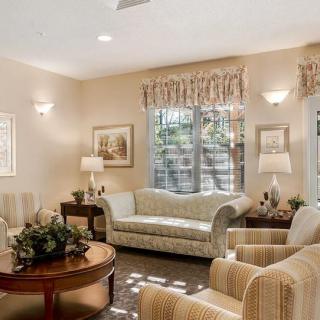
Cadence at Clemmons
$4,060 to $6,605 / month21.3 miles away -
About the same
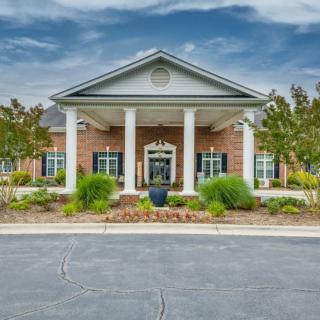
Mallard Ridge
$4,195 to $5,375 / month15.1 miles away -
from -$785 / mo

Harmony at Greensboro
$3,395 to $6,200 / month15.8 miles away -
from +$565 / mo
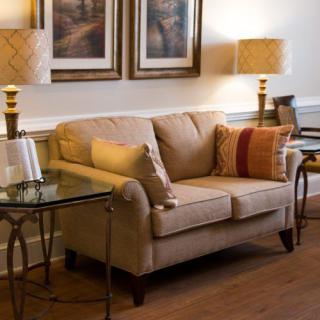
Kerner Ridge
$4,745 to $6,185 / month12.3 miles away -
from +$290 / mo
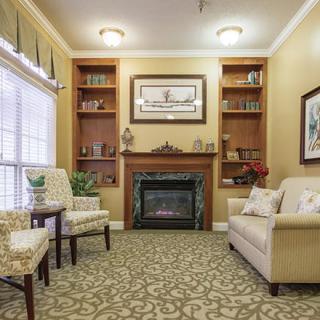
Brookdale Lexington
$4,470 to $5,805 / month14.7 miles away
Overall Review of Westchester Harbour
Pros
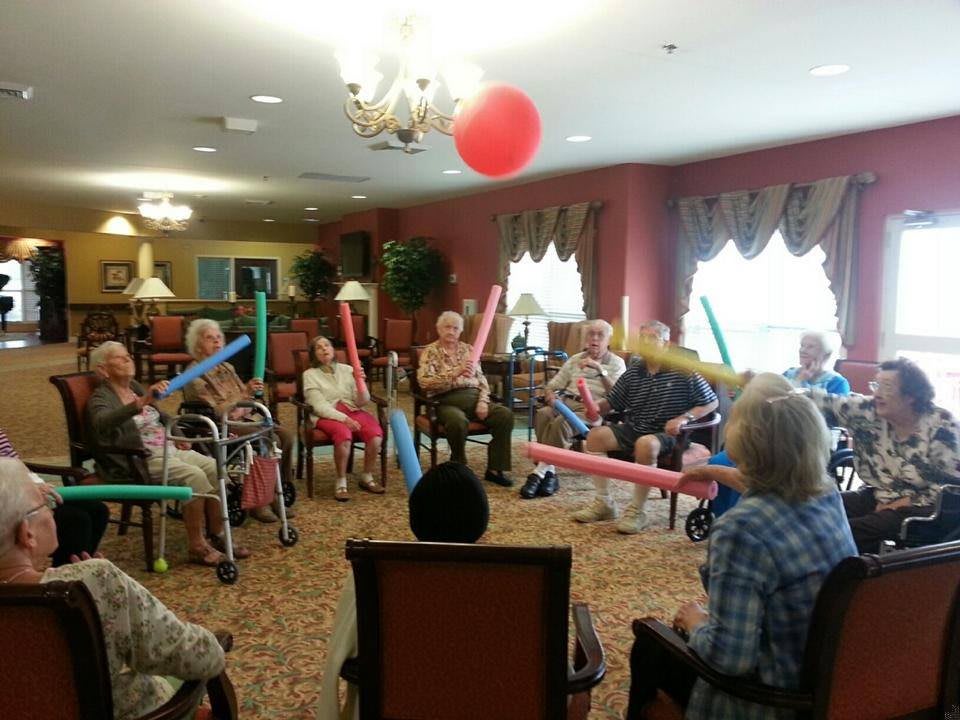
 The staff and residents are wonderful, and the facility is top notch.
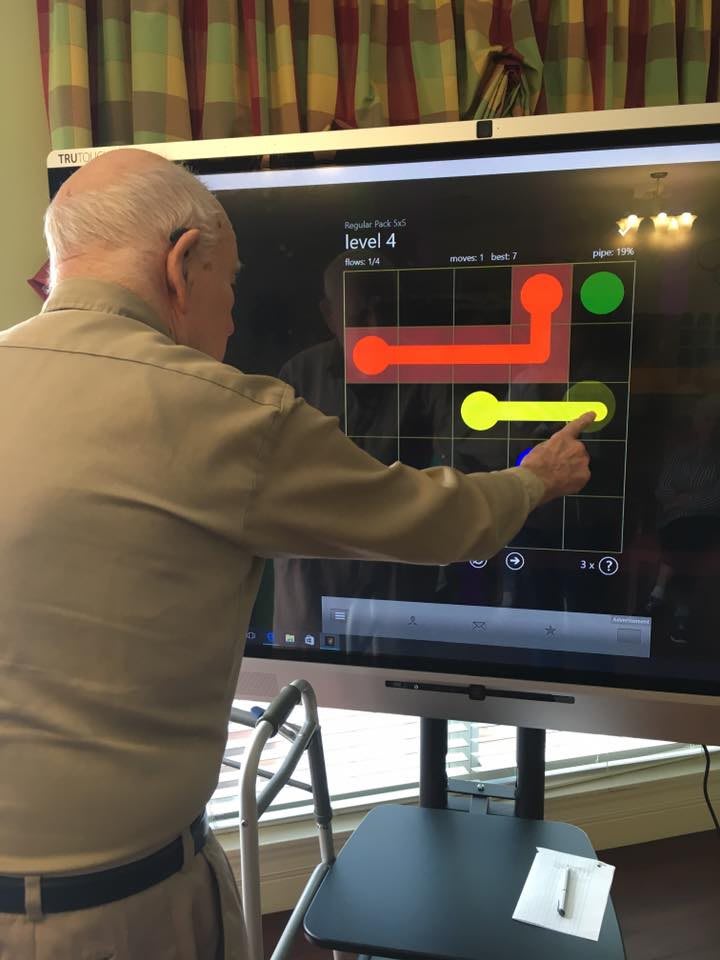
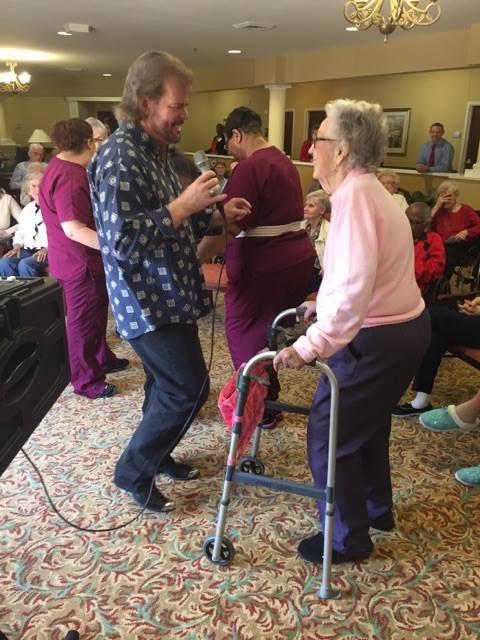
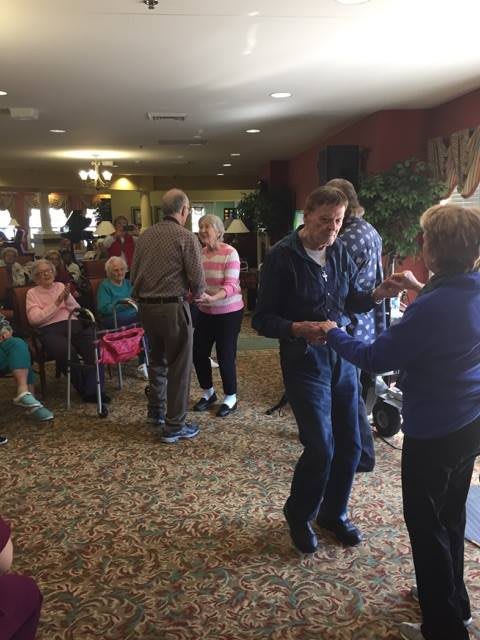
- Nikki does an amazing job with activities and is kind.
- The building is clean and very homelike, and the staff are the best in the business.
- The meals are good and the staff is wonderful.
- The activities director Nicci is great and goes beyond her job.
- Tamara is a good nurse's aide.
Cons
 The facility is described as a terrible place and not one they'd recommend for a parent or loved one.
 - The directors are said to have the worst bedside manner the reviewer has ever experienced; they are rude, unsympathetic, and unprofessional.
- Care for basic needs like showers and brushing teeth is so neglected that family members must beg for assistance.
- The food is described as not fit for animals and insufficient for older adults who have difficulty chewing.
- They allege the mom was overdosed, hospital dumped, and that a full-time sitter had to be hired, with an option given to add another sedative that left her wheelchair-bound.
- There is a lack of communication, and the denial of admission due to age is seen as more about money than care.
- The move to memory care left staff rarely available, clothes lost, and there was pressure to move to memory care; a fall after the move resulted in a hip fracture.
- Some staff are alleged to lack the necessary training for the services offered.
Review
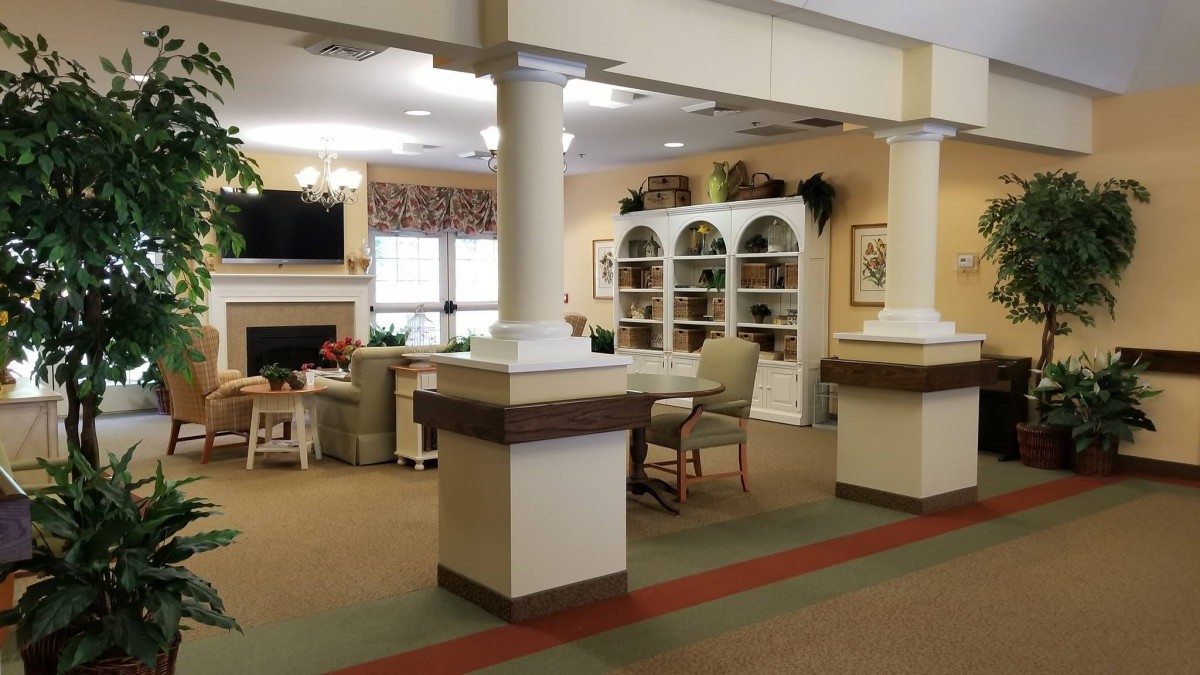
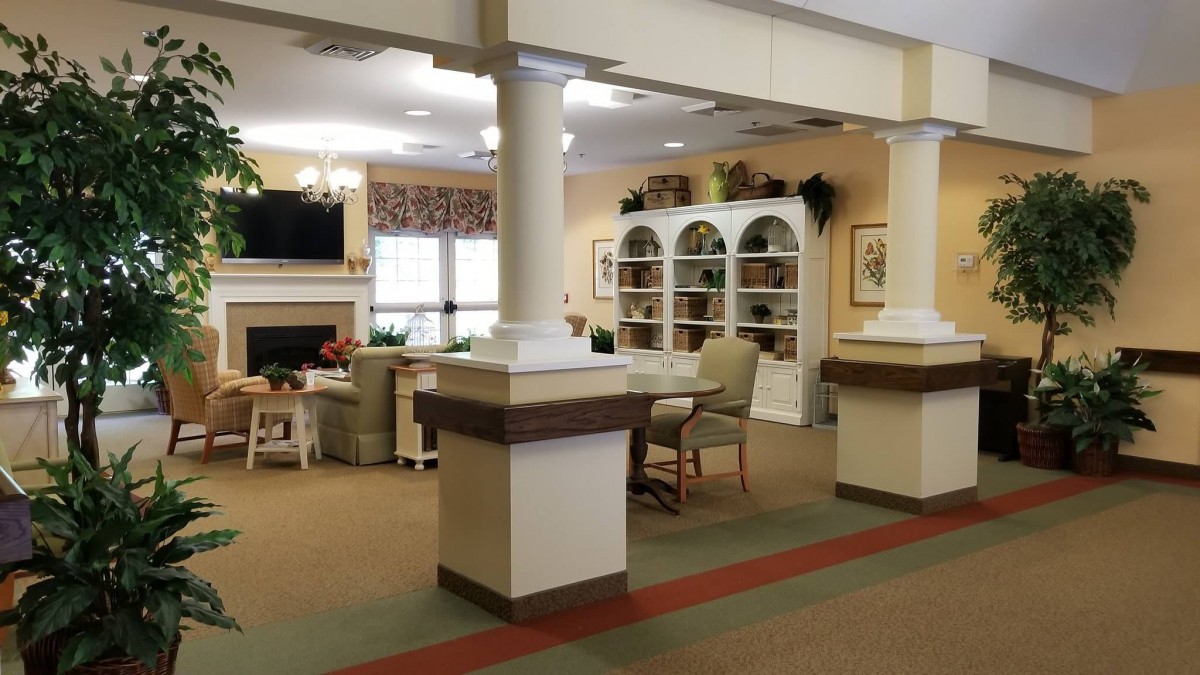
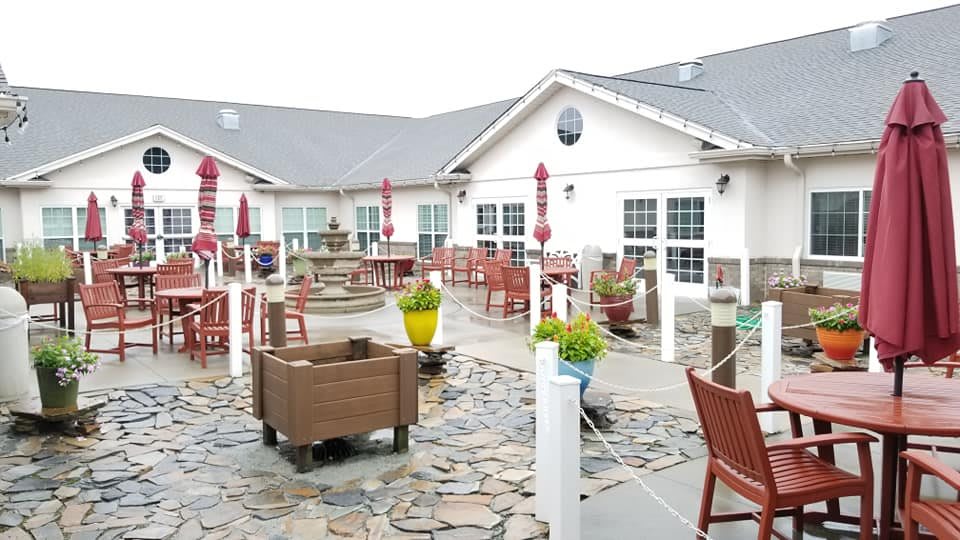
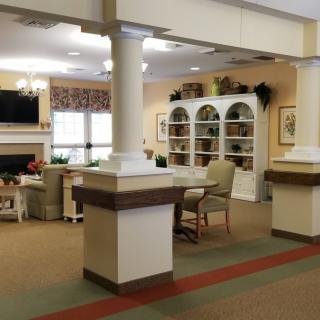
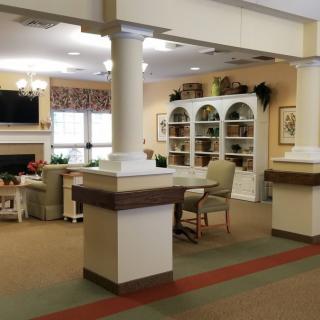
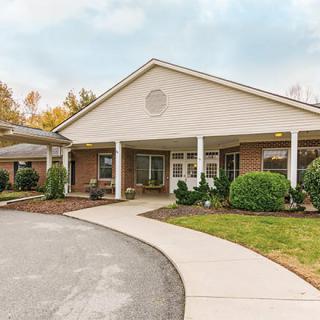
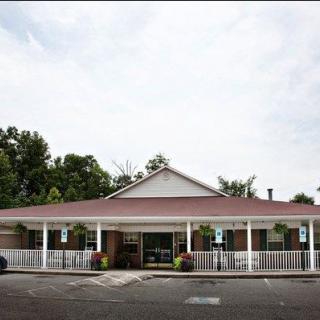
Westchester Harbour in High Point is best suited for families seeking a clean, homelike memory-care or assisted-living environment where daily programming and attentive front-line staff translate into real day-to-day stability. The community earns steady praise for the atmosphere and for caregivers who engage residents warmly, with the activities team playing a central role in creating routine and social connection. It suits seniors who thrive on structured activities, predictable schedules, and the reassurance that someone coordinates their day. The building’s polish, bright common areas, well-kept grounds, and a general sense of order, adds to its appeal when choosing a memory-care option. Caution is warranted, though, because experiences with leadership and care consistency can vary, and families should be prepared to advocate and verify ongoing quality.
Those requiring unwavering, transparent leadership and consistently proactive communication may want to consider other options. A subset of families encountered opaque admissions processes and delays that looked more administrative than resident-centered, including reports of denied eligibility based on age and a lack of timely updates after submitting applications. When leadership behaves inconsistently, particularly in memory care, lack of follow-through can leave families scrambling for basic information, delaying crucial decisions. For residents with higher care needs or sensitive memory issues, the risk of being placed into a care transition with insufficient oversight may outweigh the benefits of a nice building and friendly staff. In short, this community may not be the right match for families prioritizing seamless admission, rigorous care governance, and rapid responsiveness.
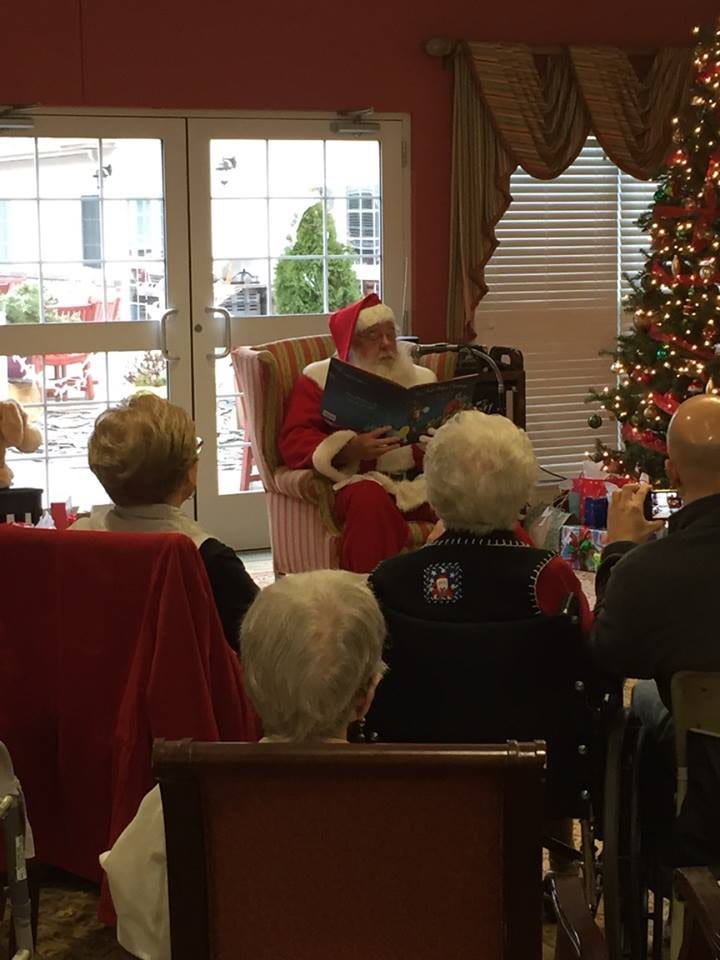
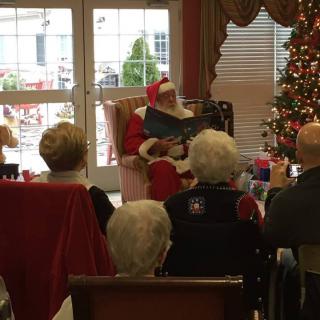
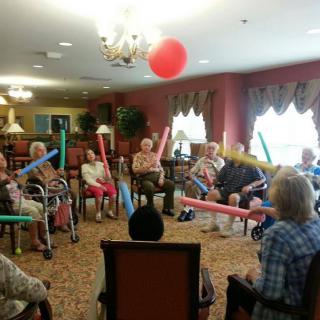
On the positive side, the strongest pull is the genuine warmth of certain staff and the everyday quality of life amenities. Several reviewers describe the facility as clean and homelike, with meals that are solid and staff who genuinely care. The activities director is repeatedly highlighted for going beyond the call, designing engaging programs that keep residents connected and engaged. When staff like Tamara the nurse’s aide and others demonstrate consistent kindness and competence, residents feel seen and valued. The physical environment, well kept, with comfortable common areas and accessible outdoor spaces, supports a calmer, more dignified experience. These elements matter greatly for families seeking social engagement and a reassuring daily routine.
Yet the negatives in the record cannot be ignored. Complaints center on leadership and communication gaps that undermine trust: some families report rude or unsympathetic management behavior and a perceived lack of accountability. Care experiences vary, occasions of delayed showers and hygiene assistance, concerns about dental care, and even troubling anecdotes about sedation decisions and their consequences show that safety and dignity depend heavily on who is overseeing care at any given moment. The admission process can feel opaque or slow, and several families describe lost items, misdirected transitions, or unsafe moves that precipitated injuries. Instances like bed-related falls after a move to memory care point to the essential need for tighter supervision, stronger training, and a culture of proactive problem-solving.
When the positives align with solid governance, Westchester Harbour can deliver meaningful value. A clean, homelike setting paired with engaged staff and robust activity programming creates a daily life that many families prize, especially for memory care residents who benefit from routine and social contact. The presence of compassionate aides and a proactive activities team can partially offset lapses in communication, provided there is reliable escalation and accountability from leadership. However, this relief is conditional: without consistent oversight, the same strengths risk being undercut by missteps in care planning, hygiene support, or safety incidents. For families who can establish a clear line of communication, insist on defined care plans, and demand timely responses, the facility can be a strong fit that supports independence within a structured framework.
Prospective residents should conduct thorough, repeated visits with a focus on memory-care operations, and insist on meeting both the admissions contact and the memory-care director. Ask for exact caregiver ratios, daily schedules, and which staff members will lead activities and why they shine. Request concrete answers about the admissions process, wait times, and current policies on age-related eligibility to avoid miscommunications. Probe the safety record: how falls, transfers, and sedation decisions are documented and reviewed, and what escalation steps exist when concerns arise. Talk to current families about responsiveness and communication workflows, and demand a trial period or short-term engagement to assess fit. Westchester Harbour can be an excellent home for the right resident, but that fit depends on clear leadership, reliable care, and a partner-like willingness to address concerns head-on.
 Assisted Living
 Memory Care
 Activities off-site
 Air-conditioning
 Beautician on-site
 Cable or satellite TV
 Devotional services off-site
 Ground floor units
 Indoor common areas
 Outdoor common areas
 Wheelchair accessible showers
 Wi-Fi/high-speed internet available
 Piedmont Triad International (12 miles away)
 Ambulatory care
 Diabetic care
 Incontinence care
 Medication management
 Gluten-free
 Art classes
 Bible study group
 Cooking classes
 Jewish services
 Live well programs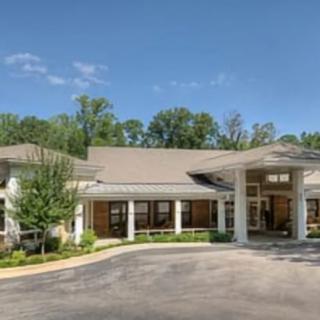

 Exploring the Power of Reminiscence Therapy for Individuals With Dementia
 An In-Depth Look at Reminiscence Therapy in Dementia Care
 Dementia-Related Hallucinations: Causes, Experiences, and Practical Approaches