
1765 Westchester Drive, High Point, NC 27262
To contact a resident: (336) 888-4565
For more information about senior living options: (866) 208-4318
Westchester Village Costs & Pricing
Westchester Village offers competitive pricing for housing compared to both Randolph County and the broader North Carolina area. For a one-bedroom unit, residents can expect to pay $750 per month, which is significantly lower than the county's average of $3,911 and the state's average of $4,055. Similarly, the cost for a two-bedroom unit at Westchester Village is set at $920 - again marking a stark contrast to Randolph County's $3,954 and North Carolina's $4,245 averages. This affordability positions Westchester Village as an attractive option for individuals and families seeking quality living while remaining budget-conscious in a market where costs can be substantially higher.
| Floor plans | Westchester Village | Randolph County | North Carolina |
|---|---|---|---|
| 1 Bedroom | $750 | $3,911 | $4,055 |
| 2 Bedrooms | $920 | $3,954 | $4,245 |
Independent Living communities with a similar price nearby
-
from -$88 / mo
The Carillon
$662 / month17.3 miles away
Overall Review of Westchester Village
Pros
 The place is really nice.
- The Bella Casa hair salon and License Plate Agency has a great location and great people.
- The counter staff are very helpful and patient.
- Westchester Village is a clean, comfortable, safe, fun, and convenient place for residents and their families.
- The buildings are secure, giving residents and their families peace of mind.
- There is plenty to do, and the staff and residents are warm, friendly, and helpful.
- The community has its own team of first responders living in the building.
- Utilities are included, making it a great value, with optional services offered à la carte.
- Gospel music on Tuesday nights is loved by residents.
Cons
 It is no longer a shopping mall.
- Not much is there anymore—only a few small shops, the license plate agency, and a couple of churches.
- A reviewer hates to see the mall in its current state.
- One reviewer felt it wasn’t their top choice.
- Another reviewer lamented that the mall has declined from its childhood and is unhappy with how it looks now.
Review
Westchester Village in High Point, North Carolina is best suited for seniors who want a secure, socially rich, self-contained living environment where daily routines, religious life, beauty services, and essential errands sit inside a single campus. This community fits residents who value companionship, a steady slate of activities, and hands-on staff support, along with a homey apartment that includes a kitchen and ample natural light. The strongest match is for those who dislike scattering tasks across town and prefer a built-in network of neighbors and staff who can facilitate a comfortable, connected lifestyle. It appeals especially to families seeking reassurance about safety and ongoing engagement for an aging loved one, delivered in a practical, accessible format rather than a flashy, high-end ambience.
Those who want a broader on-site amenity package or a more dynamic retail scene may want to consider alternatives. If a campus with frequent new dining venues, diverse recreational options, and deeper medical or therapeutic services is a priority, other communities with newer construction and more expansive on-site offerings will likely serve better. For residents who require higher-acuity healthcare or frequent, formal clinical oversight, a campus with a dedicated medical center and a wider spectrum of on-site healthcare services could provide greater peace of mind. And for families prioritizing complete independence with minimal structured programming, the social calendar here may feel overly curated, making some feel the environment is too contained.
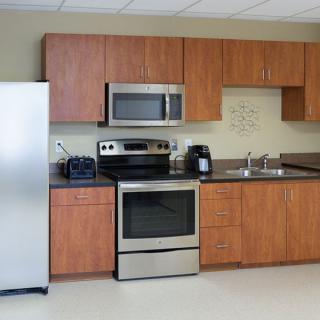
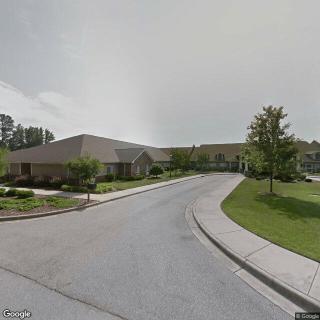
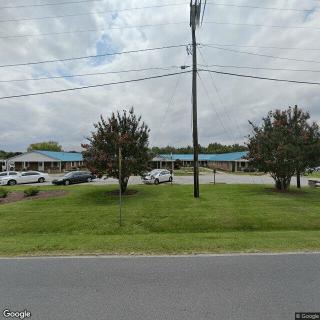
The core strengths lie in safety, convenience, and a welcoming social fabric. Apartments provide kitchens and large windows, balancing independence with comfort, and pets are allowed, which is a meaningful boon for many households. The campus design ties together multiple living spaces with the mall-like hub that houses practical services and a hair salon, reducing the need to venture far for routine needs. Security feels tangible, and a dedicated team of first responders living on-site communicates a clear, proactive approach to well-being. An indoor shuttle minimizes the burden of transport to church, events, or appointments within the complex, supporting mobility for residents who might otherwise struggle with longer walks. Social life thrives through potlucks, gospel music evenings, and a community of warm, engaged neighbors who make participation feel natural rather than forced.
The most common caveat is that on-site amenities aren’t as robust as those found at larger, purpose-built campuses. Several reviews describe the property as pleasant but modest in scope, with limited shops or dining options beyond the core campus, which can leave some residents feeling there isn’t enough variety to sustain long-term enthusiasm. Yet these drawbacks are counterbalanced by the positive, practical advantages: bundled utilities simplify budgeting, and services are accessible on an as-needed basis, enabling a flexible approach to care and support. The insider culture, friendly staff, familiar neighbors, and regular communal meals, turns the campus into a livable home rather than a sterile retirement facility. For many, the daily rhythm and the opportunity to connect with others outweigh the perceptible gaps in on-site polish.
Value at Westchester Village centers on predictable costs and concrete conveniences. Utilities bundled into the base rent ease monthly planning, a meaningful relief for households weighing ongoing senior living expenses. A kitchen-equipped apartment supports continued independence, and pet-friendly policies amplify quality of life for residents who would otherwise need to separate from an animal companion. Meals and supportive services are available on an as-needed basis, affording flexibility without mandating participation in every activity. The “5.00 to participate” potluck model demonstrates a practical, affordable social framework that prioritizes community over excess. Still, prospective buyers should recognize this is a campus-style living environment rather than a full-service resort; social life is abundant, but optional services may feel incremental rather than essential. The overall financial picture often proves favorable for families prioritizing safety, companionship, and home-like comfort.
For families weighing Westchester Village, the decision hinges on whether security-forward, community-rich living with integrated errands and frequent social programming aligns with the resident’s needs. If the aim is to maximize companionship, keep a beloved pet nearby, and minimize trips outside while preserving independence, this campus delivers with a warm, attentive staff, visible safety nets, and an indoor shuttle that keeps worship and gatherings within easy reach. If, instead, the priority is abundant on-site dining variety, rapid access to a broad spectrum of medical services, or cutting-edge amenities on a modern build, alternatives should be explored. A practical tour should probe daily routines, the role of on-site first responders, shuttle schedules, and the true pace of life offered by the calendar. Westchester Village stands out as a solid, pragmatic choice for the right senior, one that emphasizes safety, community, and everyday comfort over spectacle.
 Independent Living
 Cats allowed
 Dogs allowed
 Piedmont Triad International (12 miles away)
 Comprehensive Insights and Practical Strategies to Help Older Adults Avoid Falls
 6 Crucial Ways an Elder Law Attorney Assists Families
 Navigating the Tax Landscape of Caregiving: Credits, Deductions, and Beyond