
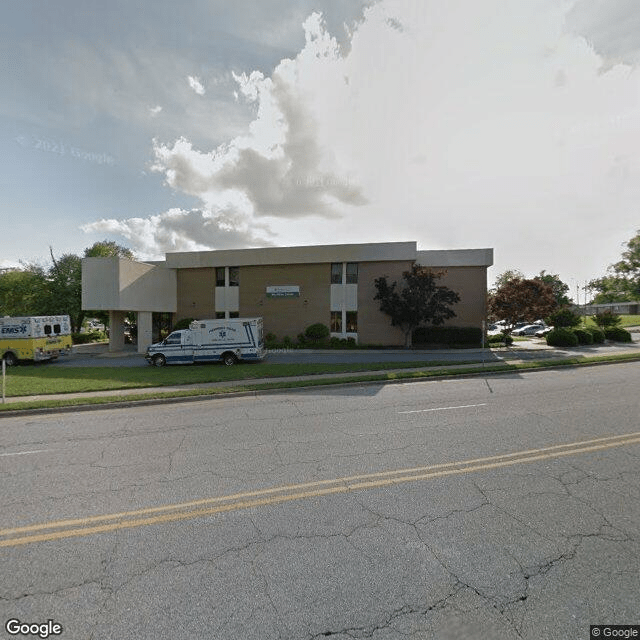
707 N Elm St, High Point, NC 27262
To contact a resident: (336) 885-0141
For more information about senior living options: (866) 208-4318
Triad Care and Rehabilitation Center Costs & Pricing
Triad Care and Rehabilitation Center offers competitive pricing for its services, particularly when compared to both Randolph County and the broader state of North Carolina. For semi-private rooms, the monthly cost is set at $5,779, which exceeds the county's average of $4,316 but remains relatively close to the state's figure of $3,584. In contrast, private room rates at Triad Care are priced at $6,265 - slightly more advantageous than Randolph County's average of $6,372 but significantly higher than North Carolina's overall rate of $4,425. This pricing structure suggests that while Triad Care may be positioned as a premium option within the local market, it also reflects a commitment to providing quality care in an environment that prioritizes residents' needs.
| Floor plans | Triad Care and Rehabilitation Center | Randolph County | North Carolina |
|---|---|---|---|
| Semi-Private | $5,779 | $4,316 | $3,584 |
| Private | $6,265 | $6,372 | $4,425 |
Skilled Nursing Facilities with a similar price nearby
-
from -$1034 / mo

Kerner Ridge
$4,745 to $6,185 / month11.4 miles away -
from +$388 / mo

Woodland Hill Care and Rehabilitation Center
$6,167 to $6,600 / month19.2 miles away -
About the same
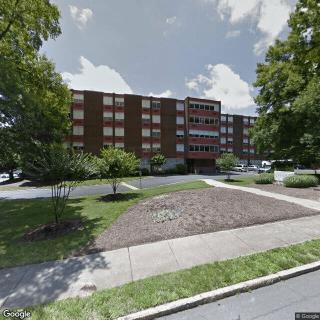
Winston-Salem Rehabilitation and Healthcare Center
$5,820 to $5,970 / month17.1 miles away -
from -$904 / mo
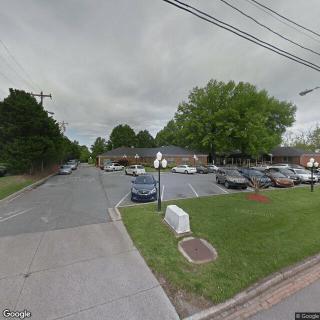
Accordius Health At Greensboro
$4,875 to $5,085 / month15.2 miles away -
from -$795 / mo

Carolina Pines At Greensboro
$4,984 to $5,339 / month11.9 miles away
Overall Review of Triad Care and Rehabilitation Center
Pros
 The administrative staff did more than could be asked for, transporting her for her radiation.
- They heard concerns and acted on them.
- They went far beyond the extra mile to make sure she was comfortable.
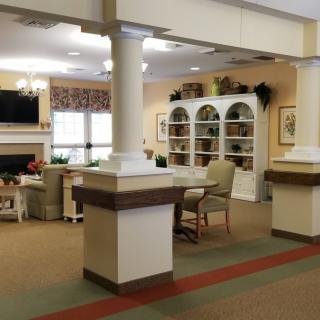
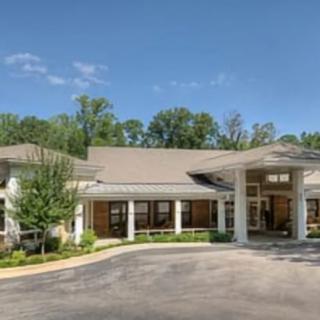
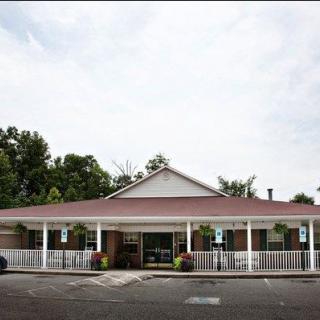
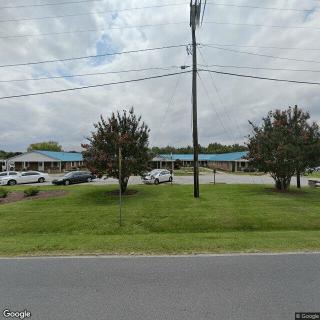
- The grounds were kept up and residents could be seen enjoying time on the benches outside.
- SunBridge is described as a multi-tier system that works well.
- The staff were very helpful in answering questions.
Cons
 A family member developed bed sores and is kept in a wheelchair for too long.
- There was blood in urine for weeks before anything was done.
- The food is poor in size and always cold.
- Some CNAs and nurses are rude and talk to patients badly.
- A nurse allegedly said, "Now you will have nothing to eat," when a patient dropped their food.
- The call light stays on for too long before someone comes.
- Wheelchairs are broken and beds don’t work, and remodeling funds don’t seem to help.
- The facility is severely understaffed, with CNAs working doubles for a week straight.
Review
Triad Care and Rehabilitation Center in High Point, NC reads best for families seeking post-acute rehab close to home who can actively supervise care, advocate with staff, and tolerate some variability in daily operations. The strongest case rests with a loved one who needs short-term rehabilitation after a hospital stay and benefits from leadership that will intervene on transportation, scheduling, and problem-solving when issues arise. This is a setting where a committed family or caregiver can push for turning schedules, hygiene, and timely assistance, turning the facility into a workable rehab pathway. It is not a take-it-for-granted environment for long-term residency, nor a place where consistent daily nursing vigilance can be counted on without active advocacy.
Those who should seriously consider alternatives are families that require steady, high-quality daily care and robust wound management. The reviews describe serious red flags: bedsores, including a stage 4 wound in one case, infections, and hospitalization that appear to have been delayed or inadequately addressed. Call lights reportedly go unanswered for too long, meals are inconsistent in size and temperature, and some staff are described as rude or inattentive. Under-staffing and frequent doubles for CNAs further erode reliability. In short, anyone who cannot tolerate frequent care gaps, or who expects consistently proactive wound care and predictable daily routines, should explore other options.
The available positives center on administrative responsiveness and targeted support, which can offset some of the operational flaws for families who stay engaged. When administrators or certain staff respond, offering transportation help for off-site medical needs and taking concerns seriously, these actions can meaningfully reduce logistical stress during rehab. The exterior environment can be pleasant, and in at least one case administrators and staff were praised for going beyond the call of duty to ensure comfort and progress during rehab. These strengths matter and can meaningfully support a rehab trajectory, but they are uneven across staff and shifts, and they do not cancel out the most serious care gaps described by multiple families.
A significant counterpoint emerges in accounts attached to Genesis Meridian, with shared experiences of persistent under-staffing and a shift in resource priorities toward renovations rather than frontline care. Bedsores and infections, plus delays in routine care like turning or diaper changes, point to a pattern that undermines trust in daily caregiving. The severity of a stage 4 wound and a septic risk highlighted by hospital evaluation underscore the potential consequences when monitoring and response fail. This history suggests that the facility’s apparent strength in administrative problem-solving may not translate reliably into consistent, high-quality bedside care, especially for long stays or more medically complex needs.
Practical decision steps should drive the choice here. Demand a candid discussion of nurse and CNA staffing levels by shift, the facility’s wound-care protocols, and concrete metrics for reducing bedsores and infection risk. Request documentation on call-light response times, recent outcomes for infections and falls, and a plan for rapid escalation if care gaps appear. If possible, arrange a tour focused on current routines: how aides assist with turning, hygiene, meals, and the pace of response to emergencies. Insist on a written care plan with clear milestones that the family can monitor, and, if feasible, speak with a current resident or family to gauge day-to-day reality. Triad/Genesis Meridian can function for rehab with strong family oversight, but solid, proactive care is non-negotiable.
The takeaway is practical and decisive: this community can work for families who plan to stay closely involved and who can leverage administrative leadership to navigate care needs, particularly for short-term rehab near home. For those unwilling or unable to accept the risk of under-staffing, delayed responses, and serious wound or infection concerns, it is prudent to pursue alternatives with verifiable staffing stability, consistent wound care, and a track record of dependable daily care. Use the outlined decision steps to compare against other local options, ensuring the chosen path aligns with the loved one’s medical needs, tolerance for care variability, and the family’s capacity to remain an active care partner.
 Skilled Nursing Facility
 Cats allowed
 Dogs allowed
 Activities off-site
 Bath tubs
 Beautician on-site
 Devotional services off-site
 Indoor common areas
 Outdoor common areas
 Private
 Respite or short term stays offered
 Wheelchair accessible showers
 Piedmont Triad International (10 miles away)
 Incontinence care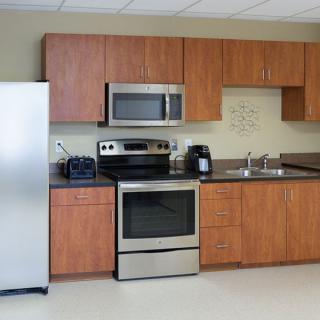


 Navigating the Tax Landscape of Caregiving: Credits, Deductions, and Beyond
 Highly Beneficial Low-Impact Exercises for Senior Living Residents
 Is In-Home Healthcare Tax Deductible? Your Comprehensive Guide