
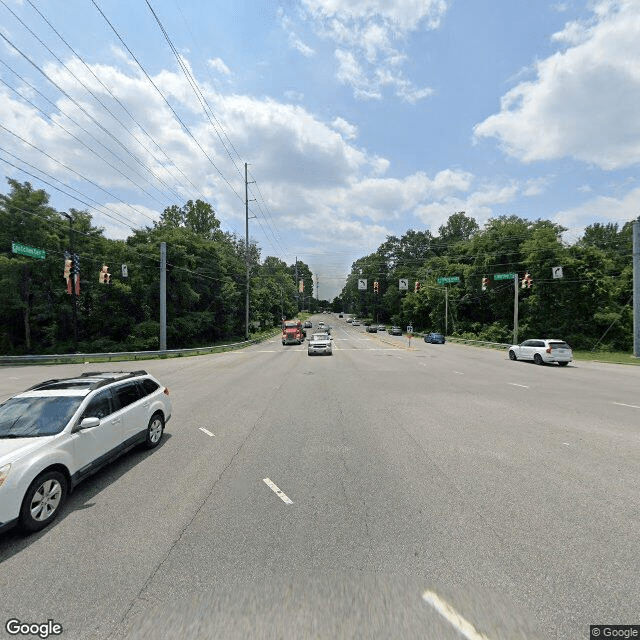
900 Eastchester Dr, High Point, NC 27262
To contact a resident: (336) 841-4131
For more information about senior living options: (866) 208-4318
Overall Review of Wesleyan Homes Inc
Pros
 The district of the Wesleyan Church in North Carolina has more than 80 churches, including eight Hispanic.
 - It is a blessing to be part of this wonderful work of the Lord Jesus.
Review
This Wesleyan Homes community in High Point is best suited for seniors who want a faith-forward living environment anchored in the Wesleyan Church sense of community. The facility sits inside a broad church ecosystem, more than 80 Wesleyan churches in the district, with both a sizable traditional and Hispanic presence, suggesting daily life will be colored by shared values, regular spiritual life, and opportunities to engage in church-related activities. For residents and families prioritizing spiritual companionship, pastoral support, and a sense of belonging to a larger faith family, this setting offers a clear and compelling fit.
Those who may want to consider alternatives are individuals who do not prize denominational alignment or who require a more secular, diverse, or non-denominational atmosphere. Families seeking robust medical specialization, advanced rehabilitation, or highly customized care plans that hinge less on faith-based programming should look at other options. Potential residents who want a broader cultural mix or who prefer programs not tethered to a particular church tradition may find non-Wesleyan communities more adaptable to their preferences.
The strongest advantages here revolve around the spiritual foundation and the related social fabric. Being part of a Wesleyan network signals ready access to a built-in community ethos: shared beliefs, volunteer opportunities, and a supportive environment where residents can participate in religious observance and communal life without straying far from their values. This spiritual continuity can produce meaningful daily purpose, lower social isolation, and a dependable rhythm to life that family members often seek when placing a loved one in care. In a market where care quality data can be hard to compare, the intangible but real person-to-person connection afforded by a church-centered setting stands out as a practical, tangible benefit.
Yet the available information on care specifics is sparse, and that scarcity becomes a notable constraint. There is no explicit detail about care levels, staffing ratios, dining experiences, memory care options, or rehab services within the High Point campus. For families balancing faith life with practical care needs, the absence of clear metrics about how medical and daily living support are delivered can create hesitation. The denomination-forward approach, while deeply reassuring for some, also risks feeling limiting for residents who want broader religious diversity or more secular programming integrated into everyday life.
The way the pros interact with these gaps is telling. The strength of a Wesleyan identity can offset the lack of publicized care metrics for those who anchor their decision on spirituality and community rather than on clinical disclosures alone. A resident who values belonging to a church-anchored neighborhood will likely experience steady social engagement, predictable routines around worship or faith-based activities, and a sense of mutual support among neighbors and staff. For families, the ecosystem of the Wesleyan network can translate into a reliable source of volunteer assistance, pastoral care, and a familiar social circuit that eases transitions and long-term commitment, even when specific facility statistics aren’t front-and-center.
In the end, this High Point location serves as a thoughtful pick for households prioritizing faith-centered living and church-connected community life. It stands out for its spiritual underpinnings, the practical security of belonging to a large church network, and the social resonance that comes from shared beliefs. Prospective planners should, however, enter with clear expectations about care specifics and a plan to verify essential details: exact levels of care offered, staffing, costs, and the rigor of daily life beyond religious programming. For those who cannot align with a Wesleyan framework or who require a broader, non-denominational spectrum of activities and care options, it would be prudent to explore secular or non-denominational communities first. The right choice will hinge on whether the resident’s priority is unwavering faith-based community and belonging, or a broader mix of programming and care that spans diverse cultural and spiritual leanings.
 Independent Living
 Piedmont Triad International (9 miles away)
 Comprehensive Insights and Practical Strategies to Help Older Adults Avoid Falls
 6 Crucial Ways an Elder Law Attorney Assists Families
 Navigating the Tax Landscape of Caregiving: Credits, Deductions, and Beyond