
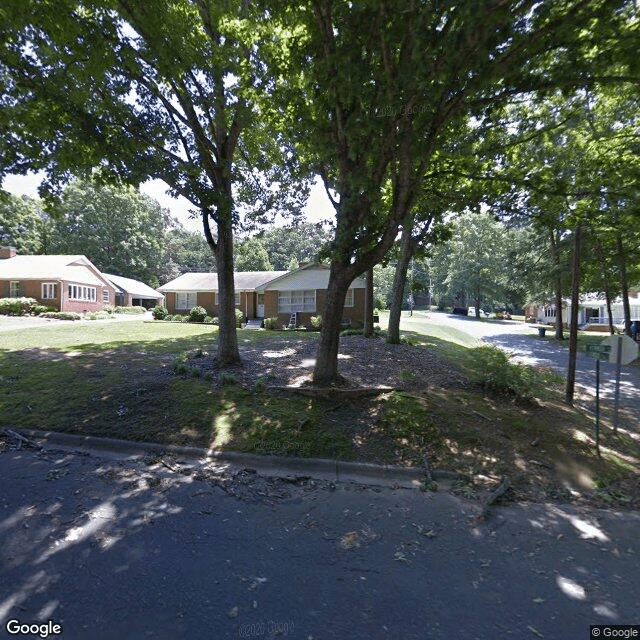
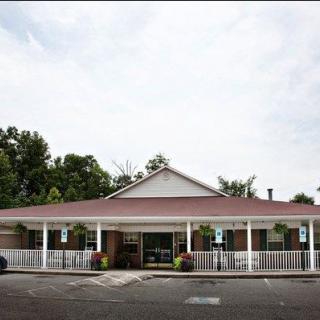
900 Kenreed Drive, Thomasville, NC 27360
For more information about senior living options: (866) 208-4318
The Lyman House Costs & Pricing
The Lyman House offers competitive pricing for its accommodations compared to both Randolph County and the broader North Carolina market. For a one-bedroom unit, residents can expect to pay $4,350 per month, which is notably higher than the county average of $3,911 and slightly above the state average of $4,055. Similarly, the two-bedroom option at The Lyman House is priced at $5,100, again exceeding both Randolph County's rate of $3,954 and North Carolina's average of $4,245. While The Lyman House may come with a premium cost relative to its local counterparts, potential residents should consider the unique features and amenities that may justify this investment in their living experience.
| Floor plans | The Lyman House | Randolph County | North Carolina |
|---|---|---|---|
| 1 Bedroom | $4,350 | $3,911 | $4,055 |
| 2 Bedrooms | $5,100 | $3,954 | $4,245 |
Assisted Living communities with a similar price nearby
-
from -$290 / mo
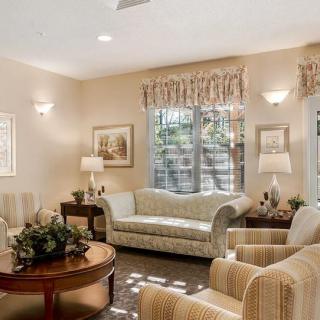
Cadence at Clemmons
$4,060 to $6,605 / month20.7 miles away -
from -$155 / mo
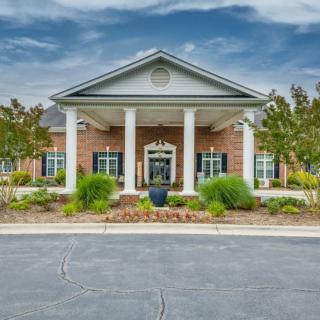
Mallard Ridge
$4,195 to $5,375 / month13.8 miles away -
from +$395 / mo
Kerner Ridge
$4,745 to $6,185 / month14.8 miles away -
About the same
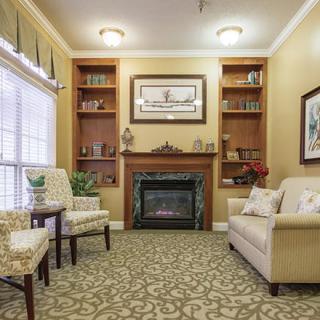
Brookdale Lexington
$4,470 to $5,805 / month11.5 miles away -
from -$355 / mo
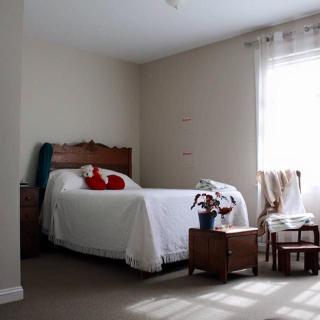
Spring Arbor of Greensboro
$3,995 to $5,825 / month20.4 miles away
Overall Review of The Lyman House
Pros
 The Almost Home Group is the future of home care.
- Each house is neighborly and accommodates up to six residents.
- There are 24/7 care staff in every house.
Cons
 The reviewer would strongly discourage anyone from placing their loved ones in this place.
- They claim the facility is fake and hides it well when visitors come.
- They advise that anyone who loves their family should choose somewhere else.
Review
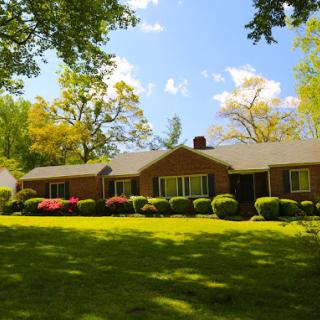
The Lyman House in Thomasville is best suited for families seeking a small, home‑like living arrangement for an older adult who wants intimate day‑to‑day contact. The property operates as a cluster of neighborly houses, each with up to six residents, with staff on site around the clock. This model can deliver a level of personal attention that’s hard to match in larger communities. It suits those who want a less institutional atmosphere and routines that feel domestic and manageable. The fit, however, hinges on reliable staffing and transparent operations; without trust and consistency, the appeal of a cottage‑style setup collapses quickly.
Those who require blunt reassurance about trust and consistent performance may want alternatives. A particularly troubling review suggests that conditions and care are not fully disclosed to visitors, raising red flags about transparency and accountability. In a setting this small, the risk of miscommunication or misrepresentation feels amplified. Families with loved ones who have complex medical needs, or who demand robust oversight and open reporting, will want a community with proven, transparent practices, stable leadership, and clear lines of accountability.
On the plus side, the neighborly house layout means constant, on‑site presence and a chance for residents to build routines within a clearly defined space. The operator markets a 24/7 care model across each small house, which can translate to quicker response times and more individualized attention than in larger, multi‑wing facilities. For seniors who prize autonomy, the ability to tailor daily life within a small circle of peers can be a meaningful advantage. These practical gains matter, but they only carry weight if the underlying care delivery remains dependable and openly communicated.
Yet the most consequential gap is trust and consistency. With only three reviews and a 2.3 rating, a single strongly negative report can signal systemic problems or a mismatch between appearances and real care. The allegation that staff or management “fake and hide it well” when visitors arrive points to potential issues with transparency, oversight, and accountability. The sparse feedback suggests uneven experiences, which makes thorough due diligence essential. Prospective families should verify licensing, observe daily operations, and gauge whether leadership is accessible and responsive in real time, not merely during a polished tour or on signage.
To assess fit, schedule multiple visits at different times, speak with current residents and families, and request concrete data: staffing ratios by shift, incident reports, and a copy of a representative resident’s service plan. Ask the administrator for a direct contact for ongoing concerns, and insist on transparent pricing with a clear scope of services. Check with North Carolina regulators for any enforcement actions, and probe how emergencies are managed, what medical oversight exists, and how med administration is supervised in a home‑like setting. If possible, arrange a trial stay or respite to observe day‑to‑day operations before committing long‑term.
Overall, The Lyman House can be a sensible choice for a family prioritizing a small, intimate living environment and guaranteed around‑the‑clock staff, provided due diligence confirms transparent practices and reliable caregiving. If transparency, consistent quality, and robust medical oversight are non‑negotiable, alternatives with stronger reputations deserve serious consideration. In Thomasville and the surrounding area, there are other options that deliver the home‑like feel without the ambiguity raised by current reviews. The decision should favor caregivers who can demonstrate stable staffing, open communication, and a track record of trustworthy care, even if that means selecting a larger community or a different operator.
 6 resident community capacity
 Assisted Living
 Board and Care Home
 Activities on-site
 Cable or satellite TV
 Devotional services off-site
 Dining room
 Fully furnished
 Garden
 Housekeeping services
 Indoor common areas
 Move-in coordination
 Outdoor space
 Telephone
 Wi-Fi/high-speed internet available
 Piedmont Triad International (15 miles away)
 24-hour supervision
 Ambulatory care
 Assistance with bathing
 Assistance with dressing
 Assistance with transfers
 Diabetes diet
 Diabetic care
 Meal preparation and service
 Medication management
 Special dietary restrictions
 Transportation arrangement (medical)
 Transportation to doctors appointments


 Assisted Living Expenses and Long-Term Care Insurance: A Comprehensive Exploration
 Securing Financial Support for Assisted Living: A Comprehensive Overview
 Social Security Benefits and Assisted Living: Navigating Options Across the U.S.