

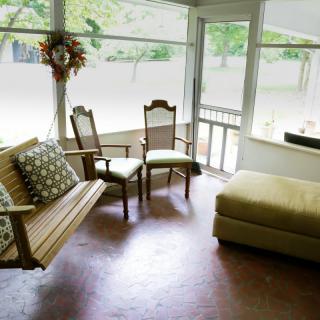
904 Kenreed Drive, Thomasville, NC 27360
To contact a resident: (336) 391-5638
For more information about senior living options: (866) 208-4318
The Almost Home Group Costs & Pricing
The Almost Home Group offers a semi-private room at a monthly rate of $6,800, which significantly surpasses both the county and state averages. In Randolph County, the cost for a similar accommodation is approximately $4,316, while North Carolina's overall average stands at about $3,584. This pricing indicates that The Almost Home Group may provide enhanced services or amenities that justify the higher expense. While families considering options in this area will find more affordable alternatives locally and statewide, prospective residents should weigh these costs against the unique offerings and quality of care provided by The Almost Home Group.
| Floor plans | The Almost Home Group | Randolph County | North Carolina |
|---|---|---|---|
| Semi-Private | $6,800 | $4,316 | $3,584 |
Memory care communities with a similar price nearby
-
from -$980 / mo
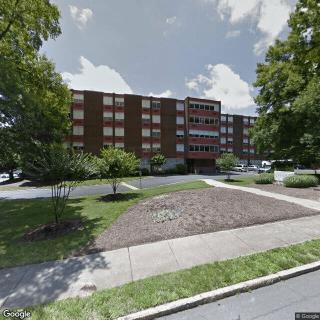
Winston-Salem Rehabilitation and Healthcare Center
$5,820 to $5,970 / month17.6 miles away -
from -$508 / mo
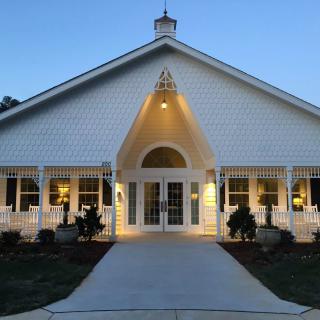
Carillon Assisted Living Of Clemmons
$6,292 to $8,179 / month20.7 miles away
Overall Review of The Almost Home Group
Pros
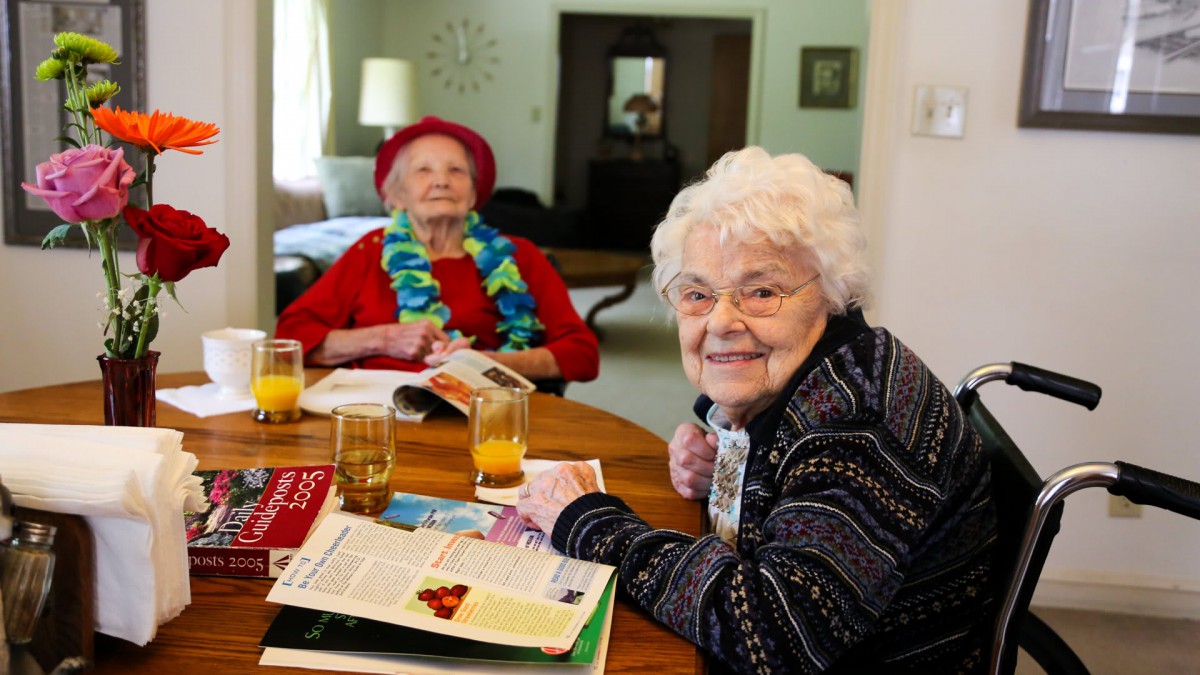
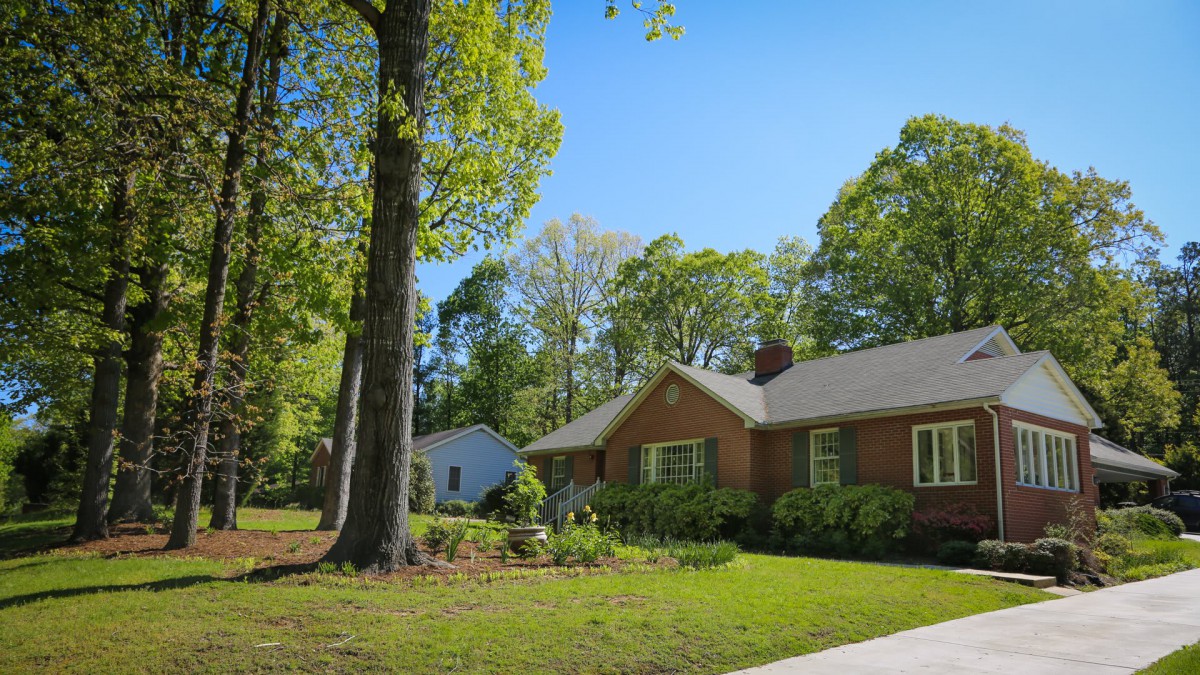
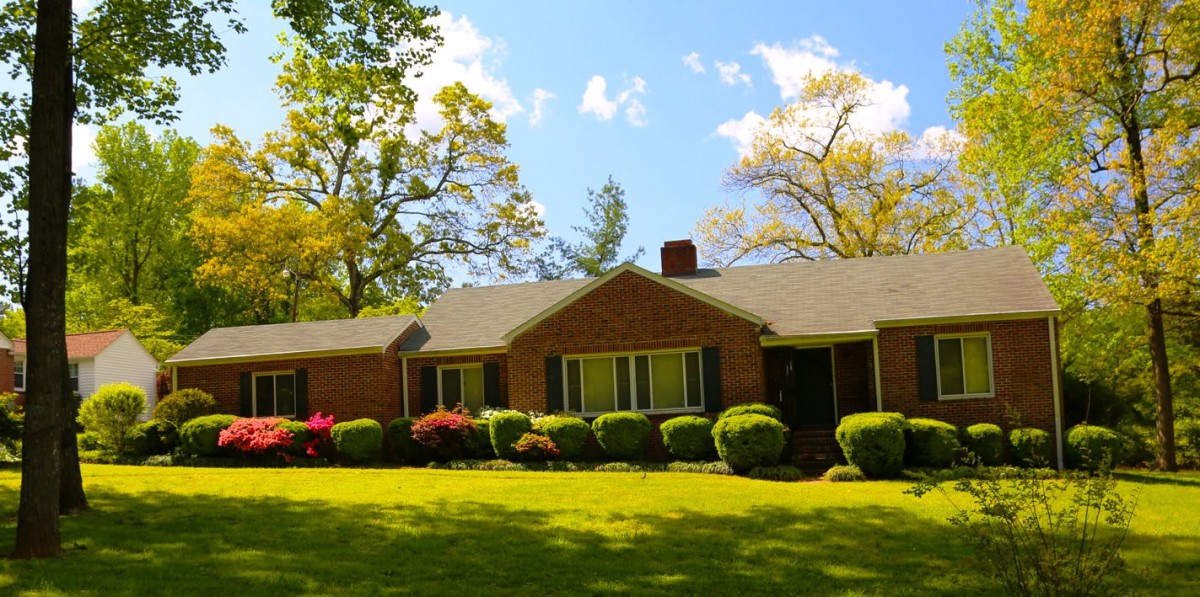
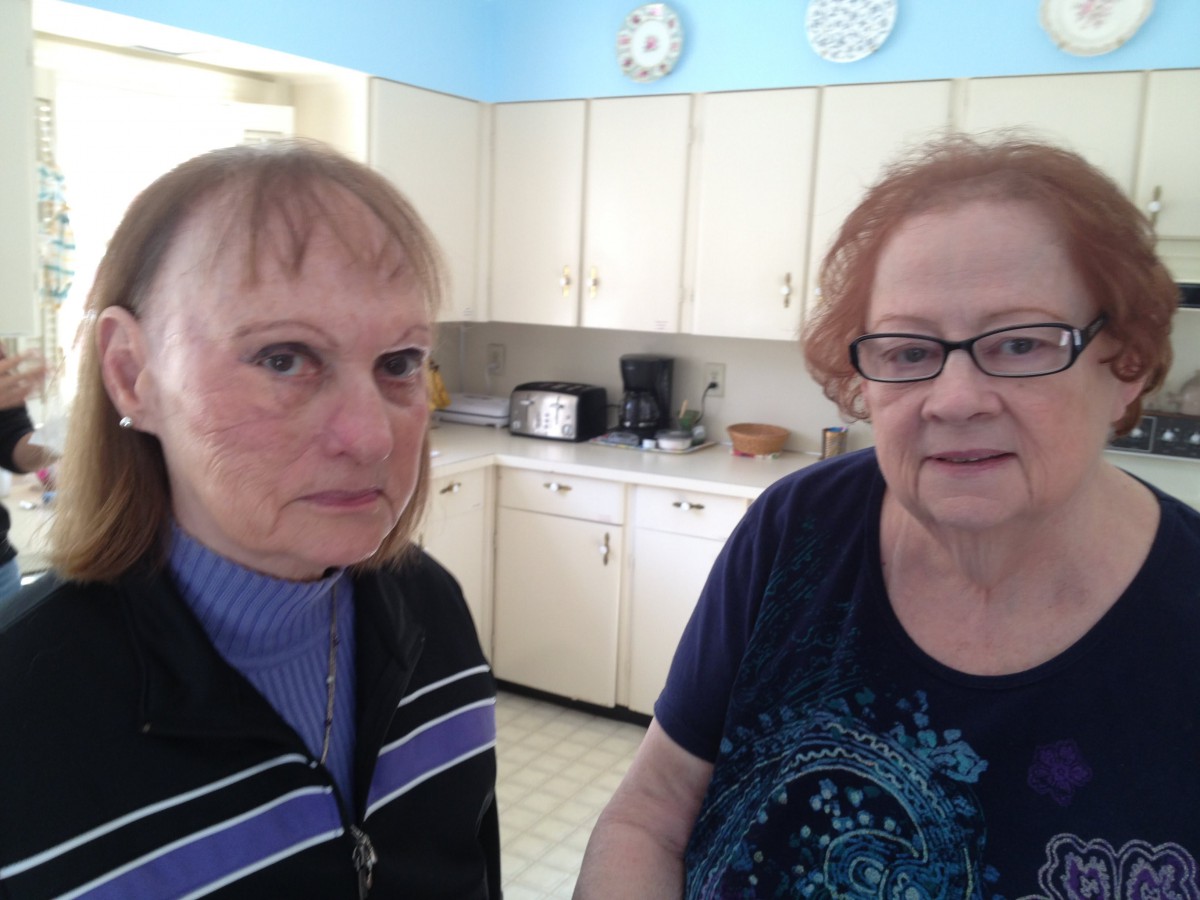
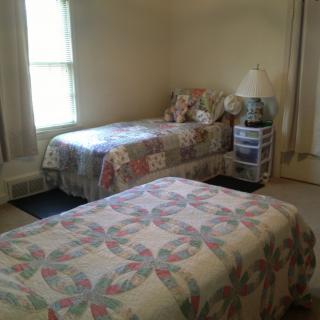
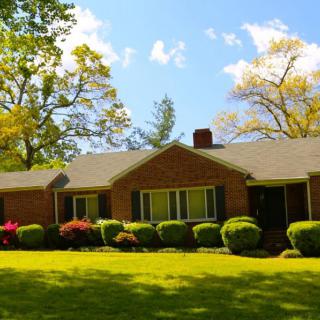
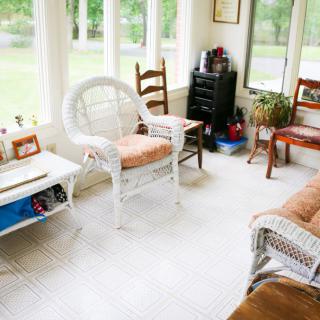
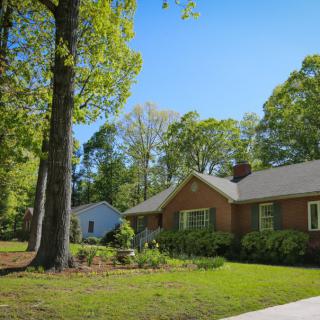
 The Almost Home Group embodies a bright future for home care with neighborly houses and up to six residents per house.
- Each house benefits from 24/7 care staff, ensuring round-the-clock support.
- The neighborly, home-like setting promotes attentive and constant care for residents.
Cons
 The reviewer strongly discourages others from putting their loved ones there.
- The reviewer claims the staff are fake and hide it well when visitors come.
- The reviewer advises that if someone loves their family, they should choose somewhere else.
Review
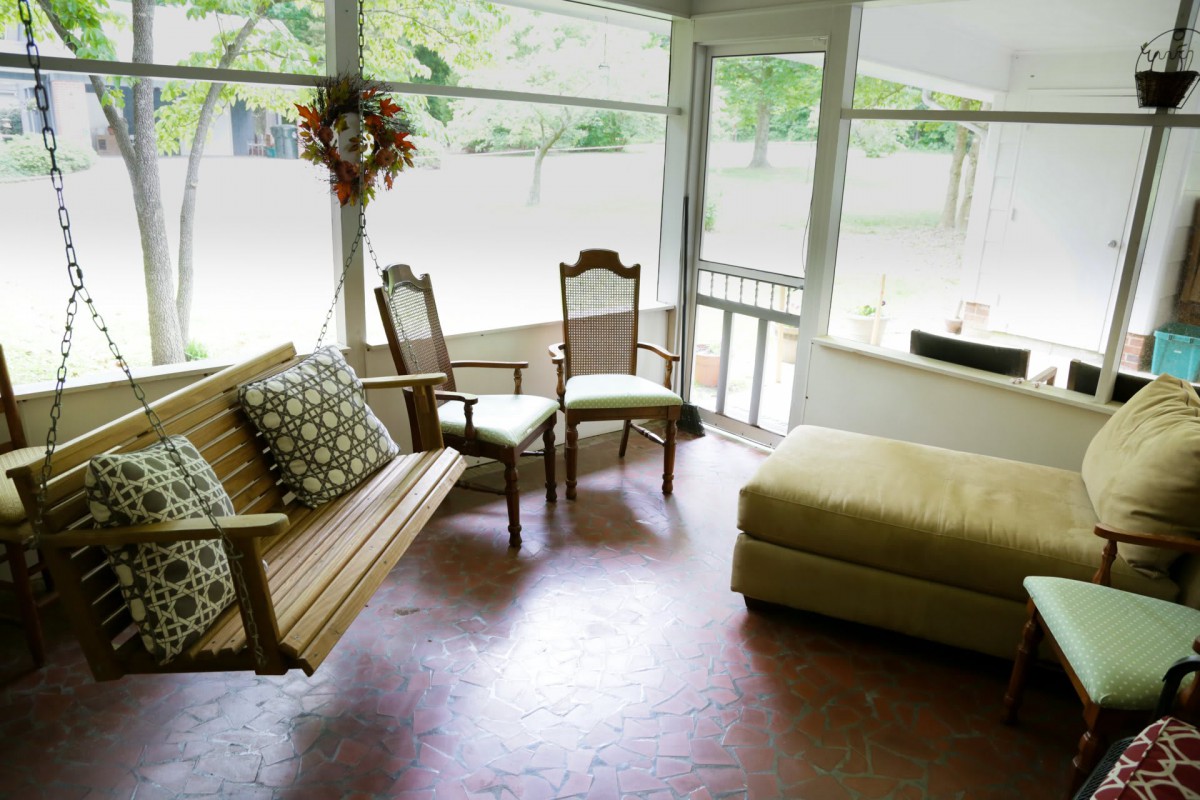
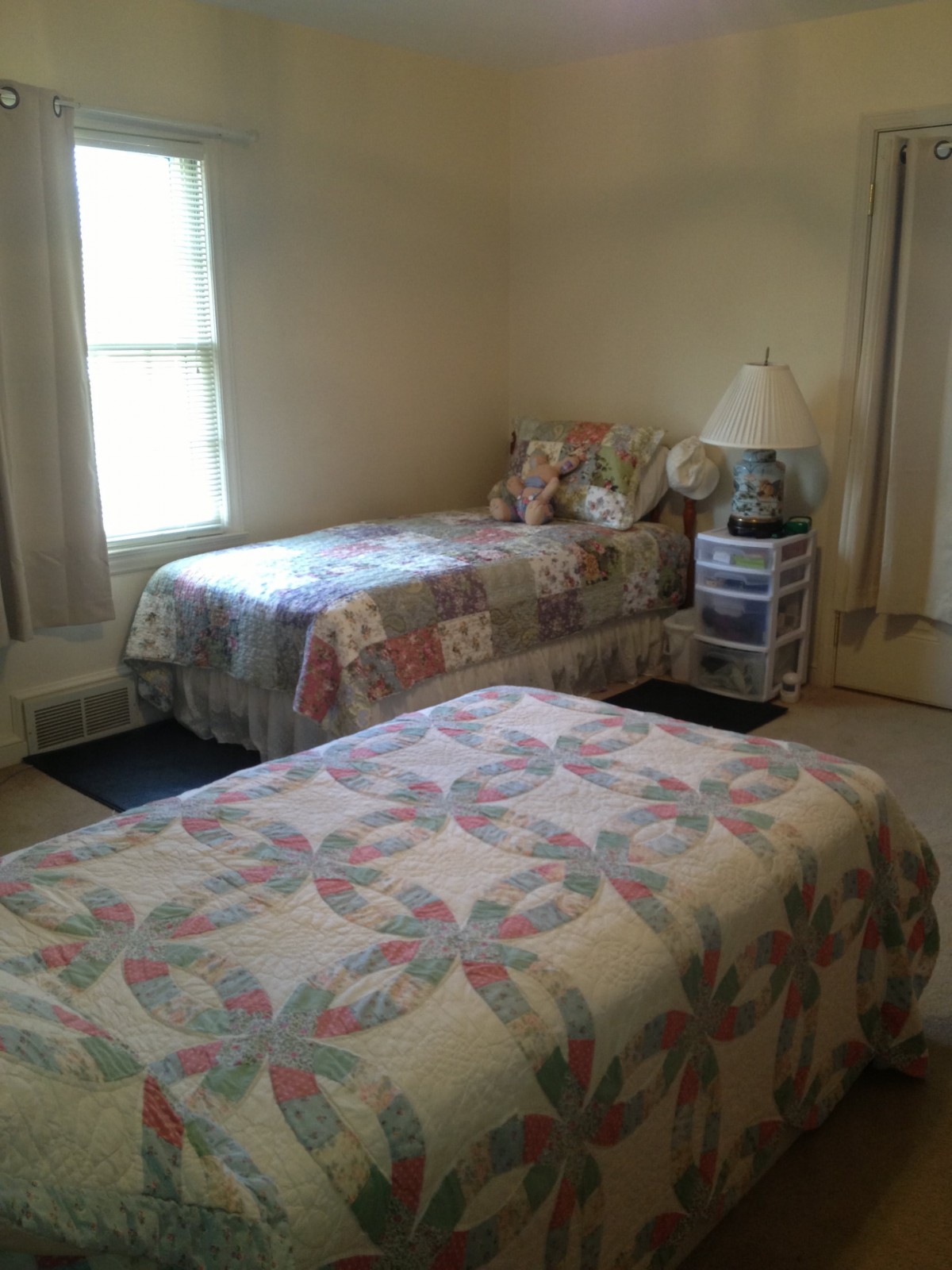
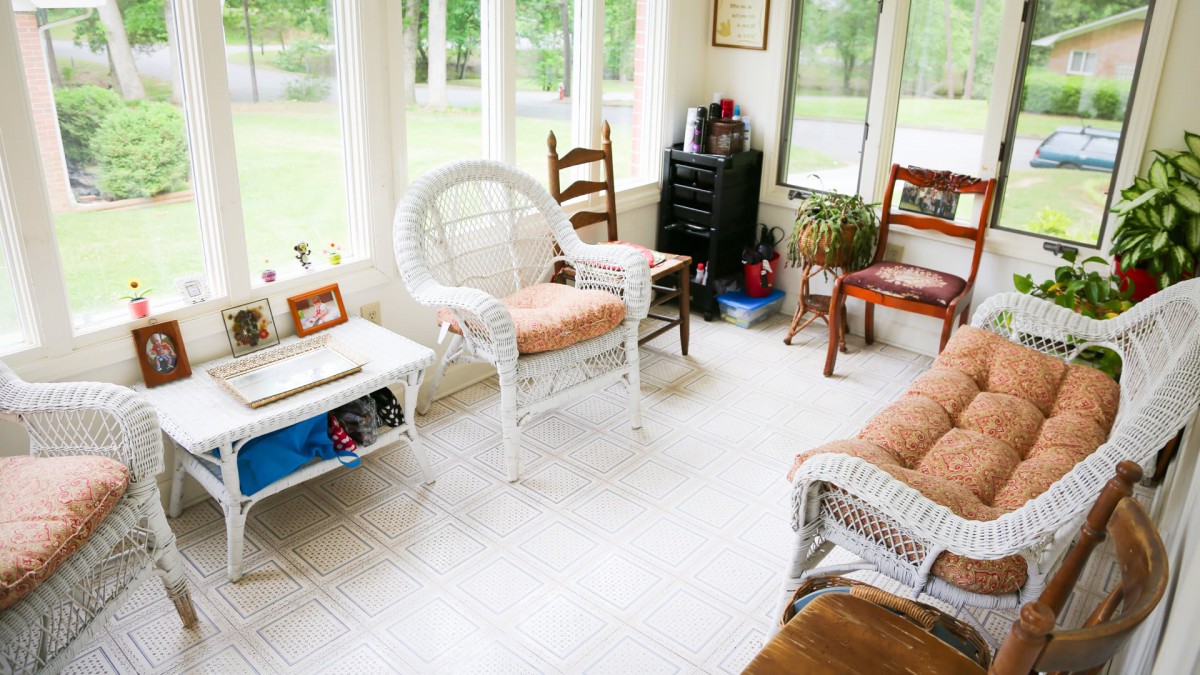
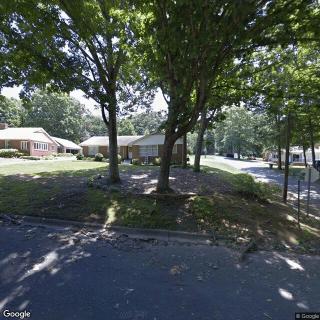
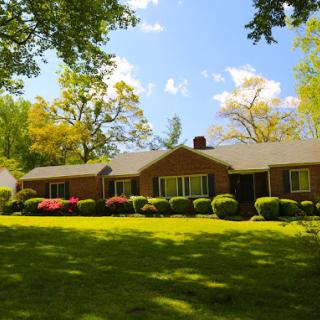
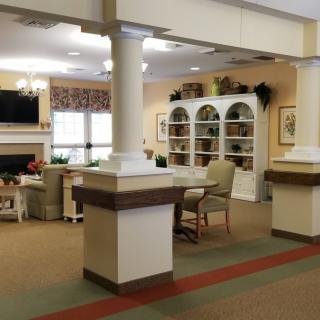
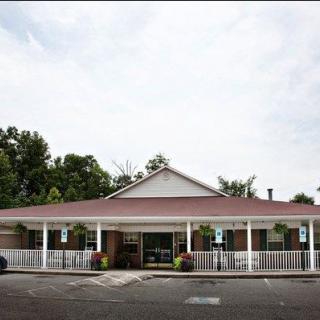
The Almost Home Group in Thomasville, NC is best suited for families seeking a highly intimate, home-like living arrangement where care is meant to feel like a neighborly, small-house setup. With neighborly houses housing up to six residents apiece and 24/7 care staff in each house, this model provides a highly connected, watchful environment that can minimize the sense of institutional living. It works best for seniors who want daily personal interaction, regular staff presence, and a setting that resembles a homestead more than a traditional facility. For families prioritizing visibility, quick access to caregivers, and a calm, familiar atmosphere, this option stands out.
Those considering alternatives should take seriously the pushback reflected in the reviews. Families whose primary need is unwavering transparency, verifiable quality of care, and straightforward governance may want to look elsewhere. The two distinctly negative reviews raise questions about trust, candor, and the overall reliability of claims made by the operator. If careful, unbiased truth-telling, consistent quality metrics, and easy-to-verify resident satisfaction are non-negotiables, exploring other communities with clearer reporting and independent verification would be prudent.
The strongest positives here are the intimate, small-house design and the guarantee of continuous care staffing. A house with limited residents can mean more individualized attention, easier communication with caregivers, and a tighter sense of community, factors many families prize when a loved one values companionship and a home-oriented routine. The constant availability of care staff eliminates long response times and supports prompt assistance for mobility, medication, and routine needs. In short, for families seeking a warm, family-like environment with visible staffing presence, these elements work in favor of The Almost Home Group.
However, the main drawbacks cited in the feedback cannot be ignored. The most alarming concern is the charge that the operation is deceptive or “fake” and that issues are hidden from visitors. When a senior living option is perceived as opaque or disingenuous, trust becomes the linchpin of the decision. Even strong benefits, such as around-the-clock staff and small-house intimacy, lose their resonance if families fear being misled about daily operations, safety standards, or the true quality of care. The credibility gap implied by these reviews is the single most important risk to weigh against the upside of a homey setting.
Therefore, the pros and cons must be weighed cautiously. If the concerns about transparency are mitigated, through direct, candid conversations with management, unfettered access to daily routines, intake and care planning documents, and reference checks, the small-house model can deliver meaningful advantages over larger, more impersonal facilities. Still, without demonstrated honesty and verifiable outcomes, the perceived benefits do not fully offset the risk. Prospective families should insist on concrete assurances: tour everything with a current resident or family member present, review licensing and complaint history, request copies of care plans and staffing schedules, and verify that the 24/7 staffing claim matches actual on-site coverage across shifts.
For families leaning toward this community, the decision hinges on how strongly one values an intimate, around-the-clock care environment versus the need for airtight trust and transparent governance. If honesty, consistent resident advocacy, and easy verification of care quality are satisfied through a rigorous due-diligence process, The Almost Home Group can be a compelling home-life option. If not, explore alternatives that offer clearer governance, established reporting, and robust third-party verification. A thoughtful decision will pair a live tour with targeted questions and active conversations with current residents and their families to determine whether the balance of intimate setting and trust aligns with the loved one’s priorities.
 Assisted Living
 Memory Care
 Activities on-site
 Beautician on-site
 Devotional services off-site
 Indoor common areas
 Respite or short term stays offered
 Piedmont Triad International (15 miles away)
 Ambulatory care
 Diabetic care
 High acuity care
 Incontinence care
 Medication management
 Meals provided
 Visiting Rabbi
 Visiting chaplain or priest


 A Detailed Exploration of Assisted Living Medicaid Waivers Across the United States
 Exploring the Contrasts Between Assisted Living and Skilled Nursing
 Vibrant Senior Living: A Comprehensive Guide for Active Older Adults