
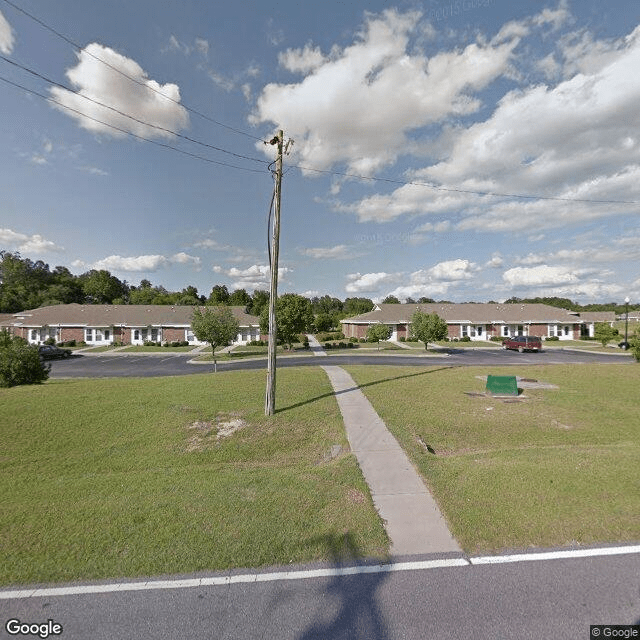
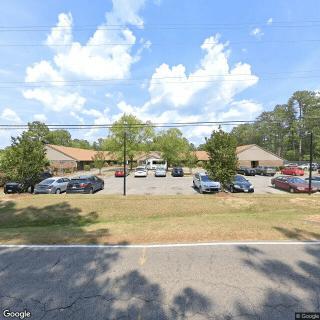
205 Mount Tabor Rd, Red Springs, NC 28377
To contact a resident: (910) 843-7100
For more information about senior living options: (866) 208-4318
Overall Review of Providence Place III
Pros
 It is a place of peace.
- Everyone is friendly.
- They love their apartment #213.
- Everyone acts as if they love one another.
- They are thankful they came here.
Review
Providence Place III in Red Springs, North Carolina is best suited for seniors who want a peaceful, neighborly atmosphere where residents look out for one another and noise stays at a minimum. The available reflection from a resident frames the community as a place of peace, with friendly staff and neighbors who treat each other with kindness. The person notes satisfaction with their living space and expresses gratitude for the move, signaling a small, homey setting that favors calm interaction over bustle. For someone who prizes predictable routines and a low-stress environment, this is a compelling match.
That said, Providence Place III may not be the best fit for everyone. Families weighing alternatives should consider whether a more active social calendar, broader daily programming, or higher levels of medical attention are needed. If rehabilitation services, memory care, or on-site nursing around the clock are essential, a larger campus with a wider service mix will likely deliver the density of care and variety of activities that a more energetic lifestyle demands. In short, those needing more structure or extensive care should compare other communities before deciding.
On the upside, the core strengths are tangible and persuasive. The environment is described as peaceful, with almost no noise and a palpable sense of belonging among residents. The friendliness exhibited by both peers and staff creates an atmosphere of mutual respect and support that can ease transitions and reduce daily stress. This is the kind of setting where new residents can quickly become part of a small, caring circle, which in turn helps combat loneliness without forcing participation in a full slate of activities.
Those advantages offset potential trade-offs by emphasizing safety, predictability, and warmth. A quiet, friendly community can be exceptionally well-suited for seniors who prioritize stability and personal rapport over constant stimulation. The implicit downside is the possibility of limited programming, a smaller network of social options, and fewer on-site resources than larger assisted living options. When the primary goal is a peaceful home environment where neighborliness substitutes for formal programming, Providence Place III delivers meaningful value and can exceed expectations for the right resident.
To translate these impressions into a confident decision, prospective residents should verify how the quiet, welcoming tone translates into daily life. Schedule a tour, observe common areas during peak hours, and speak with current residents about the frequency and variety of activities and how responsive staff are to requests. Inquire about meal quality and flexibility, housekeeping, transportation options, and what level of care can be provided on-site if needs change. Ask about safety measures, how noise affects sleep, and how open the community is to new residents from diverse backgrounds.
Providence Place III stands out as a compelling option for seniors who prize peace, civility, and a warm, neighborly vibe in a compact setting. For residents who want simple, steady support and a strong sense of community, the pros strongly support a move here. However, for those who must have frequent social programming, robust rehabilitation services, or memory-care oversight, alternatives with broader service lines should be explored. The prudent path is a structured visit, guided by a checklist focused on care capacity, atmosphere, and fit with personal routines, to determine if Providence Place III is the ideal home or one of several viable choices.
 Assisted Living
 Activities on-site
 Devotional services off-site
 Indoor common areas
 Fayetteville Municipal (21 miles away)
 Ambulatory care
 Diabetic care
 Meals provided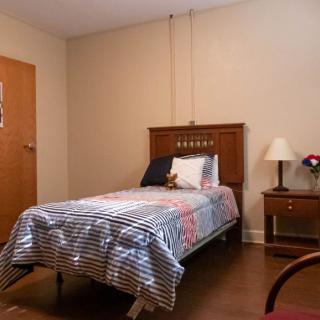



 Understanding the True Cost of Assisted Living in 2025: A Comprehensive Guide
 Understanding Medicaid Coverage for Assisted Living: A Comprehensive Guide
 How and When Medicaid May Cover Assisted Living Costs