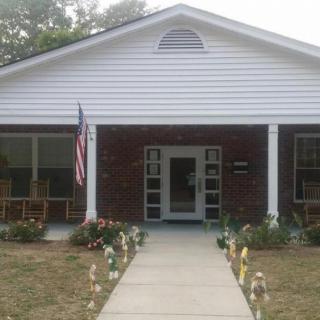
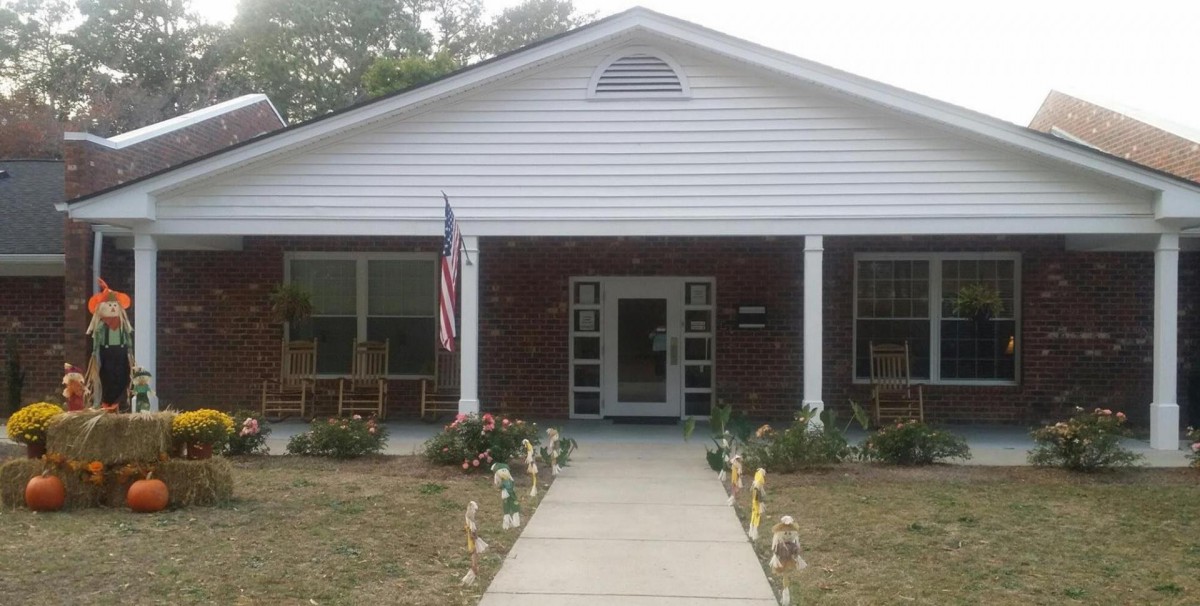
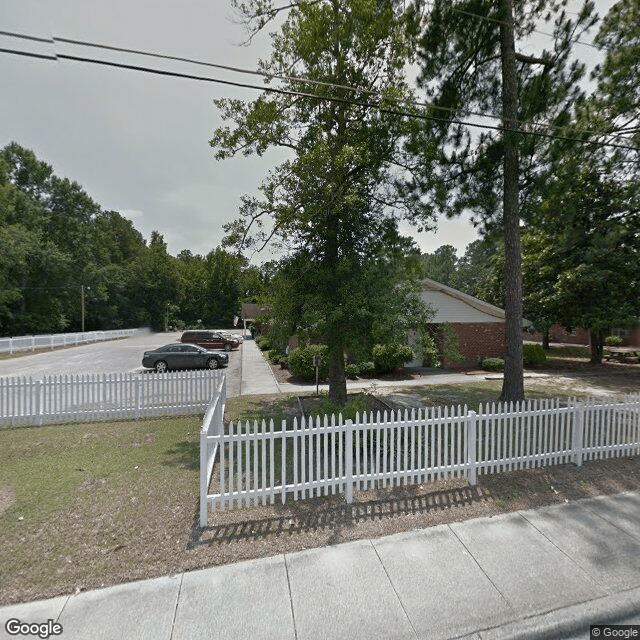
104 Hope Lane, Red Springs, NC 28377
For more information about senior living options: (866) 208-4318
Hope Springs Costs & Pricing
At Hope Springs, the costs for accommodations are notably competitive compared to both Robeson County and the broader North Carolina market. For a semi-private room, residents can expect to pay $2,400 per month, which is significantly lower than the county average of $3,123 and the state average of $3,584. Similarly, for those opting for a studio unit, Hope Springs offers a monthly rate of $2,800 - again more affordable than the Robeson County price of $3,768 and the state's typical charge of $4,020. This pricing structure not only underscores Hope Springs' commitment to providing quality care at accessible rates but also highlights its position as a financially sensible choice for individuals seeking comfortable living arrangements in a nurturing environment.
| Floor plans | Hope Springs | Robeson County | North Carolina |
|---|---|---|---|
| Semi-Private | $2,400 | $3,123 | $3,584 |
| Studio | $2,800 | $3,768 | $4,020 |
Memory care communities with a similar price nearby
-
from +$95 / mo

Wesley Pines Retirement Community
$2,495 / month15.5 miles away -
from +$450 / mo
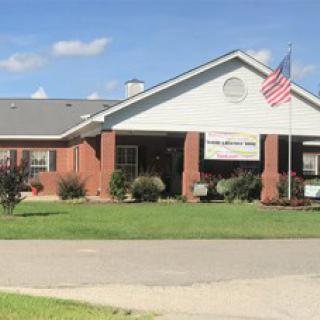
Integrity Open Arms
$2,850 to $3,750 / month12.2 miles away
Overall Review of Hope Springs
Pros
 The team at Hope Springs is amazing.
- The director and team share the same goal of taking care of the residents.
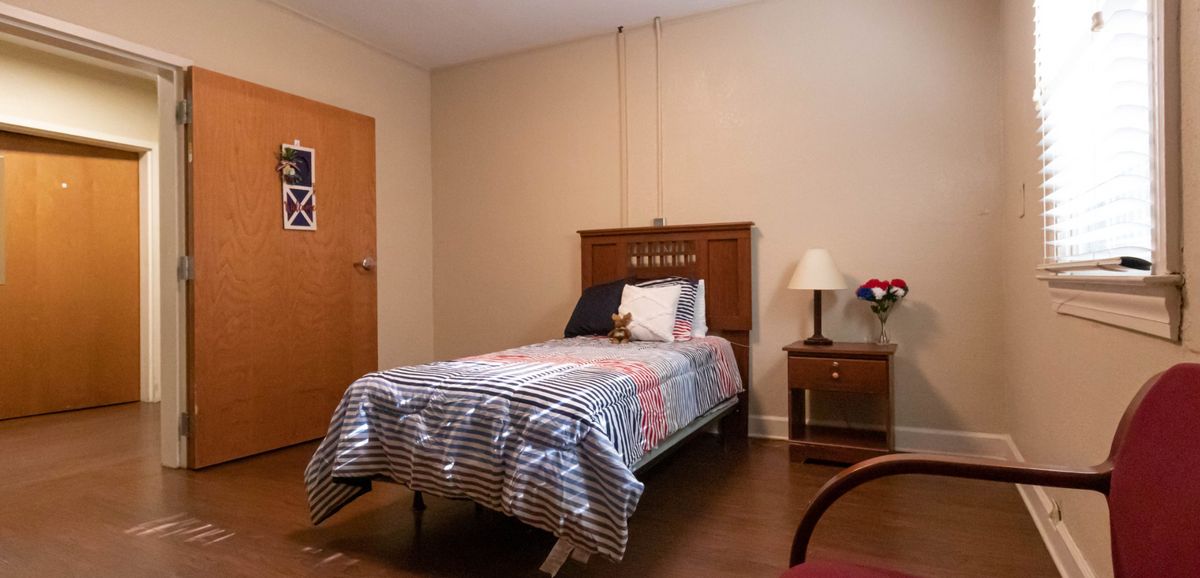
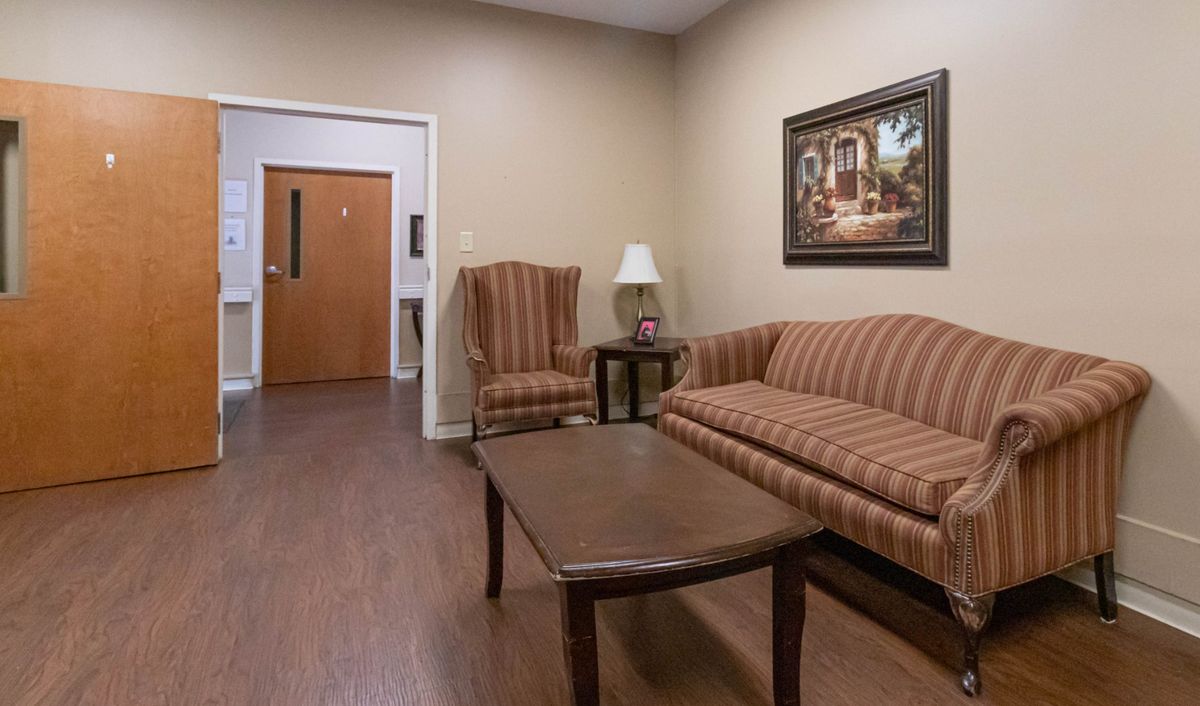
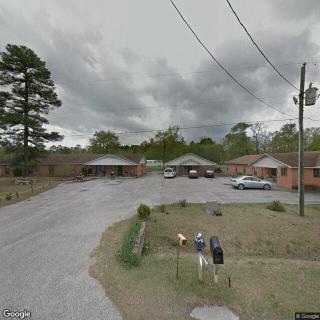
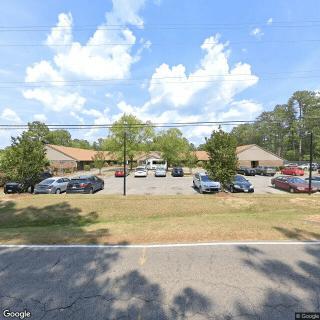
- The facilities at Hope Springs are beautiful and well maintained, and they feel like home.
- Everyone goes the extra mile to ensure residents are comfortable, safe, and happy.
- There are many activities, the meals are wonderful, and there is a strong sense of community among residents and staff.
- Loved ones thrive at Hope Springs.
- The staff are truly caring and warm.
- The facility is always clean.
- The care staff are very friendly and helpful toward the residents.
- The quality of care was superb.
Cons
 They need to do better about the food and reduce the attitude of the workers, and provide more activities to keep residents engaged.
- The place does not deserve a star and should be steered clear of.
Review
Hope Springs in Red Springs, NC is best suited for families seeking a warm, neighborhood feel where staff become familiar faces and daily life centers on comfort, routine, and genuine connection. It serves seniors who value a home-like atmosphere and a real sense of community, where caregivers know what matters and are consistently attentive. For those who want to see residents thriving through activity, social engagement, and dependable assistance, Hope Springs delivers a cohesive, reassuring environment. In this setting, daily care is anchored in compassion, making visits feel welcoming and trustworthy.
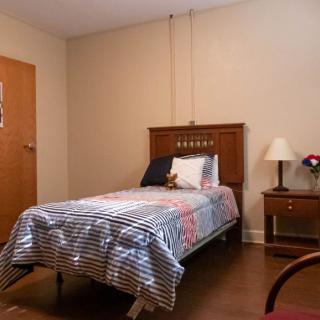
Those who require the latest in facility design, private bathrooms in every room, or a dining program built around upscale or highly specialized cuisine may want to consider alternatives. The building is described as older, not a new construction, and some private rooms for relatives lack en-suite baths, with showers and toilets located in the hallway. For families prioritizing maximum privacy, independence, or contemporary amenities, options with newer construction and private-room configurations may better match expectations. The practical gaps exist alongside a resilient emotional core that many families prize.
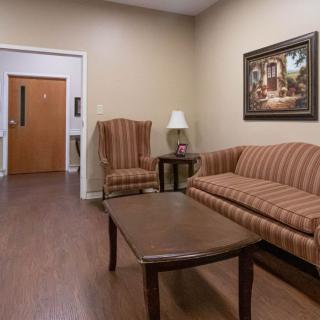
On the upside, the care team stands as the facility’s core strength. Staff are repeatedly described as caring, warm, and willing to go the extra mile to keep residents comfortable, safe, and happy. The environment feels clean and well-maintained, and visitors consistently report a welcoming, home-like ambiance. The activity slate and meal quality are often praised, contributing to a vibrant sense of community among residents. Leadership, particularly the on-site manager who keeps operations organized and responsive, anchors this positive culture. One family notes their loved one was able to stay there until the end of life with superb, attentive care, underscoring the facility’s reliability in difficult moments.
That praise coexists with cautions. Some reviewers point to food quality in need of improvement and note a less-than-ideal atmosphere among certain staff, suggesting morale and engagement could drift without ongoing attention. Another reviewer highlights the lack of private bathrooms in some rooms and the building’s age as factors that may affect comfort for those with higher privacy expectations. An extreme negative review exists, reminding prospective residents that experiences can diverge. Taken together, these concerns don’t erase the strengths but do indicate that dining consistency, staff morale, and room configurations deserve careful diligence during tours.
Despite the caveats, the pros largely offset the cons for families prioritizing warmth, continuity, and hands-on care. The environment enables daily routines, medications, and safety concerns to be managed in a setting that feels like home, not a clinical institution. End-of-life support is a standout feature for families facing the toughest decisions, with multiple accounts of attentive, compassionate care during those critical moments. Cleanliness, predictable routines, and a community where residents know one another reduce isolation and stress, turning transitions into manageable experiences that preserve dignity and familiarity.
Smart next steps for decision-makers are clear. Arrange in-person tours and talk directly with residents and family members about day-to-day life. Prioritize examining room layouts and private-bath availability in preferred configurations, and review the dining program and activity calendar to gauge how well engagement aligns with personal interests. Ask candid questions about staff morale and turnover, request recent care-plan samples, and verify the facility’s ability to accommodate end-of-life preferences. If privacy, newer amenities, or a broader culinary program are non-negotiables, keep Hope Springs on the shortlist but compare with options that better meet those criteria. For families valuing heart, consistency, and a true community feel, Hope Springs stands out as a compelling choice.
 63 resident community capacity
 Studio apartments
 Assisted Living
 Memory Care
 Activities on-site
 Air-conditioning
 Beautician on-site
 Cable or satellite TV
 Computer center
 Devotional services off-site
 Dining room
 Fitness room
 Fully furnished
 Gaming room
 Garden
 Hiking trails
 Housekeeping services
 Indoor common areas
 Kitchenette
 Laundry
 Move-in coordination
 Outdoor space
 Private bathrooms
 Respite or short term stays offered
 Restaurant-style dining
 Small library
 Spa
Spa Swimming pool
 Telephone
 Wi-Fi/high-speed internet available
 Fayetteville Municipal (21 miles away)
 Community operated transportation
 12-16 hour nursing
 24-hour call system
 Ambulatory care
 Assistance with bathing
 Assistance with dressing
 Assistance with transfers
 Diabetes diet
 Diabetic care
 Medication management
 Mental wellness program
 Special dietary restrictions
 Arts and crafts
 Concierge services
 Games
Games Live musical performances
 Planned day trips
 English


 When to Transition from Assisted Living to Memory Care: Key Indicators, Steps, and Finding the Right Community
 Understanding the Distinctions: Assisted Living and Memory Care Explained
 How to Communicate with a Loved One Living with Dementia: 10 Supportive Strategies