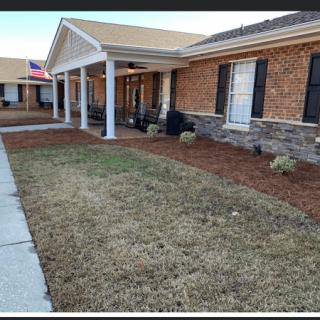
Dial's Family Care Home 4 in Pembroke, NC

Information last verified:

1698 Canal Road, Pembroke, NC 28372

For more information about senior living options: (844) 490-3973

3 from 5 reviews
5 stars
1
4 stars
2
3 stars
0
2 stars
0
1 stars
2

Overall Review of Dial's Family Care Home 4

Pros

  • pro The reviewer praises the unique twist to assisted living, with individualized personal care.
  • pro The concept of personalized care, rather than one large facility, is seen as a positive feature.
  • pro The emphasis on tailored, individual attention is highlighted as a positive direction for assisted living.

Cons

  • pro The buildings are not fit for the elderly, and the owners should be shut down.
  • pro The staff lie to residents and do not take proper care of them.
  • pro There is ongoing arguing among the people who are supposed to provide care.
  • pro The review claims that those supposed to take care of residents have mental issues.

Review

Dial's Family Care Home 4 in Pembroke, NC is best suited for families seeking intensely personalized, one-on-one care inside a small, home-like setting. The facility leans into a unique model of individual personal care rather than a large, campus-style assisted living. This approach works for seniors who value familiar routines, direct daily oversight, and the sense that staff truly knows the resident’s preferences. It is not designed to deliver the level of structure, medical amenities, or formal programming typical of larger communities, and that distinction will matter when care needs grow or safety concerns loom.

Those with higher care demands or safety concerns should consider alternatives. If a resident requires consistent on-site nursing supervision, rigorous safety features, broad activity programming, or predictable, professional governance, a larger, licensed community is usually the safer bet. The small-home model trades scale and formal systems for intimate attention; for many families, that trade is not favorable when medical complexity, fall risk, or mobility limitations become central considerations.

Pros are concrete: highly personal attention, flexible routines, and rapid responsiveness in a intimate setting. In a small home, staff can tailor meals, hygiene assistance, and daily plans to the resident’s day, and conflicts or complaints may be addressed more directly than in a crowded facility. However, these positives are offset by significant cons noted in the feedback: concerns about the suitability of the physical environment for elderly residents, questions about the reliability and consistency of care, and reports of communication problems. The core decision hinges on whether the value of individualized, hands-on care can outweigh the risk created by an aging structure, uneven oversight, and trust-related issues.

Practical due diligence becomes essential for families weighing this option. Demands should include current licensing records, up-to-date inspection reports, and clear documentation of ongoing maintenance on living spaces. Direct conversations with caregivers about training, shift patterns, and lines of responsibility matter greatly. Prospective residents should speak with multiple current or former families to gauge consistency of care and responsiveness. Contracts must spell out exactly what personal care includes, how emergencies are handled, and how disputes are resolved. If the setting feels unstable or responses to concerns feel evasive, that is a strong signal to widen the search.

Red flags to watch for include reports of inconsistent communication, perceived dishonesty, and internal disagreements among staff or owners. Such signs undermine trust and can foreshadow declining care quality. By contrast, strong alternatives offer more transparent accountability: larger communities with licensed administrators, formal policies, and routine third-party inspections; dependable staffing ratios around the clock; and visible safety upgrades such as updated accessibility features and reliable emergency procedures. When personal attention remains a priority, it is vital to confirm that such care does not come at the expense of safety, accountability, and reliable supervision.

Bottom-line guidance: this community can be a fit for residents who prize highly individualized care and a home-like atmosphere, and whose families tolerate a lean infrastructure and potential governance uncertainties in exchange for intimate attention. For those who cannot compromise on safety, predictable medical oversight, and consistent, transparent administration, stronger alternatives are advisable. The prudent course is to contrast this option with established, larger facilities that demonstrate robust safety records, clear staffing commitments, and verifiable housekeeping and maintenance standards. Making a move only after a thorough, hands-on assessment of environment, staff behavior, and governance will protect both senior quality of life and family peace of mind.

Features

Housing

  • 6 resident community capacity 6 resident community capacity

Types of Care

  • Assisted Living Assisted LivingAssisted living facilities provide crucial support and care for seniors who may need help with daily tasks such as medication management, bathing, and meal preparation. These communities offer a safe and comfortable environment where seniors can maintain their independence while receiving the assistance they need to thrive in their golden years.
  • Board and Care Home Board and Care HomeBoard and care homes provide a smaller, more intimate setting for seniors who require assistance with daily tasks but do not need the level of care offered by a nursing home. They offer personalized care, meals, and social activities in a homelike environment, ensuring that seniors receive individualized attention and support in their golden years.

Amenities

  • Cable or satellite TV Cable or satellite TVCable or satellite TV is important for seniors because it provides entertainment, news, and companionship, helping to combat loneliness and boredom. It also offers a wide range of programming options tailored to different interests and preferences.
  • Dining room Dining roomDining rooms are important for seniors as they provide a space for socialization, connection, and nutritious meals. They offer opportunities for residents to bond over shared meals, foster a sense of community, and promote healthy eating habits. Dining rooms also ensure that seniors have access to well-balanced meals tailored to their dietary needs and preferences.
  • Fully furnished Fully furnishedFully furnished senior living communities are important for seniors because they provide convenience, comfort, and a hassle-free moving experience. Seniors can easily settle into their new living space without the stress of having to buy and move furniture. This allows them to focus on enjoying their new home and community.
  • Garden GardenGardens are important for seniors as they provide a peaceful and therapeutic environment for relaxation, physical activity, and socialization. Being in nature has been shown to reduce stress, improve mood, and promote overall well-being. Gardens also offer opportunities for seniors to engage in gardening activities, which can improve mobility, flexibility, and cognitive function. Additionally, gardens create a sense of community and connection with others who share a passion for plants and outdoor spaces.
  • Housekeeping services Housekeeping servicesHousekeeping services are important for seniors because they help maintain a clean and safe living environment, promote independence, and reduce the risk of accidents or illnesses. Additionally, having assistance with household chores can alleviate physical strain and allow seniors to focus on other aspects of their well-being.
  • Move-in coordination Move-in coordinationMove-in coordination is important for seniors because it helps ease the transition into their new living environment. It ensures that all logistics, such as packing, organizing movers, and setting up utilities are taken care of, allowing seniors to focus on settling in and adjusting to their new home. Having a smooth move-in process can alleviate stress and anxiety, making the transition smoother and more enjoyable for seniors.
  • Outdoor space Outdoor spaceOutdoor spaces are important for seniors as they provide opportunities for physical activity, social interaction, exposure to natural light and fresh air, and a sense of connection to nature. Having access to outdoor spaces can improve overall well-being and quality of life for older adults living in senior communities.
  • Telephone TelephoneTelephones are important for seniors as they provide a lifeline for communication with loved ones, emergency services, and healthcare providers. They offer a sense of security and independence, enabling seniors to stay connected and access assistance when needed.
  • Wi-Fi/high-speed internet available Wi-Fi/high-speed internet availableWi-Fi/high-speed internet is important for seniors to stay connected with loved ones, access online resources, and participate in virtual activities to combat feelings of loneliness and isolation. It also allows them to easily manage healthcare needs, access entertainment, and engage in lifelong learning opportunities.

Care Services

  • 24-hour supervision 24-hour supervision24-hour supervision is important for seniors to ensure their safety, well-being, and access to immediate assistance in case of emergencies or health issues. This constant support provides peace of mind for both seniors and their loved ones, allowing them to age in place with dignity and security.
  • Activities of daily living assistance Activities of daily living assistanceActivities of daily living assistance are important for seniors because they provide essential support with tasks such as eating, bathing, dressing, and mobility. This assistance helps seniors maintain their independence, dignity, and overall quality of life as they age.
  • Assistance with bathing Assistance with bathingAssistance with bathing is crucial for seniors as it helps maintain personal hygiene, prevents infections, and ensures their overall well-being and comfort. It also provides a sense of dignity and independence for seniors who may struggle with this task on their own.
  • Assistance with dressing Assistance with dressingAssistance with dressing is important for seniors because it helps maintain their independence, promotes personal hygiene, prevents accidents and injuries, and improves overall quality of life. This service ensures that seniors can continue to dress comfortably and confidently, despite any physical limitations they may have.
  • Assistance with transfers Assistance with transfersAssistance with transfers is crucial for seniors as it helps prevent falls and injuries, maintains their independence, and ensures they can safely navigate their living environment. It also provides peace of mind for both seniors and their loved ones.
  • Coordination with health care providers Coordination with health care providersCoordination with health care providers is crucial for seniors to ensure proper medical care, medication management, and overall well-being. This collaboration helps prevent overlapping treatments, track progress more effectively, and provide comprehensive support tailored to individual needs.
  • Diabetes diet Diabetes dietA diabetes diet is crucial for seniors as it helps manage blood sugar levels, reduce risks of complications, and improve overall health and well-being. By following a balanced and nutritious diet tailored to their specific needs, seniors can better control their diabetes and enhance their quality of life.
  • Meal preparation and service Meal preparation and serviceMeal preparation and service are crucial for seniors as they may have limited mobility or energy to cook nutritious meals. Having access to healthy and convenient food options can ensure they are getting the proper nutrition needed to maintain their overall health and well-being.
  • Medication management Medication managementMedication management is crucial for seniors to ensure they are taking the right medications at the correct dosages and times. This helps prevent adverse drug interactions, reduces the risk of medication errors, and promotes overall health and well-being. Proactive management also allows for adjustments as needed based on changing health conditions or new prescriptions.
  • Special dietary restrictions Special dietary restrictionsSpecial dietary restrictions are important for seniors because age-related changes in metabolism and health conditions can make it difficult for their bodies to process certain foods. By following a diet tailored to their specific needs, seniors can maintain their overall health and well-being, manage chronic conditions, and reduce the risk of complications such as malnutrition or food interactions with medications.
  • Transportation arrangement (medical) Transportation arrangement (medical)Transportation arrangements for medical purposes are essential for seniors as they may have difficulty driving themselves to appointments or accessing public transportation. Having reliable and safe transportation options ensures that seniors can receive timely medical care and maintain their health and well-being.
  • Transportation to doctors appointments Transportation to doctors appointmentsTransportation to doctors' appointments is crucial for seniors as it ensures they have access to necessary medical care and support for their health needs. Without reliable transportation, seniors may struggle to attend important appointments, leading to potential delays in treatment and health complications. Providing transportation services helps seniors maintain their overall well-being and quality of life.

Dining

  • Diabetes diet Diabetes dietA diabetes diet is crucial for seniors as it helps manage blood sugar levels, reduce risks of complications, and improve overall health and well-being. By following a balanced and nutritious diet tailored to their specific needs, seniors can better control their diabetes and enhance their quality of life.
  • Special dietary restrictions Special dietary restrictionsSpecial dietary restrictions are important for seniors because age-related changes in metabolism and health conditions can make it difficult for their bodies to process certain foods. By following a diet tailored to their specific needs, seniors can maintain their overall health and well-being, manage chronic conditions, and reduce the risk of complications such as malnutrition or food interactions with medications.

Activities

  • Community-sponsored activities Community-sponsored activitiesCommunity-sponsored activities are important for seniors as they provide opportunities for social interaction, mental stimulation, and physical activity. These activities can help improve overall well-being, combat loneliness and isolation, and promote a sense of belonging and purpose among older adults.
  • Scheduled daily activities Scheduled daily activitiesScheduled daily activities are important for seniors because they provide structure, socialization, mental stimulation, and physical activity. Engaging in regular activities can improve overall well-being and quality of life for seniors living in a community setting.

Description

Dial's Family Care Home 4 is a welcoming and nurturing assisted living community located in the heart of Pembroke, NC. Designed to provide comfort and support, this board and care home offers a range of amenities that foster a sense of belonging and well-being for its residents.

The community features spacious and fully furnished living areas, complemented by a cozy dining room where residents can enjoy nutritious meals tailored to their specific dietary needs. With special attention to meal preparation and service, including diabetes-friendly options, Dial's Family Care Home ensures that each resident's dietary restrictions are respected.

Residents can take advantage of beautiful outdoor spaces and gardens, perfect for relaxation or leisurely strolls. The home also provides essential services such as housekeeping, move-in coordination, and high-speed internet access so that loved ones can stay connected.

At Dial's Family Care Home 4, personalized care is at the forefront. Trained staff members assist with activities of daily living, ranging from bathing and dressing to mobility support, and coordinate closely with healthcare providers to ensure comprehensive medical care. Additionally, transportation arrangements for medical appointments are available to facilitate easy access to healthcare services.

Engagement is encouraged through scheduled daily activities designed to promote social interaction and physical wellness. This holistic approach creates an enriching environment where residents can thrive while receiving the assistance they need in a safe and supportive setting.

Overall, Dial's Family Care Home 4 represents a compassionate choice for individuals seeking quality assisted living in Pembroke, NC, where comfort meets care in a vibrant community atmosphere.

Nearby Places of Interest

This part of Pembroke, North Carolina offers a variety of amenities that may be appealing to seniors looking to relocate. There are several dining options within a reasonable driving distance, including Hot Tamale, The Peddler Steakhouse, and Dale's Seafood. Additionally, there are places of worship such as Mt Zion Baptist Church and St Matthews Ame Church for spiritual fulfillment. In terms of healthcare, residents have access to hospitals like Saint Eugene Medical Center and McLeod OB/GYN Dillon, as well as pharmacies like Webster's Pharmacy and CVS Pharmacy for their medical needs. For leisure activities, there are parks like Harmon Field and cafes like Starbucks nearby. Overall, this area provides a mix of conveniences that can cater to the needs of seniors looking for a comfortable living environment.

Restaurants

  • Hot Tamale (11.7 miles)
  • South of the Border (11.9 miles)
  • The Peddler Steakhouse (11.9 miles)
  • Dale's Seafood (13.1 miles)
  • Jerry's (16.1 miles)
  • Burger King (16.9 miles)
  • Huddle House (17 miles)

Parks

  • Pedros Dog Area (11.7 miles)
  • Harmon Field (18.2 miles)

Places of Worship

  • Cbm Ministries (11.8 miles)
  • Fairpoint Free Will Baptist Church (11.9 miles)
  • Mt Zion Baptist Church (12.1 miles)
  • Southern Baptist Convention (12.7 miles)
  • First Baptist Church-Mac Dnld (12.8 miles)
  • Saint Johns Ame Church (12.9 miles)
  • St Matthews Ame Church (13.2 miles)

Pharmacies

  • Webster's Pharmacy (12.7 miles)
  • CVS Pharmacy (17.5 miles)
  • Walgreens (17.5 miles)
  • Pee Dee Home Medical Supply (18.1 miles)
  • Epic Pharmacies (21.8 miles)

Hospitals

  • Robeson Health Care Corporation (13.5 miles)
  • Saint Eugene Medical Center (18 miles)
  • McLeod OB/GYN Dillon (18 miles)
  • Mcleod Hospital Dillion Sc (18.1 miles)

Cafes

  • Starbucks (17.1 miles)

Physicians

  • Caresouth Carolina (17.8 miles)
  • Emergency Department, McLeod Health - McLeod Health Dillon (18 miles)
  • McLeod Ob/Gyn Dillon (18 miles)
  • McLeod Pediatrics Dillon (18 miles)

Transportation

  • U-Haul (19.2 miles)

Frequently Asked Questions

Where is Dial's Family Care Home 4?

Nearby Communities

  • Dial's Family Care Home 5

    Dial's Family Care Home 5

    Pembroke, NC

    3 from 5 reviews
     

    pro Intimate 6-bed setting with personalized, 24/7 care.

  • Dial's Family Care Home #1,  2,  3

    Dial's Family Care Home #1, 2, 3

    Pembroke, NC

    3 from 5 reviews
     

    pro Welcoming assisted living with social spaces and diabetic care.

  • Dial's Family Care Home 1

    Dial's Family Care Home 1

    Pembroke, NC

    3 from 5 reviews
     

    pro Small, home-like setting with personalized care and diabetes-friendly dining.

  • Harrington Assisted Living 6

    Harrington Assisted Living 6

    Pembroke, NC


    pro Intimate, home-like setting with 24-hour supervision and personalized care.

  • Dial's Family Care Home 2

    Dial's Family Care Home 2

    Pembroke, NC

    3 from 5 reviews
    $5,150 to $6,695 / month

    pro Comprehensive, 24/7 care in a home-like setting.

  • Harrington Assisted Living 8

    Harrington Assisted Living 8

    Pembroke, NC


    pro Small, home-like setting with 24-hour supervision and personalized daily living support.

  • Pembroke Care and Rehabilitation Center

    Pembroke Care and Rehabilitation Center

    Pembroke, NC

    3.9 from 83 reviews
    $4,860 / month

    pro Attentive staff with around-the-clock care and proactive family communication.

  • Rivers Edge of Lumberton

    Rivers Edge of Lumberton

    Lumberton, NC

    2.1 from 19 reviews
    $3,000 to $4,500 / month

    pro Kind staff and improvements from renovations creating a warmer atmosphere.

  • Wesley Pines Retirement Community

    Wesley Pines Retirement Community

    Lumberton, NC

    4.8 from 68 reviews
    $2,495 / month

    pro Compassionate staff delivering high-quality care in a well-maintained, activity-rich community.

Related Resources

  • how to pay for assisted livingFunding and Affording Assisted Living: A Thorough Overview

    Assisted living facilities provide support for older adults needing help with daily activities without extensive medical care, but their costs can be high and vary by location and services offered. Families often seek various funding options and financial strategies to manage these expenses effectively while considering future needs and potential price increases.

  • assisted living insuranceAssisted Living Expenses and Long-Term Care Insurance: A Comprehensive Exploration

    The article discusses assisted living expenses, the importance of long-term care insurance in covering these costs, and various financing options, highlighting the need for careful policy review and early planning to address potential needs. It also clarifies common misconceptions about Medicare and private health insurance limitations regarding long-term care coverage.

  • how to pay for assisted livingSecuring Financial Support for Assisted Living: A Comprehensive Overview

    Assisted living facilities offer crucial support for older adults needing help with daily activities but come with varying and significant costs, which can be financed through personal savings, government assistance programs, long-term care insurance, and home equity options. Professional guidance from experts can aid families in navigating these financial complexities to establish a sustainable budgeting approach for assisted living services.