
104 Efird Blvd, New Bern, NC 28562
To contact a resident: (252) 633-3455
For more information about senior living options: (866) 208-4318
Riverstone Health Management Costs & Pricing
Riverstone Health Management offers competitive pricing for its residential options when compared to both Jones County and the broader state of North Carolina. For instance, a two-bedroom unit is available at an affordable $500 per month, significantly lower than the county's average of $3,291 and the state's average of $4,245. Even in other categories such as semi-private rooms and studios, Riverstone's rates - $1,705 and $2,500 respectively - are notably more economical than the averages found in Jones County ($3,339 for semi-private and $3,507 for studios) and across North Carolina ($3,584 for semi-private and $4,020 for studios). This pricing structure reflects Riverstone's commitment to providing accessible living solutions without compromising on quality or care.
| Floor plans | Riverstone Health Management | Jones County | North Carolina |
|---|---|---|---|
| 2 Bedrooms | $500 | $3,291 | $4,245 |
| Semi-Private | $1,705 | $3,339 | $3,584 |
| Studio | $2,500 | $3,507 | $4,020 |
Overall Review of Riverstone Health Management
Pros
 It is described as a lovely place.
- The staff is friendly and professional, and they do a good job taking care of the residents.
- The staff are attentive and very reliable when it comes to checking in and making sure everyone gets to meals.
- The overall experience with Riverstone Assisted Living has been a good one.
Cons
 The place is filthy, with roaches nearly running the business.
- There is nothing welcoming about Riverstone; the photo of welcoming feels like a lie.
- The staff is rude and does not seem properly trained to care for residents.
- It is a sad, lifeless place where elderly people go to die.
- There was neglect and negligence by staff, including failures to assist with bathing, laundry, and dressing.
- Medical oversight is questionable, with claims that doctors did not see the patient and the decline was ignored.
- There are allegations of neglect and improper medication practices that contributed to a resident’s worsening condition.
Review
Riverstone Health Management in New Bern, NC is best suited for families prioritizing affordability, predictable daily routines, and solid meal service, where comfort and companionship are valued more than intensive clinical oversight. The community appears to serve residents who can manage most activities of daily living with modest support and who want reliable mealtimes and accessible staff. For families watching every dollar and seeking a straightforward, sociable environment, Riverstone can feel like the right fit, provided expectations about medical rigor and cleanliness are managed from the outset.
Yet several reviews pull no punches about serious concerns that cannot be brushed aside. Multiple accounts describe unsanitary conditions and pervasive pest issues, with residents allegedly not receiving basic assistance such as bathing, laundry, or dressing. The severity of these claims is compounded by reports of delayed responses to medical symptoms and a sense that a vulnerable family member was neglected and disrespected. Assertions about an onsite physician who did not engage as health declined raise legitimate questions about medical oversight, documentation, and accountability. Taken together, these red flags point to a facility where care quality can swing dramatically depending on staffing and supervision.
On the other hand, there are clearly positive observations about Riverstone. Some reviewers describe staff as friendly and professional, noting reliable check-ins and dependable day-to-day routines around meals. When staffing is adequate, residents receive timely meals and attentive supervision during daily activities, and a portion of families report a generally good experience. That tension, strong, responsive care on some days versus lapses on others, creates a split impression: Riverstone can work well for residents who happen to fit a steady, well-supported shift, but it is unlikely to be consistently reliable for all who rely on it.
The strongest pros, affordable pricing, a consistent meal program, and approachable staff, do not fully offset the most troubling cons. The core risks involve cleanliness and maintenance deficiencies, variable staff coverage, and questionable medical oversight that can impact how quickly emergencies are recognized and how medications are managed. When the care environment feels unstable, even the friendliest aides and the best meal service can fail to reassure families that a loved one will be consistently protected and appropriately monitored. For families evaluating alternatives, options with stronger infection control, steadier staffing, and clearer clinical oversight are compelling contenders.
For decision-making, approach Riverstone with a rigorous checklist and a clear plan. Demand a current, written care plan overseen by a licensed clinician; verify around-the-clock nursing or licensed practical nurse coverage; request the latest inspection and licensing reports; observe a mealtime interaction to assess how aides assist residents; tour housekeeping and laundry operations; review incident logs and the facility’s response protocol; and speak with several residents and their families about ongoing experiences. At the same time, compare with nearby communities that emphasize higher staffing ratios, more consistent housekeeping standards, and demonstrable medical oversight to ensure a well-rounded choice.
Ultimately, Riverstone presents a mixed proposition. It can serve families seeking affordability and social engagement, provided there is strong, dependable oversight and consistent staffing. For those requiring reliable medical management, rapid emergency response, and a consistently clean, well-maintained environment, exploring stronger alternatives is prudent. If Riverstone is pursued, establish firm expectations, secure written care plans with service guarantees, and set a structured trial period with measurable milestones and exit provisions to guard against prolonged exposure to variability in care.
 64 resident community capacity
 Assisted Living
 Independent Living
 Cats allowed
 Dogs allowed
 Activities off-site
 Air-conditioning
 Beautician on-site
 Cable or satellite TV
 Computer center
 Devotional services off-site
 Dining room
 Fitness room
 Fully furnished
 Gaming room
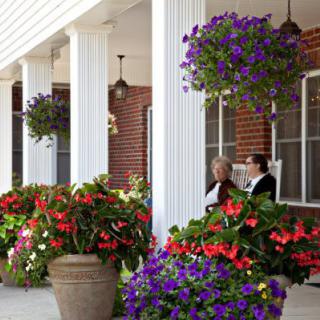
 Garden
 Housekeeping services
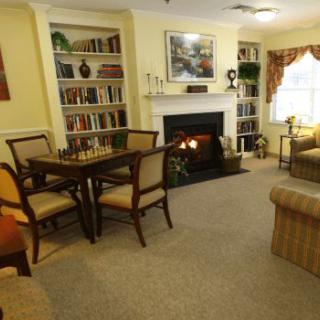
 Indoor common areas
 Kitchenette
 Move-in coordination
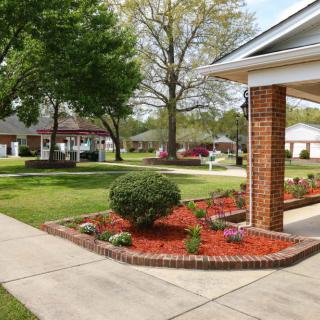
 Outdoor common areas
 Private bathrooms
 Respite or short term stays offered
 Restaurant-style dining
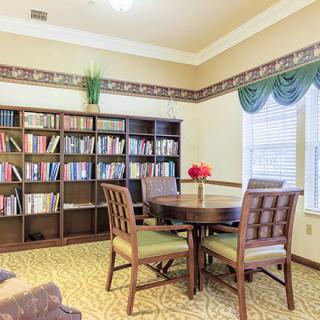
 Small library
 Telephone
 Wellness center
 Wheelchair accessible showers
 Wi-Fi/high-speed internet available
 Craven County Regional (6 miles away)
 Community operated transportation
 12-16 hour nursing
 24-hour call system
 Ambulatory care
 Assistance with bathing
 Assistance with dressing
 Assistance with transfers
 Diabetes diet
 Diabetic care
 Incontinence care
 Medication management
 Mental wellness program
 Special dietary restrictions
 Concierge services
 Planned day trips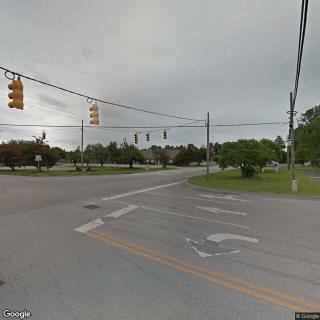

 Exploring the Contrasts Between Assisted Living and Skilled Nursing
 8 Key Indicators That Suggest It May Be Time to Transition from Assisted Living to Skilled Nursing Care
 Vibrant Senior Living: A Comprehensive Guide for Active Older Adults