Home Place of New Bern presents a range of housing options with costs that are notably higher than both Jones County and the broader North Carolina averages. For instance, the monthly fee for a studio is $5,125, significantly surpassing Jones County's average of $3,507 and even the state average of $4,020. The one-bedroom units follow a similar trend, priced at $6,275 compared to Jones County's $4,199 and North Carolina's average of $4,055. Interestingly, the semi-private rooms at Home Place cost $6,325, which stands in stark contrast to Jones County's more affordable rate of $3,339 and the state's average of $3,584. These figures indicate that while Home Place of New Bern offers exceptional services and amenities likely reflective of its higher pricing structure, prospective residents should weigh these costs against their budgetary considerations within the local context.
Floor plans
Home Place of New Bern
Jones County
North Carolina
Studio
$5,125
$3,507
$4,020
1 Bedroom
$6,275
$4,199
$4,055
Semi-Private
$6,325
$3,339
$3,584
Overall Review of Home Place of New Bern
differentiator2 reviews mention this
24/7 supervision for residents
Residents and families describe around-the-clock supervision and peace of mind.
Multiple reviews mention safety oversight on an around-the-clock basis, with one describing peace of mind from 24/7 care. That aligns with the way care is organized here, including a 24-hour call system and 24-hour supervision.
differentiator5 reviews mention this
Memory care programming stands out
Memory care is consistently described as personal and structured.
Reviews centered on memory care describe staff that takes thoughtful, hands-on care, including one family thanking the memory care team during end-of-life care. Several reviews specifically point to Bridge to Rediscovery and Montessori-styled activities such as music therapy, pet therapy, and field trips. The community also offers specialized memory care programming and dementia waivers in its care services.
common21 reviews mention this
Activities include off-site outings
Activities go beyond the building with frequent outings.
Residents and families describe a steady stream of scheduled activities, including games, entertainment, devotional events, and music-based get-togethers. Several reviews also mention transportation for off-site plans—such as doctors’ appointments, shopping, theater or concerts, and day trips. This fits with the community offering both on-site and off-site activity options and transportation arrangements.
common3 reviews mention this
Meals get mixed but frequent mentions
Dining is a frequent topic, with both praise and variability.
Some reviews describe meals as tasty and well prepared, served multiple times per day. Others report dining variability, including periods when food preparation and service did not meet expectations. The community’s dining offerings include restaurant-style dining and options such as room service, guest meals, and special diets.
common34 reviews mention this
Friendly staff is a recurring strength
Staff interactions are repeatedly described as kind, caring, and responsive.
Many reviews emphasize how welcoming and helpful the staff is, often highlighting day-to-day support with questions, comfort, and care needs. Several people specifically mention responsive attention—whether from the front desk or nursing and aides who step in quickly when extra help is needed. Families also describe communication and reassurance when concerns come up.
caveat5 reviews mention this
Inconsistent administration and staffing
Some reviews raise concerns about administration, staffing, and follow-through.
A small number of reviews are sharply critical, including claims of serious medication issues and a lack of professionalism or transparency. Others describe problems with administration—such as poor rehiring, difficulty getting responses from the office, and temporary shortcomings that affected cleanliness or dining. One reviewer also questions whether they can find good staff for the cost, and several reviews ask for more consistent follow-up when problems arise.
How we summarize
Counts show how many written reviews mention each theme; a review can touch several themes, and only frequently mentioned themes are displayed.
Home Place of New Bern presents a range of housing options with costs that are notably higher than both Jones County and the broader North Carolina averages. For instance, the monthly fee for a studio is $5,125, significantly surpassing Jones County's average of $3,507 and even the state average of $4,020. The one-bedroom units follow a similar trend, priced at $6,275 compared to Jones County's $4,199 and North Carolina's average of $4,055. Interestingly, the semi-private rooms at Home Place cost $6,325, which stands in stark contrast to Jones County's more affordable rate of $3,339 and the state's average of $3,584. These figures indicate that while Home Place of New Bern offers exceptional services and amenities likely reflective of its higher pricing structure, prospective residents should weigh these costs against their budgetary considerations within the local context.
The various features at Home Place of New Bern are designed to create a supportive environment that addresses the unique needs of individuals with dementia or Alzheimer's disease. The provision of 24-hour supervision ensures consistent oversight, enhancing safety and security for residents. Assistance with activities of daily living, such as bathing and dressing, fosters independence while maintaining personal dignity, which can be crucial for emotional well-being. Coordination with health care providers allows for seamless management of medical needs, while incontinence care and meal preparation help attendees maintain comfort and nutritional health. Medication management ensures timely and accurate adherence to prescribed regimens. Additionally, specialized memory care programming and a mental wellness program cater specifically to cognitive challenges, promoting engagement and cognitive function through tailored activities. Transportation arrangements for medical appointments facilitate necessary access to healthcare services, thereby supporting overall well-being in a comprehensive manner.
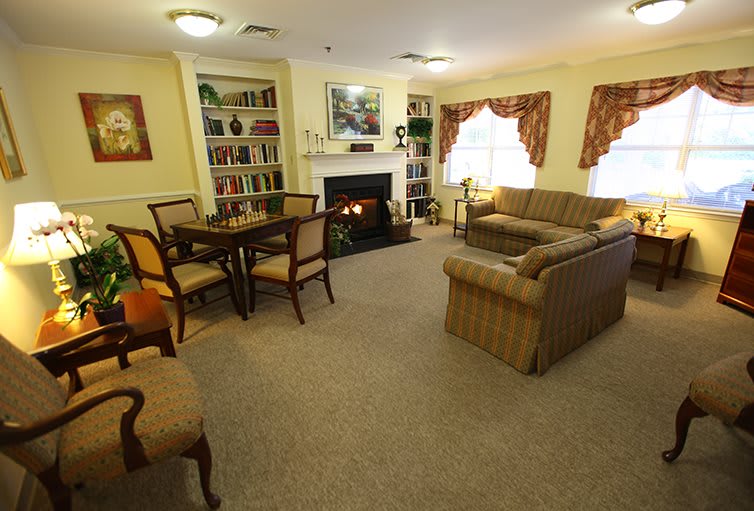
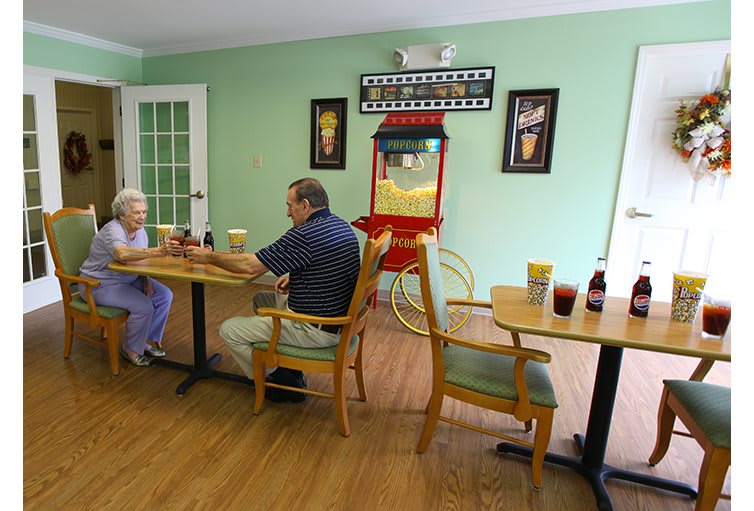
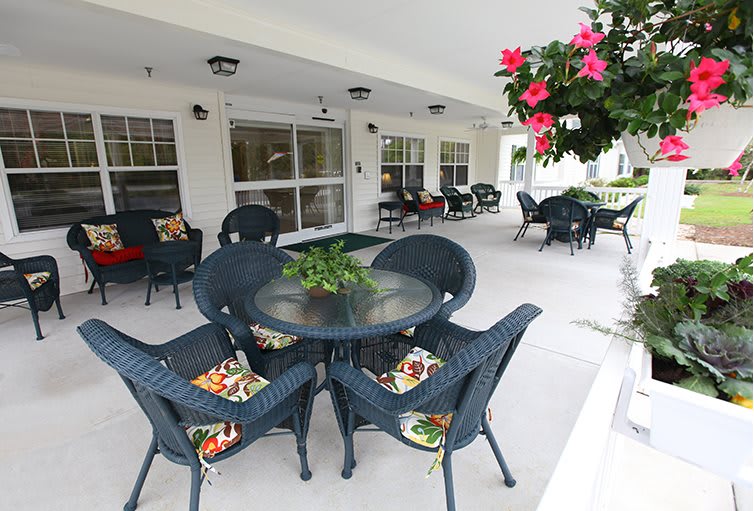
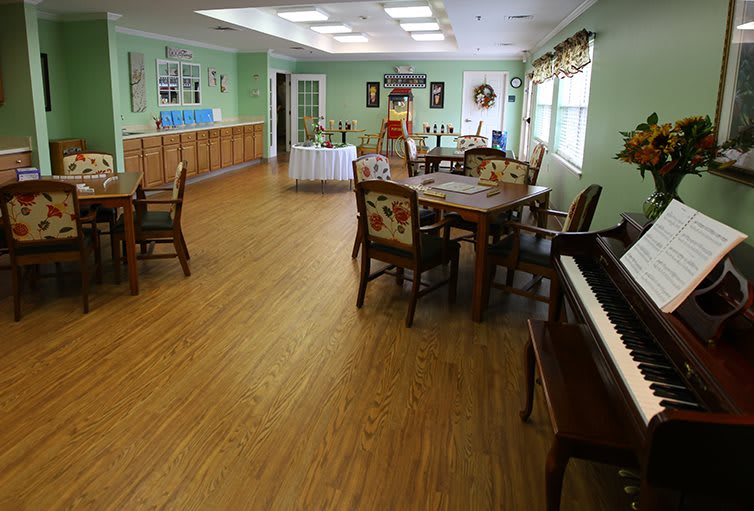
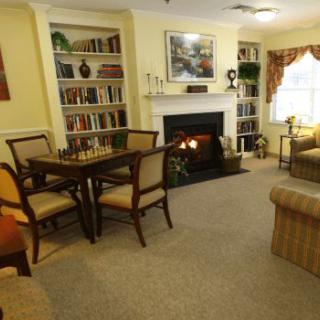
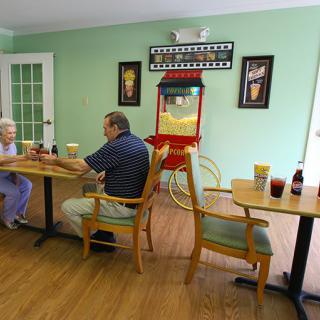
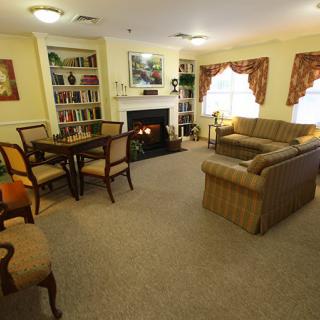
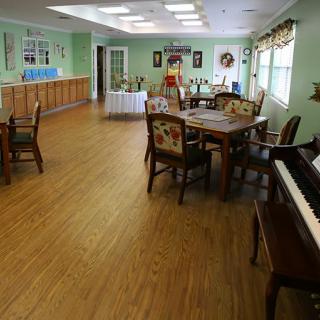
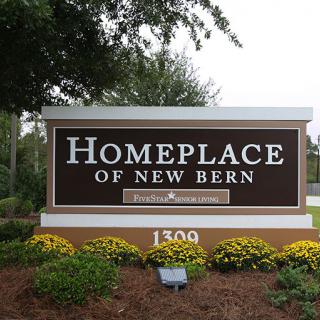
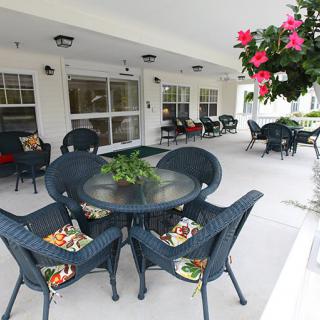
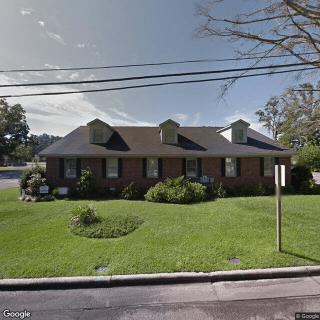
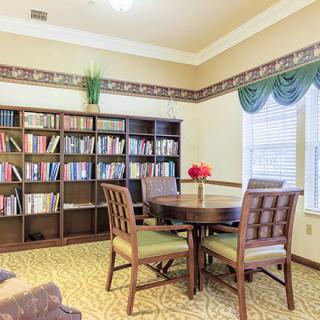
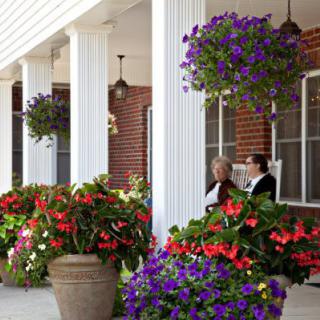
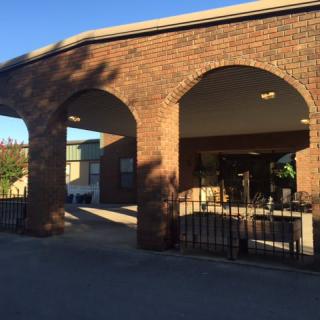
Home Place of New Bern on seniors.fyi includes 7 photos including images showing interior, decor, fireplace, dining, living room, bookshelves, landscaping, artwork, and more.
Nearby Communities
McCarthy Court
New Bern, NC
4.8 from 19 reviews
$3,510 to $3,945 / month
Caring staff, engaging activities, and an upscale, secure setting.
Truewood By Merrill, New Bern
New Bern, NC
4.4 from 98 reviews
Friendly, attentive staff in a clean, engaging community.
Bayada Home Health Care
New Bern, NC
3.2 from 12 reviews
Compassionate, reliable caregivers; responsive and easy to work with.
Home Instead - New Bern, NC
New Bern, NC
4.7 from 44 reviews
Local Home Instead office in New Bern, NC.
Brookdale New Bern
New Bern, NC
4.2 from 53 reviews
$3,915 to $6,125 / month
Friendly, attentive staff and a clean, welcoming environment with engaging activities.
Maxim Healthcare
New Bern, NC
3.4 from 53 reviews
Residential ambiance with well-maintained decor and outdoor spaces.
Riverstone Health Management
New Bern, NC
3 from 10 reviews
$500 to $2,500 / month
Friendly, professional staff delivering attentive care.
The Village Of Kinston
Kinston, NC
4.1 from 11 reviews
$2,600 to $2,900 / month
Family-oriented atmosphere with attentive staff and ongoing renovations.
Onslow House
Jacksonville, NC
4.4 from 10 reviews
$2,700 to $4,000 / month
Strong leadership and friendly staff; clean interiors and good dining.
Vibrant Senior Living emphasizes active senior living communities that promote independence and engagement through diverse amenities and activities, fostering wellness and social interaction among older adults. These communities range from independent to assisted living, with a focus on personal growth, family involvement, financial planning, and leveraging technology to enhance residents' experiences.
Assisted living provides moderate support for seniors seeking independence, while memory care offers specialized support for individuals with dementia or cognitive impairments through structured routines and trained staff. Key differences include care approaches, environment security measures, staff training levels, activity types, and cost considerations.
Choosing between assisted living and nursing homes involves evaluating emotional and financial factors, with assisted living offering independence and support for daily activities at a lower cost, while nursing homes provide intensive medical care for individuals with significant health needs. The decision is influenced by personal preferences, health status, cognitive function, and varying Medicaid coverage across states.
Get PricingAsk A QuestionSchedule A TourContact Senior Advisor
By clicking submit, you agree to our Partner's Terms of Use. You
also consent to receive calls and texts, which may be autodialed, from our Partner. Your consent is not a condition to
using our Partner's service. Please visit our Partner's Privacy Policy for information about their privacy practices.

 60 resident community capacity
 1-bedroom apartments
 Assisted Living
 Memory Care
 Cats allowed
 Dogs allowed
 Activities off-site
 Air-conditioning
 Beautician on-site
 Cable or satellite TV
 Computer center
 Devotional services on-site
 Dining room
 Fitness room
 Full kitchen
 Fully furnished
 Gaming room
 Garden
 Ground floor units
 Handicap accessible
 Housekeeping services
 Indoor common areas
 Move-in coordination
 Outdoor common areas
 Private bathrooms
 Resident parking
 Respite or short term stays offered
 Restaurant-style dining
 Small library
 Telephone
 Wellness center
 Wheelchair accessible showers
 Wi-Fi/high-speed internet available
 Craven County Regional (3 miles away)
 Community operated transportation
 12-16 hour nursing
 24-hour call system
 Ambulatory care
 Assistance with bathing
 Assistance with dressing
 Assistance with transfers
 Diabetes diet
 Diabetic care
 High acuity care
 Hospice waiver
 Incontinence care
 Medication management
 Mental wellness program
 Special dietary restrictions
 Transportation arrangement (medical)
 Art classes
 Bible study group
 Concierge services
 Cooking classes
 Day trips and outings
 Educational speakers / life long learning
 Happy hour
 Karaoke
 Live dance or theater performances
 Live musical performances
 Wine tasting
 English
 Caring staff, engaging activities, and an upscale, secure setting.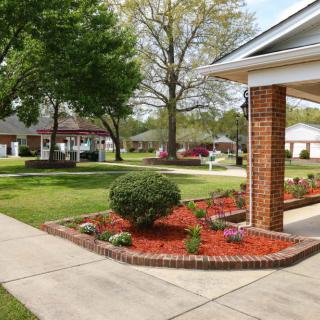

 Vibrant Senior Living: A Comprehensive Guide for Active Older Adults
 Assisted Living and Memory Care: Understanding Their Core Differences
 Choosing the Right Senior Care: A Detailed Exploration of Assisted Living and Nursing Homes