






1935 Idlewild Drive, Kinston, NC 28504
For more information about senior living options: (866) 208-4318
The Village Of Kinston Costs & Pricing
The Village of Kinston offers competitive pricing for its living accommodations, particularly when compared to both Lenoir County and the broader North Carolina market. For instance, a semi-private room is available at $2,600 per month, which is notably lower than the county average of $2,725 and significantly less than the statewide average of $3,584. Similarly, studio apartments are priced at $2,800 - again offering substantial savings over Lenoir County's average of $3,967 and North Carolina's average of $4,020. The one-bedroom units follow this trend with a monthly rate of $2,900 compared to $3,156 in the county and $4,055 statewide. These cost advantages make The Village of Kinston an attractive option for individuals seeking quality living arrangements that balance affordability with comfort in both local and state contexts.
| Floor plans | The Village Of Kinston | Lenoir County | North Carolina |
|---|---|---|---|
| Semi-Private | $2,600 | $2,725 | $3,584 |
| Studio | $2,800 | $3,967 | $4,020 |
| 1 Bedroom | $2,900 | $3,156 | $4,055 |
Memory care communities with a similar price nearby
-
About the same
Lenoir Assisted Living
$2,600 to $2,900 / month13.0 miles away -
from -$100 / mo

Snow Hill Assisted Living
$2,500 to $3,000 / month17.6 miles away
Overall Review of The Village Of Kinston
Pros
 The Village of Kinston provides a family-like environment and setting.
- It is a small community that feels like a home.
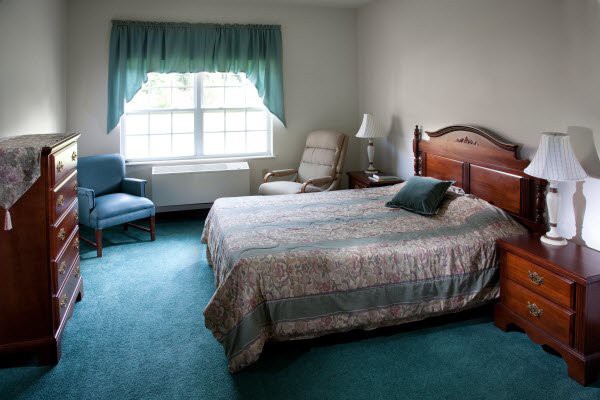
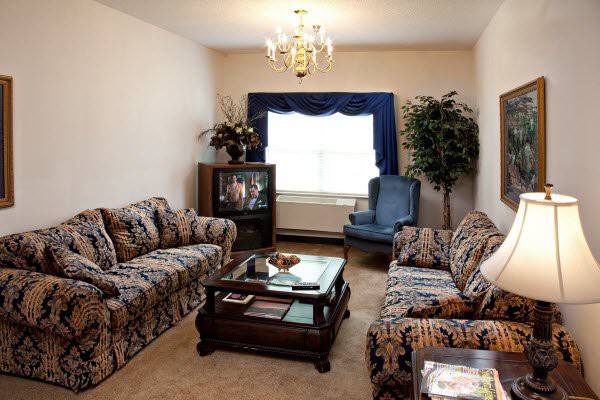
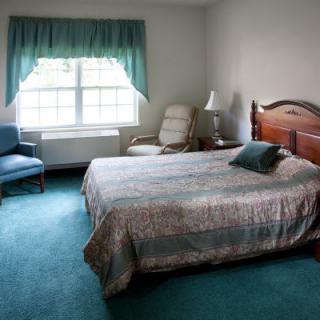
- The memory care area is designed like a family room and kitchen, creating a welcoming atmosphere.
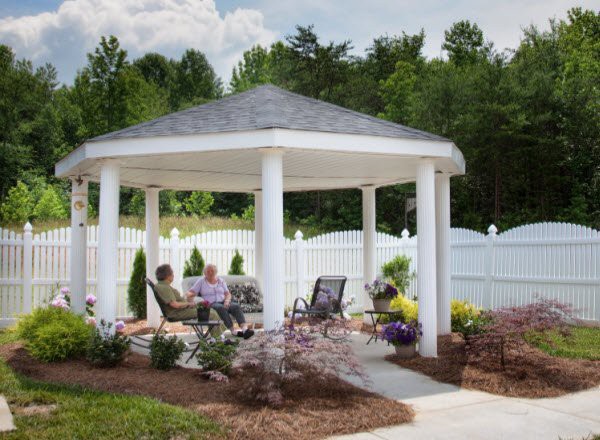
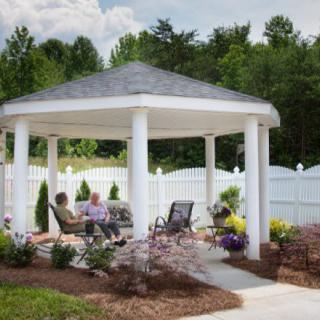
- There is an outdoor area for residents to enjoy.
- The remodel and upgrades look very nice and improve the facility.
- Transportation arrangements include on-site doctor visits when needed, which is convenient.
- Residents are eating a broader variety of foods and receive three meals plus three snacks daily.
- The staff are friendly, caring, and attentive, and they help keep residents safe and well cared for.
Cons
 The reviewer felt the community looked nice but was not very inviting and wasn’t the right fit for their sister-in-law.
- The reviewer noted that the pricing was higher than other communities and the amenities were not as good.
- The experience was not a good one, with the loved one not being comfortable there.
- The staff seemed very understaffed and stretched thin.
- There were complaints about the quality of the food.
Review
The Village of Kinston is best suited for families seeking a small, home-like memory-care environment where personalized attention and a calm, family-centered atmosphere anchor daily life. It works well for residents who respond to intimate, two-way relationships with caregivers, and for families who value safety, cleanliness, and a sense of belonging over a splashy campus. The community’s size supports a less overwhelming routine, and several families praise the warmth and steadiness of the staff. It also fits those open to ongoing remodeling and modest turnover in amenities, provided the core culture remains about individualized care and consistent contact with loved ones.
Pros are meaningful and tangible: the small scale translates into staff who aren’t stretched to the breaking point, enabling more consistent interaction and monitoring. The memory-care setup emphasizes a home-like living room and kitchen flow, which many visitors describe as comforting and easy for residents to navigate. Remodeling activity is framed as progress rather than disruption, signaling an investment in aesthetics and functionality. On-site or easily arranged transportation to doctors, plus a structured meal plan of three meals and multiple snacks, addresses routine health needs without forcing families into logistical mazes. Cleanliness and a quiet, orderly environment recur in multiple accounts, reinforcing the sense of security that families seek.
Yet, cons exist and deserve sober attention. Several reviews flag perceptions of understaffing during busy periods, with staff stretched thin and caregiving tasks potentially rushed. Food quality also surfaces as a point of contention in some family accounts, casting doubt on whether meals consistently meet residents’ tastes and nutritional expectations. Pricing sits higher than some nearby options, and a portion of reviewers describe amenities as not quite on par with what was hoped or expected. Not everyone finds the atmosphere inviting, and a few families feel the overall package may not align with their loved one’s social or activity preferences. There is also mention that some residents or families don’t immediately grasp the full slate of activities available.
These strengths and weaknesses interact in meaningful ways. The intimate, family-forward model can offset staffing concerns by fostering strong, day-to-day relationships between residents and a stable team, so care feels personal rather than procedural. A homey memory-care design supports orientation and comfort, which can mitigate anxiety even if activities are less formal or extensive than in larger communities. Management engagement in move-in and daily check-ins helps smooth transitions and demonstrates commitment, which can cushion mood fluctuations or adjustment challenges in new residents. The remodeling and upgrades anticipate better spaces and dining options, potentially elevating the everyday experience to better match expectations, especially as the community matures into its renewed footprint.
For families weighing options, this community is a solid fit for those prioritizing warmth, routine, and caregiver rapport over a wide menu of amenities or a bustling social scene. Alternatives are worth considering if price is a primary constraint, if the loved one requires a more aggressive activity calendar, or if robust, high-capacity staffing is non-negotiable. Families seeking a campus with extensive programming, diverse venues, or highly polished dining experiences may find the value balance and the overall vibe here less compelling. Similarly, if immediate, confident access to specialized medical services or highly customized care plans is essential, exploring other options with stronger acuity supports could be prudent.
In practical terms, a prospective decision-maker should prioritize a visit with specific questions: current staff-to-resident ratios by shift, detailed meal plans and resident dining feedback, the activity calendar and resident engagement levels, and how transportation is scheduled and documented. Ask about the status of ongoing remodeling, anticipated completion timelines, and how renovations may affect daily routines. Confirm memory-care supervision levels and any available specialized programming, especially for residents with higher care needs. If a warm, low-stress, family-centric environment with attentive caregivers and reliable routines aligns with the loved one’s preferences, The Village of Kinston stands out as a thoughtful, dependable option worth pursuing. If not, it is wise to compare with alternatives that emphasize deeper programming, broader amenities, or more competitive pricing to match specific expectations and budget.
 63 resident community capacity
 1-bedroom apartments
 Assisted Living
 Memory Care
 Activities off-site
 Air-conditioning
 Beautician on-site
 Cable or satellite TV
 Computer center
 Devotional services off-site
 Dining room
 Financing advice
 Fitness room
 Fully furnished
 Gaming room
 Garden
 Guest parking
 Housekeeping services
 Indoor common areas
 Kitchenette
 Laundry
 Move-in coordination
 Outdoor common areas
 Party space
 Private bathrooms
 Respite or short term stays offered
 Restaurant-style dining
 Small library
 Telephone
 Wellness center
 Wheelchair accessible showers
 Wi-Fi/high-speed internet available
 Community operated transportation
 12-16 hour nursing
 24-hour call system
 Ambulatory care
 Assistance with bathing
 Assistance with dressing
 Assistance with transfers
 Diabetes diet
 Diabetic care
 High acuity care
 Incontinence care
 Medication management
 Mental wellness program
 Special dietary restrictions
 Arts and crafts
 Book club
 Concierge services
 Cooking club
 Educational speakers / life long learning
 Games
Games Live musical performances
 Planned day trips
 Wii bowling



 5 Early Indicators of Dementia and What You Can Do
 8 Important Indicators That Memory Care May Be Necessary
 Delving into the Inner World of Dementia: Insights into Thoughts and Awareness