
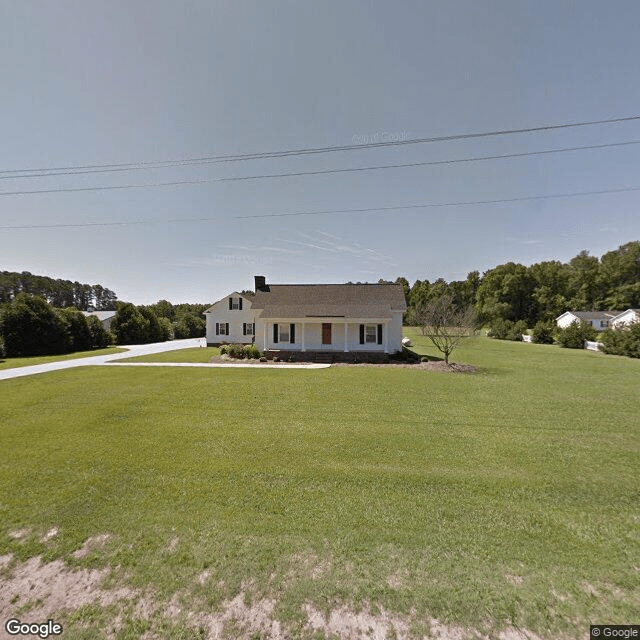
5643 Hwy 70, Dover, NC 28526
To contact a resident: (252) 559-5017
For more information about senior living options: (866) 208-4318
Magnolia Cottage Care, LLC Costs & Pricing
Magnolia Cottage Care, LLC offers competitive pricing for its residential accommodations, particularly when compared to the average costs in Lenoir County and across North Carolina. For a one-bedroom unit, residents can expect to pay $2,150 per month, significantly lower than the county's average of $3,156 and the state average of $4,055. Similarly, the two-bedroom option at Magnolia is priced at $2,580, which again presents a more affordable choice compared to Lenoir County's average of $3,806 and North Carolina's state-wide figure of $4,245. These cost-effective options highlight Magnolia Cottage Care's commitment to providing quality care while remaining accessible for potential residents seeking budget-friendly solutions without compromising on their living standards.
| Floor plans | Magnolia Cottage Care, LLC | Lenoir County | North Carolina |
|---|---|---|---|
| 1 Bedroom | $2,150 | $3,156 | $4,055 |
| 2 Bedrooms | $2,580 | $3,806 | $4,245 |
Senior living communities with a similar price nearby
-
from -$135 / mo

The Heritage Of Richlands
$2,015 to $3,500 / month20.7 miles away -
from +$350 / mo

Snow Hill Assisted Living
$2,500 to $3,000 / month17.4 miles away
Overall Review of Magnolia Cottage Care, LLC
Cons
 The reviewer questions the facility’s claimed five-star rating.
- The reviewer alleges poor care and safety concerns observed during a short stay.
- The reviewer warns others not to use the facility to protect their family members.
- The reviewer describes the management and staff as unsatisfactory and questions accountability.
- The reviewer states they filed a report about the facility.
Review
Magnolia Cottage Care in Dover, NC is best suited for families seeking a small, intimate memory-care environment where personal attention is part of the appeal and where cost or local convenience might drive selection. This is not a community to pick purely on the promise of a glossy rating; it requires careful vetting and a willingness to monitor day-to-day operations closely. The setting may work for residents who thrive on a hands-on, home-like atmosphere and for relatives who can visit frequently to stay in tune with care needs. The caveat is that memory care requires spotless safety practices, clear accountability, and consistent staffing, areas where this community has raised serious questions in the eyes of at least one reviewer.
There are hints of positive potential in the mix of feedback, as reflected by two five-star reviews. Those accounts suggest warmth, engagement, and a level of attentiveness that families look for in a memory-care setting. A smaller or denser environment can foster familiarity between caregivers and residents, and for some families this translates into meaningful daily routines, personalized care, and easier communication. For families with flexible expectations and the ability to observe care in real time, Magnolia Cottage Care may deliver the kind of intimate, familiar feel that larger facilities struggle to replicate.
However, the most jarring entry in the reviews casts a long shadow over those positives. A CNA’s account describes a deeply disturbing scenario in the Memory Care Unit: a resident was found dehydrated, without clothing, and in distress, with the implication that safeguards, oversight, and follow-through failed at critical moments. The reviewer questions the authenticity of management and characterizes the staff as unsuitable, with a troubling lack of accountability. Even if this is one extreme perspective, it highlights a fundamental risk, memory care hinges on reliable staffing, vigilant supervision, and prompt emergency response. When those elements feel compromised, the value of any warmth or small-scale charm quickly erodes.
The core tension here is that the pros, however real they may be for some residents, do not sufficiently offset the gravity of the cons when the subject is resident safety and dignity. In memory care, the absence of consistent staff coverage, clear incident reporting, and credible leadership decisions can dramatically alter outcomes. A single severe incident can redefine a community’s risk profile for families evaluating options, regardless of prior anecdotal positives. For families with residents who require high levels of supervision, Magnolia Cottage Care presents a risk-reward calculus that tilts toward caution, unless verifiable improvements and transparent processes are demonstrated.
To begin addressing the questions that arise from these reviews, deeper due diligence is essential. Prospective families should request a direct tour at different times of day and days of the week to observe staffing patterns and how caregivers interact with residents. Ask for the current caregiver-to-resident ratio across memory care shifts, and request the exact training and credentials required for memory-care staff. Review the most recent state licensing inspection and any incident reports related to safety, hydration, fall prevention, and care planning. Speak with current residents or their families about immediate responsiveness, daily routines, and how care plans are updated. Finally, request to see the facility’s emergency response protocols, incident-communication procedures, and a detailed plan for preventing dehydration and escapes, particularly in memory care.
Bottom line: Magnolia Cottage Care may be a viable option for families who can commit to rigorous, ongoing evaluation and insist on transparent, verifiable safety practices. If the facility cannot provide clear evidence of robust staffing, consistent oversight, and decisive leadership in memory care, stronger alternatives should be pursued. Consider communities with documented safety records, proactive incident management, and evidence of stable caregiving teams. For families weighing options in Dover, this one demands a conservative approach: prioritize safety, require verifiable assurances, and be prepared to relocate if confidence in care delivery cannot be established beyond doubt.
 Board and Care Home
 Family-oriented atmosphere with attentive staff and ongoing renovations.
 Nurturing Our Elders: Linda's Journey of Supporting Her Mother
 A Comprehensive Exploration of Common Misunderstandings about Powers of Attorney
 Senior Move Management: Understanding the Role, Value, and Associated Costs