For more information about senior living options: (866) 208-4318
4 from 37 reviews
5 stars
26
4 stars
2
3 stars
0
2 stars
1
1 stars
8
Cottages of Swansboro Costs & Pricing
Cottages of Swansboro offers a studio room at a monthly cost of $5,500, which is notably higher than both the average costs in Onslow County at $4,125 and the broader North Carolina state average of $4,020. This pricing reflects Cottages of Swansboro's commitment to providing exceptional amenities and personalized care tailored to residents' needs. While the facility's rates exceed local and state averages, they likely correspond with enhanced services and an enriching living environment that may justify the investment for families seeking quality senior care.
Floor plans
Cottages of Swansboro
Onslow County
North Carolina
Studio
$5,500
$4,125
$4,020
Assisted Living communities with a similar price nearby
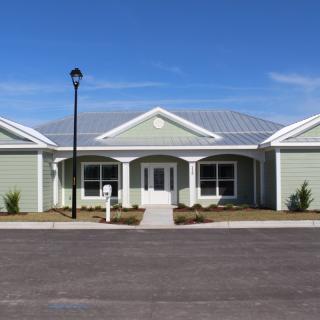
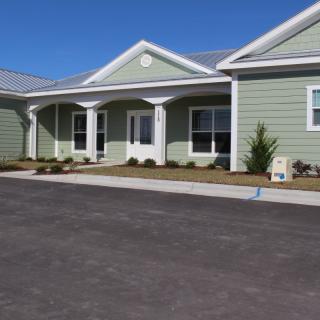
Residents describe small cottage living that feels like home, not a hospital.
Multiple residents and families say the cottages’ small, private-unit setup creates a home feeling, including individual rooms and room privacy. Several also mention the ability to get around the property—like walking outside, using common spaces, or sitting on porches—without feeling trapped in a clinical setting. A few families contrast this with the “typical hospital” feel they associated with other options.
differentiator5 reviews mention this
Care includes medication management
Medication handling is a central part of care, and residents describe both good and bad experiences.
Some families describe medication being administered as prescribed and mention proactive updates or help with medication-related questions. Others reference medication regimen coordination and documentation during or after care. On the downside, a few reviews raise serious concerns about medication accuracy and overall follow-through, so it’s worth clarifying how medication management is handled for each resident.
common3 reviews mention this
Dining feels homecooked
Food is repeatedly described as homecooked and well prepared.
Several reviews say meals are home-style and well prepared rather than cafeteria-like. One family specifically mentions options to eat in the dining room or privately in a resident’s own room. Others describe food as nutritious and a reason they felt comfortable with the overall routine.
common3 reviews mention this
Activities help residents stay engaged
Residents participate in activities both on-site and through outings.
Families describe regular in-house activities and opportunities to socialize, including games and group activities. Reviews also mention day-to-day engagement like art-focused programs and scheduled events through the main house. A couple of residents’ experiences also highlight outings and faith-based programming as part of the routine.
caveat2 reviews mention this
Rent is a recurring concern
Pricing is described as both flat-fee inclusive and also rising over time.
One family describes a flat-rate approach where medications are included and says it helped make costs predictable. Another review, however, raises concerns about rent increasing multiple times and questions whether value matched what was included earlier in the stay. If you’re evaluating fit, ask how the rent structure works and what triggers future increases.
caveat6 reviews mention this
Communication and management quality vary
Some reviews report poor responsiveness from management, while others describe strong communication.
A mix of experiences appears across reviews: some families praise office or nursing communication and say they received timely answers. Other reviews describe unanswered emails, limited follow-up after discharge, and concerns about staff morale and oversight. Because the feedback spans both ends, it’s best to ask specific questions about responsiveness and how issues are handled when families contact the facility.
How we summarize
Counts show how many written reviews mention each theme; a review can touch several themes, and only frequently mentioned themes are displayed.
Cottages of Swansboro offers a studio room at a monthly cost of $5,500, which is notably higher than both the average costs in Onslow County at $4,125 and the broader North Carolina state average of $4,020. This pricing reflects Cottages of Swansboro's commitment to providing exceptional amenities and personalized care tailored to residents' needs. While the facility's rates exceed local and state averages, they likely correspond with enhanced services and an enriching living environment that may justify the investment for families seeking quality senior care.
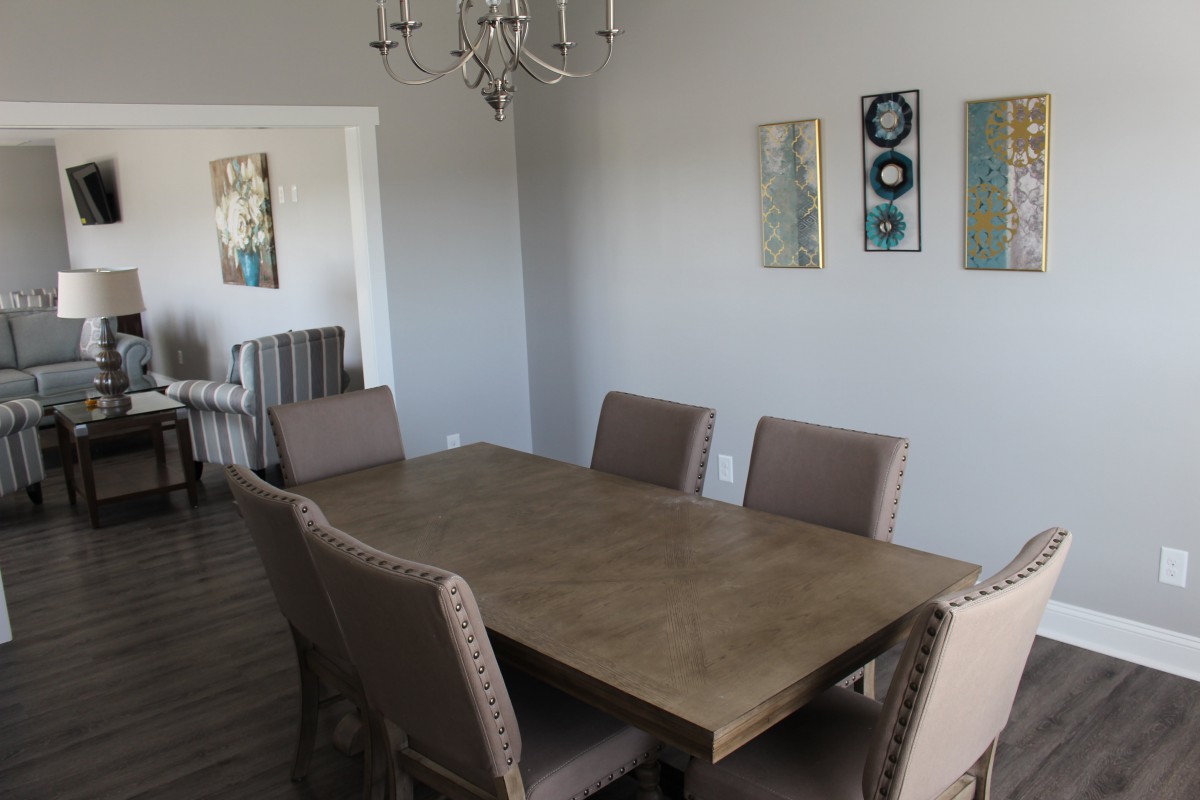
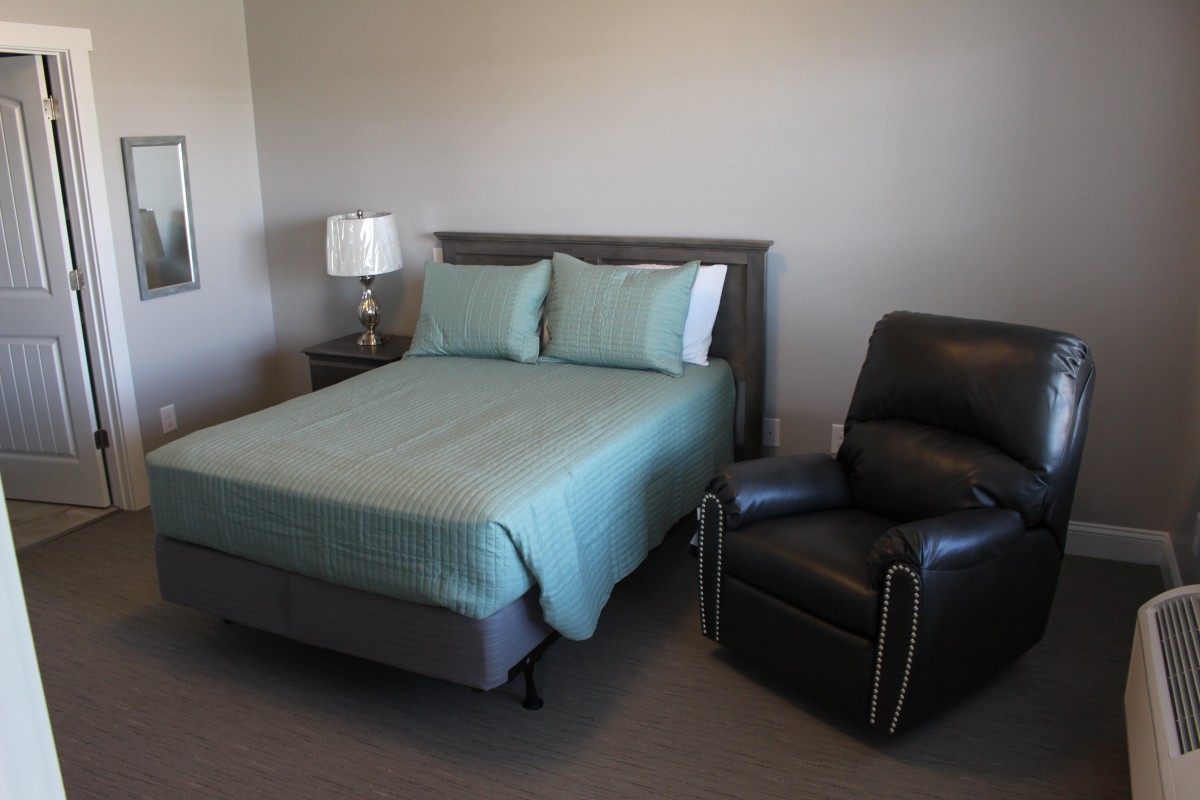
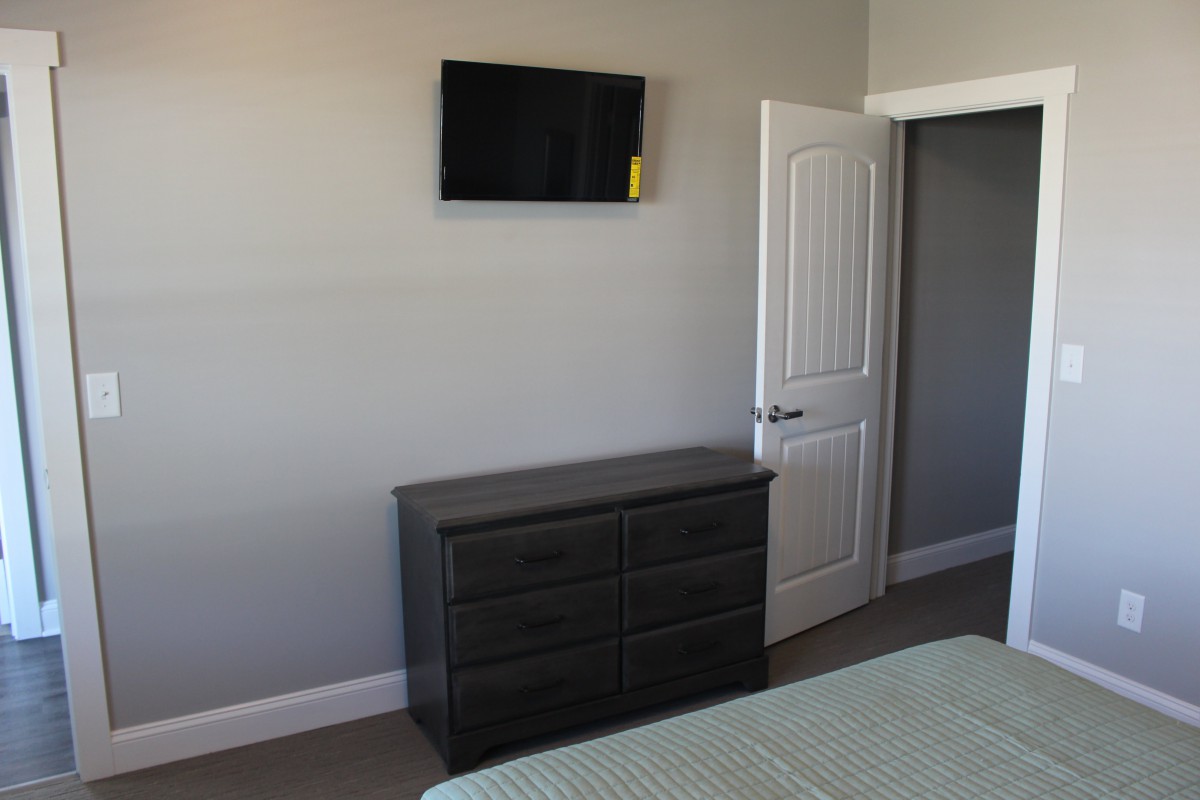
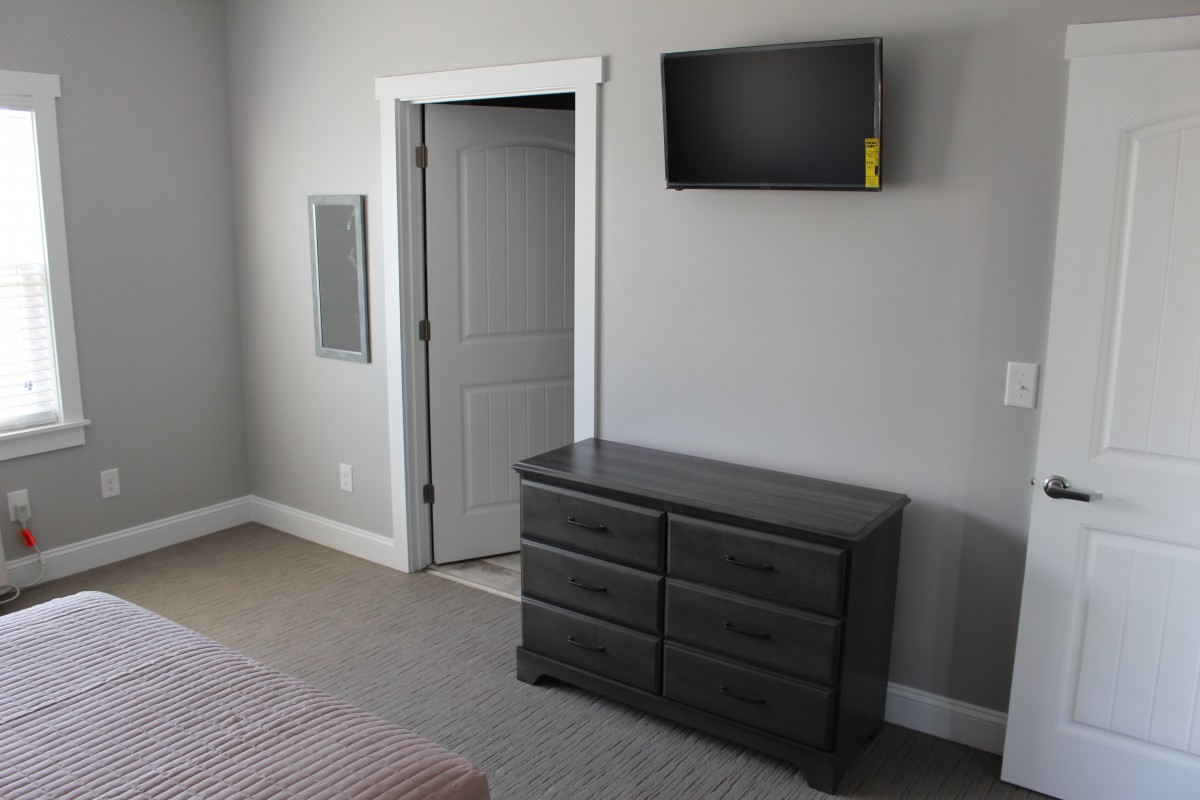
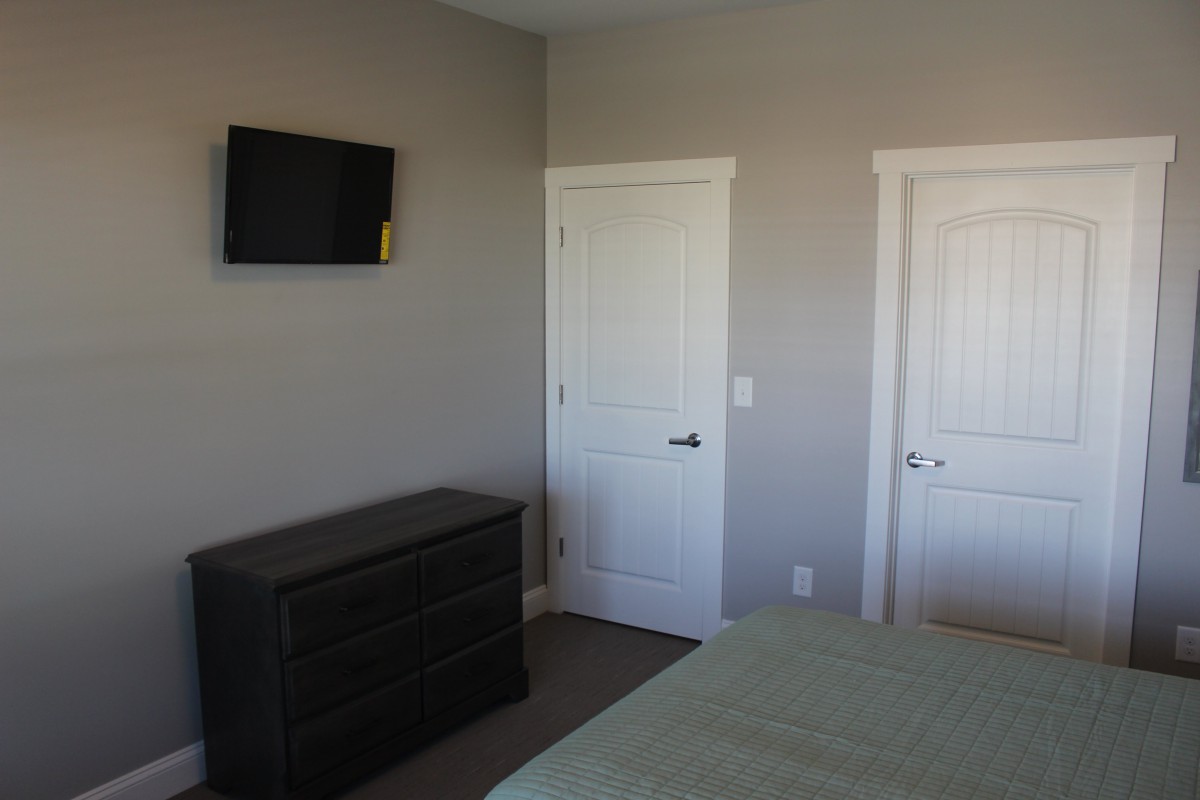
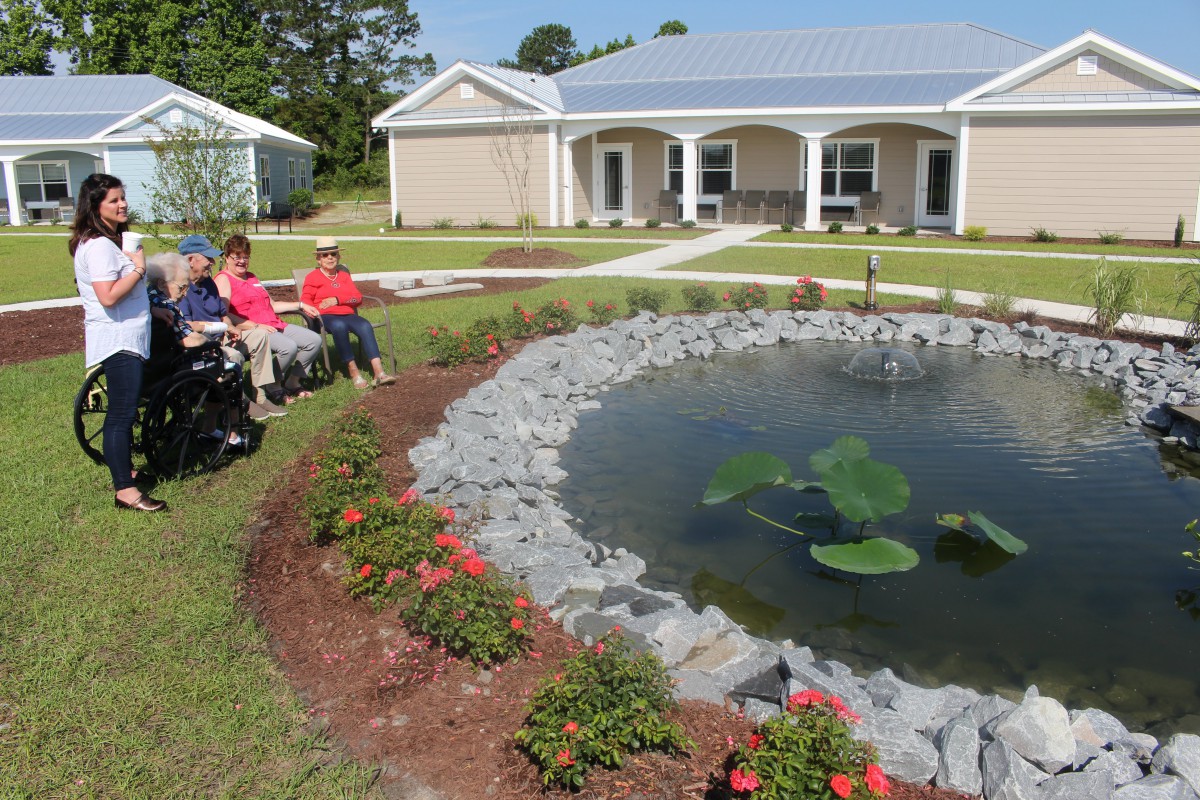
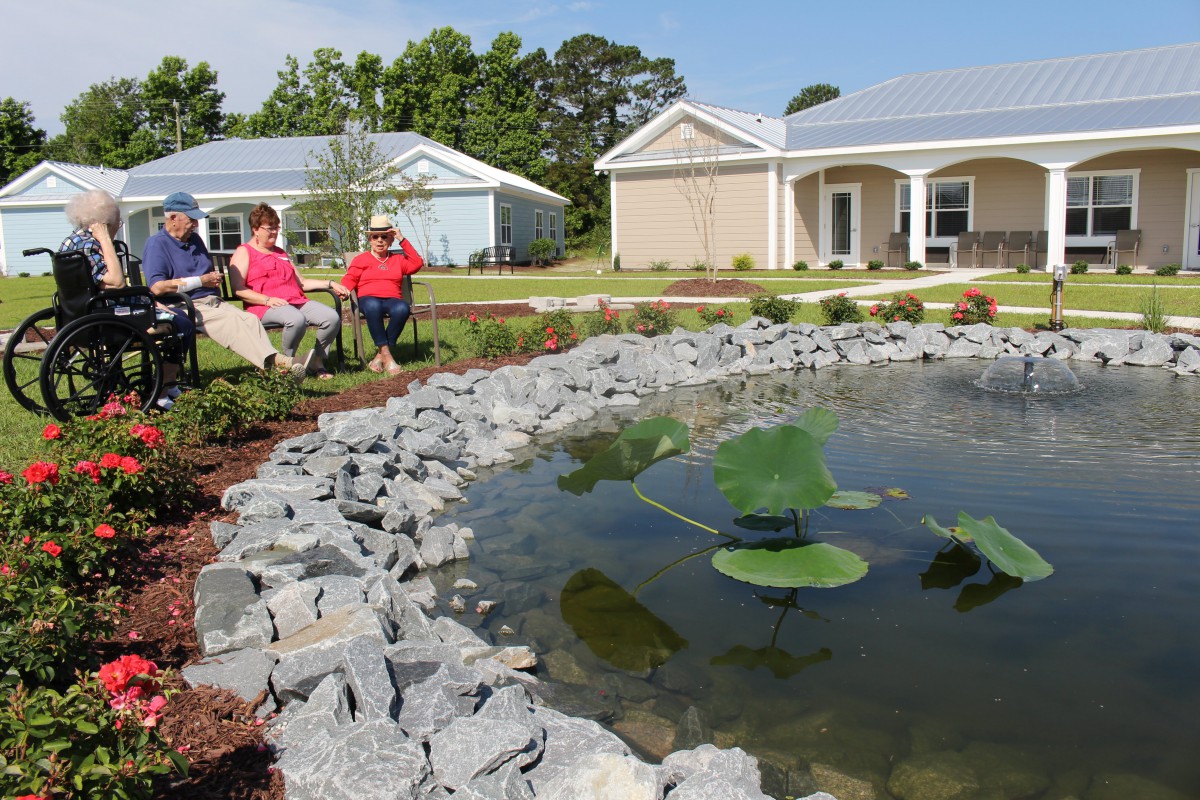
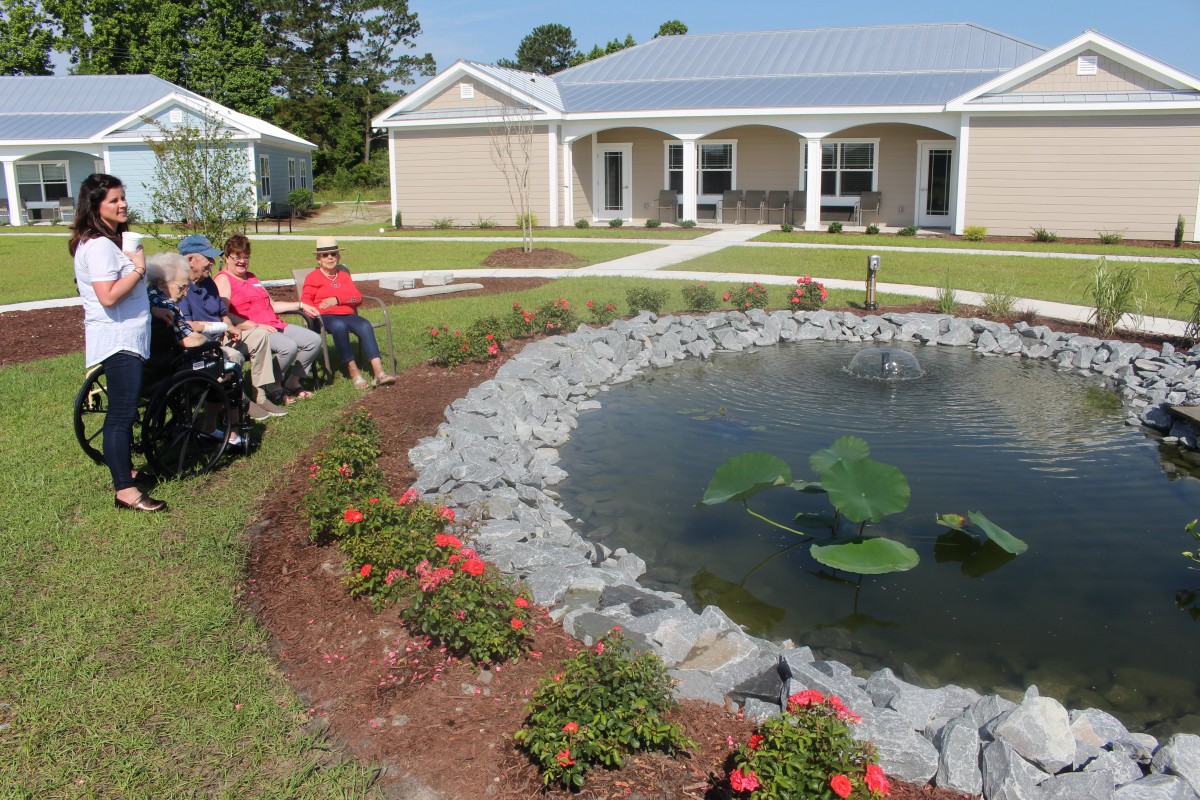
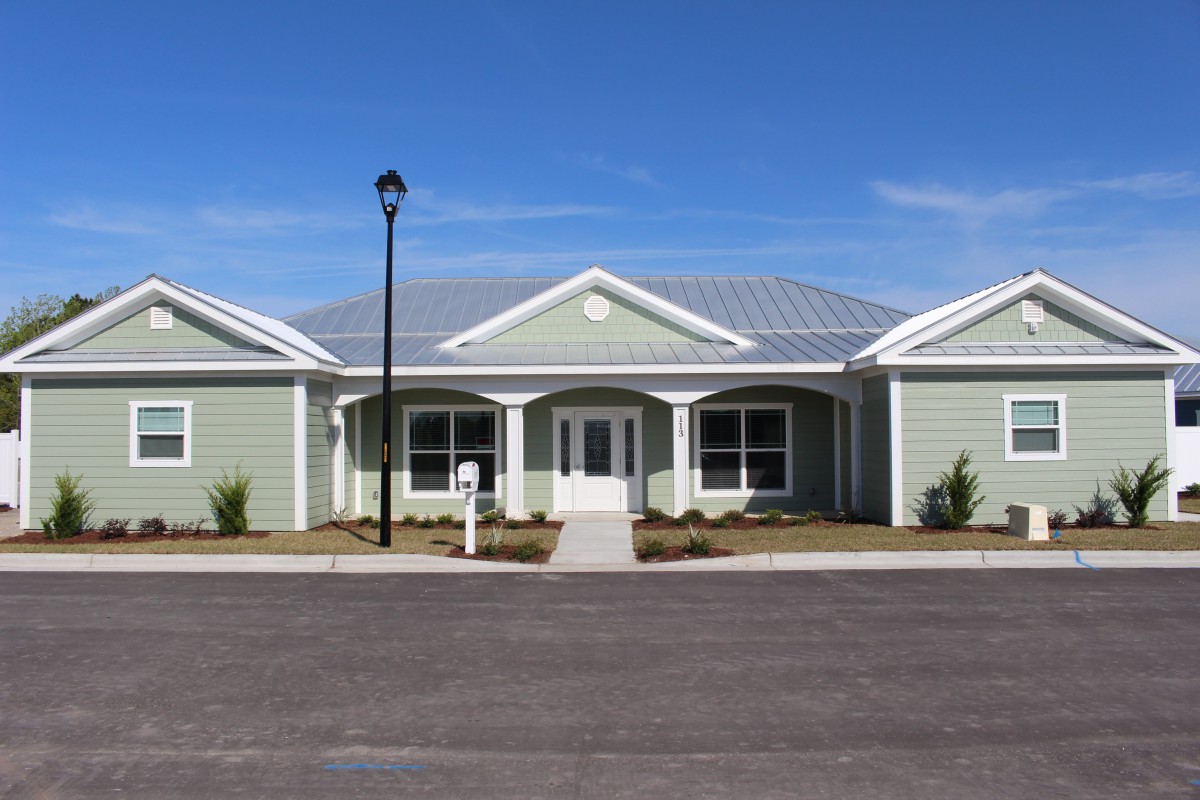
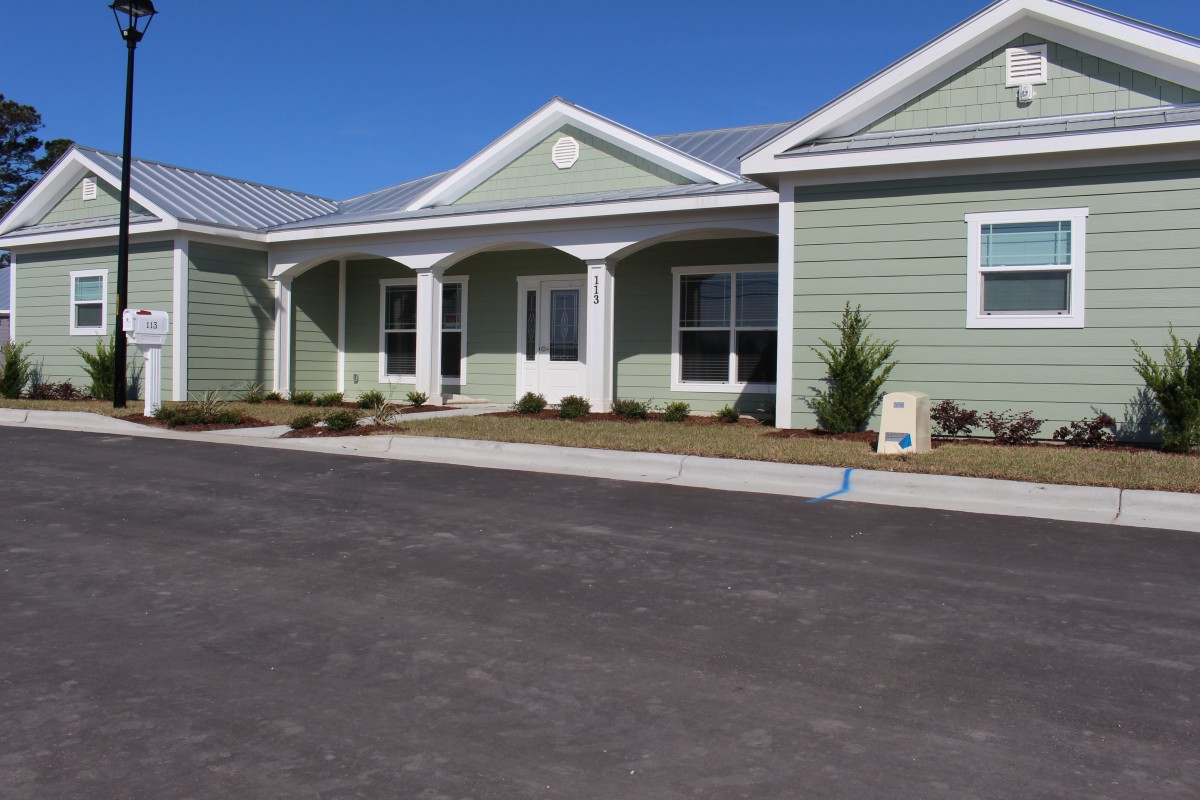
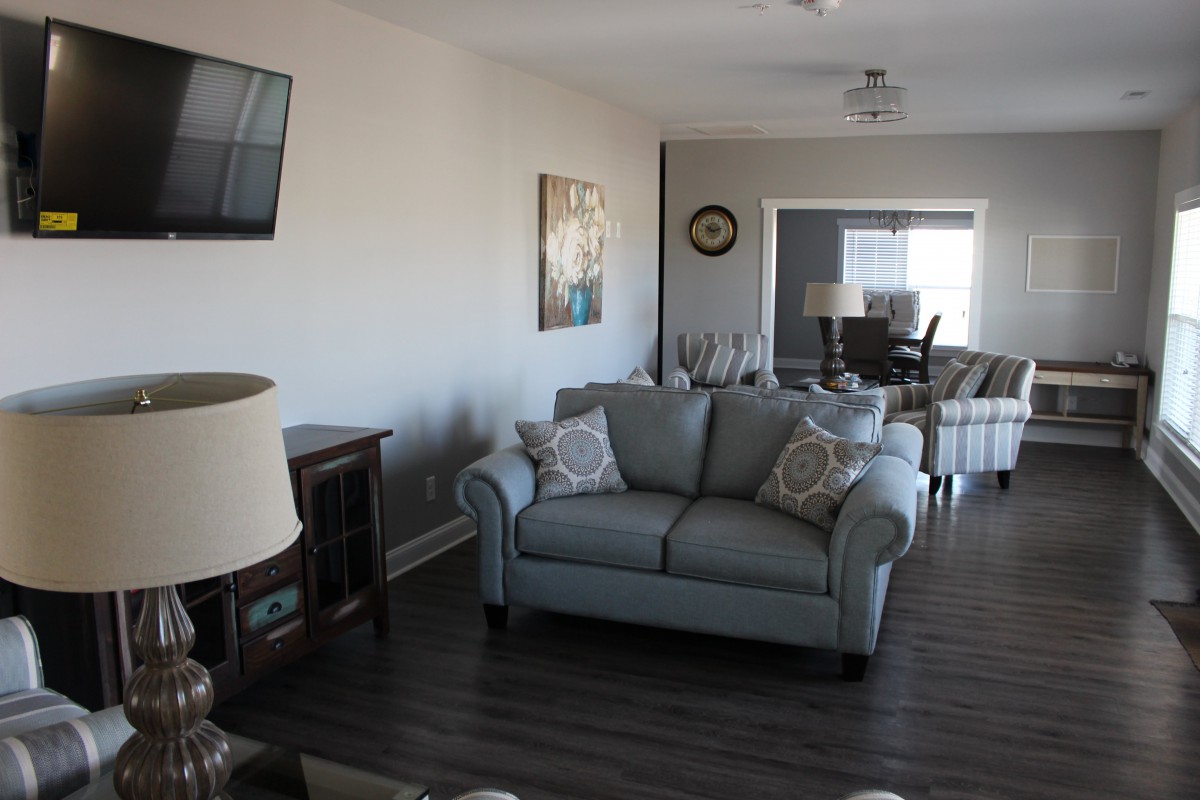
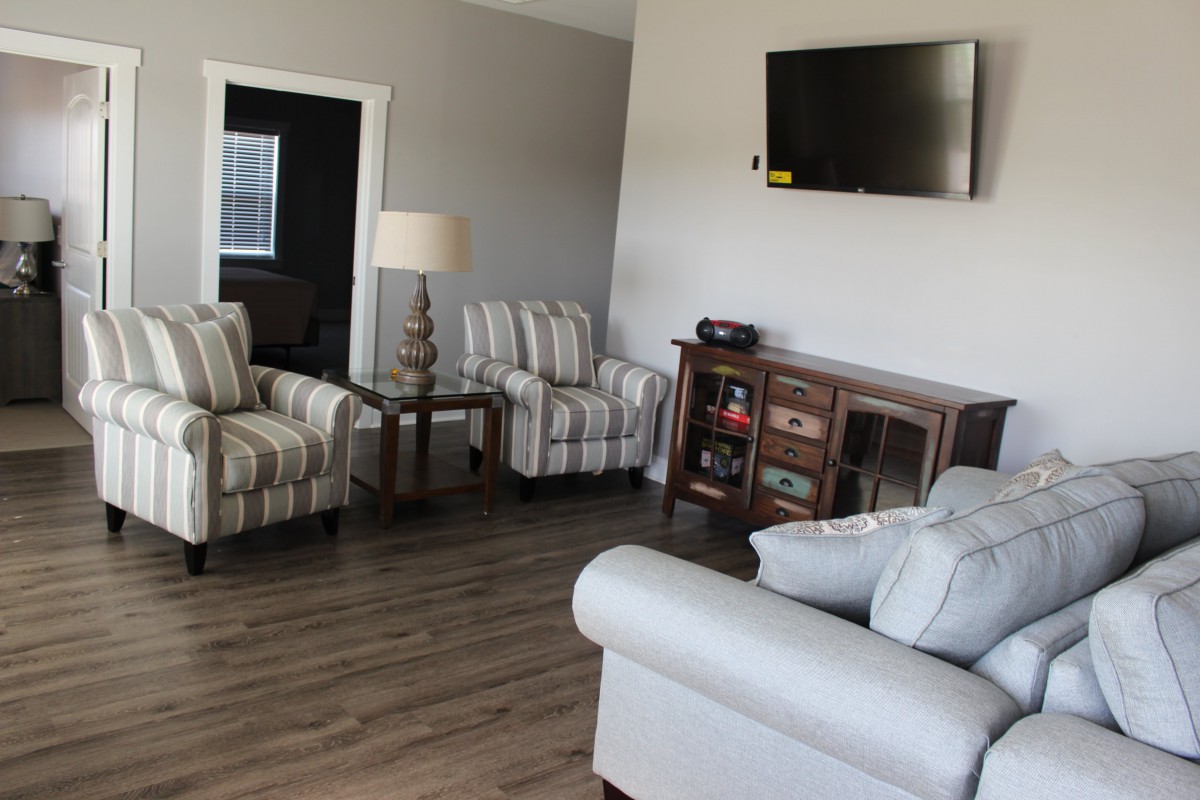
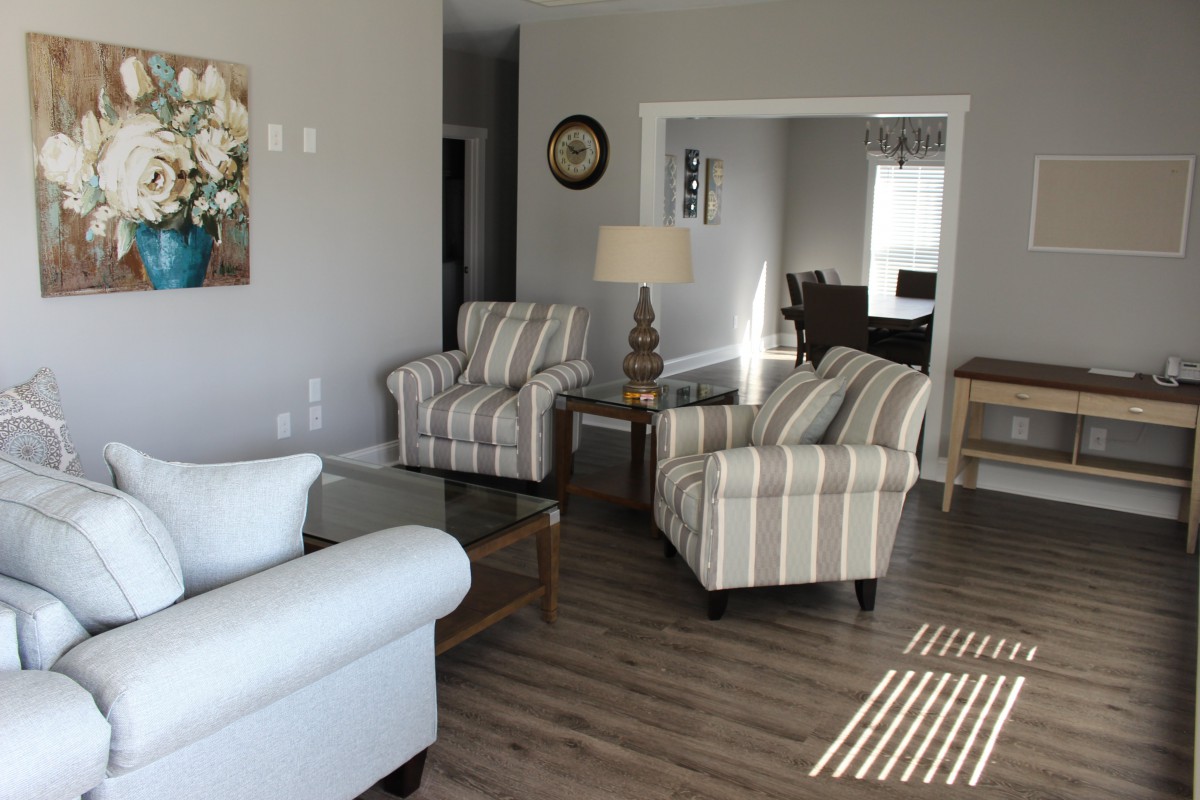
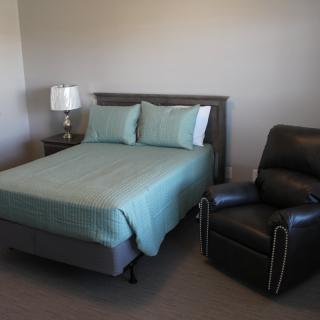
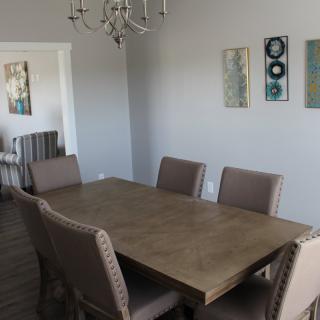
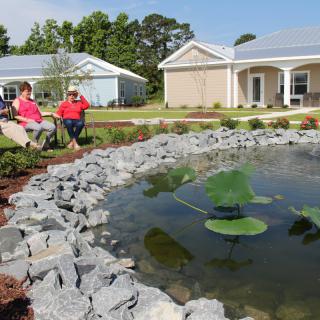
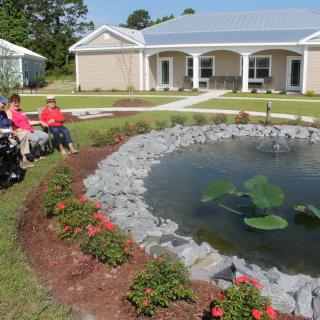
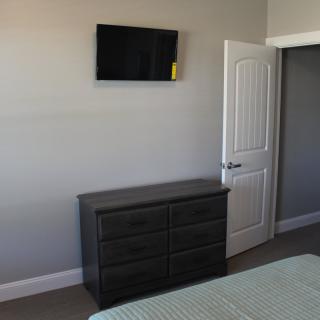
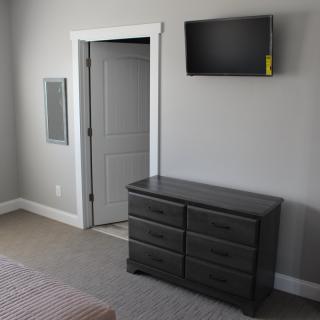
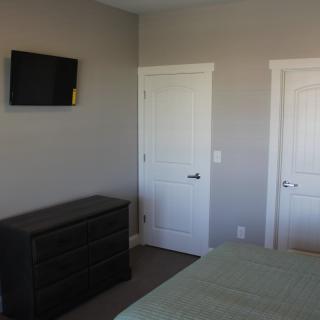
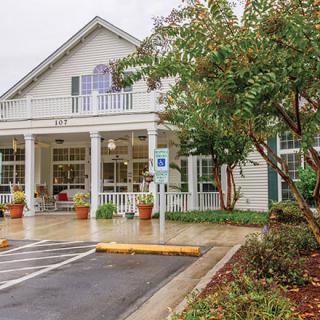
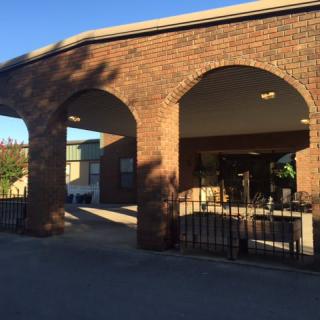
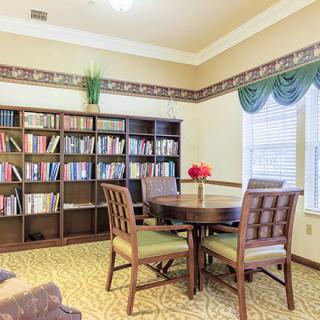
Cottages of Swansboro on seniors.fyi includes 14 photos including images showing interior, television, bedroom, garden, pond, landscaping, outdoors, living room, and more.
Nearby Communities
Cottage I (The Cottages At Swansboro)
Swansboro, NC
3.8 from 30 reviews
Fully furnished cottages with meals, housekeeping, 24/7 supervision, and medical transportation.
Cottage VI (The Cottages At Swansboro)
Swansboro, NC
3.8 from 30 reviews
Home-like cottages with diabetes-focused care and move-in coordination.
The Cottages Of Swansboro
Swansboro, NC
3.8 from 31 reviews
Private rooms in a homelike setting with attentive staff.
Pearl's Family Care Home 1
Maysville, NC
Comprehensive care with 24-hour supervision, ADL support, diabetes-aware meal prep, medication management, and transportation coordination.
Pearl's Family Care Home 2
Jacksonville, NC
Homelike setting with personalized ADL support and diabetes-friendly meals.
Pearl's Family Care Home 3
Jacksonville, NC
Small 6-resident board-and-care with 24-hour supervision, ADL support, diabetes-friendly meals, and transportation to medical appointments.
Onslow House
Jacksonville, NC
4.4 from 10 reviews
$2,700 to $4,000 / month
Strong leadership and friendly staff; clean interiors and good dining.
Riverstone Health Management
New Bern, NC
3 from 10 reviews
$500 to $2,500 / month
Friendly, professional staff delivering attentive care.
Brookdale New Bern
New Bern, NC
4.2 from 53 reviews
$3,915 to $6,125 / month
Friendly, attentive staff and a clean, welcoming environment with engaging activities.
Vibrant Senior Living emphasizes active senior living communities that promote independence and engagement through diverse amenities and activities, fostering wellness and social interaction among older adults. These communities range from independent to assisted living, with a focus on personal growth, family involvement, financial planning, and leveraging technology to enhance residents' experiences.
Transitioning from assisted living to memory care is driven by an individual's cognitive decline and specific needs, requiring careful evaluation of indicators like increased confusion and wandering. The process involves consulting medical professionals, researching suitable communities, considering financial and legal aspects, and ensuring effective communication for personalized care plans.
Assisted living provides moderate support for seniors seeking independence, while memory care offers specialized support for individuals with dementia or cognitive impairments through structured routines and trained staff. Key differences include care approaches, environment security measures, staff training levels, activity types, and cost considerations.
Get PricingAsk A QuestionSchedule A TourContact Senior Advisor
By clicking submit, you agree to our Partner's Terms of Use. You
also consent to receive calls and texts, which may be autodialed, from our Partner. Your consent is not a condition to
using our Partner's service. Please visit our Partner's Privacy Policy for information about their privacy practices.

 Assisted Living
 Activities off-site
 Air-conditioning
 Beautician on-site
 Devotional services off-site
 Ground floor units
 Indoor common areas
 Respite or short term stays offered
 Wi-Fi/high-speed internet available
 Ambulatory care
 Diabetic care
 Incontinence care
 Medication management
 Meals provided
 Art classes
 BBQs or picnics
 Day trips and outings
 Holiday parties
 Live musical performances
 Pet-focused programs
 Stretching classes
 Trivia games
 Fully furnished cottages with meals, housekeeping, 24/7 supervision, and medical transportation.

 Vibrant Senior Living: A Comprehensive Guide for Active Older Adults
 When to Transition from Assisted Living to Memory Care: Key Indicators, Steps, and Finding the Right Community
 Assisted Living and Memory Care: Understanding Their Core Differences