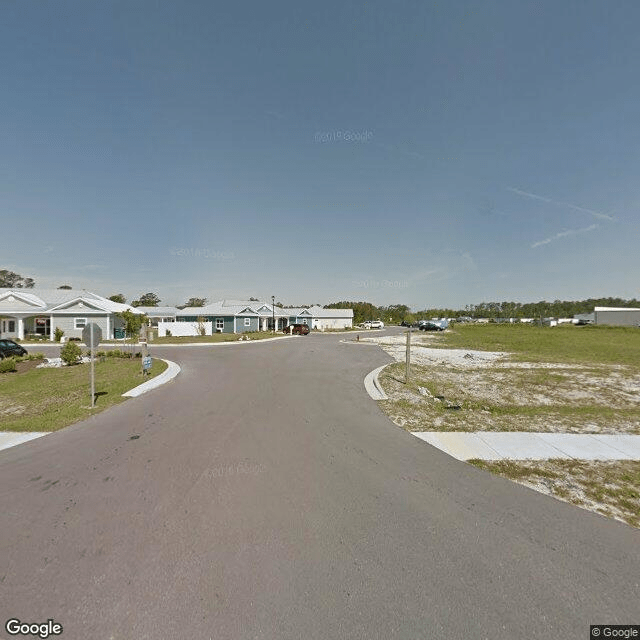
Cottage VI (The Cottages At Swansboro)

Save
Cottage VI (The Cottages At Swansboro)

Cottage VI (The Cottages At Swansboro)

113 Pelican Circle, Swansboro, NC 28584

For more information about senior living options: (844) 490-3973

3.8 from 30 reviews
5 stars
20
4 stars
1
3 stars
0
2 stars
1
1 stars
8

Assisted Living

Overall Review of Cottage VI (The Cottages At Swansboro)

Pros

  • pro The Cottages of Swansboro is described as one of the best places for families to send their loved ones.
  • pro It offers a family-owned, home-like vibe with private rooms and bathrooms, plus freedom to walk outside and participate in activities.
  • pro The staff are warm, professional, knowledgeable, and genuinely committed to residents' well-being.
  • pro Caregivers are described as treating residents like family and forming meaningful bonds with the staff.
  • pro The facility is clean with spacious, well-appointed rooms and nutritious meals.
  • pro The medical team, including Dr. Amy and Nurse Nicki, is highly regarded for attentiveness and communication.
  • pro The center proactively communicates updates to families and responds to questions.

Cons

  • pro The owner allegedly promised rents would not increase but later refused to guarantee that in the contract.
  • pro A resident's clothing, including four AirTags, went missing with no explanation or remedy offered.
  • pro The owner and office manager allegedly did not respond to emails, including requests for the resident's medication regimen, for almost two months.
  • pro After the resident's departure, the owners reportedly did not reach out to check on her well-being, suggesting the focus was on money.
  • pro The family did not receive any thanks from the owners for donating poinsettias; Nurse Nicki did.
  • pro Invoices were inconsistent, including a note that the MIL was short $48 on rent despite long-term payments.
  • pro Rent has been raised several times, raising concerns about paying more for what seems like minimal value.
  • pro There have been heated staff arguments and low morale, with some staff behavior described as unprofessional.
  • pro A med tech named Ann was heard talking badly about staff and residents, indicating unprofessionalism.
  • pro Management is described as poor and not supportive of staff.

Review

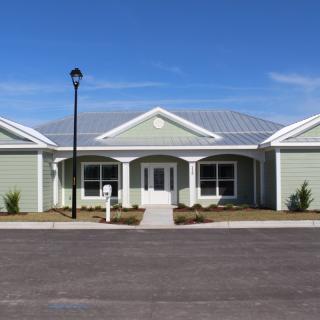
The Cottages of Swansboro presents itself as a warm, family-owned assisted living community built around a home-like atmosphere. Many reviewers emphasize the sense of family and genuine care that permeates the place, noting that each resident has their own room and bathroom within small, cottage-style homes. The setup is designed to preserve independence: residents can take walks on well-kept grounds, lounge in common areas, or join in on in-house activities and outings. For families, this model often feels more personal and less clinical than larger facilities, and several visitors describe it as a place where staff treat residents with a level of kindness and familiarity that feels more like visiting a relative than checking into a facility.

A recurring thread across multiple reviews is the strength of relationships formed with staff and the visible attentiveness of caregivers. Visitors repeatedly point to individual staff members - especially Nurse Nicki, as well as Jessica K., Jennifer, Tameka, Savannah, and Samantha - noting that these nurses and aides go above and beyond in daily care, communication, and bedside support. The presence of a contracted physician, Dr. Amy, also earns praise for listening to concerns and keeping families informed about residents' needs. Family members from far away say they can rely on timely updates and proactive outreach, and they frequently commend the consistency of care in terms of hygiene, dryness, and overall attentiveness in the resident's room and routine. Families appreciate that staff members take time to build personal rapport with residents, and some even mention that the care team feels like an extended part of the family.

Several long-time residents' stories underscore both the positives and the challenges that come with a community that is deeply personal. One relative recalls a MIL who lived there from 2018 to 2025, acknowledging both good times and difficult moments, which points to a realistic, long-term view of life in the cottages. Another poignant account describes a mother who found a sense of belonging through close connections with staff and other residents, enjoying freedom to walk the grounds, visit the ponds, and play cards or dominos with others. In these reflections, the care team's dedication is evident, highlighted by compassionate nursing oversight and consistent, affectionate care up through the resident's final years.

Alongside these favorable experiences, the reviews also present significant concerns that some families have faced. A set of red flags includes disputes over finances - specifically rent increases that were not clearly reflected in contracts, and invoices that seemed inconsistent or confusing, sometimes leaving families with unexpected charges. There are troubling reports of a resident's personal belongings going missing, including several AirTags, with little explanation or resolution. Communication gaps are another recurring theme: emails about medications, documents, and other needs sometimes went unanswered, even after months. Post-departure contact reportedly lapsed, with some families saying they received little to no outreach to inquire about the former resident's well-being. These issues contribute to an impression that, at times, financial considerations may overshadow the quality of ongoing care in the eyes of some families.

The atmosphere at the Cottages is further described by some as volatile or morally mixed, with anecdotes of staff disagreements, heated conversations, and visible tension among leadership and management. A number of reviewers mention that the owner and office manager, while appearing warm in person, could be less consistent in day-to-day communications and problem-solving. Reports of morale problems and high turnover among staff, including the departure of key figures like Nurse Nicki, paint a picture of a facility that has experienced internal strain. A few comments call out specific med techs or managers as problematic, suggesting that the respectful, resident-centered atmosphere can be disrupted by interpersonal conflicts or management decisions. On the other hand, other residents and families emphasize the quality of care they observed, the kindness of individual staff members, and the value of the personalized, cottage-style living arrangement.

In sum, The Cottages of Swansboro appears to offer a deeply appealing, home-like living option for seniors who value independence, privacy, and a strong sense of community. Families frequently highlight the warmth of the staff, the attentiveness of nurses and aides, the involvement of a contracted physician, and the ability for residents to maintain autonomy while enjoying meaningful social activities. Yet, the experience is not uniform. Financial transparency, communication responsiveness, and staff morale emerge as pivotal factors that color many families' overall impressions. Some praise the care, the personal connections, and the overall environment as among the best in the area, while others caution that financial practices, contractual clarity, and internal management deserve careful scrutiny. For anyone considering The Cottages of Swansboro, the message is clear: the setting and the caregiving ethos can be exceptional, but prospective residents and their families should conduct thorough, concrete checks - particularly around contracts, billing history, communications, and the current state of staff morale - to ensure a good fit over the long term.

Features

Housing

  • 6 resident community capacity 6 resident community capacity

Types of Care

  • Assisted Living Assisted LivingAssisted living facilities provide crucial support and care for seniors who may need help with daily tasks such as medication management, bathing, and meal preparation. These communities offer a safe and comfortable environment where seniors can maintain their independence while receiving the assistance they need to thrive in their golden years.

Amenities

  • Activities on-site Activities on-siteActivities on-site are important for seniors because they provide opportunities for socialization, mental stimulation, physical activity, and overall well-being. Engaging in activities can help seniors stay active, maintain their independence, and improve their quality of life.
  • Cable or satellite TV Cable or satellite TVCable or satellite TV is important for seniors because it provides entertainment, news, and companionship, helping to combat loneliness and boredom. It also offers a wide range of programming options tailored to different interests and preferences.
  • Devotional services off-site Devotional services off-siteDevotional services off-site are important for seniors as they provide spiritual nourishment, social engagement, and a sense of community outside of the senior living facility. This can enhance overall well-being and help combat feelings of isolation and loneliness often experienced by older adults.
  • Dining room Dining roomDining rooms are important for seniors as they provide a space for socialization, connection, and nutritious meals. They offer opportunities for residents to bond over shared meals, foster a sense of community, and promote healthy eating habits. Dining rooms also ensure that seniors have access to well-balanced meals tailored to their dietary needs and preferences.
  • Fully furnished Fully furnishedFully furnished senior living communities are important for seniors because they provide convenience, comfort, and a hassle-free moving experience. Seniors can easily settle into their new living space without the stress of having to buy and move furniture. This allows them to focus on enjoying their new home and community.
  • Garden GardenGardens are important for seniors as they provide a peaceful and therapeutic environment for relaxation, physical activity, and socialization. Being in nature has been shown to reduce stress, improve mood, and promote overall well-being. Gardens also offer opportunities for seniors to engage in gardening activities, which can improve mobility, flexibility, and cognitive function. Additionally, gardens create a sense of community and connection with others who share a passion for plants and outdoor spaces.
  • Housekeeping services Housekeeping servicesHousekeeping services are important for seniors because they help maintain a clean and safe living environment, promote independence, and reduce the risk of accidents or illnesses. Additionally, having assistance with household chores can alleviate physical strain and allow seniors to focus on other aspects of their well-being.
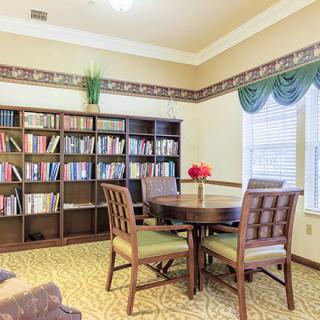
  • Indoor common areas Indoor common areasIndoor common areas are crucial for seniors as they provide a space for socialization, recreation, and community engagement, promoting overall well-being and reducing feelings of isolation and loneliness.
  • Move-in coordination Move-in coordinationMove-in coordination is important for seniors because it helps ease the transition into their new living environment. It ensures that all logistics, such as packing, organizing movers, and setting up utilities are taken care of, allowing seniors to focus on settling in and adjusting to their new home. Having a smooth move-in process can alleviate stress and anxiety, making the transition smoother and more enjoyable for seniors.
  • Outdoor space Outdoor spaceOutdoor spaces are important for seniors as they provide opportunities for physical activity, social interaction, exposure to natural light and fresh air, and a sense of connection to nature. Having access to outdoor spaces can improve overall well-being and quality of life for older adults living in senior communities.
  • Telephone TelephoneTelephones are important for seniors as they provide a lifeline for communication with loved ones, emergency services, and healthcare providers. They offer a sense of security and independence, enabling seniors to stay connected and access assistance when needed.
  • Wi-Fi/high-speed internet available Wi-Fi/high-speed internet availableWi-Fi/high-speed internet is important for seniors to stay connected with loved ones, access online resources, and participate in virtual activities to combat feelings of loneliness and isolation. It also allows them to easily manage healthcare needs, access entertainment, and engage in lifelong learning opportunities.

Care Services

  • 24-hour supervision 24-hour supervision24-hour supervision is important for seniors to ensure their safety, well-being, and access to immediate assistance in case of emergencies or health issues. This constant support provides peace of mind for both seniors and their loved ones, allowing them to age in place with dignity and security.
  • Activities of daily living assistance Activities of daily living assistanceActivities of daily living assistance are important for seniors because they provide essential support with tasks such as eating, bathing, dressing, and mobility. This assistance helps seniors maintain their independence, dignity, and overall quality of life as they age.
  • Ambulatory care Ambulatory care"Ambulatory care services provide essential medical support and treatment to seniors without requiring hospitalization, allowing them to maintain their independence and quality of life while managing chronic conditions or receiving routine medical care."
  • Assistance with bathing Assistance with bathingAssistance with bathing is crucial for seniors as it helps maintain personal hygiene, prevents infections, and ensures their overall well-being and comfort. It also provides a sense of dignity and independence for seniors who may struggle with this task on their own.
  • Assistance with dressing Assistance with dressingAssistance with dressing is important for seniors because it helps maintain their independence, promotes personal hygiene, prevents accidents and injuries, and improves overall quality of life. This service ensures that seniors can continue to dress comfortably and confidently, despite any physical limitations they may have.
  • Assistance with transfers Assistance with transfersAssistance with transfers is crucial for seniors as it helps prevent falls and injuries, maintains their independence, and ensures they can safely navigate their living environment. It also provides peace of mind for both seniors and their loved ones.
  • Coordination with health care providers Coordination with health care providersCoordination with health care providers is crucial for seniors to ensure proper medical care, medication management, and overall well-being. This collaboration helps prevent overlapping treatments, track progress more effectively, and provide comprehensive support tailored to individual needs.
  • Diabetes diet Diabetes dietA diabetes diet is crucial for seniors as it helps manage blood sugar levels, reduce risks of complications, and improve overall health and well-being. By following a balanced and nutritious diet tailored to their specific needs, seniors can better control their diabetes and enhance their quality of life.
  • Diabetic care Diabetic careDiabetic care is crucial for seniors as they are more susceptible to developing diabetes due to aging and other health conditions. Proper management of diabetes can help prevent complications such as heart disease, vision loss, and nerve damage, improving the overall quality of life for seniors in senior living communities.
  • Meal preparation and service Meal preparation and serviceMeal preparation and service are crucial for seniors as they may have limited mobility or energy to cook nutritious meals. Having access to healthy and convenient food options can ensure they are getting the proper nutrition needed to maintain their overall health and well-being.
  • Medication management Medication managementMedication management is crucial for seniors to ensure they are taking the right medications at the correct dosages and times. This helps prevent adverse drug interactions, reduces the risk of medication errors, and promotes overall health and well-being. Proactive management also allows for adjustments as needed based on changing health conditions or new prescriptions.
  • Special dietary restrictions Special dietary restrictionsSpecial dietary restrictions are important for seniors because age-related changes in metabolism and health conditions can make it difficult for their bodies to process certain foods. By following a diet tailored to their specific needs, seniors can maintain their overall health and well-being, manage chronic conditions, and reduce the risk of complications such as malnutrition or food interactions with medications.
  • Transportation arrangement (medical) Transportation arrangement (medical)Transportation arrangements for medical purposes are essential for seniors as they may have difficulty driving themselves to appointments or accessing public transportation. Having reliable and safe transportation options ensures that seniors can receive timely medical care and maintain their health and well-being.
  • Transportation to doctors appointments Transportation to doctors appointmentsTransportation to doctors' appointments is crucial for seniors as it ensures they have access to necessary medical care and support for their health needs. Without reliable transportation, seniors may struggle to attend important appointments, leading to potential delays in treatment and health complications. Providing transportation services helps seniors maintain their overall well-being and quality of life.

Dining

  • Diabetes diet Diabetes dietA diabetes diet is crucial for seniors as it helps manage blood sugar levels, reduce risks of complications, and improve overall health and well-being. By following a balanced and nutritious diet tailored to their specific needs, seniors can better control their diabetes and enhance their quality of life.
  • Meals provided Meals provided"Meals provided" are crucial for seniors in assisted living communities as it ensures they have access to nutritious, balanced meals without the stress of meal planning and preparation. This can help promote overall health and well-being for seniors who may have limited mobility or cognitive abilities.
  • Special dietary restrictions Special dietary restrictionsSpecial dietary restrictions are important for seniors because age-related changes in metabolism and health conditions can make it difficult for their bodies to process certain foods. By following a diet tailored to their specific needs, seniors can maintain their overall health and well-being, manage chronic conditions, and reduce the risk of complications such as malnutrition or food interactions with medications.

Activities

  • Activities on-site Activities on-siteActivities on-site are important for seniors because they provide opportunities for socialization, mental stimulation, physical activity, and overall well-being. Engaging in activities can help seniors stay active, maintain their independence, and improve their quality of life.
  • Community-sponsored activities Community-sponsored activitiesCommunity-sponsored activities are important for seniors as they provide opportunities for social interaction, mental stimulation, and physical activity. These activities can help improve overall well-being, combat loneliness and isolation, and promote a sense of belonging and purpose among older adults.
  • Devotional activities offsite Devotional activities offsiteDevotional activities offsite are important for seniors because they provide social engagement, spiritual growth, and a sense of community outside of their living environment. This can improve overall well-being, mental health, and combat feelings of isolation or loneliness.
  • Scheduled daily activities Scheduled daily activitiesScheduled daily activities are important for seniors because they provide structure, socialization, mental stimulation, and physical activity. Engaging in regular activities can improve overall well-being and quality of life for seniors living in a community setting.

Description

Cottage VI at The Cottages At Swansboro in Swansboro, NC is an assisted living community that offers a range of amenities and care services to provide a comfortable and supportive living environment for seniors.

The community offers fully furnished cottages with cable or satellite TV, Wi-Fi/high-speed internet, and telephone services. Residents can enjoy the beautiful garden and outdoor spaces, as well as the indoor common areas for socializing and relaxation. Housekeeping services are provided to ensure a clean and tidy living environment.

Care services at Cottage VI include assistance with activities of daily living such as bathing, dressing, and transfers. The staff is trained to provide ambulatory care and coordinate with health care providers to meet the individual needs of residents. Special attention is given to those with diabetes, offering diabetic care, a diabetes diet, and medication management. Meals are provided on-site, with special dietary restrictions accommodated.

Residents can engage in community-sponsored activities and scheduled daily activities to encourage socialization and mental stimulation. Devotional activities off-site are also organized for those interested.

In addition to all the amenities and care services offered, Cottage VI provides move-in coordination for a smooth transition into the community. Transportation arrangements are made for medical appointments, ensuring residents have access to necessary healthcare services.

Overall, Cottage VI at The Cottages At Swansboro provides a supportive and comfortable environment where seniors can receive the assistance they need while enjoying a fulfilling lifestyle through various amenities and engagement opportunities.

Nearby Places of Interest

Frequently Asked Questions

Where is Cottage VI (The Cottages At Swansboro)?

Nearby Communities

Assisted Living in Nearby Cities

Related Resources

  • va benefits for assisted livingAssisted Living Support for Veterans: A Complete and Detailed Overview

    The guide highlights the importance of assisted living facilities for aging veterans needing daily support, discusses unique challenges they face, and outlines available financial assistance from the VA, including the Aid and Attendance program. It emphasizes understanding eligibility criteria and navigating the VA system to access necessary benefits effectively.

  • assisted living vs skilled nursingExploring the Contrasts Between Assisted Living and Skilled Nursing

    The article compares assisted living and skilled nursing facilities, detailing their differing levels of assistance, medical support, cost structures, and day-to-day experiences. It emphasizes that assisted living is for those needing help with daily activities while maintaining independence, whereas skilled nursing facilities provide intensive medical care with 24-hour staff supervision.

  • when to move from assisted living to nursing home8 Key Indicators That Suggest It May Be Time to Transition from Assisted Living to Skilled Nursing Care

    The transition from assisted living to skilled nursing care is often prompted by complex medical needs that assisted living cannot meet, with key indicators including frequent health declines, increased falls, severe memory issues, and caregiver burnout. Families should recognize these signs early to discuss options with healthcare providers and prepare for the emotional and logistical aspects of moving to a facility that offers comprehensive medical support.