

305 South Green Street, Morganton, NC 28655
To contact a resident: (828) 437-5454
For more information about senior living options: (866) 208-4318
Bayada Nurses Costs & Pricing
Bayada Nurses offers competitive housing options in McDowell County and throughout North Carolina. For a studio, residents can expect to pay $2,169 per month, which is significantly lower than the average county cost of $2,735 and the state average of $4,020. One-bedroom units from Bayada are priced at $2,989, again undercutting both the county's rate of $3,195 and the state average of $4,055. Even more strikingly, their two-bedroom apartments are available for $3,969 - aligning with McDowell County's cost but notably less than the North Carolina state average of $4,245. These pricing strategies reflect Bayada's commitment to providing accessible living arrangements while maintaining high-quality care services for its residents.
| Floor plans | Bayada Nurses | McDowell County | North Carolina |
|---|---|---|---|
| Studio | $2,169 | $2,735 | $4,020 |
| 1 Bedroom | $2,989 | $3,195 | $4,055 |
| 2 Bedrooms | $3,969 | $3,969 | $4,245 |
Senior living communities with a similar price nearby
-
from +$331 / mo
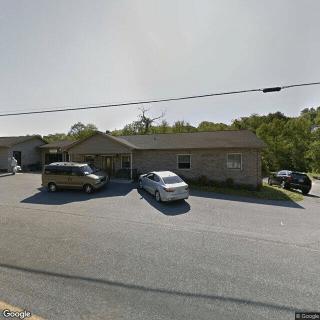
Serenity Family Care #2 and River Side Senior Living
$2,500 to $3,000 / month18.8 miles away -
from +$391 / mo
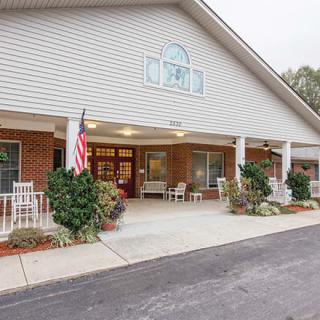
Brookdale Hickory Northeast
$2,560 / month21.3 miles away -
from -$419 / mo

Mountain View Family Homecare
$1,750 / month18.4 miles away -
from -$74 / mo

Lenoir Healthcare Center
$2,095 / month16.0 miles away -
from -$169 / mo

Cambridge House
$2,000 to $3,150 / month15.7 miles away
Overall Review of Bayada Nurses
Pros
 The service was wonderful.
- The team was friendly, kind, and flexible.
- Everyone they dealt with was wonderful.
Review
Bayada Nurses in Morganton, NC is best suited for seniors who want to stay in their own home and receive professional nursing and personal care delivered with exceptional warmth, flexibility, and accessibility. The core advantage highlighted by the lone review is a staff that feels friendly, kind, and responsive, capable of adapting to changing circumstances without friction. This program fits families seeking continuity of care in a familiar environment, where the emphasis is on personal attention and a humane approach to daily support rather than an institutional setting. For those who prize calm, predictable in-home support that respects independence and routine, this option stands out as a practical fit.
However, alternatives should be on the table for anyone whose priorities extend beyond home-based nursing. If the goal is around-the-clock supervision, built-in social programming, or specialized memory-care environments with structured activities, an assisted living community or a higher level of residential care will generally be more appropriate. In such cases, the in-home model may fall short on peer engagement, organized outlets for socialization, and the sense of communal life that a campus-style setting provides. Families with acute or highly intensive needs should compare the available in-home options against facility-based programs to avoid gaps in daily oversight.
The strengths of Bayada Nurses, the staff’s friendliness, kindness, and flexible scheduling, are the levers that make home care tolerable and even preferable under many scenarios. When care plans shift because medical needs evolve or daily routines change, a flexible staffing model minimizes disruption and helps sustain the person’s preferred living arrangement. The quality of interpersonal interactions matters just as much as clinical competence in this space; the review’s depiction of “wonderful service” and universally positive contact with caregivers signals that trust and rapport are achievable here, which can translate into higher adherence to treatment, easier symptom management, and reduced caregiver stress for families.
That said, the review provides no explicit drawbacks to balance against these strengths, leaving several practical questions unanswered. Prospective families should verify typical concerns that often surface with home health: guaranteed coverage for evenings, weekends, and holidays; predictable caregiver assignment and continuity; timely response in urgent situations; and the degree of oversight by a registered nurse. Without direct information on these operational details, it remains essential to ask for concrete service parameters, care coordination workflows with physicians, and a transparent outline of the cost structure and what benefits, if any, apply through insurance or private pay.
Careful evaluation should also include a clear test of fit to home environment and expectations. Families should request a detailed care plan tailored to the senior’s acuity, a caregiver matching process that prioritizes personality and compatibility, and a trial period to gauge consistency of visits and communication quality. It is prudent to speak with multiple references, confirm licensing and accreditation where applicable, and inquire about emergency backup options. This due-diligence approach ensures that the strong interpersonal promise reflected in the review translates into long-term reliability and measurable peace of mind.
In the final analysis, Bayada Nurses in Morganton emerges as a compelling choice for households prioritizing autonomy and home-based support delivered with genuine warmth and adaptability. For families whose priorities skew toward a supervised, socially active living environment with ready access to on-site amenities and coordinated care teams, exploring assisted living communities remains wise. The single positive review offers a strong signal, but a broader set of references and a thorough questions list will convert perceived promise into a dependable, well-matched care plan. The decision should hinge on acuity level, desired living setting, and budget, with Bayada serving as a strong option where home is the preferred stage.






 Understanding the Nuances of Palliative Care and Hospice: A Comprehensive Exploration
 Is In-Home Healthcare Tax Deductible? Your Comprehensive Guide
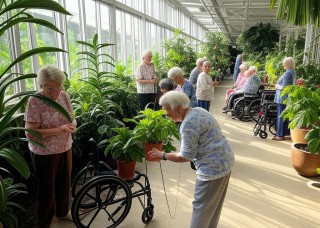 Nurturing Well-Being Through Gardening: A Detailed Guide for Senior Enthusiasts