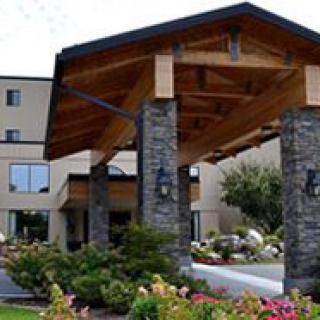
Morganton Long Term Care Facility in Morganton, NC

1300 East Union Street, Morganton, NC 28655

For more information about senior living options: (844) 490-3973

1.3 from 3 reviews
5 stars
0
4 stars
0
3 stars
0
2 stars
1
1 stars
2

Assisted Living Board and Care Home

What level of care are you interested in?

Assisted Living

Memory Care

Independent Living

Skilled Nursing Facility

Continuing Care Retirement Community (CCRC)CCRC

Other


Request a tour at Morganton Long Term Care Facility

    Overall Review of Morganton Long Term Care Facility

    Pros

    • pro The staff was fine at Morganton Long-Term Care.
    • pro They were very nice.
    • pro They seem to be doing well.
    • pro The staff was good to her.

    Cons

    • pro The facility is described as a horrible place by the reviewer.
    • pro The food is awful, rarely includes meat, and pinto beans are often served as the meat.
    • pro Nurses allegedly used medications for other patients, a serious violation.
    • pro The owners are seen as uncaring and fail to notify families about their loved ones' well-being; families were not informed even as their father was dying.
    • pro The reviewer warns others to stay away, citing many horror stories from other families.
    • pro The place resembles a horror movie from the 1960s; it is old and poorly maintained, with a teenage boy at the front desk and trash outside.
    • pro A sign warns not to let a resident out, and residents roam the halls screaming.
    • pro Many residents are mentally ill and roam into coherent patients' rooms; it is not a home for coherent individuals.
    • pro Meals are not brought to rooms and must be eaten in a mess hall; staff are said to scream at patients, who cry all night.
    • pro The staff were fine, but the odor made the place unacceptable for the reviewer's mother; the rooms were not acceptable for what they wanted.
    • pro Overall, it is not the right place for their mother.

    Review

    Morganton Long Term Care Facility is best suited for families facing severely limited affordable options who are willing to tolerate serious quality and safety concerns in exchange for a low price. This is not a community that should be pursued by those who expect reliable nutrition, consistent medication management, or transparent, proactive family communication. In-practice constraints and documented problems make it clear that cost is the primary driver here, not quality of life or peace of mind for loved ones.

    Explicitly, anyone who requires dependable med administration, a clean and safe living environment, respectful and attentive staff, and timely updates about a resident's condition should consider alternatives. Prospective residents with high expectations around nutrition, hygiene, and professional oversight will be disappointed. Families who value a well-maintained facility and consistent oversight will likely find this option incompatible with their standards and care priorities.

    The strongest red flags arise from the core care and safety concerns cited by reviewers. Food quality is described as consistently poor, with meals often lacking meat and relying on beans, raising questions about balanced nutrition. More alarming is the reported medication mishandling - nurses allegedly using another patient's medications - and a broader pattern of poor accountability. Such issues directly threaten resident safety, undermine trust, and signal potential systemic gaps in medication control and care coordination.

    Compounding these risks are indications of unsafe and unsanitary conditions. Critics describe an environment and odor that feel out of date and unwelcoming, with scenes that resemble a neglected facility more than a modern long-term care setting. Front-line impressions matter, and a teenage desk attendant plus signage implying restricted access for residents point to a lack of professional presentation and governance. The descriptions of roaming, mentally ill residents entering others' rooms and overall uncontrolled surroundings raise serious safety concerns for anyone living there, or for families seeking a secure setting for a loved one.

    On the upside, there are a few small bright spots. Some reviewers note that certain staff members are courteous or that some residents appear to be doing well within the community, and one account mentions the staff being "fine" in a particular visit. These positives, however, do not counterbalance the overwhelming negatives related to nutrition, medication safety, cleanliness, and transparent communication. A decent demeanor among some staff cannot redeem a facility where basic safeguards and family notification appear unreliable.

    From a decision-making perspective, the cons overwhelmingly outweigh the limited positives. The risk of medication errors, potential neglect, hygiene shortcomings, and strained or blocked family communications are not risks to be tolerated in a long-term residence. The facility's dated ambiance and the absence of robust governance amplify these concerns, making it hard to justify placement for a resident who requires ongoing monitoring, predictable routines, and dependable care. The most prudent recommendation is to pursue other communities with better track records on safety, staffing stability, nutrition, and family engagement.

    If staying under consideration, approach with a rigorous due-diligence plan. Demand current menus and nutritional plans, request a comprehensive description of medication administration policies, and observe a morning or shift change to gauge staffing levels and responsiveness. Tour the grounds with a checklist focused on cleanliness, odor, and general upkeep; speak with current residents and their families about nightly routines and incident reporting. Compare nearby facilities with higher state inspection scores, stronger clinical oversight, and transparent communication practices. In the end, a decision should favor environments where safety, dignity, and prompt, clear communication are non-negotiables.

    Features

    Housing

    • 20 resident community capacity 20 resident community capacity

    Types of Care

    • Assisted Living Assisted LivingAssisted living facilities provide crucial support and care for seniors who may need help with daily tasks such as medication management, bathing, and meal preparation. These communities offer a safe and comfortable environment where seniors can maintain their independence while receiving the assistance they need to thrive in their golden years.
    • Board and Care Home Board and Care HomeBoard and care homes provide a smaller, more intimate setting for seniors who require assistance with daily tasks but do not need the level of care offered by a nursing home. They offer personalized care, meals, and social activities in a homelike environment, ensuring that seniors receive individualized attention and support in their golden years.

    Amenities

    • Beauty salon Beauty salonBeauty salons are important for seniors because they provide a space for them to feel pampered, socialize, and maintain their personal grooming and hygiene. Regular visits to a beauty salon can help boost seniors' self-esteem and overall well-being.
    • Cable or satellite TV Cable or satellite TVCable or satellite TV is important for seniors because it provides entertainment, news, and companionship, helping to combat loneliness and boredom. It also offers a wide range of programming options tailored to different interests and preferences.
    • Dining room Dining roomDining rooms are important for seniors as they provide a space for socialization, connection, and nutritious meals. They offer opportunities for residents to bond over shared meals, foster a sense of community, and promote healthy eating habits. Dining rooms also ensure that seniors have access to well-balanced meals tailored to their dietary needs and preferences.
    • Fully furnished Fully furnishedFully furnished senior living communities are important for seniors because they provide convenience, comfort, and a hassle-free moving experience. Seniors can easily settle into their new living space without the stress of having to buy and move furniture. This allows them to focus on enjoying their new home and community.
    • Garden GardenGardens are important for seniors as they provide a peaceful and therapeutic environment for relaxation, physical activity, and socialization. Being in nature has been shown to reduce stress, improve mood, and promote overall well-being. Gardens also offer opportunities for seniors to engage in gardening activities, which can improve mobility, flexibility, and cognitive function. Additionally, gardens create a sense of community and connection with others who share a passion for plants and outdoor spaces.
    • Housekeeping services Housekeeping servicesHousekeeping services are important for seniors because they help maintain a clean and safe living environment, promote independence, and reduce the risk of accidents or illnesses. Additionally, having assistance with household chores can alleviate physical strain and allow seniors to focus on other aspects of their well-being.
    • Kitchenette KitchenetteKitchenettes are important for seniors living in senior living communities because they provide the convenience and independence of being able to prepare simple meals and snacks in the comfort of their own living space. This can help promote a sense of autonomy and well-being for seniors, allowing them to maintain some level of control over their dietary choices and daily routines.
    • Move-in coordination Move-in coordinationMove-in coordination is important for seniors because it helps ease the transition into their new living environment. It ensures that all logistics, such as packing, organizing movers, and setting up utilities are taken care of, allowing seniors to focus on settling in and adjusting to their new home. Having a smooth move-in process can alleviate stress and anxiety, making the transition smoother and more enjoyable for seniors.
    • Outdoor space Outdoor spaceOutdoor spaces are important for seniors as they provide opportunities for physical activity, social interaction, exposure to natural light and fresh air, and a sense of connection to nature. Having access to outdoor spaces can improve overall well-being and quality of life for older adults living in senior communities.
    • Telephone TelephoneTelephones are important for seniors as they provide a lifeline for communication with loved ones, emergency services, and healthcare providers. They offer a sense of security and independence, enabling seniors to stay connected and access assistance when needed.
    • Wi-Fi/high-speed internet available Wi-Fi/high-speed internet availableWi-Fi/high-speed internet is important for seniors to stay connected with loved ones, access online resources, and participate in virtual activities to combat feelings of loneliness and isolation. It also allows them to easily manage healthcare needs, access entertainment, and engage in lifelong learning opportunities.

    Care Services

    • 24-hour call system 24-hour call system24-hour call systems are important for seniors because they provide peace of mind and immediate assistance in case of emergencies. This technology ensures that help is always available, promoting safety and security for elderly individuals living alone or in assisted living facilities.
    • 24-hour supervision 24-hour supervision24-hour supervision is important for seniors to ensure their safety, well-being, and access to immediate assistance in case of emergencies or health issues. This constant support provides peace of mind for both seniors and their loved ones, allowing them to age in place with dignity and security.
    • Activities of daily living assistance Activities of daily living assistanceActivities of daily living assistance are important for seniors because they provide essential support with tasks such as eating, bathing, dressing, and mobility. This assistance helps seniors maintain their independence, dignity, and overall quality of life as they age.
    • Assistance with bathing Assistance with bathingAssistance with bathing is crucial for seniors as it helps maintain personal hygiene, prevents infections, and ensures their overall well-being and comfort. It also provides a sense of dignity and independence for seniors who may struggle with this task on their own.
    • Assistance with dressing Assistance with dressingAssistance with dressing is important for seniors because it helps maintain their independence, promotes personal hygiene, prevents accidents and injuries, and improves overall quality of life. This service ensures that seniors can continue to dress comfortably and confidently, despite any physical limitations they may have.
    • Assistance with transfers Assistance with transfersAssistance with transfers is crucial for seniors as it helps prevent falls and injuries, maintains their independence, and ensures they can safely navigate their living environment. It also provides peace of mind for both seniors and their loved ones.
    • Coordination with health care providers Coordination with health care providersCoordination with health care providers is crucial for seniors to ensure proper medical care, medication management, and overall well-being. This collaboration helps prevent overlapping treatments, track progress more effectively, and provide comprehensive support tailored to individual needs.
    • Diabetes diet Diabetes dietA diabetes diet is crucial for seniors as it helps manage blood sugar levels, reduce risks of complications, and improve overall health and well-being. By following a balanced and nutritious diet tailored to their specific needs, seniors can better control their diabetes and enhance their quality of life.
    • Meal preparation and service Meal preparation and serviceMeal preparation and service are crucial for seniors as they may have limited mobility or energy to cook nutritious meals. Having access to healthy and convenient food options can ensure they are getting the proper nutrition needed to maintain their overall health and well-being.
    • Medication management Medication managementMedication management is crucial for seniors to ensure they are taking the right medications at the correct dosages and times. This helps prevent adverse drug interactions, reduces the risk of medication errors, and promotes overall health and well-being. Proactive management also allows for adjustments as needed based on changing health conditions or new prescriptions.
    • Mental wellness program Mental wellness programMental wellness programs are essential for seniors as they promote cognitive stimulation, emotional support, and social engagement. These programs help prevent isolation, depression, and cognitive decline, ultimately enhancing the overall quality of life for older adults.
    • Special dietary restrictions Special dietary restrictionsSpecial dietary restrictions are important for seniors because age-related changes in metabolism and health conditions can make it difficult for their bodies to process certain foods. By following a diet tailored to their specific needs, seniors can maintain their overall health and well-being, manage chronic conditions, and reduce the risk of complications such as malnutrition or food interactions with medications.
    • Transportation arrangement (medical) Transportation arrangement (medical)Transportation arrangements for medical purposes are essential for seniors as they may have difficulty driving themselves to appointments or accessing public transportation. Having reliable and safe transportation options ensures that seniors can receive timely medical care and maintain their health and well-being.
    • Transportation to doctors appointments Transportation to doctors appointmentsTransportation to doctors' appointments is crucial for seniors as it ensures they have access to necessary medical care and support for their health needs. Without reliable transportation, seniors may struggle to attend important appointments, leading to potential delays in treatment and health complications. Providing transportation services helps seniors maintain their overall well-being and quality of life.

    Dining

    • Diabetes diet Diabetes dietA diabetes diet is crucial for seniors as it helps manage blood sugar levels, reduce risks of complications, and improve overall health and well-being. By following a balanced and nutritious diet tailored to their specific needs, seniors can better control their diabetes and enhance their quality of life.
    • Special dietary restrictions Special dietary restrictionsSpecial dietary restrictions are important for seniors because age-related changes in metabolism and health conditions can make it difficult for their bodies to process certain foods. By following a diet tailored to their specific needs, seniors can maintain their overall health and well-being, manage chronic conditions, and reduce the risk of complications such as malnutrition or food interactions with medications.

    Activities

    • Community-sponsored activities Community-sponsored activitiesCommunity-sponsored activities are important for seniors as they provide opportunities for social interaction, mental stimulation, and physical activity. These activities can help improve overall well-being, combat loneliness and isolation, and promote a sense of belonging and purpose among older adults.
    • Resident-run activities Resident-run activitiesResident-run activities are important for seniors as they encourage social interaction, creativity, and a sense of autonomy. These activities empower seniors to stay engaged and active in their community while fostering meaningful connections with their peers.
    • Scheduled daily activities Scheduled daily activitiesScheduled daily activities are important for seniors because they provide structure, socialization, mental stimulation, and physical activity. Engaging in regular activities can improve overall well-being and quality of life for seniors living in a community setting.

    Description

    Morganton Long Term Care Facility is a board and care home located in the beautiful city of Morganton, NC. Our community offers a warm and inviting atmosphere for seniors who require assistance with daily activities but still want to maintain their independence.

    Our fully furnished and comfortable accommodations provide residents with a sense of home. Each room includes cable or satellite TV, Wi-Fi/high-speed internet access, and a telephone for convenient communication. We also have outdoor spaces and gardens where residents can relax and enjoy nature.

    At Morganton Long Term Care Facility, we understand the importance of maintaining a healthy lifestyle. Our experienced staff provides 24-hour supervision to ensure the safety and well-being of our residents. We offer assistance with daily activities such as bathing, dressing, and transfers, as well as medication management.

    Our dining services cater to different dietary needs, including special restrictions such as diabetes diets. Meals are prepared by our skilled staff and served in our spacious dining room where residents can socialize with friends and neighbors.

    We believe that staying active is essential for overall wellness. Our community offers resident-run activities as well as scheduled daily activities that cater to individual interests. This includes mental wellness programs to promote cognitive health.

    We understand that transportation is important for medical appointments. That's why we provide transportation arrangements for medical purposes as well as doctors' appointments.

    At Morganton Long Term Care Facility, we prioritize the comfort and well-being of our residents. Whether it's providing high-quality care services or offering a wide range of amenities, we strive to create an environment where seniors feel valued and supported. Come visit us today to experience the compassionate care and vibrant community at Morganton Long Term Care Facility.

    Nearby Places of Interest

    Restaurants

    • Loaves and Fishes Restaurant (23.5 miles)

    Frequently Asked Questions

    Where is Morganton Long Term Care Facility?

    Nearby Communities

    • Morganton Long Term Care - Southview Facility

      Morganton Long Term Care - Southview Facility

      Morganton, NC


      pro Extensive on-site amenities and comprehensive care services.

    • Bayada Nurses

      Bayada Nurses

      Morganton, NC

      5 from 1 review
      $2,169 to $3,969 / month

      pro Excellent customer service with friendly, flexible staff.

    • Grace Ridge Retirement Cmmnty

      Grace Ridge Retirement Cmmnty

      Morganton, NC

      4.4 from 12 reviews
       

      pro Independent living option with ample communal spaces and well-appointed interiors.

    • Grace Ridge Retirement Community

      Grace Ridge Retirement Community

      Morganton, NC

      4.6 from 21 reviews
       

      pro Beautiful setting with excellent dining, attentive staff, and a vibrant activity calendar.

    • Grace Ridge

      Grace Ridge

      Morganton, NC

      4.7 from 20 reviews
       

      pro Beautiful surroundings with excellent facilities and a caring, engaged staff.

    • Grace Heights Health & Rehabilitation

      Grace Heights Health & Rehabilitation

      Morganton, NC

      4.3 from 31 reviews
       

      pro Excellent rehabilitation care with attentive staff and strong family communication.

    • Burke Long Term Care

      Burke Long Term Care

      Morganton, NC

      3.3 from 21 reviews
      $3,000 to $3,400 / month

      pro Clean, welcoming environment with caring staff and engaging activities.

    • Grandview Villa Assisted Living

      Grandview Villa Assisted Living

      Lenoir, NC

      4 from 6 reviews
       

      pro Multiple shifts may provide more consistent care.

    • McDowell House,  Inc

      McDowell House, Inc

      Nebo, NC

      1.8 from 5 reviews
       

      pro Specialized diabetic care with on-site activities.

    Related Resources

    • when to move from assisted living to memory careWhen to Transition from Assisted Living to Memory Care: Key Indicators, Steps, and Finding the Right Community

      Transitioning from assisted living to memory care is driven by an individual's cognitive decline and specific needs, requiring careful evaluation of indicators like increased confusion and wandering. The process involves consulting medical professionals, researching suitable communities, considering financial and legal aspects, and ensuring effective communication for personalized care plans.

    • assisted living vs memory careAssisted Living and Memory Care: Understanding Their Core Differences

      Assisted living provides moderate support for seniors seeking independence, while memory care offers specialized support for individuals with dementia or cognitive impairments through structured routines and trained staff. Key differences include care approaches, environment security measures, staff training levels, activity types, and cost considerations.

    • assisted living activitiesBeyond the Bingo Hall: 50+ Enriching Activities for Seniors in Assisted Living

      Assisted living communities offer diverse activities beyond traditional games to enhance seniors' physical health, cognitive well-being, emotional enrichment, and social connections, including fitness classes, creative expression, and intergenerational interactions. These enriching programs foster community bonds and support residents' independence and happiness.


    Get Pricing Ask A Question Schedule A Tour Contact Senior Advisor