
500 Lenoir Rd, Morganton, NC 28655
To contact a resident: (828) 580-7300
For more information about senior living options: (866) 208-4318
Overall Review of Grace Ridge Retirement Cmmnty
Pros
 Grace Ridge offers top-notch facilities and amenities with 5-star service from the staff.
- Grace Ridge went far beyond the minimum to keep residents safe and healthy during the Covid-19 pandemic.
- Residents wholeheartedly recommend Grace Ridge as a retirement community.
- Grace Ridge is an outstanding solution for retirement living.
- The people and staff at Grace Ridge are helpful and friendly.
- Grace Ridge offers a wide range of activities and events that enrich residents' social lives.
- Grace Ridge provides peace of mind for residents' futures.
- Grace Ridge features gorgeous scenery, compassionate and competent staff, luxury care for aging loved ones, and excellent dining options.
Cons
 The reviewer questions why their 92-year-old father is not receiving palliative care and suggests it may be about money.
- They cite shortages in in-home healthcare and worry who will care for aging parents.
- They warn that the tsunami of Baby Boomers will fill up places like Grace Ridge fast, with waitlists potentially years long.
- They urge readers to beat the scramble to find living arrangements and the help they need before it’s too late.
Review
Grace Ridge Retirement Community in Morganton, NC is best suited for active, financially prepared seniors and couples who want a high-end, maintenance-free living environment with a robust social calendar and dependable on-site care. This is the place for those who view retirement as an opportunity to double down on quality of life, vivid amenities, scenic surroundings, and a schedule full of engaging activities, while maintaining a clear plan for future care. It works especially well for younger seniors who want to lock in a comprehensive lifestyle now and enjoy the peace of mind that comes with a well-staffed community that feels like a refined destination rather than a traditional run-of-the-mill facility.
For families weighing options, alternatives are worth considering if budget is a primary constraint or if the care needs are highly specialized or end-of-life oriented. Those seeking the lowest possible monthly cost, or desiring a more intimate, home-like setting without a luxury veneer, may find better fit elsewhere. Similarly, if the plan calls for strong in-house palliative or hospice capabilities with rigorous medical oversight on a day-to-day basis, it is prudent to compare Grace Ridge with other communities that explicitly advertise comprehensive clinical programs or memory-care-specific services. In short, when cost sensitivity or specific medical workflows are non-negotiable, other options deserve serious consideration before committing.
The core advantages at Grace Ridge are compelling enough to justify the premium. The facilities and amenities are consistently described as top tier, and the staff earns sustained, credible praise for empathetic, competent, 5-star service. The setting itself, gorgeous scenery, enhances daily life, while the calendar of activities offers broad social engagement and purposeful routines. The food is repeatedly singled out as excellent, contributing to a sense of everyday luxury. Taken together, these factors translate into meaningful improvements in quality of life, social connectedness, and routine stability, which in turn offset concerns about higher costs by delivering ongoing value and peace of mind.
Residents’ testimonials reinforce a precise arc: long-tenured satisfaction, a thriving social ecosystem, and a culture of care. Statements about “peace and love” within the Grace Ridge community speak to a sense of fellowship that extends beyond mere services to a genuine feeling of belonging. The emphasis on proactive, attentive staff helps offset the natural pull toward distance or indifference that can characterize other communities. And the recurring reminder to act sooner rather than later, anticipating a growing demand as Baby Boomers nearing retirement age enter the market, gives families a practical incentive to plan ahead, ensuring a place in a desirable environment rather than facing a forced, last-minute relocation.
Yet the strongest caveat centers on care scope and cost clarity. One reviewer floated a concern about palliative care, noting a perception that this aspect may be underemphasized or financially motivated, and suggesting that residents’ medical trajectories should be aligned with explicit care goals. While this viewpoint is not universal, it highlights a legitimate decision point: verify exactly what medical and end-of-life supports are available on-site, how they are billed, and how changes in health status would be managed. Price transparency matters as much as program breadth; prospective residents should demand a clear, written outline of included services, what requires additional payment, and how the community handles shifting care needs over time. A potential waitlist effect, while framed here as a sign of desirability, also warrants consideration for families with time-sensitive timelines.
In the end, Grace Ridge stands out as a strong, purpose-built option for those who prize luxury, a lively social fabric, and dependable staff support wrapped in a scenic, engaging environment. It is a particularly strong fit for couples and individuals who want to retire with the expectation of transitioning smoothly into more comprehensive care if needed, without sacrificing daily enjoyment. The prudent path for families is to approach with a clear view of budget, care expectations, and the exact medical supports required. If these align, Grace Ridge delivers a compelling blend of quality, community, and continuity that places it ahead of many Morganton peers. For those with tighter budgets or uncompromising needs for specialized medical care on-site, exploring alternatives that target those specifics will protect the overall decision and long-term satisfaction.
 Independent Living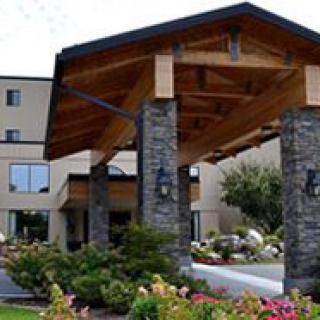





 9 Stimulating Memory Activities for Seniors: Puzzles, Cards, and Much More
 Managing Nursing Home Expenses After Medicare Coverage Ends
 Is a Geriatric Care Manager the Right Choice for Your Family?