
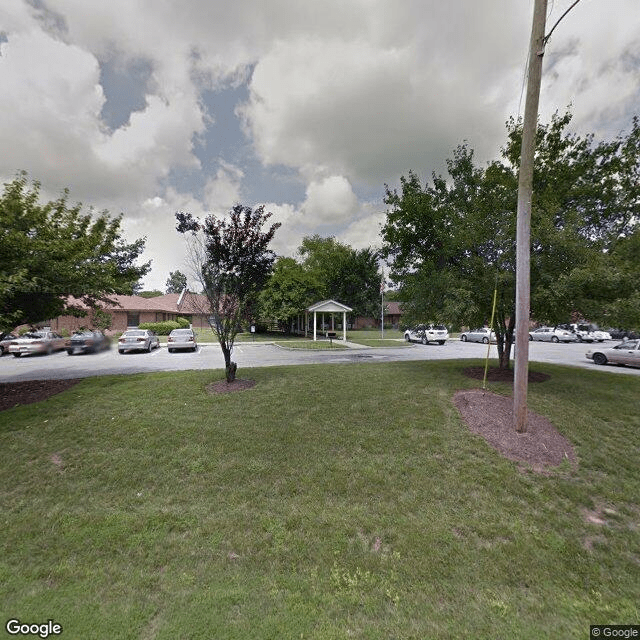
114 Smoketree Way, Louisburg, NC 27549
For more information about senior living options: (866) 208-4318
Overall Review of Louisburg Manor
Pros
 The resident enjoyed their stay, finding it better than the hospital, with a great staff and an excellent roommate.
- Stacy at the nurses' desk showed patience and compassion, helping four sisters talk to a patient who couldn't answer the phone.
- The facility felt like home, with welcoming residents, a resident cat, a gazebo, and a clean, neat setting.
- Although not new, the facility is very clean and neat, with a beautiful setting and a yard.
- The facility has an awesome physical therapy staff and keeps a very nice, clean environment thanks to great housekeeping.
- The staff are good, nice, and efficient, making up for fewer amenities.
- The CNAs are awesome and deserve fair pay.
Cons
 The facility is horrible and it seems they don’t care about residents, only about money, as they wouldn’t notice a resident was missing until the police brought him back.
 - The staff are inconsiderate, refusing to help the mother get to meals and tearing pictures off walls when rooms were changed.
- The care was so lacking that family members cried about the staff at least once a week.
- The facility is understaffed across shifts, with poor communication and low pay, leading to high turnover.
- Long-tenured employees were described as earning only about $9 per hour.
- The rooms aren’t as nice and the food isn’t as good, and there are fewer amenities.
Review
Louisburg Manor is best suited for families seeking a budget-friendly, personable option where daily care is delivered with warmth and where rehab-oriented residents can still enjoy a home-like environment. The community tends to attract those who prioritize roommate compatibility, social activities, and accessible therapy services over modern finishes or extensive upscale amenities. For short-term rehab or ongoing assistance with daily routines, the staff’s willingness to engage and reassure often matters most. However, this is not the right choice for families who need ironclad safety controls, rigid medical oversight, or highly consistent staffing, as those areas show real fragility in practice.
On the positive side, several residents and family members highlight strong, patient-focused staff, especially at the front desk and therapy teams. The physical therapy program is described as capable and responsive, and housekeeping keeps the facility clean and orderly, which supports day-to-day comfort. The atmosphere in some cases feels homelike, residents interact warmly, and practical touches like crafts, exercise classes, a regular hairdresser, and on-site doctor visits contribute to a sense of normalcy. For families focused on companionship and tangible rehab progress, these elements can offset a range of inconveniences.
However, the downsides are consistently voiced and cannot be ignored. The most troubling concerns center on safety and responsiveness, stories of residents wandering or facing delays in meals and assistance create real anxiety about who is watching after hours. Understaffing across shifts, low wages, high turnover, and communication gaps with administrators undermine reliability and morale. Rooms and amenities may lag behind expectations, with reports of room changes and disorganization around personal items. If such care gaps are accurate, they are a serious red flag for long-term placement decisions.
Yet the practical benefits do carry weight. The presence of an engaged therapy staff and empathetic front-line workers can deliver meaningful rehab progress and daily comfort, which matters for families prioritizing functional improvement and emotional support. The clean, welcoming environment and homelike touches, such as social activities, pet-friendly elements, and accessible physician visits, offer tangible quality-of-life gains that cost-cutting cannot replace. These positives partly offset cost advantages and convenience of location, but they do not erase risks tied to neglect allegations, chronic understaffing, or inconsistent communication.
For families weighing options, a targeted due-diligence plan is essential. Probe staffing levels on each shift, request current staff-to-resident ratios, and ask how response times are tracked. Seek a clear, recent communications plan with the RCC and management, and quantify what services were promised versus delivered. Visit during mealtimes and after hours to observe attention and safety checks. Have candid conversations with residents and family members about mobility assistance, routine wake/sleep patterns, and the handling of personal belongings. If the budget is paramount and the focus is rehab with a warm, social setting, Louisburg Manor may fit, but alternatives with stronger safety records and steadier staffing should be considered for higher-acuity needs.
In sum, Louisburg Manor serves a particular niche: a budget-conscious option that can deliver meaningful rehab and a homelike daily rhythm when staffed reliably and treated with care. The upside is real, the strong therapy team, clean surroundings, and genuine interpersonal warmth can translate into real improvements and comfort. The flip side is stark: reputational and safety concerns tied to inconsistent staffing and communication can dramatically erode confidence for families managing complex medical needs. This community is most appropriate for those who can tolerate some variability in staffing and who place a premium on approachable caregivers and an affordable, social environment. For others, especially those needing vigilant oversight and seamless care continuity, exploring alternatives is prudent.
 60 resident community capacity
 Assisted Living
 Independent Living
 Skilled Nursing Facility
 Activities on-site
 Air-conditioning
 Beauty salon
 Cable or satellite TV
 Computer center
 Devotional services off-site
 Dining room
 Fitness room
 Fully furnished
 Gaming room
 Garden
 Housekeeping services
 Indoor common areas
 Kitchenette
 Move-in coordination
 Outdoor space
 Private bathrooms
 Restaurant-style dining
 Small library
 Telephone
 Wellness center
 Wi-Fi/high-speed internet available
 Community operated transportation
 12-16 hour nursing
 24-hour call system
 Ambulatory care
 Assistance with bathing
 Assistance with dressing
 Assistance with transfers
 Diabetes diet
 Diabetic care
 Medication management
 Mental wellness program
 Special dietary restrictions
 Concierge services
 Planned day trips






 A Detailed Exploration of Assisted Living Medicaid Waivers Across the United States
 Comprehensive Residential Support and Assisted Living Solutions for Individuals with Disabilities
 Comprehensive Supportive Living Arrangements for Adults with Disabilities