Hillside Nursing Center of Wake Forest
SaveInformation last verified:
968 Wait Ave, Wake Forest, NC 27587
For more information about senior living options: (844) 490-3973
Hillside Nursing Center in Wake Forest is best suited for families seeking a rehab-first environment where therapy teams drive recovery and where staff members across nursing, therapy, and support roles display warmth and attentiveness. The facility’s strongest draw is its rehabilitation footprint: admissions can be quick and well-coordinated, and the physical and occupational therapy teams have earned praise for high-quality, patient-centered care that yields measurable gains in strength and independence. Families frequently highlight single-occupancy rehab rooms, a homey, welcoming atmosphere, and practical touches like help coordinating doctor visits and discharge planning. For loved ones emerging from surgery or acute illness, where a robust, goal-oriented therapy push is the priority, Hillside often delivers meaningful progress and a clear path back home.
That said, Hillside is not the indisputable answer for every senior-care need. Alternatives deserve consideration for residents who require relentless safety oversight, airtight infection control, or consistently responsive administration. A chorus of reviews flags concerns about leadership, communication, and overall facility management, with some accounts describing poor staffing conditions, delays in urgent care, and inconsistent follow-through on medical and logistical needs. Observations of odor, cleanliness issues, and sporadic supervision in certain wings further complicate the decision for long-term residency or for residents with high acuity or cognitive challenges. In short, the rehab-strengths shine brightest when the goal is recovery and return to independence; when stability, transparency, and safety are paramount, the concerns warrant diligent scrutiny.
The primary positives, the therapy teams, the nursing staff in the patient-facing roles, and the collaborative discharge planning, often offset the downsides in the eyes of families pursuing rehabilitation. Therapists push patients to regain mobility and function while respecting limits, and nurses and CNAs are frequently described as compassionate, patient-centered, and accessible to families who participate in care planning. The ability to tailor treatment goals with family input, and to see predictable progress toward those goals, makes Hillside a compelling option for post-acute recovery. The environment also earns trust when it comes to practical elements: clear documentation, coordinated transport to appointments, and a willingness to conduct orientation meetings that bring families into the care picture early. When rehabilitation is the priority, Hillside’s strengths can translate into faster, more confident returns to home life.
Where the balance tilts depends heavily on perspective and the unit in question. Several reviews point to notable deficiencies in administration and day-to-day operations that can undermine confidence for long-term residents or those with complex or chronic needs. Reports from staff and families describe understaffing at times, inconsistent communication about care plans, and friction between front-office processes and bedside care. Instances of delayed responses to call lights, concerns about safety and environmental controls, and accounts of high-traffic areas where supervision seems limited all suggest a higher risk level for residents who require constant visibility and rapid intervention. For families evaluating Hillside for ongoing living or for residents with significant medical or behavioral needs, these themes must be weighed against the rehab wins.
In-depth looks at the assisted living portion of Hillside reveal a contrasting trajectory. Several long-standing reviews speak warmly of the assisted living environment, where residents and families describe attentive, loving staff who genuinely engage with daily routines and social activities. Positive notes emphasize cleanliness, a home-like feel, and regular social events that foster community belonging. Yet even within the same property, experiences can diverge sharply: some visits report a calm, well-run atmosphere, while others observe louder odors, occasional flies, or less robust engagement in the fuller-care nursing areas. The pattern suggests a facility that can deliver excellent quality of life in assisted living and strong engagement in rehab, but whose full-care units may vary in consistency and perceived attentiveness depending on shifts, staff assignments, and management pressures.
For families making a decision, the practical path is clear. If rehabilitation is the immediate aim, arrange a multi-visit assessment of the rehab wing, request to meet the therapy team, and ask for a detailed, written discharge plan with milestones and post-discharge supports. Insist on sightlines into care coordination, including how updates are communicated to families, how often care plans are reviewed, and who serves as the primary point of contact. For long-term or higher-acuity needs, request a tour of all units, probe security and safety measures, and seek third-party assurances on cleanliness, pest control, and response times. And, crucially, compare Hillside with nearby options that excel in safety and consistent staffing to ensure the chosen path aligns with the resident’s most critical needs.
In the end, Hillside offers a compelling, if uneven, combination of strong rehabilitation outcomes and a compassionate, home-like atmosphere that makes it a solid choice for post-acute recovery when therapy focus and family involvement are nonnegotiable. But the same facility that delivers notable rehab progress can also expose gaps in administration, consistency, and environmental quality that matter deeply for long-term residents. The prudent course is to leverage Hillside’s rehab strengths while conducting rigorous, in-person checks of safety, communication, and daily living conditions. For families with a primary emphasis on return-to-home mobility, Hillside stands out as a viable, often excellent option; for those prioritizing sustained safety, unwavering oversight, or a uniformly pristine environment across all units, exploring alternatives with more consistent management and infection-control track records is a warranted step.
Hillside Nursing Center of Wake Forest is a premier assisted living community located in the charming town of Wake Forest, NC. With a focus on providing exceptional care and support to older adults, this community offers a range of services tailored to meet the unique needs and preferences of each resident.
Situated in a peaceful neighborhood, Hillside Nursing Center enjoys close proximity to numerous amenities that enhance the quality of life for its residents. Within walking distance, there are two cafes where residents can gather with friends or family members for a leisurely meal or enjoy a cup of coffee while engaging in meaningful conversations.
Nature enthusiasts will appreciate the nearby park, offering opportunities for individuals to take leisurely strolls amidst beautiful surroundings, engage in outdoor exercises, or simply relax and bask in the tranquility of nature.
For residents requiring regular medication maintenance, the convenience of having five pharmacies nearby ensures easy access to prescription medications and healthcare supplies. This not only saves time but also provides peace of mind knowing that healthcare needs can be promptly met.
With eight physicians in close proximity to Hillside Nursing Center, residents have access to comprehensive medical care. Whether it's routine check-ups or specialized treatments, these experienced physicians offer personalized care plans designed to promote overall well-being and ensure optimal health for each resident.
Food enthusiasts will delight in the fact that there are three restaurants conveniently located near Hillside Nursing Center. Residents can indulge in a variety of cuisines ranging from casual dining options to fine dining experiences, allowing them to savor delicious meals without venturing too far from home.
Lastly, those seeking spiritual fulfillment will find comfort knowing that there is a place of worship within close proximity. This provides an opportunity for residents to nurture their spirituality by participating in religious services or engaging with a supportive community.
In summary, Hillside Nursing Center of Wake Forest offers much more than just assisted living – it provides an enriched lifestyle surrounded by nearby cafes, parks, pharmacies, physicians' offices, restaurants, and places of worship. With a commitment to exceptional care and attention to individual needs, this community fosters a nurturing environment where residents can thrive and enjoy a fulfilling retirement.
Hillside Nursing Center of Wake Forest is located at 968 Wait Ave, Wake Forest, NC 27587 in Wake County, North Carolina
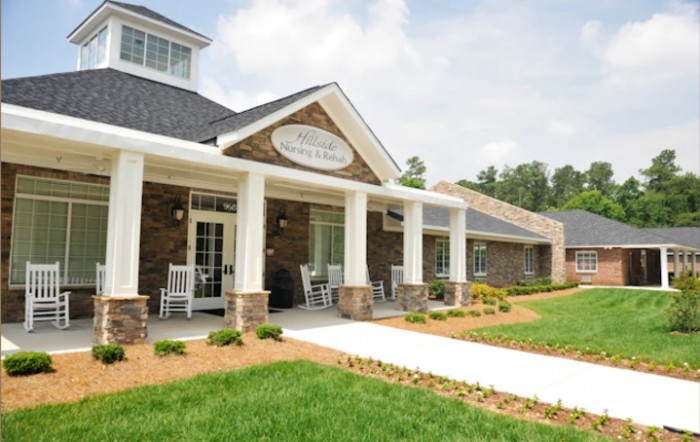
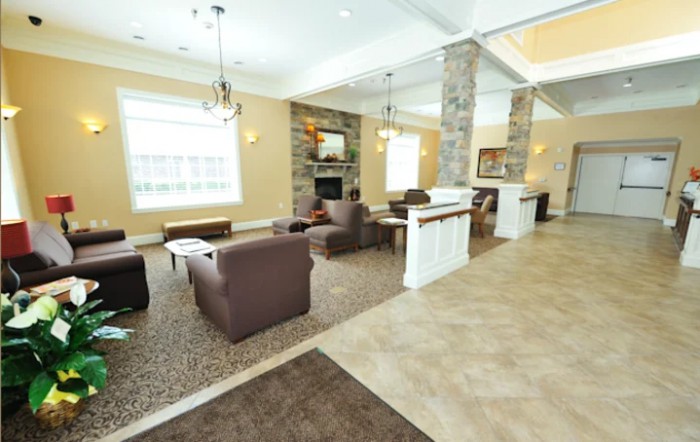
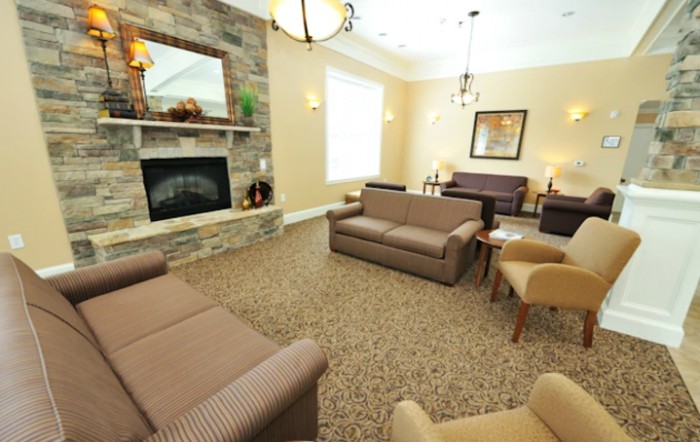
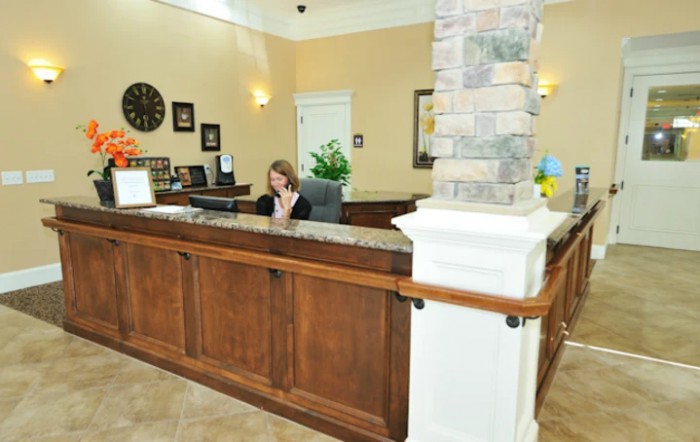
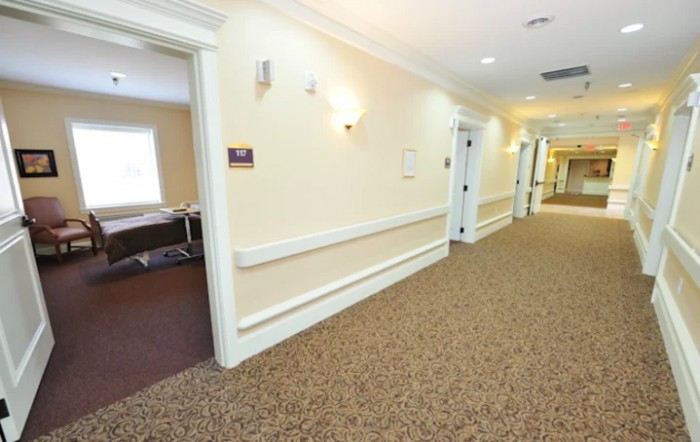
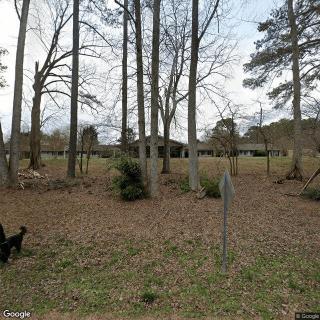
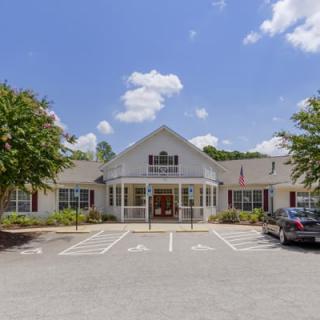
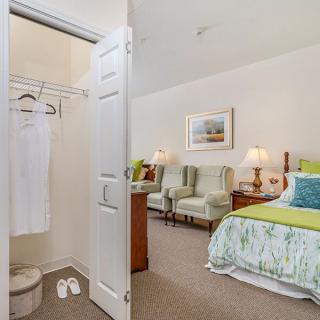
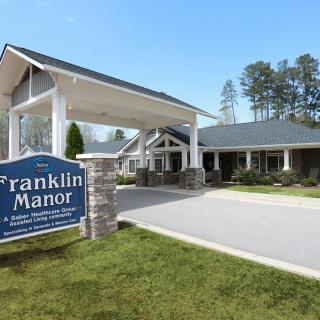
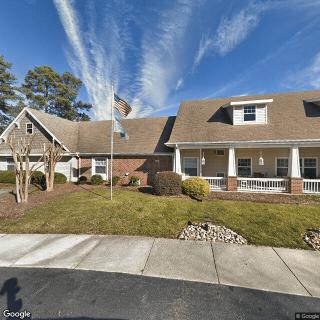
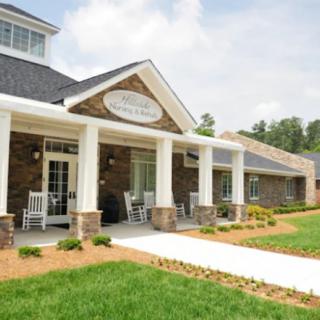
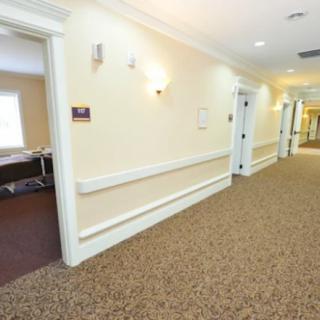
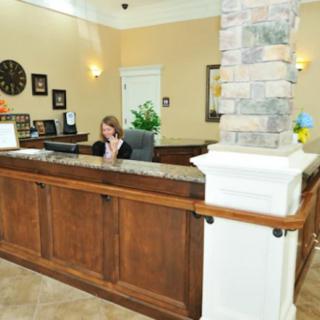
Hillside Nursing Center of Wake Forest on seniors.fyi includes 5 photos including images showing interior, lobby, fireplace, doors, lighting, building, architecture, entrance, and more.
Ten Vital Duties of a Senior Caregiver: A Comprehensive Guide

The guide details ten essential responsibilities of senior caregivers, including personal care, mobility assistance, medication management, and emotional support, while emphasizing the importance of safety, nutrition, and maintaining a safe living environment to enhance seniors' quality of life and independence.
9 Stimulating Memory Activities for Seniors: Puzzles, Cards, and Much More

The article highlights nine memory-boosting activities for seniors that enhance cognitive health and social interaction, including puzzles, trivia quizzes, and storytelling, while emphasizing the importance of adapting these activities to individual preferences to maximize enjoyment and engagement. Consistent mental engagement is linked to improved cognitive function and emotional well-being in older adults.
Managing Nursing Home Expenses After Medicare Coverage Ends
Medicare provides limited coverage for skilled nursing home care, covering full benefits for the first 20 days and partial benefits up to 100 days under certain conditions, after which families must explore alternative funding options like Medicaid or long-term care insurance to manage potentially high costs. Proactive planning is essential to navigate the complexities of financing ongoing care once Medicare coverage ends.