
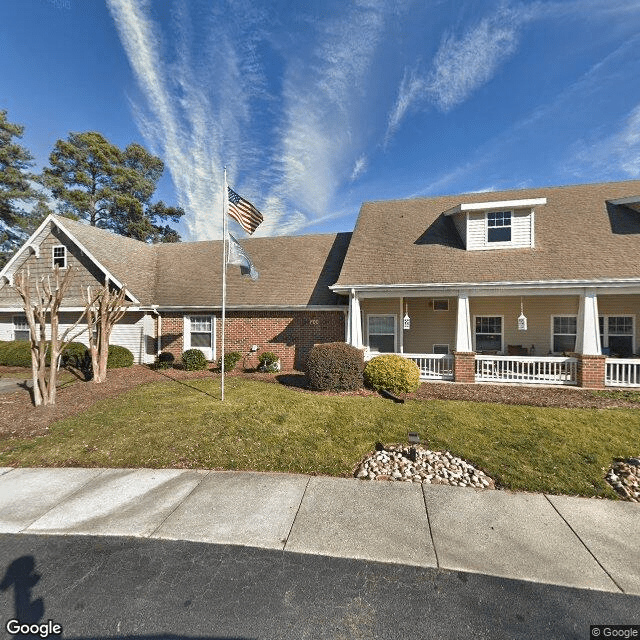
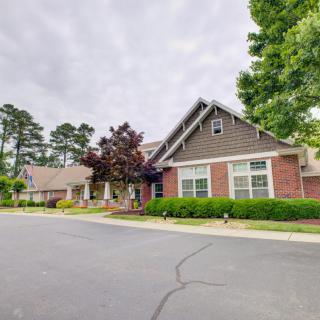
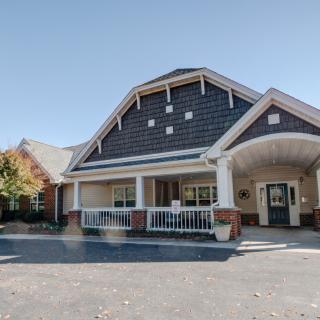
1110 Falls River Ave, Raleigh, NC 27614
To contact a resident: (919) 844-9747
For more information about senior living options: (866) 208-4318
Overall Review of Alterra Sterling House of Raleigh
Pros
 The facility was clean and had a nice dining room.
- The staff were wonderful, and the residents appeared genuinely happy.
- The tour guide Virginia "Ginger" was incredibly knowledgeable, attentive, and a great person.
- Falls River Village was considered the top choice for him when transitioning from independent living.
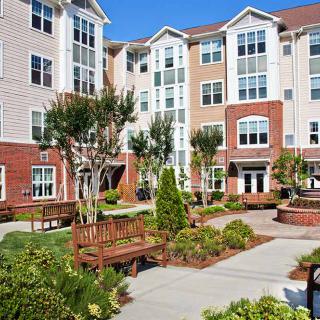
- They were very pleased with the staff, the facility's arrangement, the courtyard, and the food options.
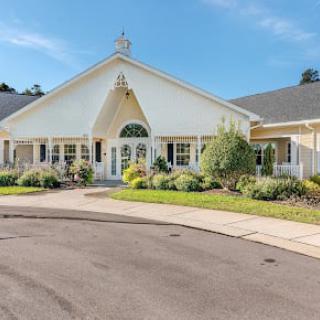
- The single-story layout was appealing.
- The calendar of events looked engaging, and residents seemed satisfied with the activities on offer.
- The four-day visit was fun-filled, rewarding, and relaxing, with delicious food and caring staff.
- Falls River Village exceeded expectations and was described as absolutely beautiful with fantastic people and great food.
- The rooms were larger and there was more outdoor space.
Cons
 The reviewer says the facility is unprofessional and notes that residents are double-diapered to avoid changing them.
- The director of memory care is described as lacking professionalism and not interacting with residents.
- The director is criticized for an unprofessional appearance, with hair standing on end.
- The med tech Tobias is described as annoying and having no life.
- The staff are described as miserable.
- The activity coordinator does nothing with residents and makes CNAs do activities.
- Reviewers warn not to send your family there.
- The executive director is urged to leave because the medical team does not treat residents well or with respect.
- The COVID-related closure is said to have led to a decline in the resident’s care.
Review
Alterra Sterling House of Raleigh is best suited for seniors who want a warm, active, home-like atmosphere with clear social structure and convenient, single-floor living. This community tends to appeal to couples who want to stay together and enjoy open common areas, straightforward navigation, and robust dining and activity options. It also suits those who anticipate a future memory-care transition, given the ongoing availability of memory-care amenities within a cohesive campus. In short, the setting works well for residents who value sociability, accessible design, and a lively calendar of outings and programs without requiring intensive, around-the-clock clinical oversight.
That said, certain realities warrant careful consideration before choosing Alterra Sterling House. Families prioritizing very high medical needs or requiring aggressive, highly coordinated clinical management may want to explore other options with a longer track record of consistent medical leadership. Leadership stability matters, especially when health concerns arise or escalation of care is needed; communities with documented, sustained medical oversight tend to offer greater reassurance for families dealing with complex conditions. Additionally, those who emphasize consistently proactive, hands-on administration and rapid problem-solving should verify the facility’s current leadership and care-management approach during visits.
A core strength across the reviewed experiences is a clean, well-maintained environment backed by attentive staff and a welcoming culture. Prospective residents typically encounter spotless common areas, comfortable dining spaces, and staff who are accessible, friendly, and focused on making residents feel at home. The dining program is frequently described as appealing, with menus that support varied tastes and daily dining options that encourage social dining rather than solitary meals. The physical layout, open, well-lit hallways and single-story footprints, supports independence and reduces confusion, while outdoor spaces and courtyards provide opportunities for fresh air, gentle activity, and casual visits with family.
Program breadth is another standout. Families repeatedly note engaging activity calendars, opportunities for excursions, and a generally social atmosphere where residents form meaningful connections. The presence of a memory-care option within the same campus offers continuity for loved ones who may need to transition later, easing the eventual move and preserving familiarity with staff and surroundings. The combination of thoughtful programming and a resident-centered staff culture can offset some concerns about other areas where care might be more variable, particularly for residents who thrive on routine, companionship, and predictable engagement.
On the downside, several cautionary threads emerge. Some reviews highlight concerns about leadership effectiveness and the medical team’s responsiveness, pointing to occasions where communication or coordination did not meet expectations. For families, any perception that the medical leadership or administrative side lacks consistency can be a decisive factor, especially when planning for future care needs. Additionally, while many residents enjoy generous common spaces, some might encounter compact private rooms or the sense that personal customization is limited without a larger unit. Such nuances matter when evaluating long-term stay, private comfort, and the rhythm of daily life.
The key question becomes how the positives balance the potential drawbacks. When staff are consistently warm, competent, and engaged, the social programming, dining enjoyment, and accessible design can create a highly satisfying environment that mitigates concerns about occasional administrative gaps. Families with realistic expectations around medical oversight may find Alterra Sterling House Raleigh a strong fit, particularly if there is confidence in the care team and a clear plan for escalation if health needs change. For those prioritizing a vibrant social calendar, easy movement for aging loved ones, and a pathway into memory care without disruptive transitions, this community offers compelling value.
For families considering Alterra Sterling House of Raleigh, a disciplined approach is best. Schedule a tour and use it to measure not just the aesthetics, but the cadence of care. Meet the operations leader and the memory-care director to gauge their responsiveness and communication style. Request a detailed calendar of monthly activities and a sample meal plan to verify that the offerings align with personal preferences. Ask about room options, climate control, and how personalization of living spaces is supported. Finally, compare with closely situated rivals to confirm which community delivers the strongest blend of safety, activity, and clinical oversight for the specific care trajectory contemplated. This is a thoughtful, practical choice, made stronger by concrete conversations and a clear sense of how daily life will unfold.
 1-bedroom apartments
 Assisted Living
 Activities on-site
 Beautician on-site
 Cable or satellite TV
 Devotional services off-site
 Dining room
 Garden
 Guest parking
 Housekeeping services
 Indoor common areas
 Laundry
 Party space
 Respite or short term stays offered
 Wi-Fi/high-speed internet available
 Raleigh-Durham International (11 miles away)
 Transportation & parking
 Ambulatory care
 Diabetic care
 Medication management
 Diabetes diet
 Low / no sodium
 Special dietary restrictions
 Arts and crafts
 Educational speakers / life long learning
 Games
Games Live musical performances
 Stories
 English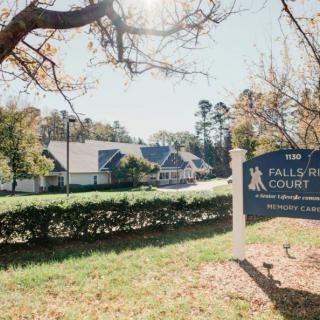


 How and When Medicaid May Cover Assisted Living Costs
 A Detailed Exploration of Assisted Living Medicaid Waivers Across the United States
 Comprehensive Residential Support and Assisted Living Solutions for Individuals with Disabilities