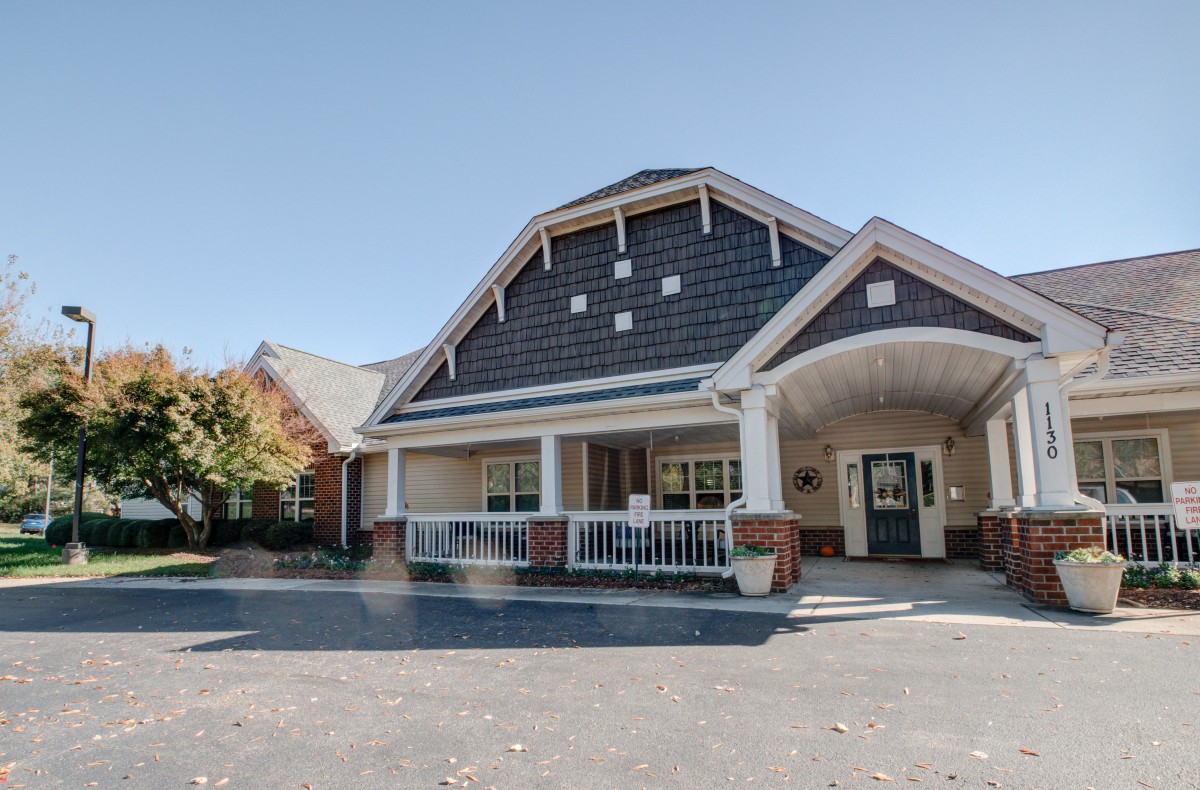
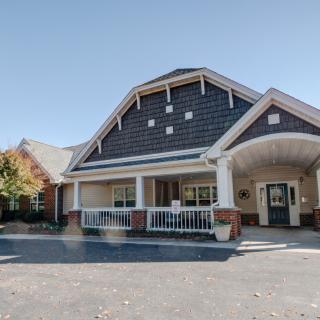
1130 Falls River Avenue, Raleigh, NC 27614
For more information about senior living options: (866) 208-4318
Falls River Court Costs & Pricing
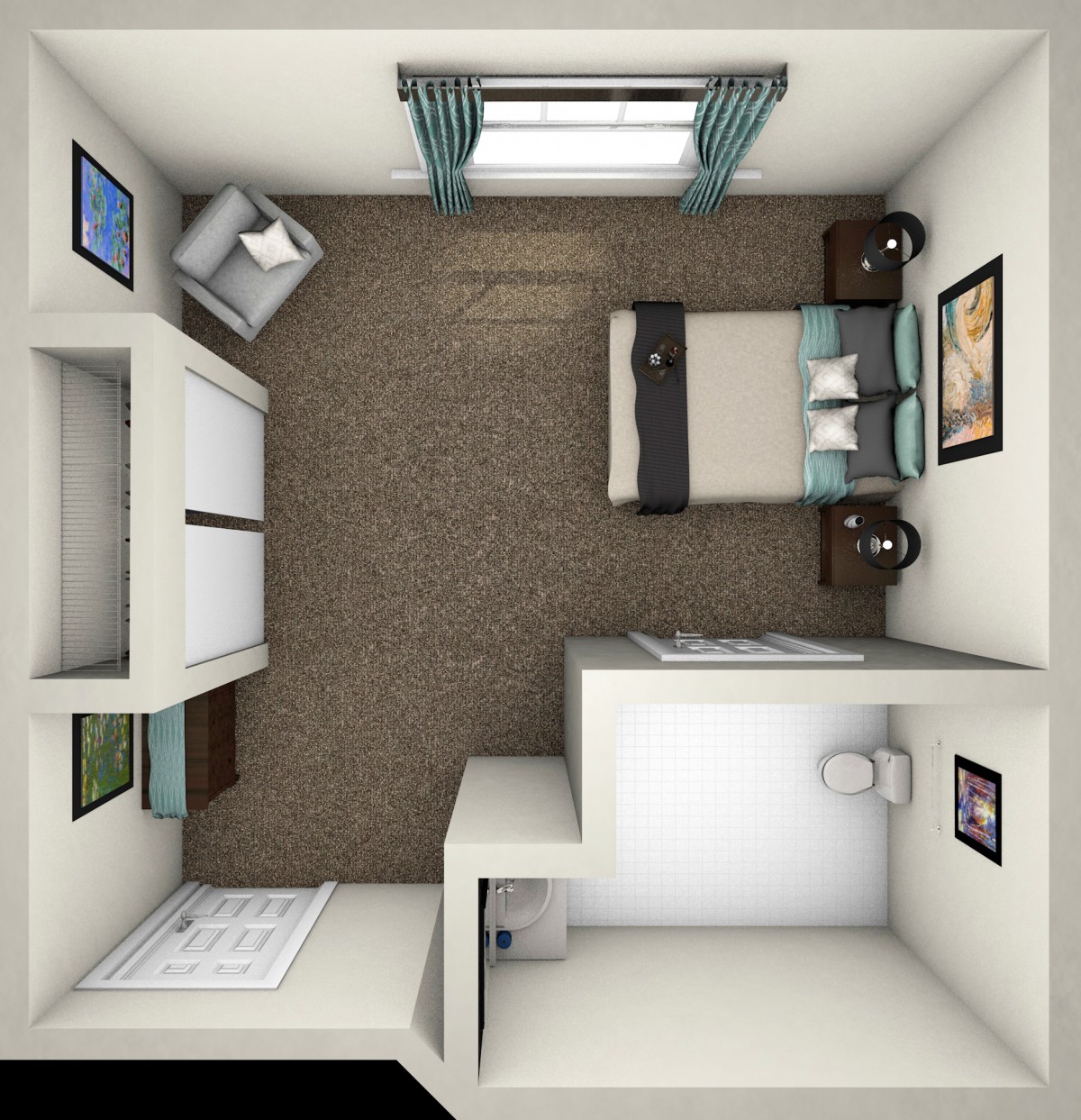
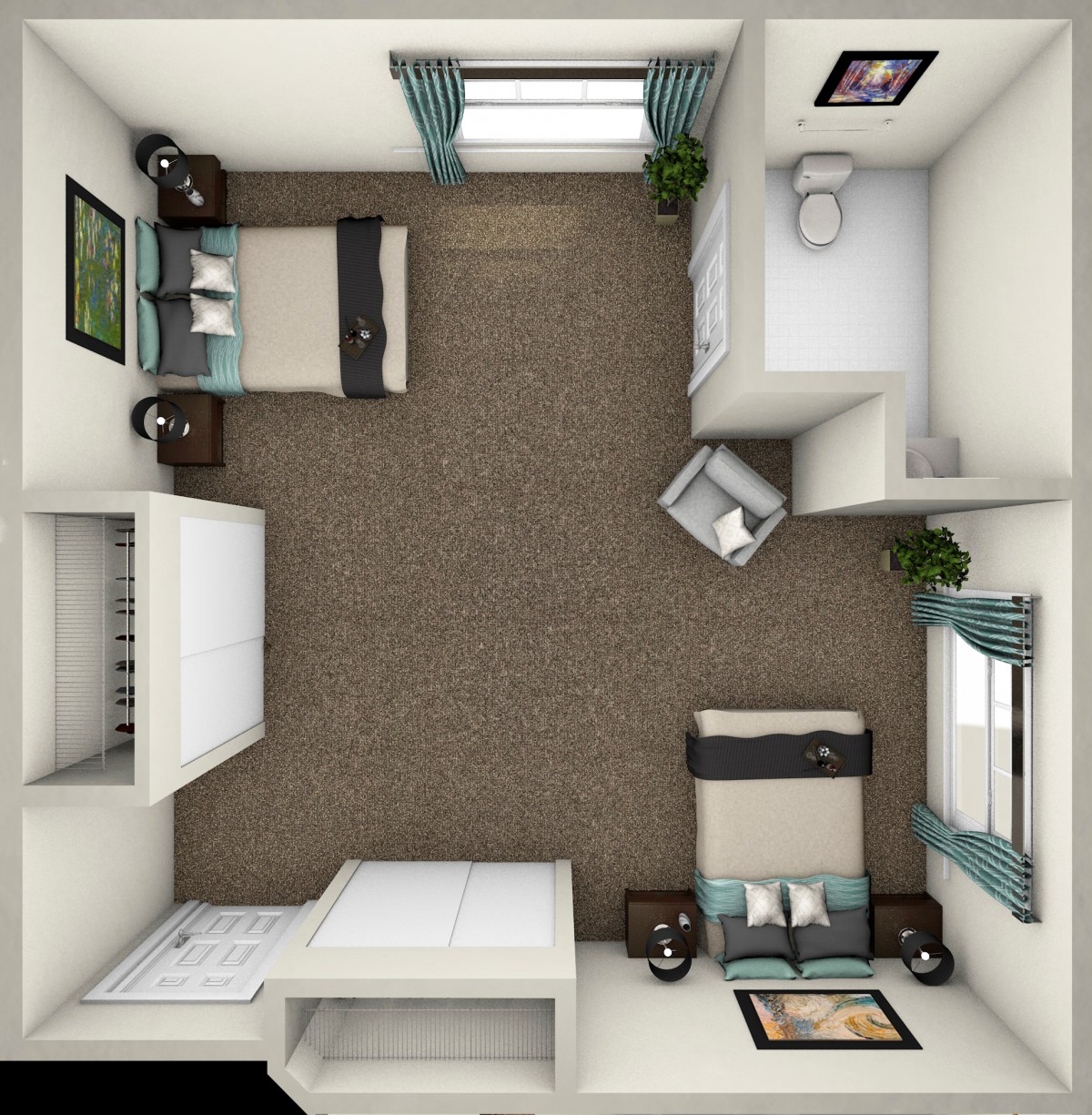
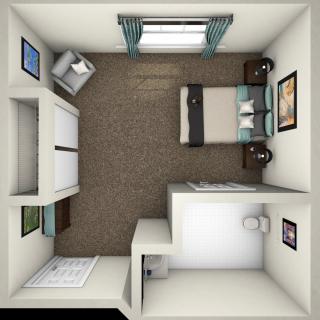
Falls River Court offers competitive pricing for assisted living accommodations, with monthly costs reflecting the quality of care and amenities provided. For a semi-private room, residents can expect to pay $5,780, which is significantly higher than the average in Wake County at $4,391 and the statewide rate of $3,584 for North Carolina. Similarly, a studio apartment at Falls River Court costs $6,390, surpassing both Wake County's average of $4,757 and the state average of $4,020. While Falls River Court's prices are elevated compared to local and state averages, they are indicative of the premium services and environment designed to enhance residents' well-being and comfort.
| Floor plans | Falls River Court | Wake County | North Carolina |
|---|---|---|---|
| Semi-Private | $5,780 | $4,391 | $3,584 |
| Studio | $6,390 | $4,757 | $4,020 |
Memory care communities with a similar price nearby
-
from -$280 / mo
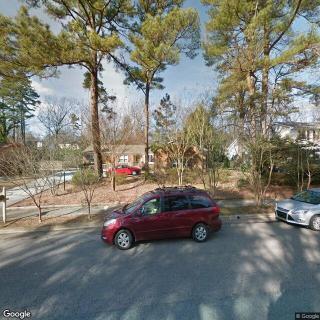
Bright Horizon Senior Care
$5,500 to $6,500 / month3.4 miles away -
from +$720 / mo
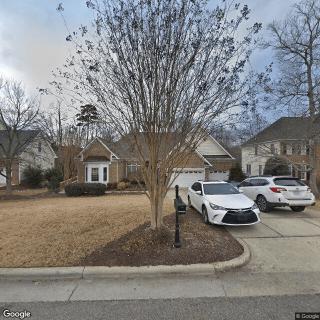
Kelley's Family Care Home
$6,500 / month1.4 miles away -
from -$1040 / mo
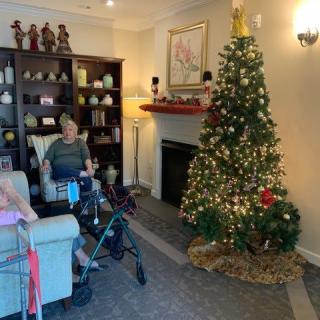
Cadence Garner
$4,740 to $7,100 / month15.7 miles away -
from -$885 / mo
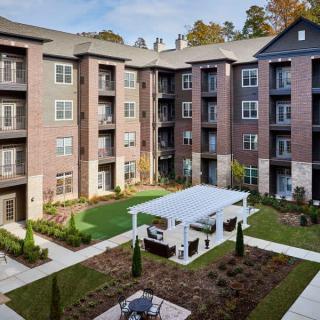
Waltonwood Lake Boone
$4,895 to $5,695 / month8.5 miles away -
from +$470 / mo
Brookdale MacArthur Park
$6,250 to $8,395 / month16.7 miles away
Overall Review of Falls River Court
Pros
 Falls River Court is described as the best fit for a resident’s mom, with attentive and kind staff and engaging activities.
- The facility is very clean and well maintained.
- The staff are super friendly and make loved ones feel welcomed.
- There are plenty of activities and amenities to keep residents active and engaged, with meals that residents love.
- The care team is amazing and genuinely cares about the residents, going above and beyond.
- The location is close to family and focused on residents’ well-being.
- Families report that staff treat them like family and communicate well.
- Falls River Court stands out in its marketing and is recommended by families.
- Many families would absolutely recommend Falls River Court to others.
Cons
 The facility experienced staff turnover and reports of injuries, and laundry did not separate clothes.
- The director was not the appropriate person in charge, showing no compassion, with little interaction among residents.
- The move-in process was only okay, and moving items with no help was difficult.
- Short staffing led to insufficient on-floor support.
- There were concerns about staff compensation, with calls for higher pay.
- Communication with families was poor, including a lack of in-person responsiveness, and some reviewers would not recommend Falls River Court.
- An incident where a resident was allegedly pushed by another resident led to death, with claims of misrepresentation and refund denial.
- The physical space did not feel like the right fit for some families.
Review
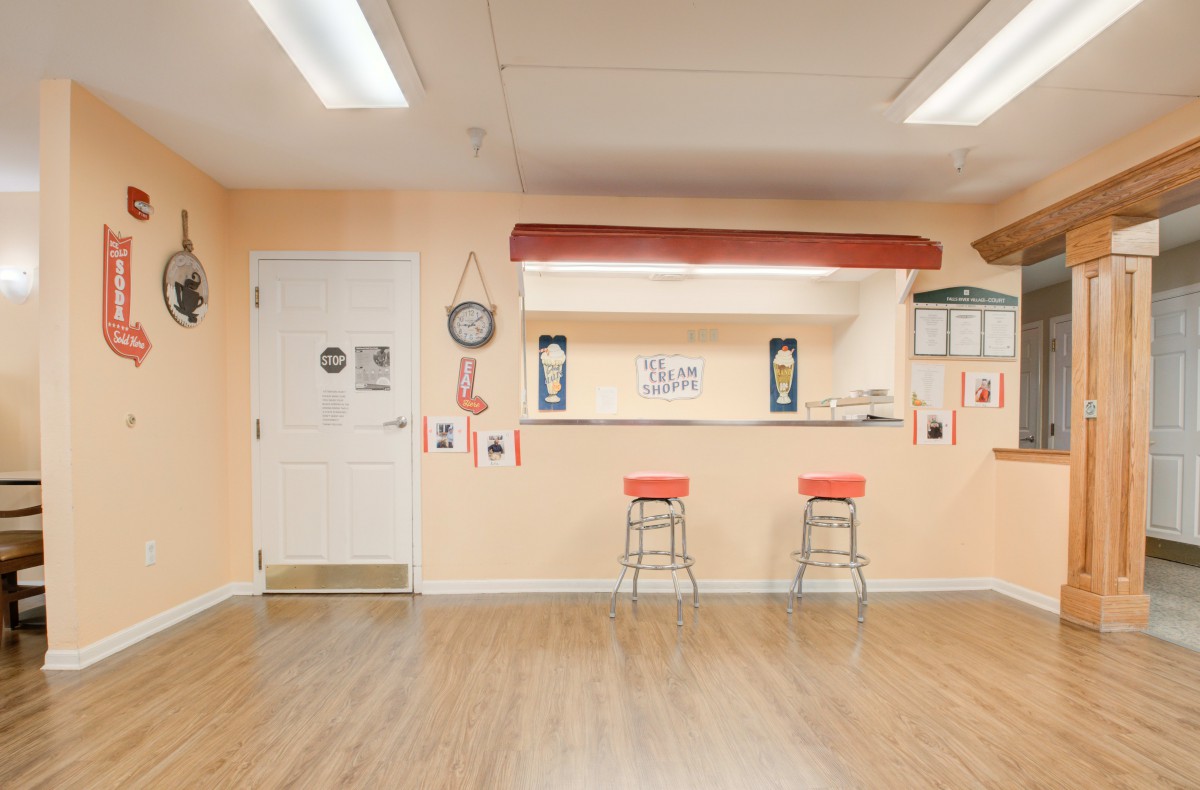
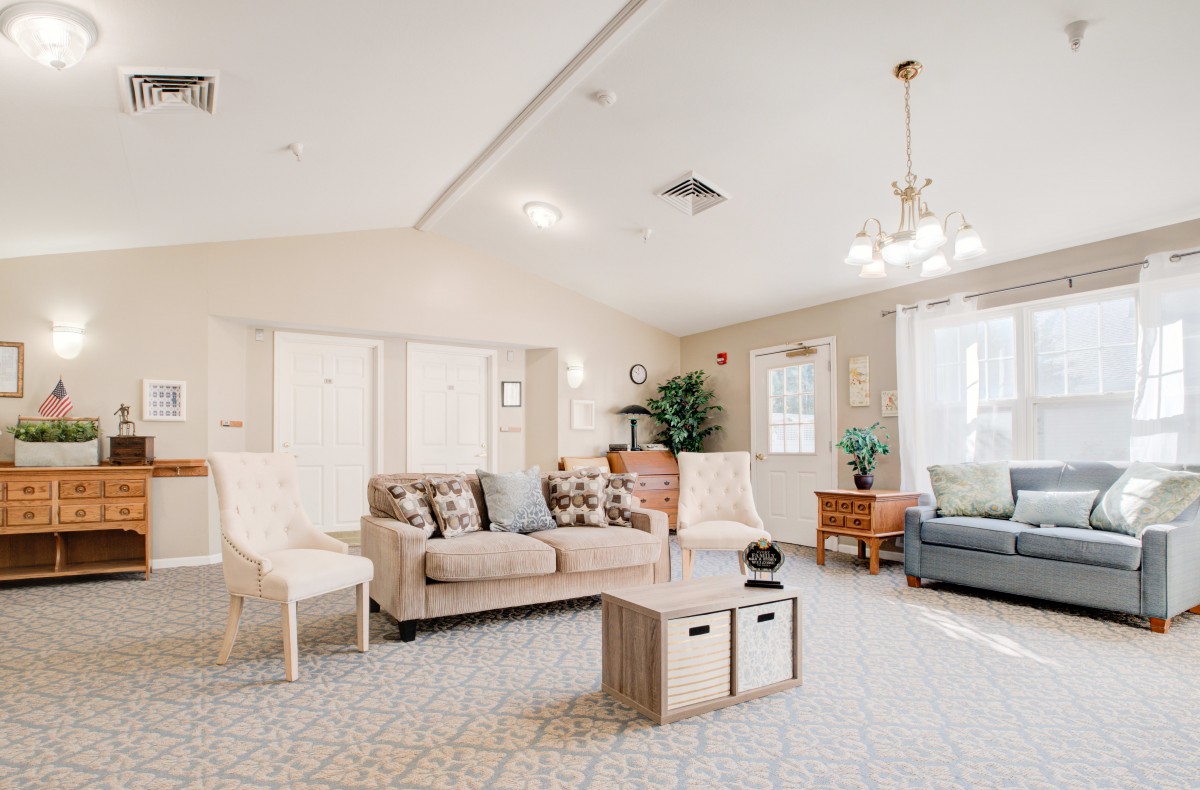
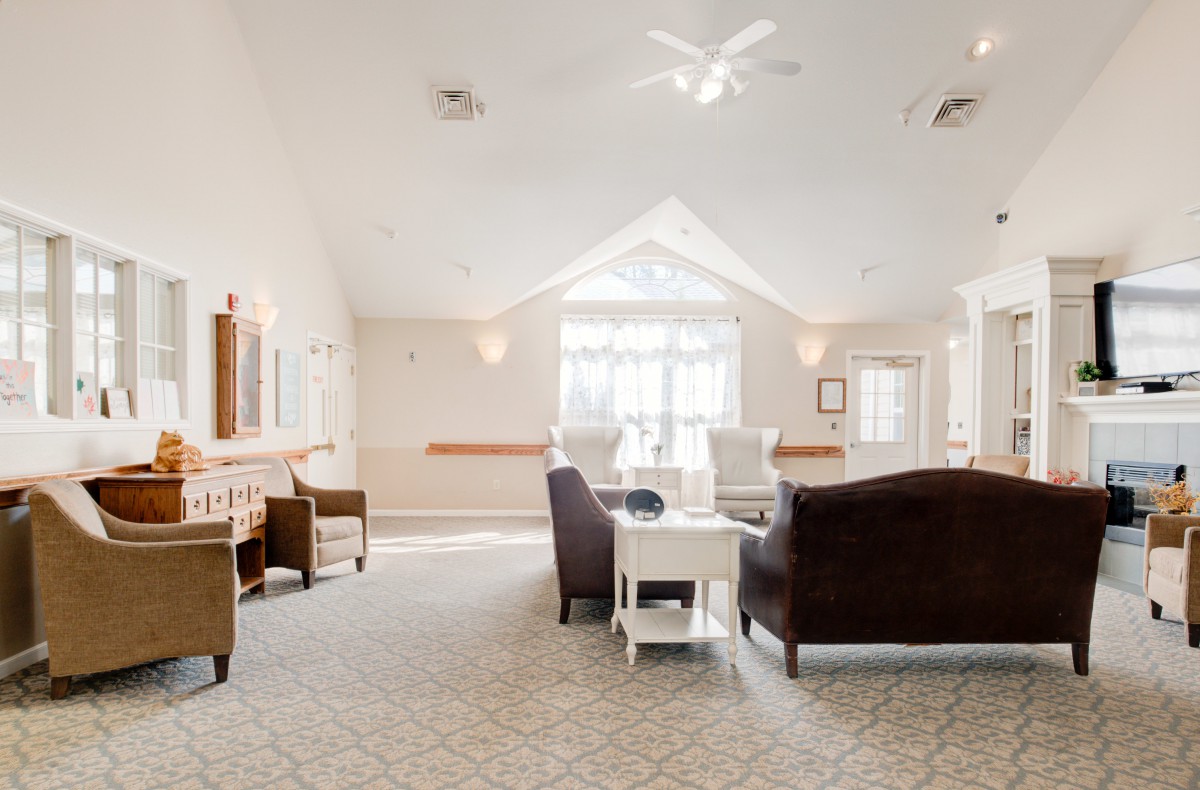
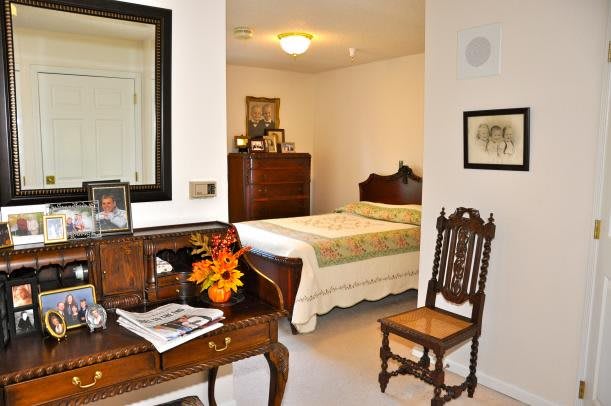
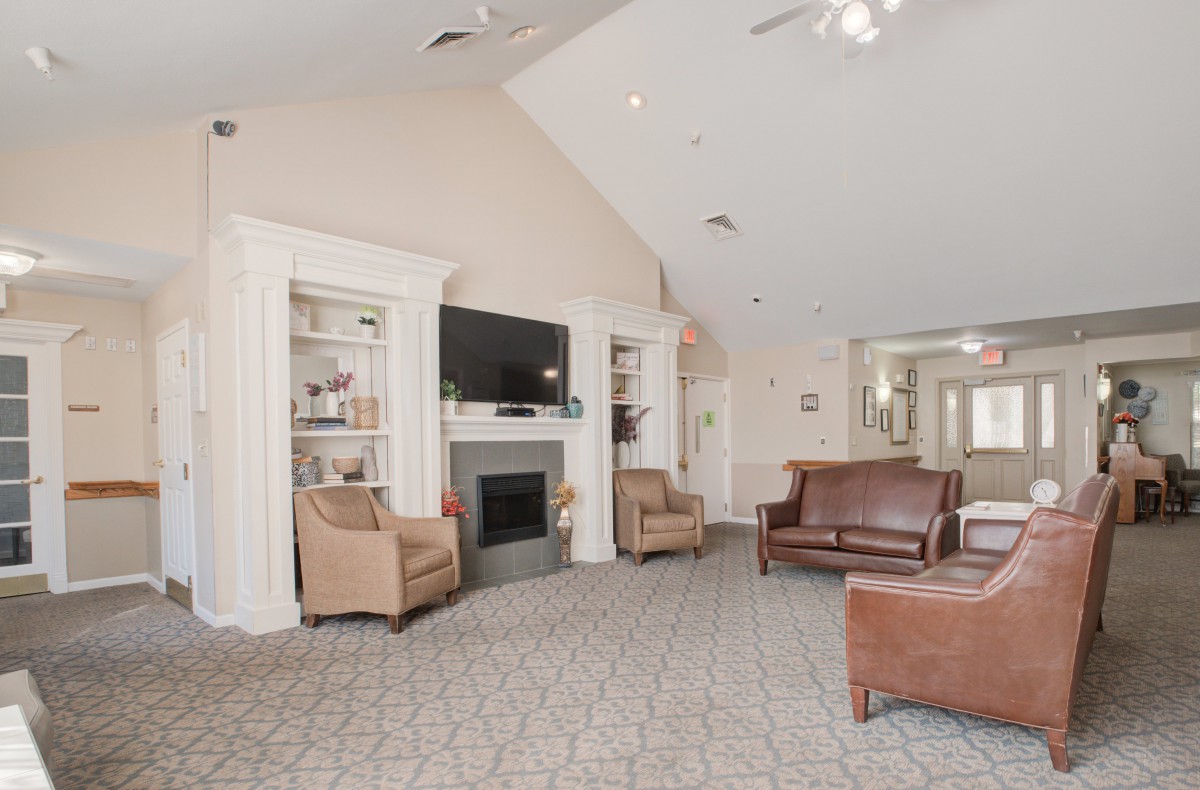
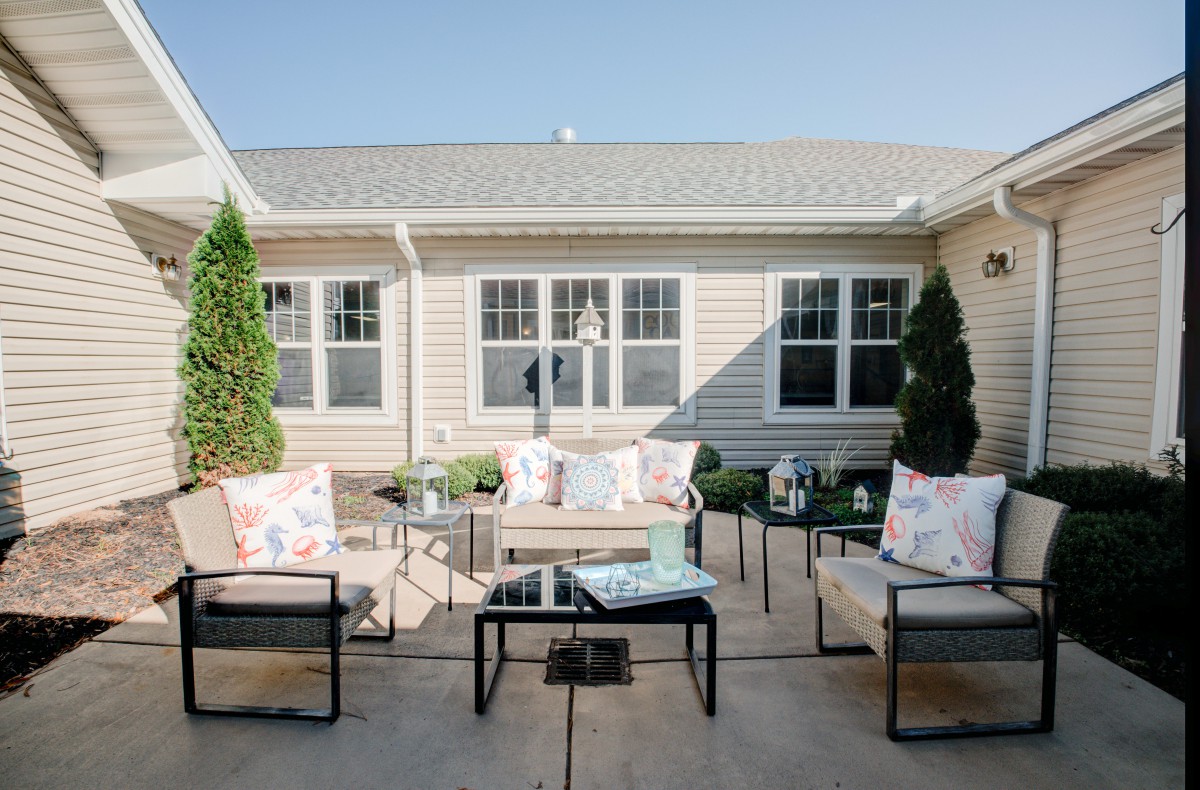
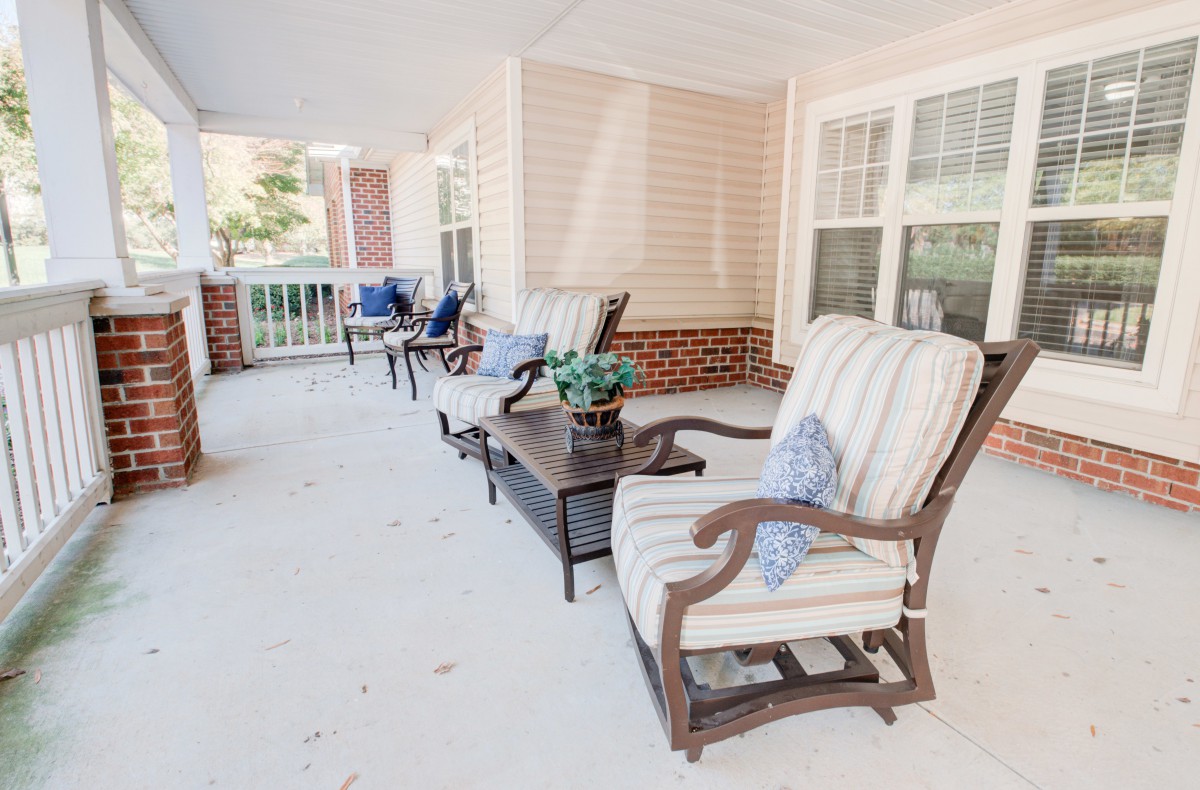
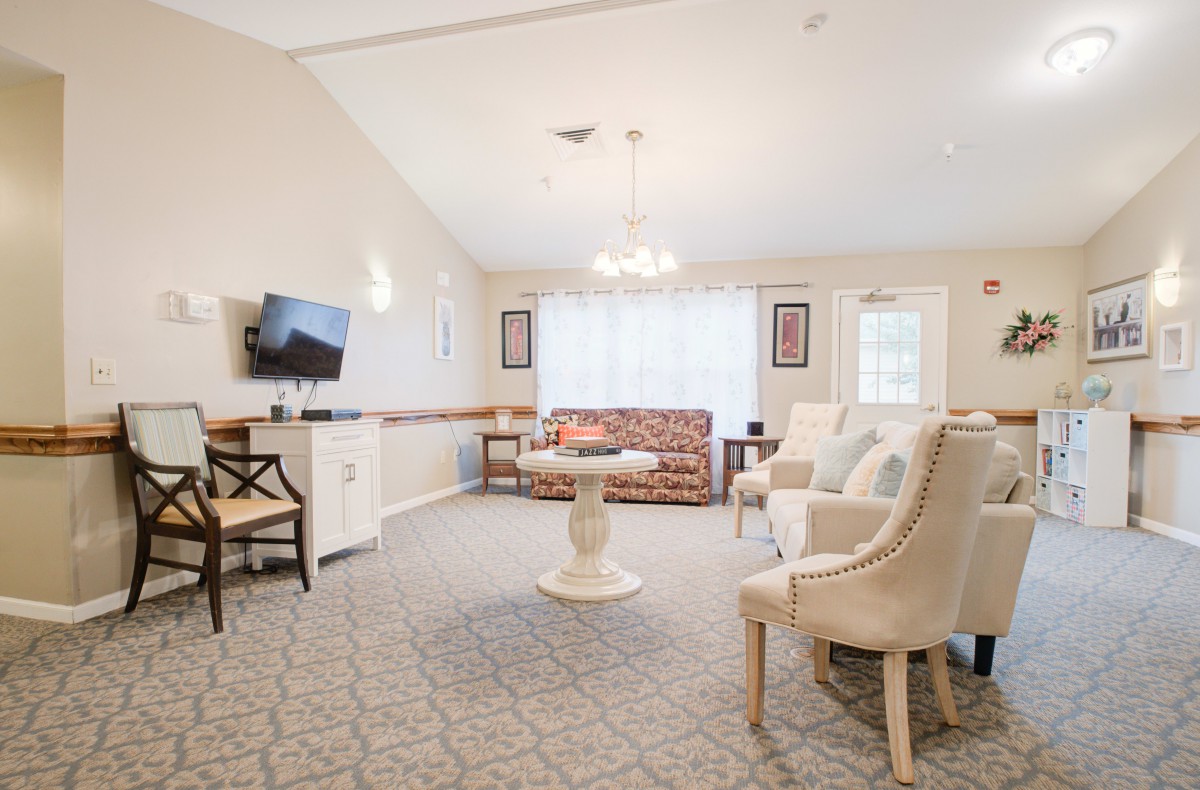
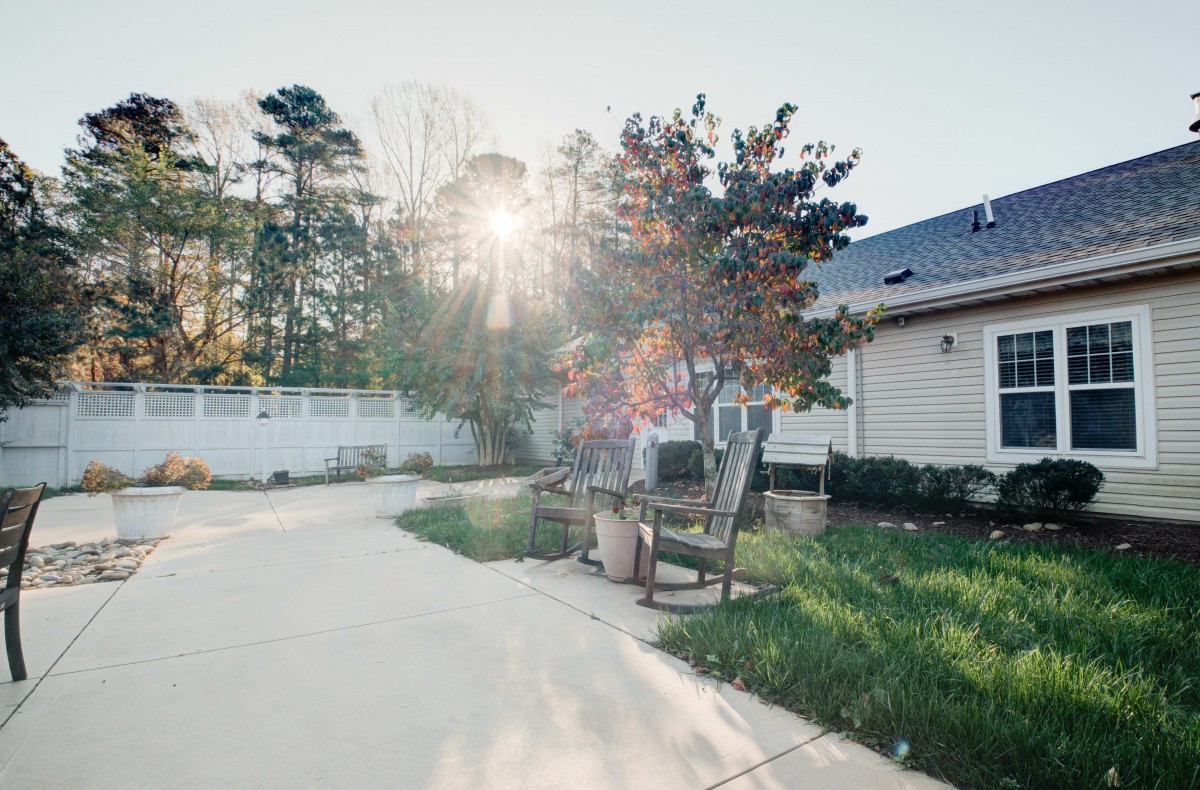
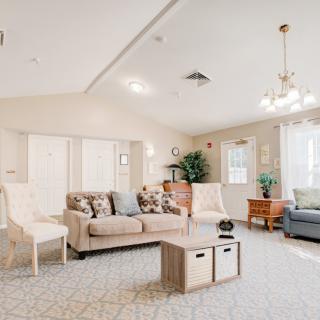
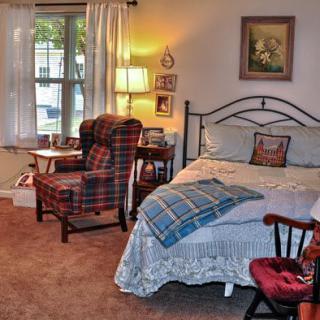
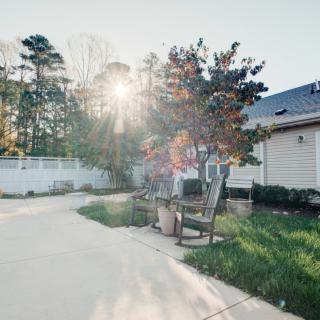
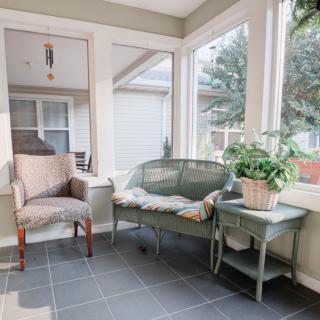
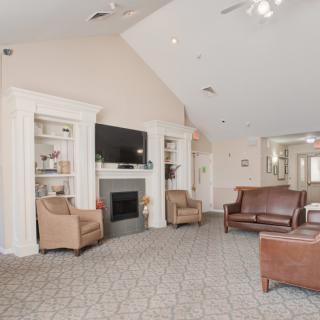
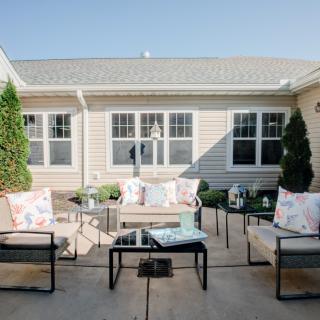
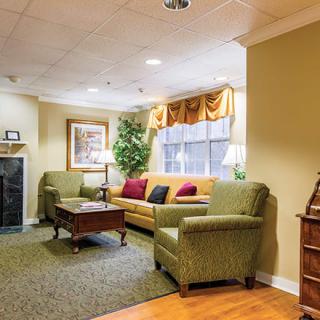
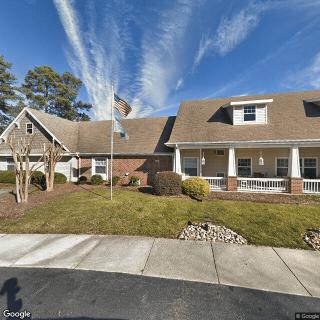
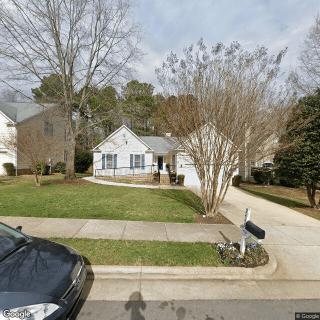
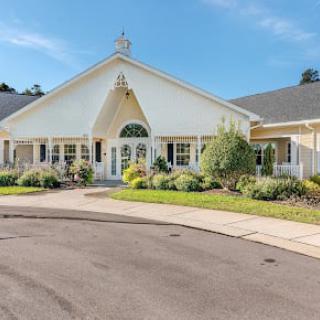
Falls River Court in Raleigh is best suited for families prioritizing a memory-care–leaning, close-knit environment where a loved one is high to mid-functioning cognitively and benefits from a steady, hands-on caregiving team. The community delivers a warm, home-like feel with long-tenured staff, thorough daily activities, and clean, well-kept facilities. The one-floor layout and inner courtyard support orienting residents and encouraging safe movement, which is appealing to families seeking proximity and ease of supervision. This is a practical pick for households watching cost without sacrificing essential care. However, it’s not a universal solution: those needing aggressive risk management, flawless executive oversight, or consistently impeccable family communications should consider alternatives that promise fewer leadership gaps and more rigid governance.
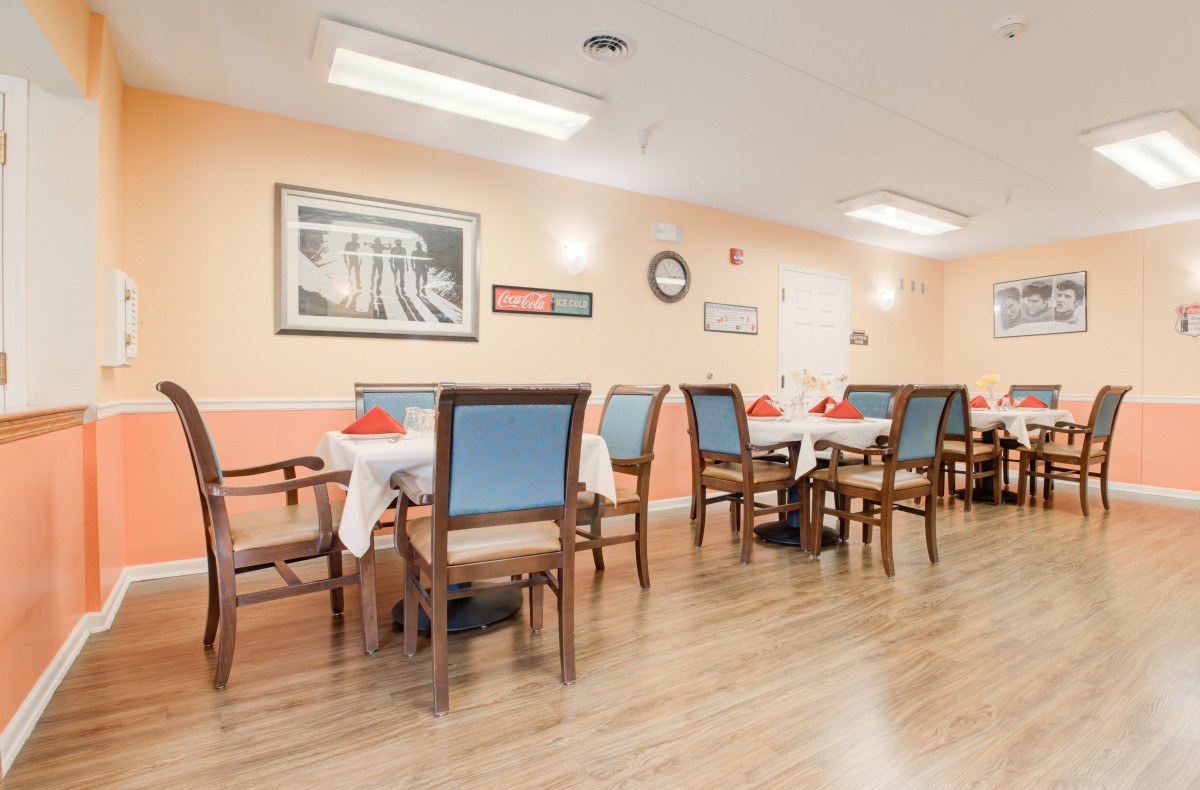
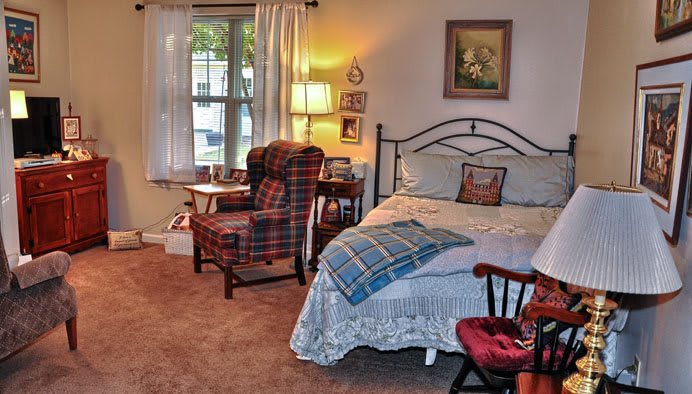
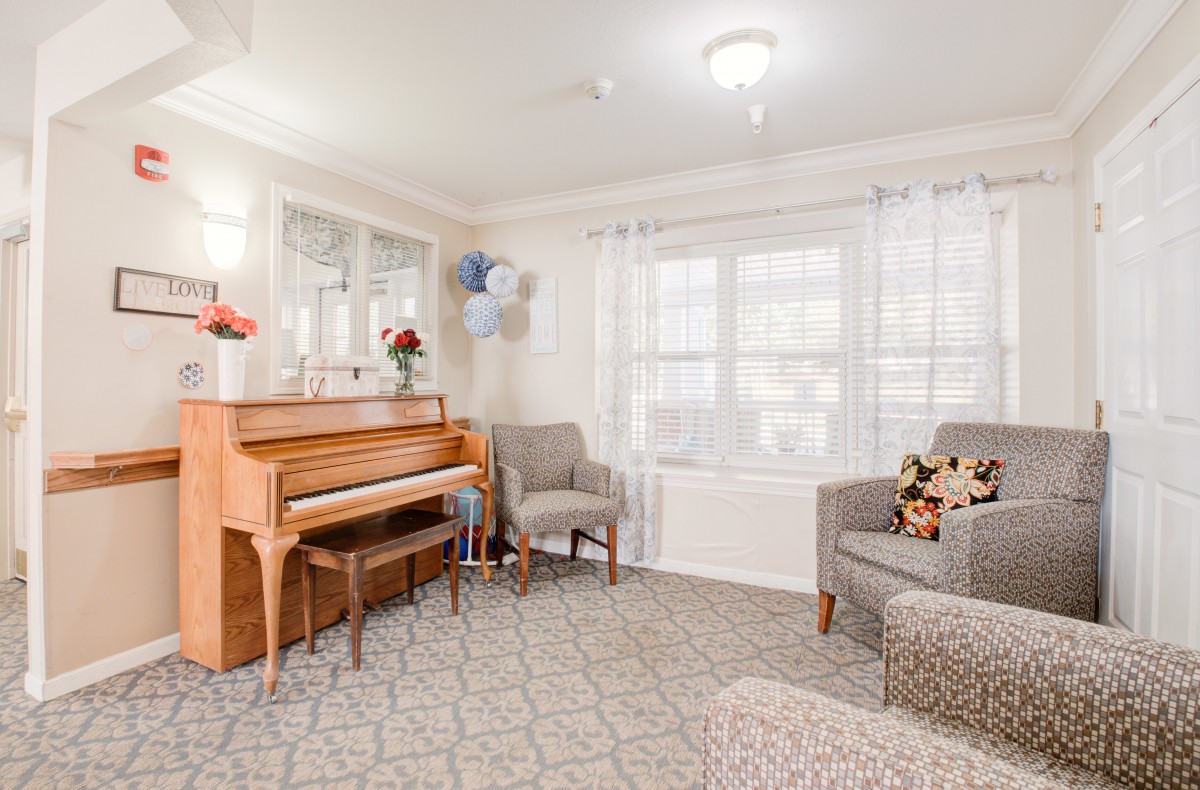
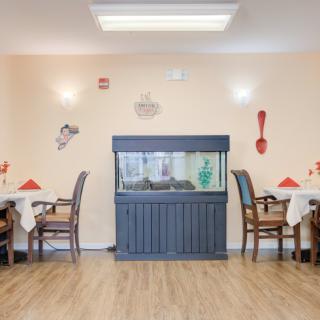
The strongest positives center on staff dedication and resident engagement. Families repeatedly note attentive caregivers who know residents by name, a responsive atmosphere, and high-quality meals that residents genuinely enjoy. Clean rooms and a consistently pleasant atmosphere reinforce a sense of security, while plentiful activities keep residents engaged and nurtured. The staff’s ability to make families feel welcomed and supported is a recurring strength, and many reviews highlight the ability to move a loved one in with relative ease and care. For families who value personal warmth, continuity on the floor, and a culture of going above and beyond within a reasonable budget, Falls River Court earns credibility through its day-to-day warmth and proactive care.
At the same time, meaningful caveats temper the overall impression. Several reviews flag staff turnover and leadership challenges that ripple into day-to-day operations, occasionally impeding seamless communication with families. Some incidents involve injuries or safety concerns, and a few families report frustration with how incidents are handled or communicated, including disputes over refunds or follow-up. Critics point to inconsistencies in on-the-floor experience, with a sense that some shifts run smoothly while others feel understaffed or less attentive. In a few cases, reviewers describe a disconnect between frontline caregivers and administrative leadership, which can undermine confidence during important care transitions or emergent needs.
Given these tensions, families should explicitly assess whether Falls River Court aligns with a memory-care-focused expectation of governance and transparency. Alternatives may be worth exploring if a loved one requires highly consistent leadership, aggressive risk-management protocols, or a culture of always-on family communication. Prospective residents who place a premium on uninterrupted executive oversight, rapid escalation pathways, and documented incident resolution may prefer communities with a more centralized leadership presence or stronger corporate-backed guarantees. Potential residents should also consider whether they are comfortable navigating occasional staff turnover and relatively variable experiences across shifts.
A practical decision framework helps separate fit from risk. Request a detailed breakdown of the current caregiver-to-resident ratio by shift, and verify whether turnover trends are improving or stabilizing. Ask for a tour focused on safety protocols, incident-reporting practices, and how care plans are communicated to families, both daily and after changes in condition. Meet the administrator and the head nurse to gauge responsiveness and willingness to collaborate with families. Review the activity calendar and dining program to confirm ongoing engagement aligned with the loved one’s preferences. Finally, compare total costs against expected value, factoring in potential need for ancillary services or emergency contingencies, to ensure the budget aligns with long-term expectations.
In the end, Falls River Court offers a practical, compassionate option for families where memory-care needs, an approachable layout, and a strong day-to-day caregiving culture are paramount. The facility delivers reliable cleanliness, engaging programming, and a staff that many families come to trust deeply. Yet the landscape is not without risk: leadership consistency and transparent, proactive family communication can tilt the decision one way or the other. For those who can navigate and manage those governance nuances, this community represents a solid, cost-conscious choice. For families seeking near-perfect governance and unambiguous incident handling, exploring a few additional options is strongly advised.
 22 resident community capacity
 Memory Care
 Activities off-site
 Bath tubs
 Beautician on-site
 Cable or satellite TV
 Devotional services off-site
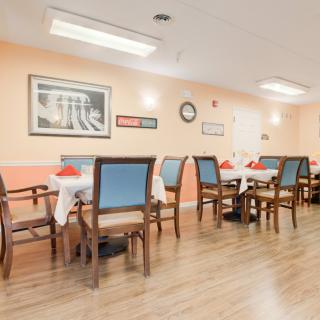
 Dining room
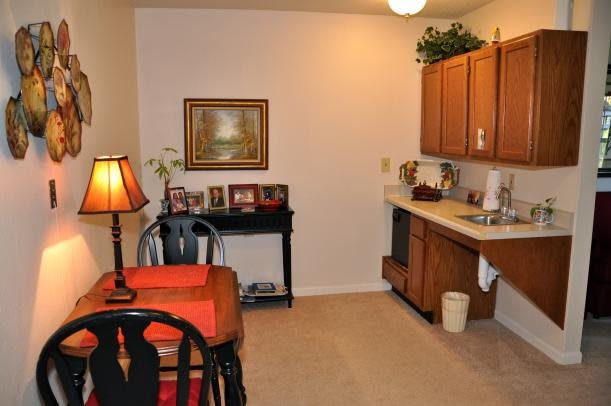
 Fully furnished
 Garden
 Housekeeping services
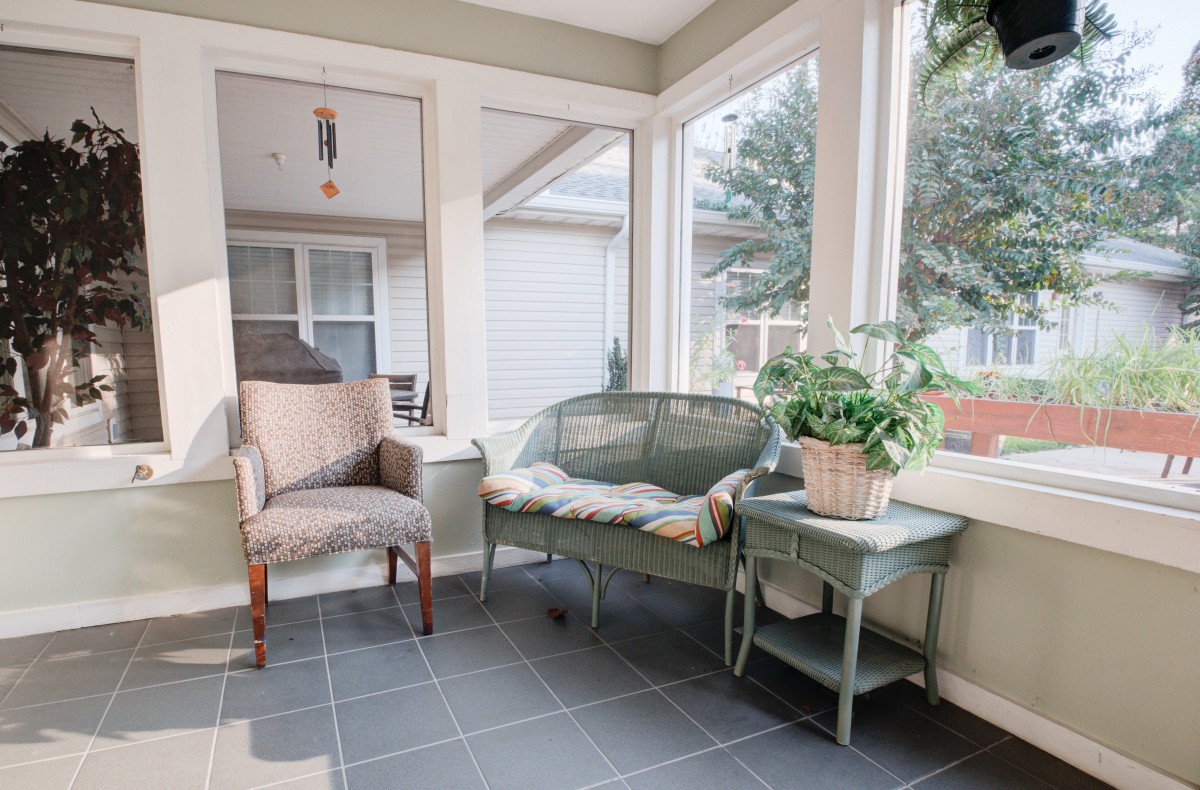
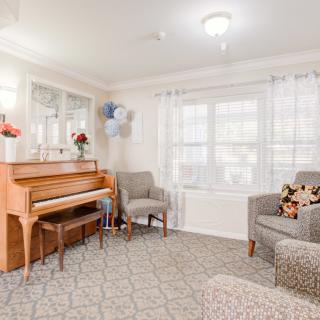
 Indoor common areas
 Kitchenette
 Move-in coordination
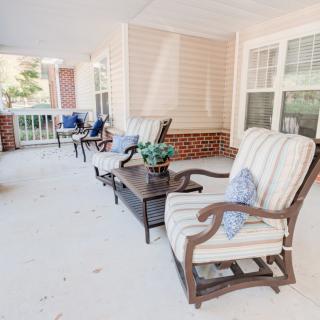
 Outdoor common areas
 Respite or short term stays offered
 Restaurant-style dining
 Small library
 Telephone
 Wheelchair accessible showers
 Wi-Fi/high-speed internet available
 Raleigh-Durham International (11 miles away)
 Transportation arrangement (non-medical)
 12-16 hour nursing
 24-hour call system
 Ambulatory care
 Assistance with bathing
 Assistance with dressing
 Assistance with transfers
 Diabetes diet
 Diabetic care
 Hospice waiver
 Incontinence care
 Medication management
 Mental wellness program
 Special dietary restrictions
 Transportation arrangement (medical)
 Cooking classes
 Day trips and outings
 Educational speakers / life long learning
 Live dance or theater performances
 Live musical performances
 Live well programs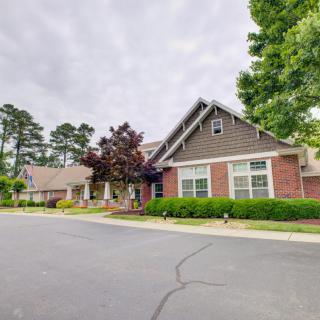


 When Dementia Sparks Anger and Aggression: Understanding the Connection and Ways to Cope
 Dementia Behaviors: In-Depth Understanding and Effective Coping Strategies
 5 Early Indicators of Dementia and What You Can Do