
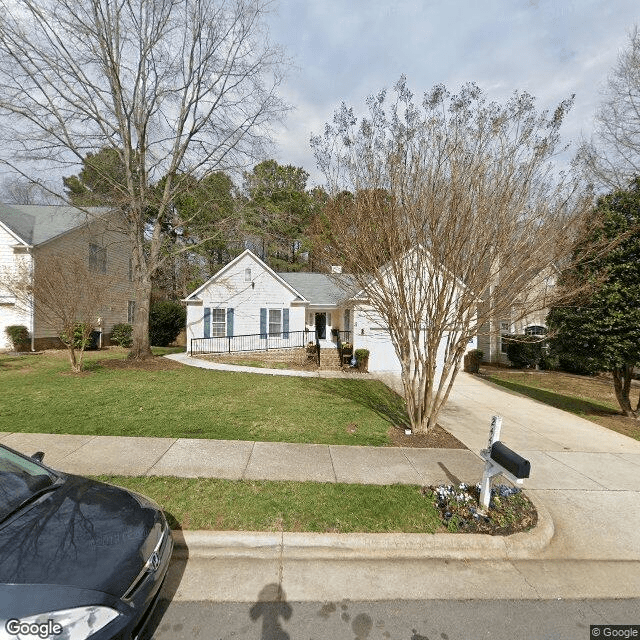
2445 Deanwood Drive, Raleigh, NC 27615
For more information about senior living options: (866) 208-4318
Gracie Sturdivant @ North Raleigh Costs & Pricing
Gracie Sturdivant @ North Raleigh offers competitive pricing for its accommodations, with monthly costs that reflect the quality of care and services provided. For a semi-private room, the cost is $6,500, which is significantly higher than both the average for Wake County at $4,391 and the overall state average of $3,584. Similarly, the private room rate at Gracie Sturdivant stands at $6,800, surpassing Wake County's average of $4,658 and North Carolina's average of $4,425. These figures highlight how Gracie Sturdivant positions itself as a premium option within the local market while emphasizing its commitment to high standards in resident care and community engagement.
| Floor plans | Gracie Sturdivant @ North Raleigh | Wake County | North Carolina |
|---|---|---|---|
| Semi-Private | $6,500 | $4,391 | $3,584 |
| Private | $6,800 | $4,658 | $4,425 |
Assisted Living communities with a similar price nearby
-
from +$500 / mo
Lynn's Home at Riverside
$7,000 / month3.0 miles away -
from +$500 / mo
Renaissance Care Home at Neuse River Estates
$7,000 to $7,500 / month5.7 miles away -
from -$1255 / mo
Abbotswood at Stonehenge
$5,245 / month4.7 miles away -
About the same
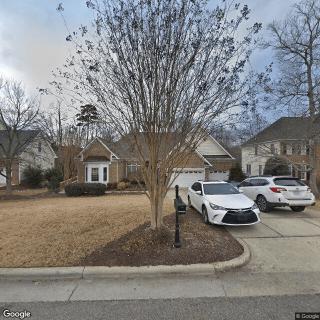
Kelley's Family Care Home
$6,500 / month2.1 miles away -
from -$250 / mo
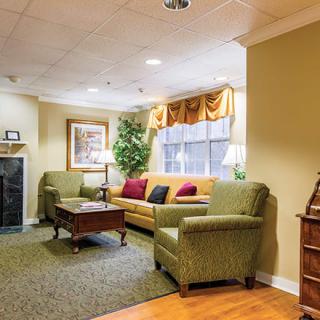
Brookdale MacArthur Park
$6,250 to $8,395 / month16.0 miles away
Overall Review of Gracie Sturdivant @ North Raleigh
Pros
 Shauna and her staff are top tier.
- They deliver superb quality.
- All of Shauna's residents are a joy to be around.
- Serenity Falls provides professional, patient, and encouraging care.
- The care team is endlessly patient and highly responsive.
- Grace Care Home is very clean, feels like a real home, and serves excellent meals.
- The rooms are sizeable and residents participate in varied activities, including shopping trips.
Review
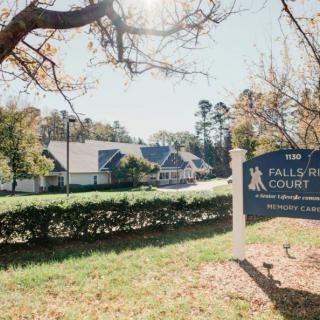
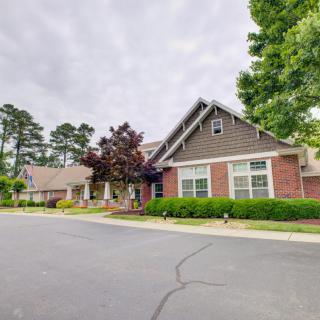
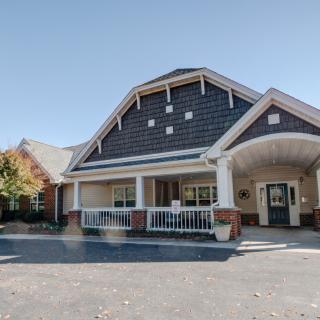
Gracie Sturdivant at North Raleigh is best suited for seniors who crave a warm, home-like atmosphere where care feels personal and highly attentive. This community shines for residents who thrive on routine, meaningful daily activities, and meals prepared in a kitchen that feels familiar and comforting. The staff approach is patient, friendly, and consistently responsive, which makes it an ideal setting for seniors who may need gentle supervision and reassurance. Families seeking clear communication and visible, hands-on involvement from caregivers will find the environment reassuring, with staff that treat residents like familiar members of a household rather than anonymous clients.
Those weighing alternatives should consider whether a larger, more clinical campus or a facility with formal memory-care programming better matches their loved one’s needs. If the priority is comprehensive 24/7 medical oversight, advanced nursing services, or a highly structured, hospital-like setting, a bigger assisted living community or skilled-nursing environment may be a more fitting choice. Similarly, residents requiring extensive rehabilitation services, highly specialized dementia programming, or expansive on-site therapy options might find a larger operation more accommodating. In short, when medical intensity and procedural variety become primary requirements, look beyond this intimate home setting.
The strongest pros here are the human-centered qualities and the lived-in, home-like feel. The care team’s professionalism and patience translate into consistently calm days for residents, with staff who are quick to respond to needs and communicate clearly with families. The home-cooked meals and varied daily activities add texture to life, helping residents stay engaged and connected to familiar routines. Cleanliness and a genuine sense of order reinforce safety, while sizeable rooms and options for shopping or outings help maintain dignity and independence. A dependable generator and reliable utilities add a practical layer of reassurance for families prioritizing continuity of life in emergencies.
Where the setting naturally leans toward advantages, it also imposes a few practical limits. The intimate, home-based model means medical resources aren’t as expansive as in larger campuses, and the emphasis is on consistent, compassionate daily care rather than on-site specialty services. This is not a facility built around hospital-level oversight or a wide spectrum of therapy programs, so families should temper expectations for rapid access to intensive clinical interventions or highly specialized dementia care within the same building. For residents who require high volumes of medical attention or high-frequency skilled services, this can be a meaningful trade-off.
From a decision-clarifying perspective, prospective families should visit with a purposeful checklist. Observe caregiver interactions over a full day to gauge consistency, warmth, and responsiveness. Inquire about staff-to-resident ratios, especially during peak hours, and ask how memory-related behaviors are managed in practice. Taste and variety of meals matter; confirm that dietary preferences are accommodated and meals feel homelike. Review safety features, such as floor plans that minimize falls, and confirm transportation options for shopping trips or activities outside the home. Finally, verify how families stay connected, regular updates, scheduled calls, and opportunities for involvement, to ensure ongoing alignment with expectations.
In the end, this community represents a compelling choice for families prioritizing a genuine, home-centered experience where residents are known by name and care feels collaborative. It excels for seniors who value peace of mind, relational warmth, and steady daily life over clinical intensity or large-scale programming. Those seeking a more formalized memory-care framework, heavier medical oversight, or a broader range of on-site therapies should explore alternatives that deliver a more anchored medical infrastructure. For the right resident, Gracie Sturdivant at North Raleigh delivers proven comfort, connection, and continuity that can make a meaningful difference in everyday quality of life.
 6 resident community capacity
 Assisted Living
 Board and Care Home
 Cable or satellite TV
 Dining room
 Fully furnished
 Garden
 Housekeeping services
 Indoor common areas
 Move-in coordination
 Outdoor common areas
 Private
 Respite or short term stays offered
 Telephone
 Wi-Fi/high-speed internet available
 Raleigh-Durham International (11 miles away)
 Transportation & parking
 24-hour supervision
 Activities of daily living assistance
 Assistance with bathing
 Assistance with dressing
 Assistance with transfers
 Diabetes diet
 Diabetic care
 Incontinence care
 Meal preparation and service
 Medication management
 Special dietary restrictions
 Transportation arrangement (medical)
 Choosing the Right Senior Care: A Detailed Exploration of Assisted Living and Nursing Homes
 Understanding the True Cost of Assisted Living in 2025: A Comprehensive Guide
 Understanding Medicaid Coverage for Assisted Living: A Comprehensive Guide