For more information about senior living options: (866) 208-4318
3.5 from 59 reviews
5 stars
29
4 stars
9
3 stars
2
2 stars
0
1 stars
19
Overall Review of Litchford Falls Healthcare
common
Staff compassion is often highlighted
Many reviewers describe nurses, aides, and therapy staff as kind and genuinely supportive.
Across multiple reviews, residents and families point to staff interactions that feel caring, respectful, and attentive—especially during rehab and daily care. Several reviewers say the team treated them “like family” and helped with hands-on needs such as bathing, assistance, and communication with families. Even among more critical reviews, some people still single out certain therapy staff as compassionate.
common
Therapy support and progress
Physical and occupational therapy are a frequent focus, with residents and families describing meaningful help.
Many reviews mention PT/OT as a standout part of the experience. Some families describe therapy pushing recovery and helping with mobility after surgery or falls, while others praise the understanding and professionalism of the therapy teams. A few critiques also acknowledge the therapy staff positively, even when other parts of the stay were disappointing.
caveat
Call-light delays and understaffing
Several reviews report long waits for help and inconsistent response to call lights.
A recurring negative theme is that help was not available quickly when residents needed assistance, including toileting and basic requests. Some reviewers describe being left in bed or waiting hours, and others mention staff seeming difficult to reach by phone. A few accounts also describe concerns about staffing levels on certain days and a lack of urgency when issues were raised.
caveat
Cleanliness concerns come up
Some reviewers describe rooms that were not clean and ongoing cleanliness issues.
While a number of reviews praise the facility as clean and well-kept, other reviewers report problems such as odors, dirty rooms, and pests. Several negative reviews also mention broken equipment, dirty bathrooms, or food-related concerns that add to an overall cleanliness complaint. Taken together, the experience appears inconsistent across stays.
caveat
Food quality is mixed
Dining receives both praise and complaints, with some meals described as cold or unappetizing.
Some reviewers say the food was good and that dietary needs were handled, including mentions of food being enjoyable. Other reviews describe meals as cold, mediocre, or lacking sufficient variety, and a few mention repeating items. Overall, dining satisfaction seems uneven from one reviewer to another.
common
Activities help residents feel included
Reviewers describe programs and events that help residents feel engaged and included.
Some reviews highlight activities and social moments, including holiday participation and resident-focused events. Families describe staff encouraging involvement when possible and coordinating engagement plans, even for residents who may be more limited. A few reviewers also describe entertainment and outings as part of what made the days feel less routine.
caveat2 reviews mention this
Vaccination concerns raise safety questions
Two reviewers raise concerns about unvaccinated caregivers and infection risk.
At least two reviews express strong concern about unvaccinated staff and what that could mean for residents’ safety. These reviewers also frame their comments as a warning for families choosing the facility. The concern is presented as a recurring problem rather than a one-time issue.
How we summarize
We summarize when many written reviews mention each theme; a review can touch several themes, and only frequently mentioned themes are displayed.
Features
Housing
90 resident community capacity
Types of Care
Skilled Nursing Facility
Amenities
Air-conditioning
Beauty salon
Cable or satellite TV
Computer center
Dining room
Fitness room
Fully furnished
Gaming room
Garden
Housekeeping services
Kitchenette
Move-in coordination
Outdoor space
Private bathrooms
Restaurant-style dining
Small library
Telephone
Wellness center
Wi-Fi/high-speed internet available
Transportation
Raleigh-Durham International (10 miles away)
Community operated transportation
Transportation arrangement
Transportation arrangement (non-medical)
Transportation to doctors appointments
Care Services
12-16 hour nursing
24-hour call system
24-hour supervision
Activities of daily living assistance
Assistance with bathing
Assistance with dressing
Assistance with transfers
Diabetes diet
Meal preparation and service
Medication management
Mental wellness program
Special dietary restrictions
Dining
Diabetes diet
Special dietary restrictions
Activities
Community-sponsored activities
Concierge services
Fitness programs
Planned day trips
Resident-run activities
Scheduled daily activities
Nearby Places of Interest
Cafes
Starbucks (1 miles)
Panera Bread (1.8 miles)
Panera Bread (6.1 miles)
Starbucks (6.1 miles)
Starbucks (6.7 miles)
Starbucks (7.7 miles)
Back Alley Coffee Roasters (7.8 miles)
Parks
Durant Nature Park (1 miles)
Eastgate Park (3.7 miles)
Horseshoe Farm Park (3.8 miles)
Williams Park (3.8 miles)
Buffaloe Road Athletic Park (4.9 miles)
Marsh Creek Park (5.1 miles)
Brookhaven Nature Park (5.4 miles)
Restaurants
McDonald's (1.1 miles)
Bojangles' Famous Chicken 'n Biscuits (1.2 miles)
Nantucket Grill (1.4 miles)
Chick-Fil-A (1.6 miles)
Metro Diner (1.8 miles)
Chipotle Mexican Grill (1.9 miles)
McDonald's (1.9 miles)
Places of Worship
Gethsemane Lutheran Church (1.7 miles)
Beacon Baptist Church (5.9 miles)
St Catherine of Siena Catholic Church (7.3 miles)
Transportation
Enterprise Rent-A-Car (2.6 miles)
Physicians
Midtown Dermatology (2.9 miles)
Family Medical Associates of Raleigh (4.3 miles)
Wake Radiology Diagnostic Imaging (4.5 miles)
Capital Family Medicine: Richard J Forsyth (4.8 miles)
Orthopaedic Specialists of North Carolina Pa (5.2 miles)
Wake Specialty Physicians Women's Center (5.5 miles)
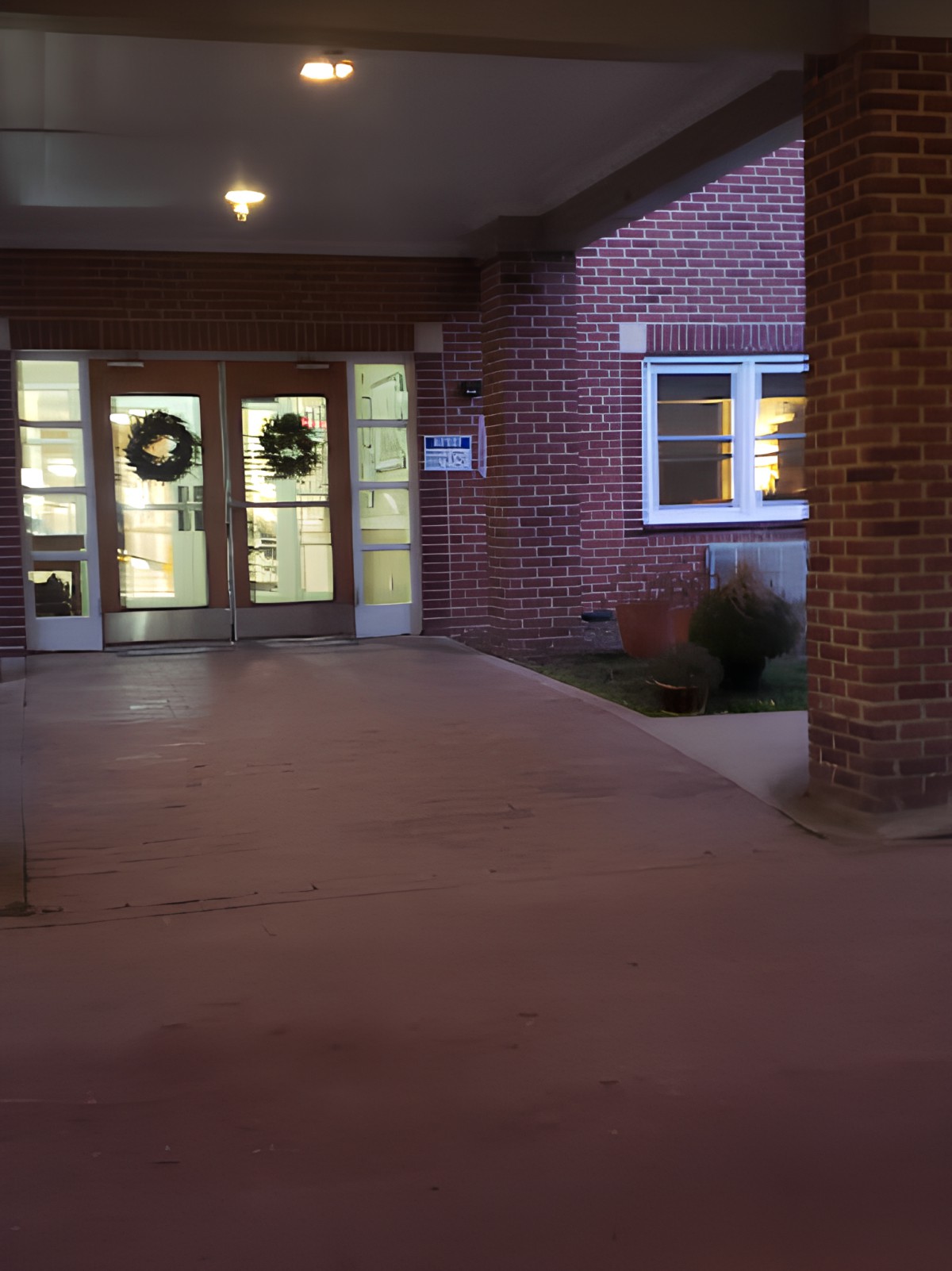
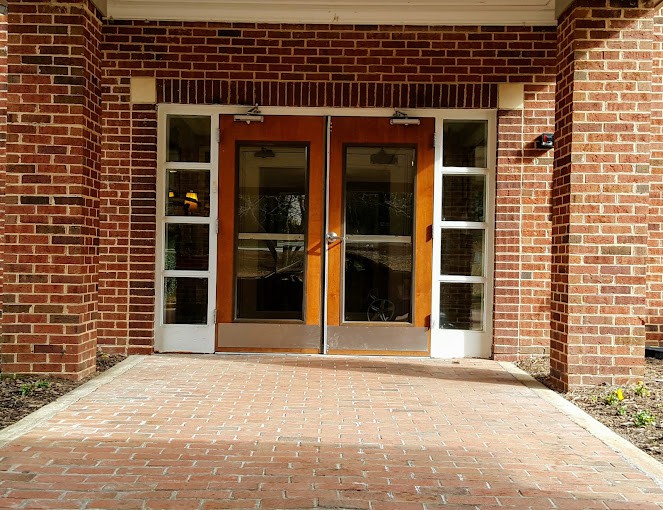
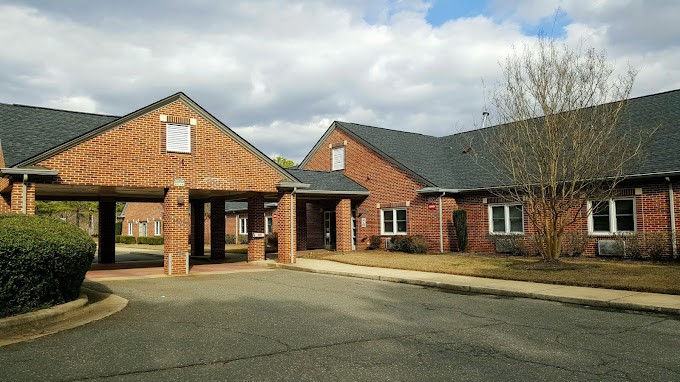
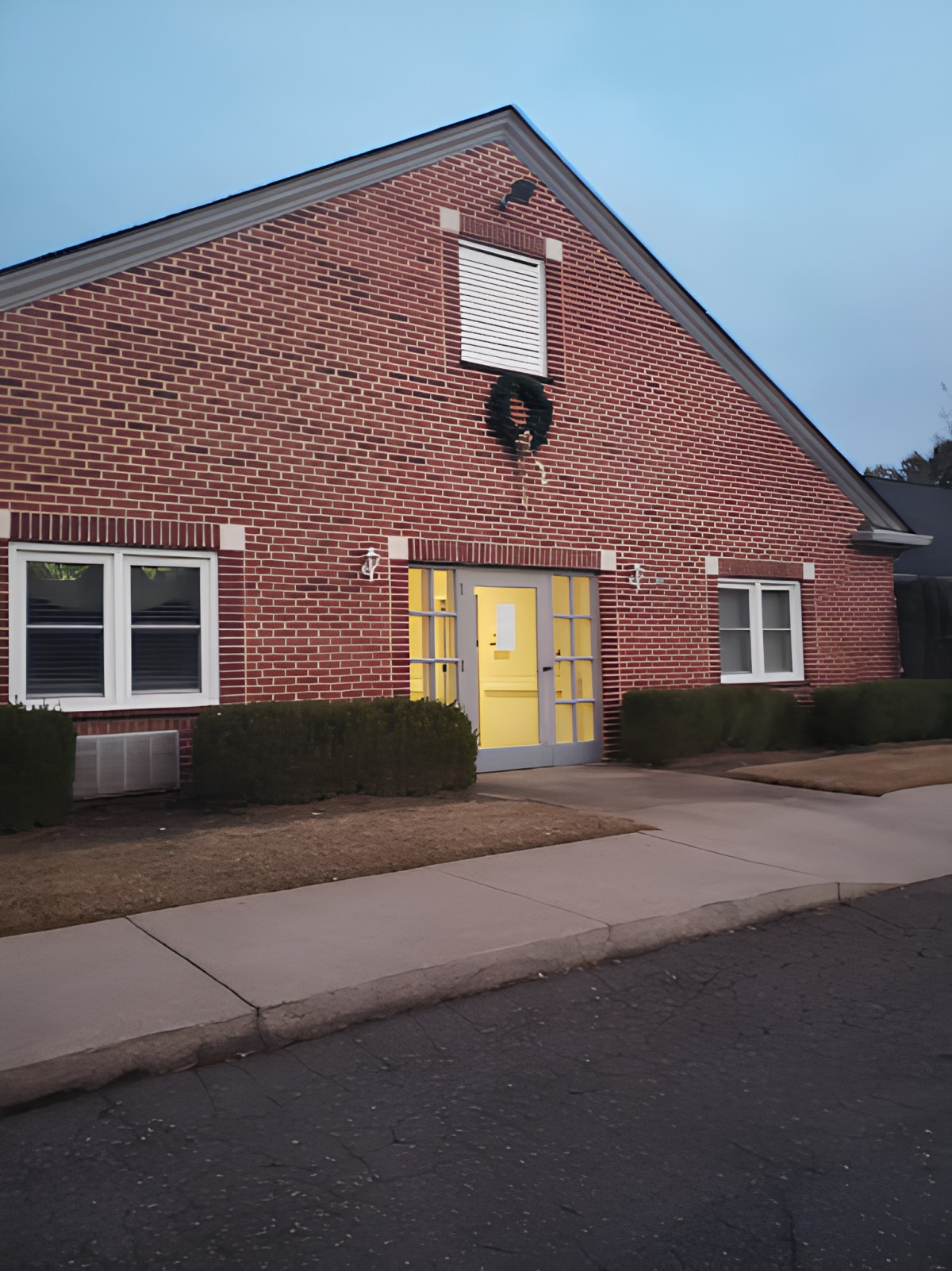
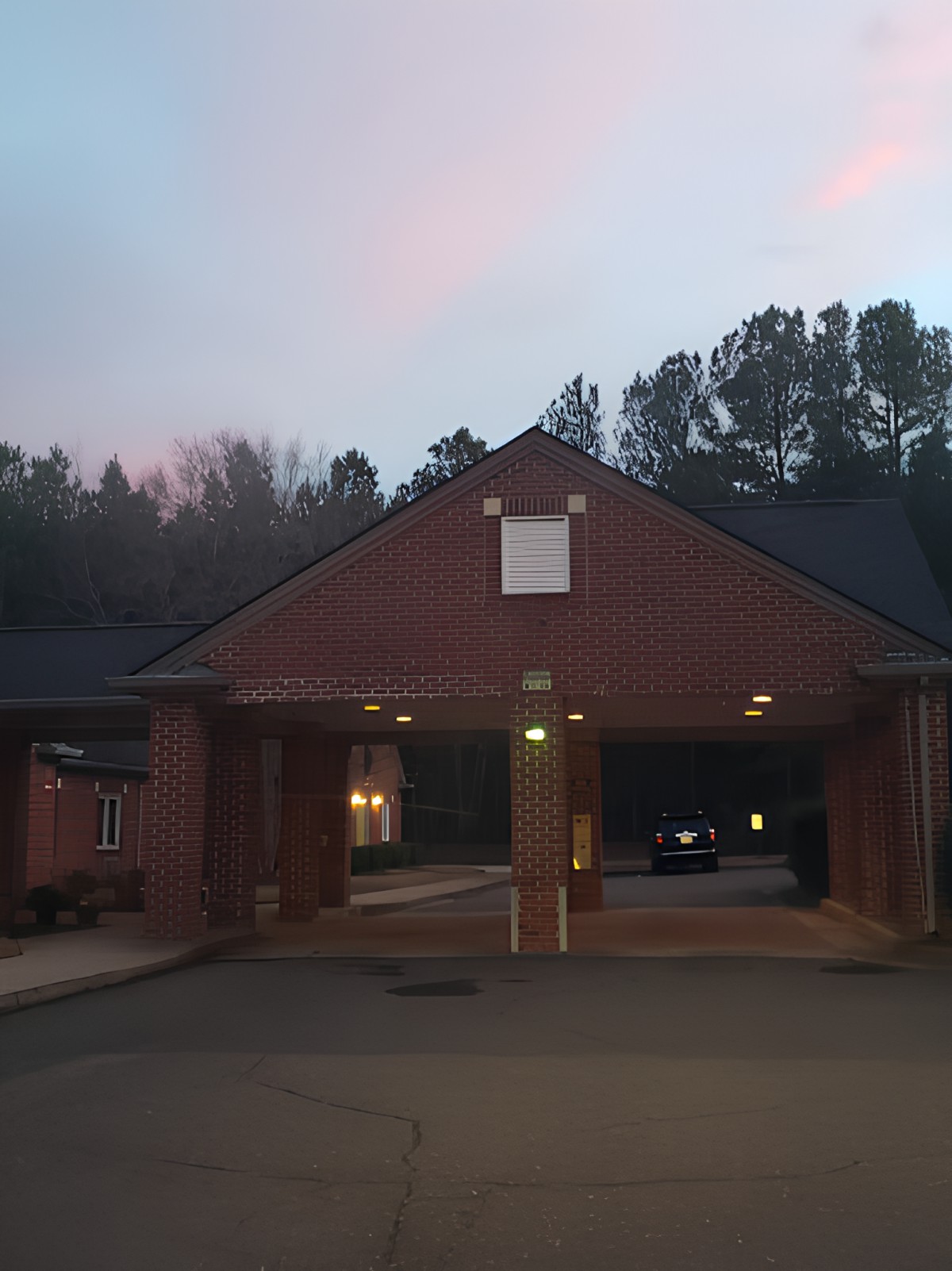
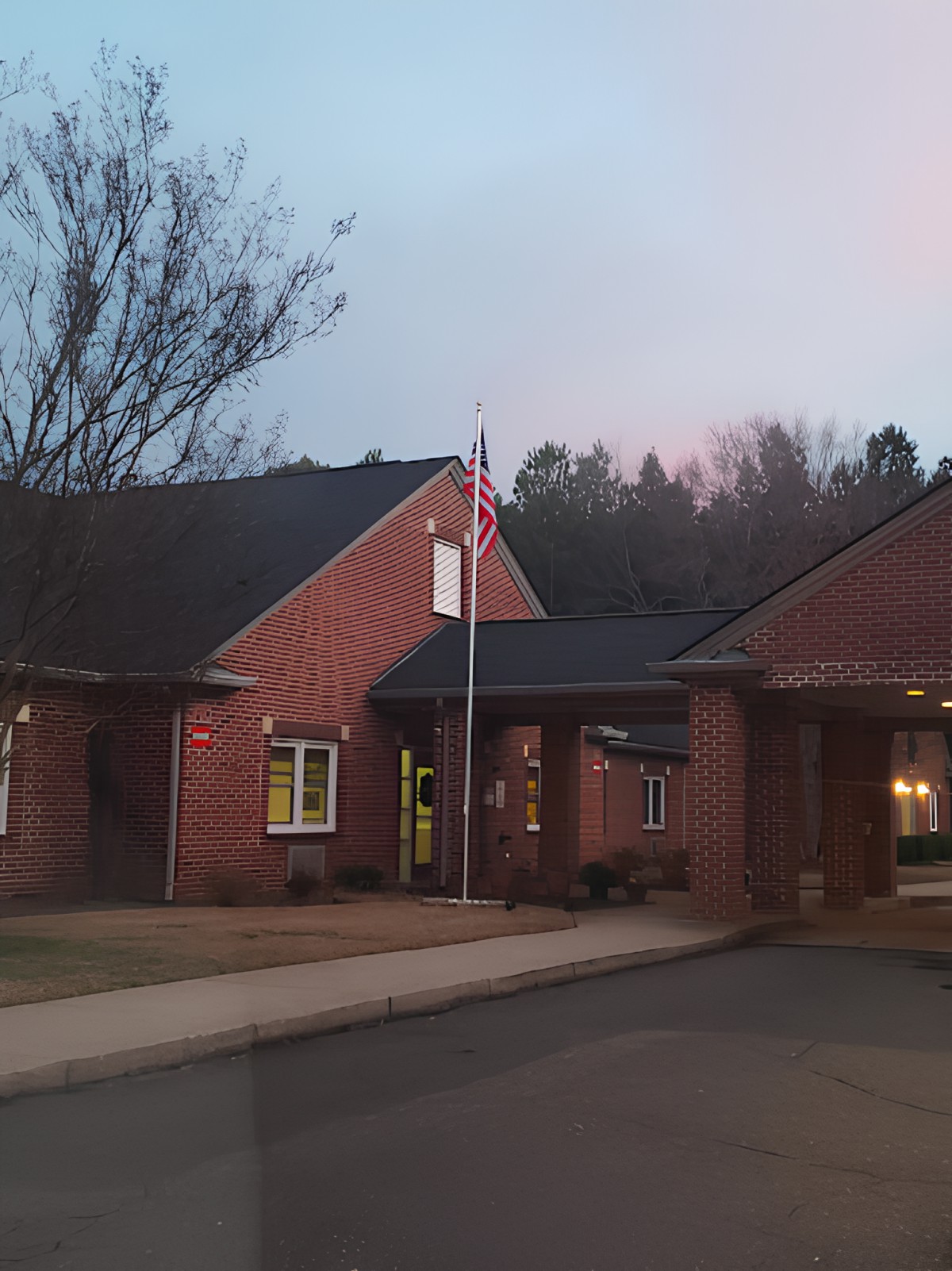
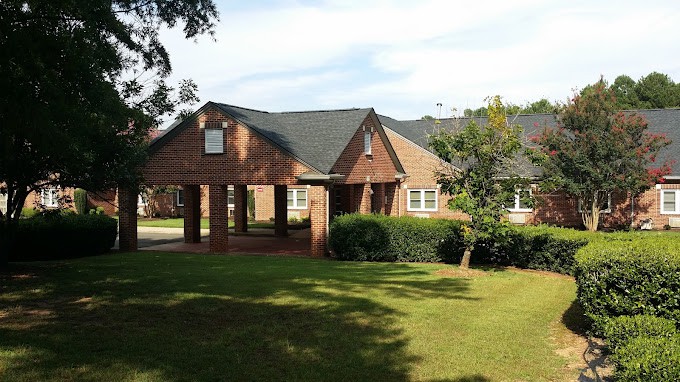
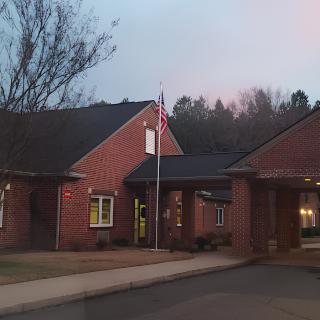
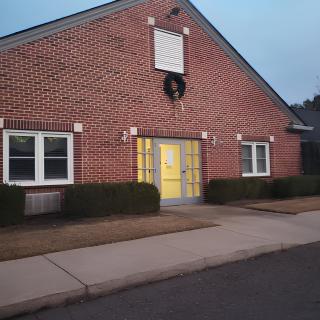
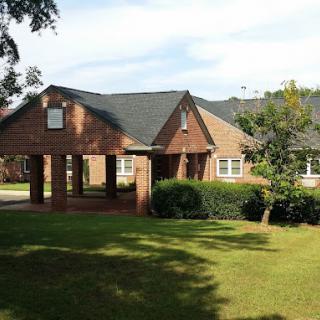
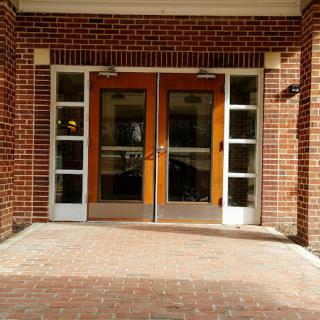
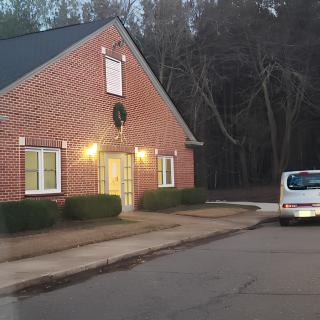
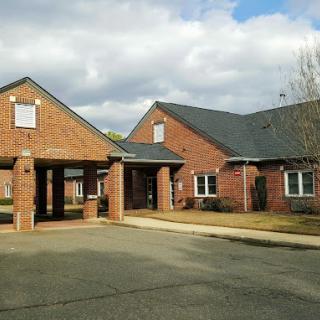
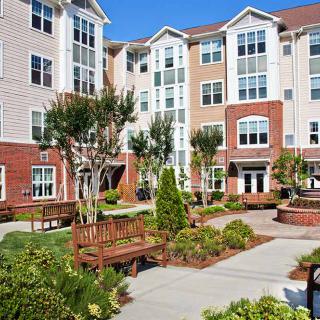
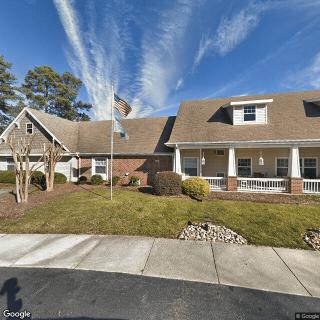
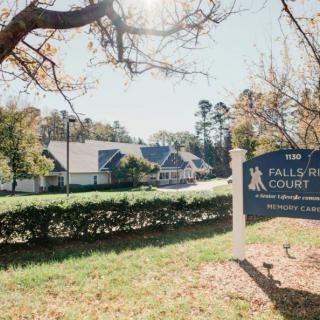
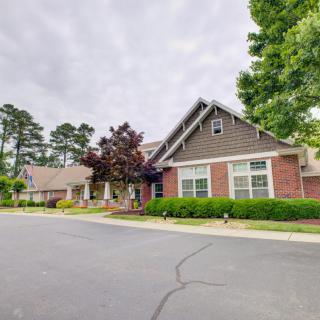
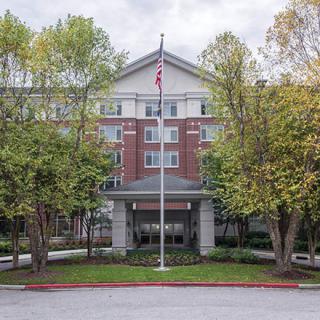
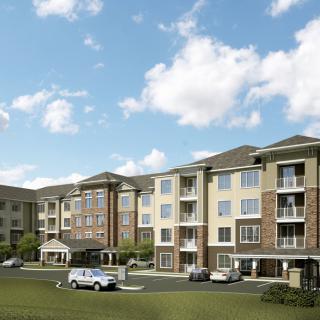
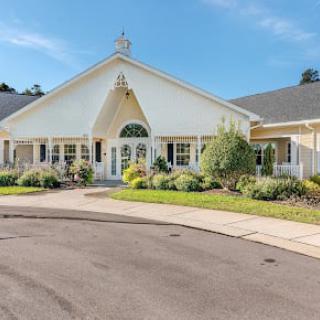
Litchford Falls Healthcare on seniors.fyi includes 8 photos including images showing building, brick, entrance, trees, flag, brick building, lights, sidewalk, and more.
Nearby Communities
Gracie Sturdivant @ North Raleigh
Raleigh, NC
4.9 from 8 reviews
$6,500 to $6,800 / month
Clean, home-like environment with excellent meals and spacious rooms.
A+ Group Home
Raleigh, NC
5 from 4 reviews
$2,600 / month
Affordable private rooms at $2,600/mo with a robust activities program, on-site and off-site devotional services, and pet-friendly amenities.
Atria Oakridge
Raleigh, NC
4.6 from 145 reviews
$4,395 to $4,495 / month
Welcoming staff, an active social calendar, and spacious, comfortable apartments.
Alterra Sterling House of Raleigh
Raleigh, NC
4.3 from 23 reviews
Wide range of on-site amenities and adaptable care options.
Falls River Village
Raleigh, NC
4.1 from 14 reviews
24/7 care with restaurant-style dining and transportation services.
Falls River Villages
Raleigh, NC
4 from 59 reviews
$5,610 to $6,700 / month
Caring staff and engaging activities in a homelike setting.
Brookdale North Raleigh
Raleigh, NC
4.5 from 107 reviews
$2,615 to $5,360 / month
Strong sense of community with friendly staff and diverse daily activities.
Verena at Bedford Falls
Raleigh,, NC
4.6 from 125 reviews
$3,410 to $4,710 / month
Hotel-like atmosphere with friendly, attentive staff, excellent dining, and a vibrant activity calendar.
Cadence at North Raleigh
Raleigh, NC
4.6 from 94 reviews
$4,060 to $7,490 / month
Friendly, attentive staff and engaging activities in a clean, welcoming community.
Fecal incontinence, prevalent among older adults, arises from factors like weakened pelvic muscles and nerve damage, significantly affecting well-being and social interactions. Diagnosis involves clinical evaluation and tests to inform tailored treatments, while caregivers and preventive measures can aid in managing the condition effectively.
Anticipatory grief is an emotional response to the impending loss of a loved one, characterized by complex emotions such as sadness and anger, and involves navigating stages similar to those identified by Kübler-Ross. Coping strategies are vital for managing this process, emphasizing compassionate communication, self-care, and support groups while recognizing the cultural influences on grieving.
Adult day care programs offer essential support and activities for older adults, yet many hesitate to participate due to concerns about independence and stigma. To alleviate these apprehensions, families should facilitate open discussions, explore financial resources, suggest trial visits, and collaborate with healthcare providers to highlight the benefits of such services for both the participants and their caregivers.
Get PricingAsk A QuestionSchedule A TourContact Senior Advisor
By clicking submit, you agree to our Partner's Terms of Use. You
also consent to receive calls and texts, which may be autodialed, from our Partner. Your consent is not a condition to
using our Partner's service. Please visit our Partner's Privacy Policy for information about their privacy practices.



 90 resident community capacity
 Skilled Nursing Facility
 Air-conditioning
 Beauty salon
 Cable or satellite TV
 Computer center
 Dining room
 Fitness room
 Fully furnished
 Gaming room
 Garden
 Housekeeping services
 Kitchenette
 Move-in coordination
 Outdoor space
 Private bathrooms
 Restaurant-style dining
 Small library
 Telephone
 Wellness center
 Wi-Fi/high-speed internet available
 Raleigh-Durham International (10 miles away)
 Community operated transportation
 12-16 hour nursing
 24-hour call system
 Activities of daily living assistance
 Assistance with bathing
 Assistance with dressing
 Assistance with transfers
 Diabetes diet
 Medication management
 Mental wellness program
 Special dietary restrictions
 Concierge services
 Planned day trips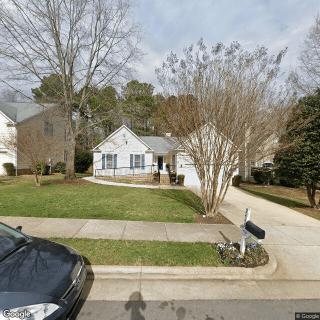
 Clean, home-like environment with excellent meals and spacious rooms.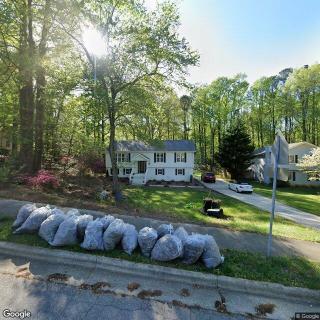
 Fecal Incontinence in Older Adults: A Comprehensive Guide
 Recognizing the Journey: Understanding and Navigating Anticipatory Grief
 Encouraging Participation in Adult Day Care: A Guide to Supporting a Hesitant Parent