

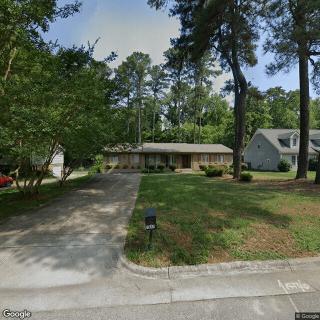
7305 Harp Mill Rd, Raleigh, NC 27615
To contact a resident: (919) 399-4127
For more information about senior living options: (866) 208-4318
A+ Group Home Costs & Pricing
A+ Group Home offers a highly competitive monthly rate for private rooms at $2,600, which significantly undercuts the averages found in both Wake County and the broader North Carolina region. In Wake County, the cost for similar accommodations reaches $4,658, while the statewide average stands at $4,425. This disparity highlights A+ Group Home's commitment to providing affordable yet quality care without compromising on services or living conditions. Their pricing strategy not only ensures accessibility for families but also positions them as a favorable option within the market landscape of group home facilities.
| Floor plans | A+ Group Home | Wake County | North Carolina |
|---|---|---|---|
| Private | $2,600 | $4,658 | $4,425 |
Senior living communities with a similar price nearby
-
from -$100 / mo
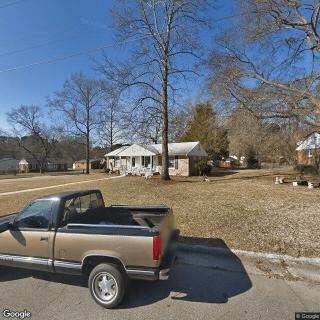
Ann's Family Care Home
$2,500 / month8.6 miles away -
from +$400 / mo
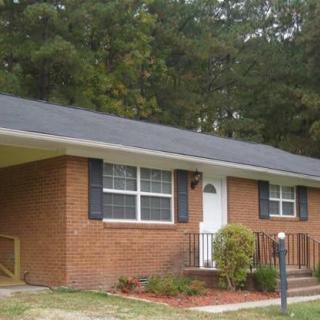
Crawley Family Care Home
$3,000 to $4,500 / month15.9 miles away -
from -$100 / mo

Ann's Family Care Home III
$2,500 / month5.8 miles away -
from +$200 / mo
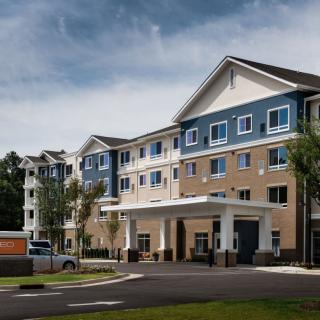
Treeo Senior Living Raleigh
$2,800 to $4,360 / month2.3 miles away -
from -$289 / mo

Carol Woods Retirement Cmnty
$2,311 / month23.8 miles away
Overall Review of A+ Group Home
Pros
 The place was clean, well maintained, and had a warm, home-like atmosphere.
- The staff were not only professional but also truly compassionate.
- The place was spotless and the staff were super friendly.
- AJE Family Care Home is highly recommended.
- It is a wonderful place for loved ones, with very caring staff and a friendly, family-oriented environment.
Review
This Raleigh-based A+ Group Home is best suited for seniors who want a clean, home-like setting where daily life feels personal, predictable, and safely managed. The environment consistently comes across as well maintained and inviting, with a warmth that makes residents feel as if they are cared for by a close-knit family. Cleanliness is non-negotiable here, contributing to a sense of security and ease for older adults who value a calm, uncluttered living space. The atmosphere is not institutional; it leans into hospitality and comfort, which helps residents settle in quickly and reduces the stress that often accompanies a transition to care.
Those facing greater medical needs or specialized memory care may want to consider alternatives. A facility of this size and focus tends to excel at daily assistance, companionship, and routine living, but it may not provide the level of on-site nursing, 24/7 clinical oversight, or dementia-specific programming that some families require. For seniors who need intensive rehabilitation, complex medication management, or highly structured medical supervision, larger assisted-living campuses or dedicated memory care communities may offer more robust clinical resources and a broader slate of advanced services.
The strongest positives here, exceptional cleanliness, a warm, home-like ambiance, and genuinely compassionate, professional staff, offer meaningful compensation for the gaps that naturally appear in smaller settings. A spotless environment lowers infection risk and reduces anxiety about everyday tasks, while staff who are consistently described as pleasant and empathetic make routines feel less burdensome. The combination of well-kept spaces and attentive caregivers translates into smoother daily living, fewer worries about maintenance or safety, and a sense of stability that families often crave when selecting a residence for a loved one.
Operationally, residents benefit from a family-oriented approach that emphasizes personal connections and predictable routines. The staff’s professionalism and the emphasis on a caring, respectful culture create an atmosphere where residents are seen as individuals, not just numbers. This can be particularly advantageous for seniors who value continuity, prefer intimate settings, and benefit from familiar faces and a supportive, low-stress daily rhythm. While the size of the home naturally limits some program breadth, the quality of interaction and consistency of care often exceeds expectations for families seeking a nurturing, low-key environment.
When weighing the decision, families should verify a few practical points to ensure alignment with needs and expectations. Confirm staffing patterns and levels of supervision during evenings and weekends, and ask about who administers medications and oversees health concerns day-to-day. Inquire about the availability of on-site medical staff, nursing support, and any memory care options if dementia or cognitive decline is a factor. Review what is included in the fee (meals, activities, transportation, and care level), and clarify access to personalized care plans that reflect changing needs. Finally, assess visitation policies, engagement opportunities, and how closely the culture aligns with the resident’s preferences for social interaction and family involvement.
In sum, A+ Group Home stands out as an excellent choice for seniors who prize a spotless, welcoming home atmosphere with genuinely caring staff and a family-forward approach. It is a strong recommendation for those who prioritize daily comfort, dependable routines, and interpersonal warmth over a large, highly technical care setting. For families seeking intensive clinical services, dementia-specific programming, or expansive activity calendars, alternatives with a greater clinical footprint may be more suitable. This community delivers comfort, trust, and clear daily structure, qualities that matter deeply when choosing a place to call home in the senior years.
 Board and Care Home
 Cats allowed
 Dogs allowed
 Activities off-site
 Bath tubs
 Devotional services off-site
 Indoor common areas
 Outdoor common areas
 Private
 Private bathrooms
 Raleigh-Durham International (9 miles away)
 Ambulatory care
 Diabetic care
 Incontinence care
 Medication management
 Kosher



 Financing Long-Term Nursing Home Care Through Social Security: A Thorough Exploration
 Essential Knowledge on Pneumonia in Older Adults
 Exploring Palliative Care in the Home: A Comprehensive Overview