Brookdale Wake Forest presents a range of living options with pricing that reflects its premium services and amenities. For instance, the cost of a studio at Brookdale is $4,540 per month, which is slightly lower than the average in Wake County at $4,757 but higher than the state average of $4,020. In contrast, the one-bedroom apartments are priced at $7,105 - substantially above both county and state averages of $4,996 and $4,055 respectively. The two-bedroom accommodations follow a similar trend with a monthly fee of $7,655 compared to county and state averages of $4,780 and $4,245. Notably, semi-private rooms at Brookdale are priced significantly higher at $8,160 when juxtaposed against local (Wake County) and state averages of $4,391 and $3,584 respectively. This pricing structure illustrates Brookdale Wake Forest's positioning as a more luxurious option in comparison to both county and statewide offerings.
Floor plans
Brookdale Wake Forest
Wake County
North Carolina
Studio
$4,540
$4,757
$4,020
1 Bedroom
$7,105
$4,996
$4,055
2 Bedrooms
$7,655
$4,780
$4,245
Semi-Private
$8,160
$4,391
$3,584
Memory care communities with a similar price nearby
Residents frequently describe staff as kind, attentive, and professional.
Across many reviews, families mention staff who are professional, friendly, and caring—often describing quick help with questions, supportive transitions, and staff who treat residents like family. Several reviews also point to knowledgeable teams that keep loved ones feeling comfortable, including in both assisted living and memory care settings. Even some critical reviews acknowledge there are caring staff members, while reserving the main complaints for staffing levels or management follow-through.
common14 reviews mention this
Food quality is praised and criticized
Dining gets strong reactions, with some residents impressed and others disappointed.
Positive reviews describe the meals as amazing, good, and something families feel they get value from. Other reviewers say the food becomes bland over time, is too salty or fried, or offers limited variety, with complaints about meat portions. The community does offer restaurant-style dining and provides meals designed for special diets, which aligns with families mentioning diet needs and meal service.
differentiator16 reviews mention this
Activities and social life stand out
The daily activities calendar is a recurring reason families feel confident.
Many reviews highlight frequent activities that keep residents engaged, including group programs, outings, and events with music and themed gatherings. Several families specifically mention the value of having enough going on to help residents stay active and connected. The community also offers planned day trips, scheduled daily activities, and on-site devotional and educational programming, which fits the broader sense of a structured routine.
caveat14 reviews mention this
Cleanliness is inconsistent
Some residents and families report cleanliness issues and lingering odors.
Many reviews say the facility is clean and well kept, with apartments described as maintained and staff working to keep spaces tidy. Others report smells, dirty rooms on arrival, laundry problems, and maintenance breakdowns that affected daily comfort. The mixed feedback suggests cleanliness can vary by unit and time, rather than being uniformly experienced.
caveat12 reviews mention this
Care support can fall short
Some families report delays or gaps in hands-on care support.
A number of reviews describe concerns related to assistance with activities of daily living, including reports of residents left in soiled clothing or with wet undergarments. Other reviewers mention medication management issues and problems with follow-through, and one review argues staffing levels were chronically low. At the same time, several residents’ experiences describe high-quality care that relieved family stress, which points to uneven experiences across different care needs and time periods.
caveat11 reviews mention this
Pricing is repeatedly called high
Multiple reviews say the community is costly compared to expectations.
Several reviewers describe Brookdale as expensive or higher than average, sometimes comparing it to other assisted living options they evaluated. A few families say the cost feels justified by the care or value they received, while others question whether they are getting enough for the price—especially where they report service gaps. In pricing terms, the community’s listed range varies by unit type and is positioned slightly below county averages in the deltas provided, while some unit types come in higher versus state benchmarks.
How we summarize
Counts show how many written reviews mention each theme; a review can touch several themes, and only frequently mentioned themes are displayed.
Features
Housing
70 resident community capacity
1-bedroom apartments
2-bedroom apartments
Studio apartments
Types of Care
Assisted Living
Memory Care
Pets
Cats allowed
Dogs allowed
Amenities
Activities off-site
Activities on-site
Air-conditioning
Bath tubs
Beautician on-site
Beauty salon
Cable or satellite TV
Computer center
Devotional services on-site
Dining room
Fitness room
Fully furnished
Gaming room
Garden
Ground floor units
Guasts at mealtime
Guest parking
Handicap accessible
Housekeeping services
Indoor common areas
Kitchenette
Laundry
Move-in coordination
Outdoor common areas
Outdoor space
Pet friendly
Private bathrooms
Resident parking
Respite or short term stays offered
Restaurant-style dining
Security gate
Small library
Spa
Telephone
Wellness center
Wheelchair accessible showers
Wi-Fi/high-speed internet available
Transportation
Raleigh-Durham International (17 miles away)
Community operated transportation
Transportation & parking
Transportation arrangement
Transportation arrangement (non-medical)
Care Services
12-16 hour nursing
24-hour call system
24-hour supervision
Activities of daily living assistance
Assistance with bathing
Assistance with dressing
Assistance with transfers
Coordination with health care providers
Diabetes diet
Diabetic care
High acuity care
Incontinence care
Meal preparation and service
Medication management
Mental wellness program
Mild cognitive impairment
Special dietary restrictions
Specialized memory care programming
Transportation arrangement (medical)
Transportation to doctors appointments
Dining
Diabetes diet
Guest meals
Low / no sodium
Low fat
Meals provided
No Sugar
Professional chef
Renal
Restaurant style dining
Special dietary restrictions
Special dining programs
Vegetarian
Activities
Art classes
Bible study group
Catholic services
Community-sponsored activities
Concierge services
Cooking classes
Devotional activities on-site
Educational speakers / life long learning
Fitness programs
Jewish services
Mormon/LDS services
Other religious services
Planned day trips
Protestant services
Resident-run activities
Scheduled daily activities
Visiting Rabbi
Visiting chaplain or priest
Languages Spoken
English
Nearby Places of Interest
This part of Wake Forest, North Carolina offers a variety of amenities that cater to the needs of seniors. With multiple cafes like Back Alley Coffee Roasters and Panera Bread nearby, residents can enjoy a relaxing cup of coffee or a meal with friends. There are also several pharmacies such as CVS Pharmacy and Walgreens within close proximity for convenient access to medication and healthcare supplies. For spiritual support, there are places of worship including St Catherine of Siena Catholic Church and Gethsemane Lutheran Church. In terms of medical care, there are reputable physicians like Duke Primary Care Heritage Pediatrics and Wake Skin Cancer Center in the area. Additionally, there are parks for leisurely walks and outdoor activities, as well as transportation services like Enterprise Rent-A-Car for easy mobility. Hospitals such as Duke Raleigh Hospital and WakeMed Health & Hospitals are also nearby for any medical emergencies. Overall, this part of Wake Forest provides a well-rounded and accessible community for senior living.
Cafes
Back Alley Coffee Roasters (0.4 miles)
Panera Bread (1.9 miles)
Starbucks (6.9 miles)
Panera Bread (8.1 miles)
Starbucks (12.2 miles)
Starbucks (13.4 miles)
Pharmacies
CVS Pharmacy (0.6 miles)
Walgreens (1.5 miles)
Target Pharmacy (1.8 miles)
Walgreens (1.9 miles)
CVS Pharmacy (4.3 miles)
CVS Pharmacy (10 miles)
Walmart Pharmacy (10.7 miles)
Places of Worship
St Catherine of Siena Catholic Church (0.9 miles)
Gethsemane Lutheran Church (9.2 miles)
Beacon Baptist Church (11.8 miles)
Physicians
Duke Primary Care Heritage Pediatrics (1.5 miles)
Family First Primary Care (1.5 miles)
Burton Family Medicine (1.7 miles)
Wake Skin Cancer Cente (1.8 miles)
Duke Primary Care Wake Forest (2 miles)
Wake Specialty Physicians Women's Center (2.1 miles)
Orthopaedic Specialists of North Carolina Pa (2.4 miles)
Brookdale Wake Forest presents a range of living options with pricing that reflects its premium services and amenities. For instance, the cost of a studio at Brookdale is $4,540 per month, which is slightly lower than the average in Wake County at $4,757 but higher than the state average of $4,020. In contrast, the one-bedroom apartments are priced at $7,105 - substantially above both county and state averages of $4,996 and $4,055 respectively. The two-bedroom accommodations follow a similar trend with a monthly fee of $7,655 compared to county and state averages of $4,780 and $4,245. Notably, semi-private rooms at Brookdale are priced significantly higher at $8,160 when juxtaposed against local (Wake County) and state averages of $4,391 and $3,584 respectively. This pricing structure illustrates Brookdale Wake Forest's positioning as a more luxurious option in comparison to both county and statewide offerings.
Brookdale Wake Forest's comprehensive memory care features create a supportive environment for residents dealing with dementia or Alzheimer's disease by addressing their specific needs throughout the day. The 24-hour supervision ensures that residents are safe and secure while receiving constant support from trained staff who understand the nuances of memory care. Assistance with activities of daily living, including bathing, dressing, and transfers, fosters independence while maintaining dignity. Coordination with healthcare providers ensures that medical needs are met seamlessly, complemented by tailored medication management to safeguard against potential complications. The meal preparation and service focus on nutrition to enhance overall well-being, while incontinence care promotes comfort and hygiene. Additionally, engaging residents in specialized memory care programming and mental wellness initiatives stimulates cognitive function and emotional health. Transportation arrangements for medical appointments also support continuity of care, making Brookdale Wake Forest an ideal choice for individuals navigating the challenges of cognitive decline.
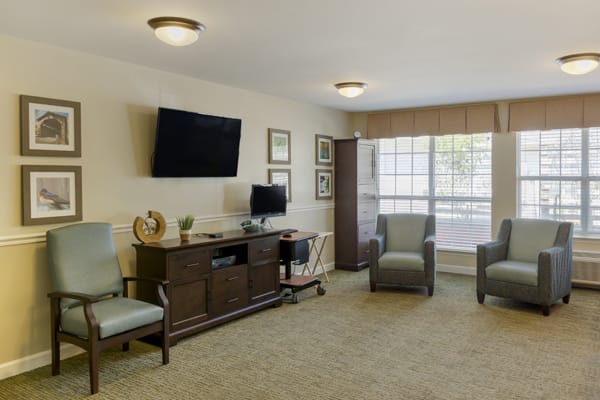
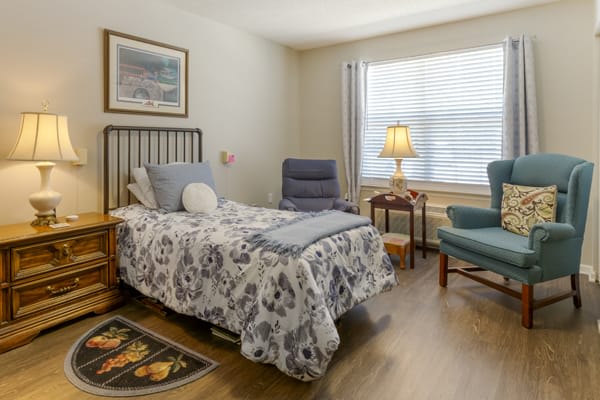
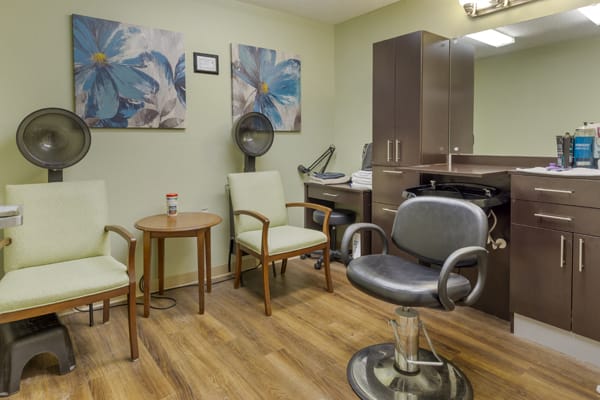
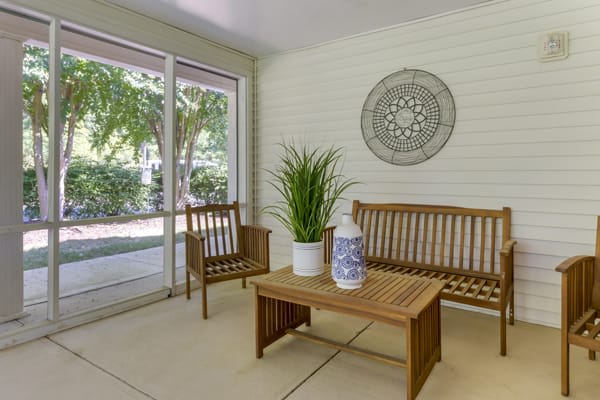
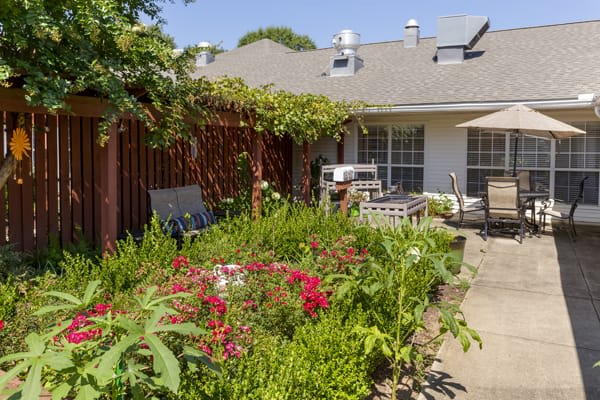
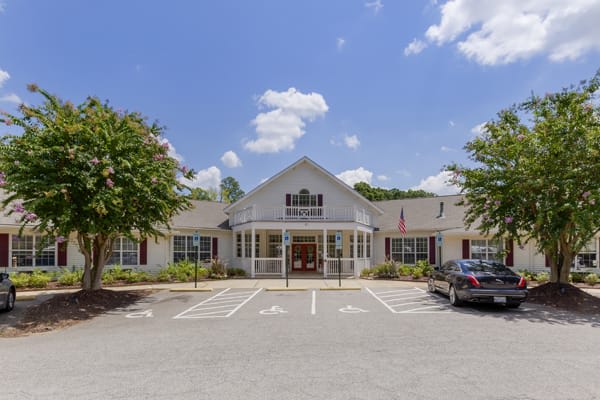
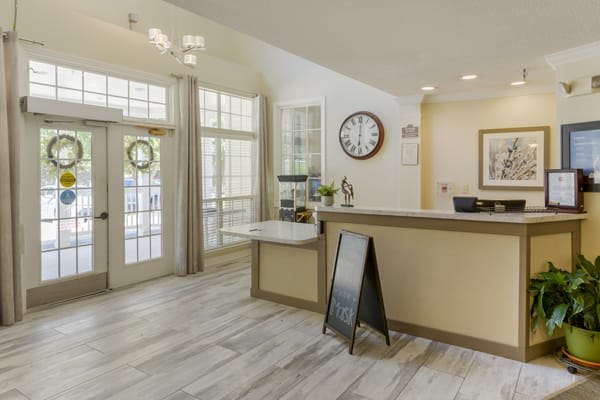
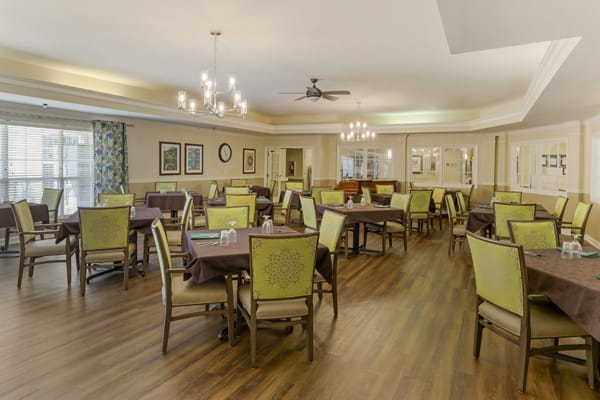
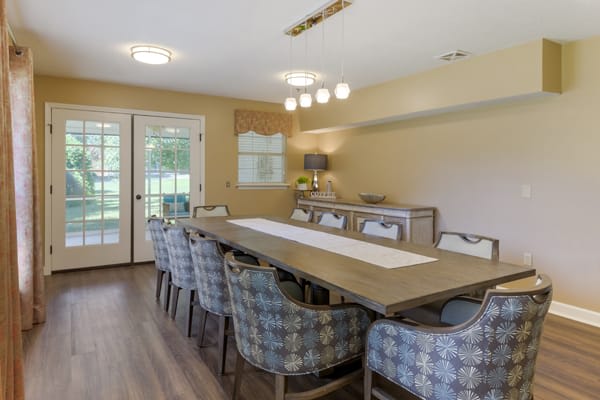
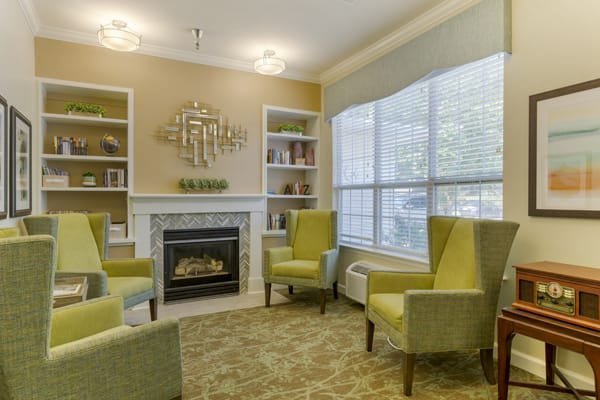
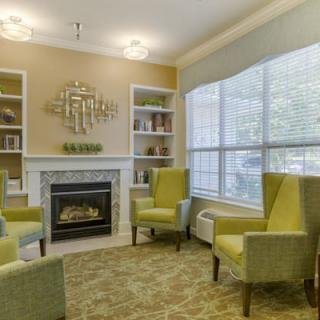
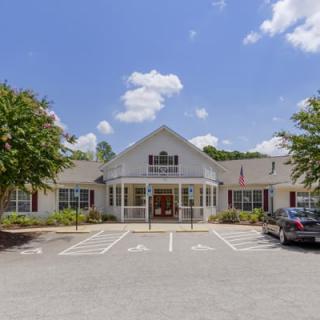
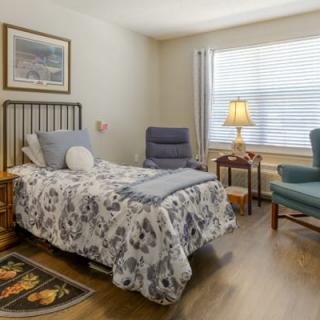
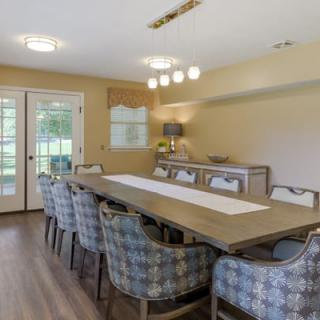
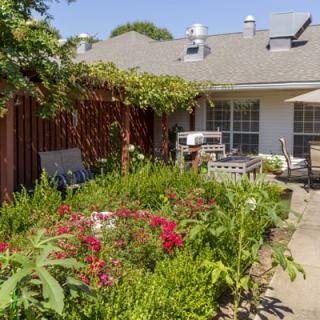
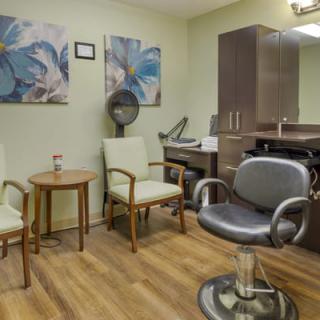
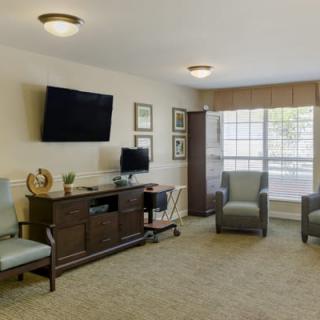
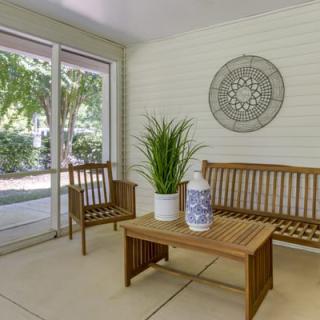
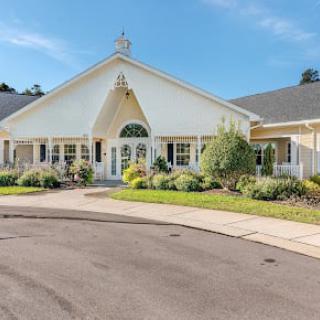
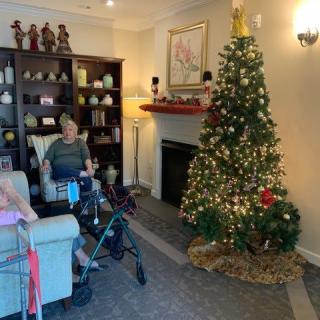
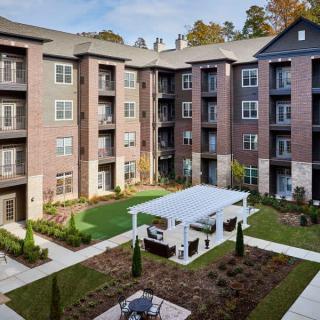
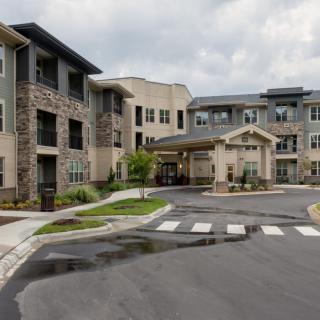
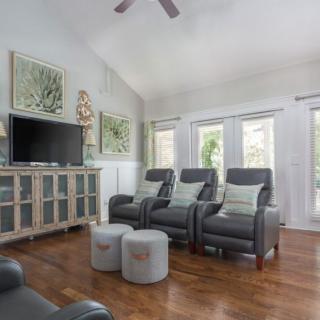
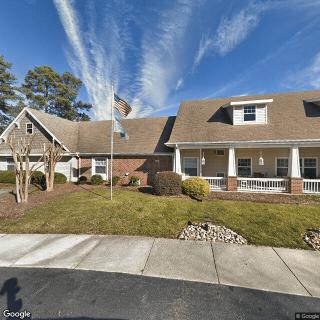
Brookdale Wake Forest on seniors.fyi includes 11 photos including images showing interior, decor, windows, dining, bedroom, living room, trees, outdoor furniture, and more.
Nearby Communities
Wake Forest Care Center
Wake Forest, NC
4.6 from 52 reviews
$2,200 to $5,000 / month
The Lodge at Wake Forest
Wake Forest, NC
4.3 from 58 reviews
$3,055 to $4,295 / month
Welcoming atmosphere with friendly staff, spacious rooms, and a varied schedule of on-site activities.
Hillside Nursing Center of Wake Forest
Wake Forest, NC
3.1 from 63 reviews
Compassionate nursing and rehab staff in a welcoming, home?like setting.
Renaissance Care Home At Traditions
Wake Forest, NC
5 from 8 reviews
$3,000 / month
Personalized care with attentive staff in a clean, home-like setting.
Cadence at Wake Forest
Wake Forest, NC
4.4 from 78 reviews
$4,260 to $7,225 / month
Caring, family-like staff; clean, well-maintained environment with engaging activities.
Crossings at Heritage
Wake Forest, NC
4.8 from 45 reviews
$752 to $875 / month
Cottage-style, non-stacked homes with maintenance-free living and helpful staff.
Franklin Manor Assisted Living Center
Youngsville, NC
3.6 from 80 reviews
$5,500 to $6,500 / month
Caring staff with engaging activities in clean, comfortable rooms.
Verena at Bedford Falls
Raleigh,, NC
4.6 from 125 reviews
$3,410 to $4,710 / month
Hotel-like atmosphere with friendly, attentive staff, excellent dining, and a vibrant activity calendar.
Alterra Sterling House of Raleigh
Raleigh, NC
4.3 from 23 reviews
Wide range of on-site amenities and adaptable care options.
Dementia, particularly Lewy body dementia, often involves hallucinations that can significantly distress both patients and caregivers due to disruptions in sensory processing and neurotransmitter imbalances. Effective management includes compassionate communication, environmental adjustments, and a multidisciplinary approach to care while addressing the emotional needs of caregivers.
Alzheimer’s disease is a progressive neurological disorder that significantly impacts memory and cognitive functions, accounting for 60-80% of dementia cases, with early diagnosis being crucial yet challenging. It involves brain changes like beta-amyloid plaques and tau tangles, influenced by genetic and lifestyle factors, and while there is no cure, symptom management and support for caregivers are essential.
Dementia, influenced by aging and certain medications, may be exacerbated by drug classes such as anticholinergics, benzodiazepines, and antipsychotics, which are associated with cognitive impairment. Regular medication reviews by healthcare professionals are crucial for older adults to manage risks and optimize cognitive health.
Get PricingAsk A QuestionSchedule A TourContact Senior Advisor
By clicking submit, you agree to our Partner's Terms of Use. You
also consent to receive calls and texts, which may be autodialed, from our Partner. Your consent is not a condition to
using our Partner's service. Please visit our Partner's Privacy Policy for information about their privacy practices.

 70 resident community capacity
 1-bedroom apartments
 Assisted Living
 Memory Care
 Cats allowed
 Dogs allowed
 Activities off-site
 Air-conditioning
 Bath tubs
 Beautician on-site
 Cable or satellite TV
 Computer center
 Devotional services on-site
 Dining room
 Fitness room
 Fully furnished
 Gaming room
 Garden
 Ground floor units
 Guest parking
 Handicap accessible
 Housekeeping services
 Indoor common areas
 Kitchenette
 Laundry
 Move-in coordination
 Outdoor common areas
 Pet friendly
 Private bathrooms
 Respite or short term stays offered
 Restaurant-style dining
 Security gate
 Small library
 Spa
Spa Telephone
 Wheelchair accessible showers
 Wi-Fi/high-speed internet available
 Raleigh-Durham International (17 miles away)
 Community operated transportation
 12-16 hour nursing
 24-hour call system
 Assistance with bathing
 Assistance with dressing
 Assistance with transfers
 Diabetes diet
 Diabetic care
 High acuity care
 Incontinence care
 Medication management
 Mental wellness program
 Special dietary restrictions
 Transportation arrangement (medical)
 Art classes
 Bible study group
 Concierge services
 Cooking classes
 Educational speakers / life long learning
 Jewish services
 Planned day trips
 English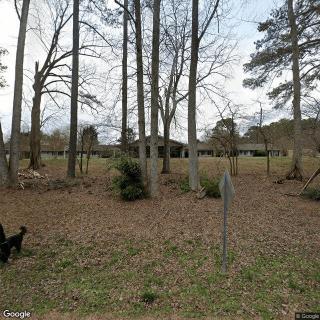

 Welcoming atmosphere with friendly staff, spacious rooms, and a varied schedule of on-site activities.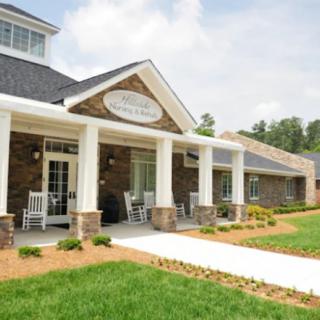

 Dementia-Related Hallucinations: Causes, Experiences, and Practical Approaches
 Illuminating Insights About Alzheimer's Disease: Ten Crucial Realities
 A Thorough Discussion of Medications Potentially Linked to Dementia Risk