At Country Time Inn, the monthly costs for accommodations reveal a competitive pricing structure when compared to both Gaston County and the broader North Carolina state averages. For instance, the semi-private room is priced at $2,600, significantly lower than the county average of $3,034 and the state average of $3,584. Similarly, the studio option is available for $3,000, which again stands in contrast to Gaston County's average of $3,107 and North Carolina's higher figure of $4,020. This positioning suggests that Country Time Inn offers a more economical choice for residents seeking quality accommodation without sacrificing comfort or amenities.
Floor plans
Country Time Inn
Gaston County
North Carolina
Semi-Private
$2,600
$3,034
$3,584
Studio
$3,000
$3,107
$4,020
Memory care communities with a similar price nearby
Residents and families consistently describe compassionate, responsive care from the staff.
Multiple reviewers say the staff is caring and compassionate, and that they treat residents with dignity. Families also describe clear communication—either through frequent updates or quick answers to questions—and a feeling of trust in day-to-day care. A few reviews specifically mention the residential care coordinator and the management team staying engaged with families.
common12 reviews mention this
Clean facility and rooms
Several reviewers highlight the facility’s cleanliness and well-kept spaces.
Reviewers frequently mention that the building and common areas feel clean, with attention to keeping rooms maintained. Some also describe the overall environment as pleasant or welcoming, reinforcing that the community is cared for. At the same time, at least one reviewer reports a strong negative cleanliness issue involving odor and residents’ personal appearance, which stands out from the broader pattern.
differentiator4 reviews mention this
Dementia care that feels different
Residents with Alzheimer’s or dementia are described as being understood and supported in a specialized unit.
A few families describe positive experiences with Alzheimer’s and dementia care, including staff members who know how to interact and respond to residents’ needs. One reviewer specifically mentions a dementia unit and says they love it there, while another credits the community with being better at understanding Alzheimer’s than previous facilities. This aligns with the community offering memory care programming alongside assisted living.
caveat4 reviews mention this
Food quality can vary
Food is sometimes praised, but taste and enjoyment are described as inconsistent.
Some reviews say residents eat well and describe the food as good or appealing in appearance. Others describe the food experience as “up and down,” without offering a consistent reason for the variation. One reviewer also suggests cooks could be better supported, which points to a mix of positives and complaints rather than a single, steady theme.
common7 reviews mention this
Activities and outdoor walks
Residents can have daily activities and opportunities to get outside.
Several reviewers mention scheduled activities and day-to-day engagement, including a calendar of activities and resident participation. Outdoors, at least one family describes quiet grounds and walks as a positive part of life there. A different reviewer notes limited participation due to pain after back surgery, suggesting activities may not always match every resident’s abilities at a given time.
caveat5 reviews mention this
Phone access and staffing concerns
Some families report trouble reaching the community and concerns about coverage and supervision.
A few reviewers say it can be difficult to get answers by phone, including not being able to reach someone after hours. Separate negative reviews describe neglect and limited caregiver/aide availability, while another reviewer mentions a small number of younger staff spending more time on phones than assisting. Taken together with the overall positive feedback, these complaints read as serious but not universal.
How we summarize
Counts show how many written reviews mention each theme; a review can touch several themes, and only frequently mentioned themes are displayed.
Features
Housing
59 resident community capacity
Studio apartments
Types of Care
Assisted Living
Memory Care
Amenities
Activities on-site
Air-conditioning
Beautician on-site
Beauty salon
Cable or satellite TV
Computer center
Devotional services off-site
Devotional services on-site
Dining room
Financial aid
Financing advice
Fitness room
Fully furnished
Gaming room
Garden
Ground floor units
Handicap accessible
Home sale assistance
Housekeeping services
Indoor common areas
Kitchenette
Move-in coordination
Outdoor common areas
Outdoor space
Private bathrooms
Respite or short term stays offered
Restaurant-style dining
Small library
TV room
Telephone
VA Benefits Consultation
Wellness center
Wheelchair accessible showers
Wi-Fi/high-speed internet available
Transportation
Charlotte Douglas International (20 miles away)
Community operated transportation
Transportation & parking
Transportation arrangement
Transportation arrangement (non-medical)
Transportation to doctors appointments
Care Services
12-16 hour nursing
24-hour call system
24-hour supervision
Activities of daily living assistance
Ambulatory care
Assistance with bathing
Assistance with dressing
Assistance with transfers
Diabetes diet
Diabetic care
Incontinence care
Meal preparation and service
Medication management
Mental wellness program
Mild cognitive impairment
Special dietary restrictions
Specialized memory care programming
Dining
Diabetes diet
Guest meals
Low / no sodium
Meals provided
Special dietary restrictions
Vegetarian
Activities
Activities on-site
Art classes
Community-sponsored activities
Concierge services
Day trips and outings
Devotional activities offsite
Devotional activities on-site
Fitness programs
Gardening club
Intergenerational programs
Planned day trips
Protestant services
Resident-run activities
Scheduled daily activities
Stretching classes
Trivia games
Visiting chaplain or priest
Wii bowling
Languages Spoken
English
Nearby Places of Interest
This part of Kings Mountain, North Carolina offers a variety of amenities and services that cater to the needs of seniors. With several parks nearby such as Patriots Park and Holly Oak Park, residents can enjoy outdoor activities and leisurely walks in scenic surroundings. Additionally, there are numerous healthcare facilities including Carolina Pediatric Center and Caromont Family Medicine within close proximity for convenient medical care. A variety of dining options such as El Mexicano and Palmetto Seafood offer delicious meals for every taste. For medication needs, there are several pharmacies like Peoples Pharmacy and CVS Pharmacy nearby. Places of worship such as Riverview Baptist Church provide spiritual support, while transportation options like Runway 18R/36L allow for easy access to travel. Overall, this area provides a well-rounded community with plenty of resources to support a comfortable senior living experience.
Parks
Patriots Park (3.1 miles)
Field Day Park (13.7 miles)
Holly Oak Park (13.8 miles)
York Recreational Park (16.1 miles)
Windjammer Park (19.5 miles)
Physicians
Carolina Pediatric Center (8.5 miles)
Dr Elliott (8.6 miles)
Caromont Imaging Services (9.1 miles)
The Hand Center Of The Carolinas Pa (9.2 miles)
Eyecarecenter (9.2 miles)
Prater Michael Dr Orthocarolina Gastonia Gastonia (9.3 miles)
At Country Time Inn, the monthly costs for accommodations reveal a competitive pricing structure when compared to both Gaston County and the broader North Carolina state averages. For instance, the semi-private room is priced at $2,600, significantly lower than the county average of $3,034 and the state average of $3,584. Similarly, the studio option is available for $3,000, which again stands in contrast to Gaston County's average of $3,107 and North Carolina's higher figure of $4,020. This positioning suggests that Country Time Inn offers a more economical choice for residents seeking quality accommodation without sacrificing comfort or amenities.
The comprehensive features offered by Country Time Inn are designed to meet the unique needs of residents with dementia or Alzheimer's disease, ensuring their safety and well-being. The 24-hour supervision provides constant monitoring, helping residents navigate their environment securely, while assistance with activities of daily living--such as bathing and dressing--promotes dignity and comfort in routine tasks that may become challenging. Support during transfers and incontinence care further reinforces a sense of security for residents who might struggle with mobility or personal hygiene. Meal preparation and service are tailored to accommodate dietary preferences and nutritional needs, fostering a healthy diet essential for overall wellness. Medication management ensures that residents adhere to their treatment plans without confusion, reducing the risk of adverse health effects. Additionally, mental wellness programs coupled with specialized memory care programming offer cognitive stimulation and social engagement, vital components in enhancing quality of life for individuals experiencing mild cognitive impairment or advanced dementia. Overall, these features work synergistically to create a nurturing environment conducive to maintaining independence and promoting mental well-being.
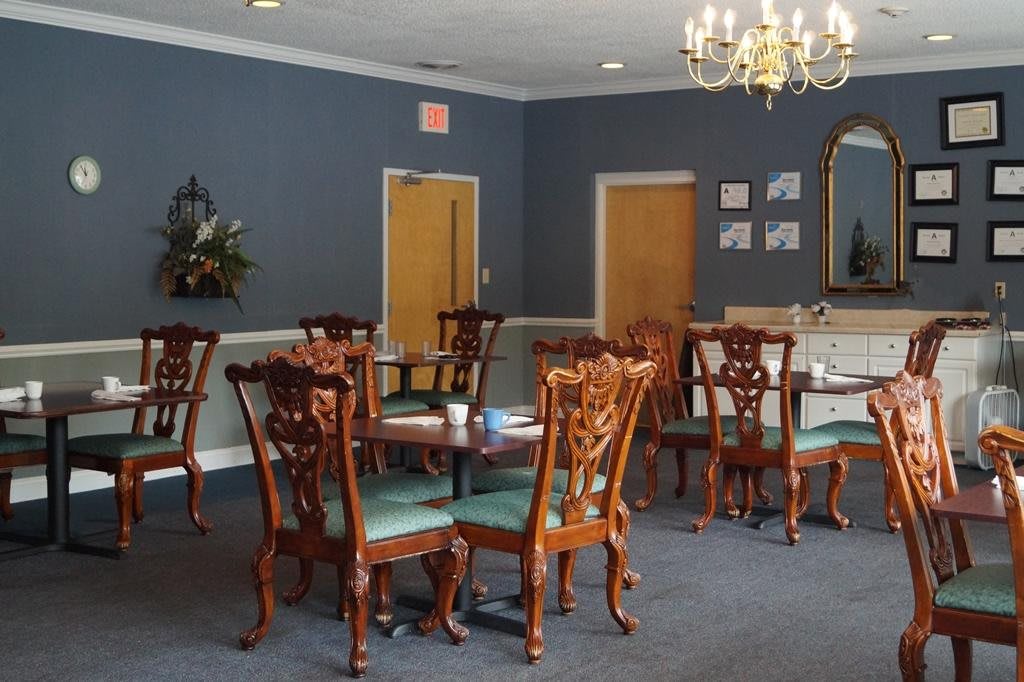
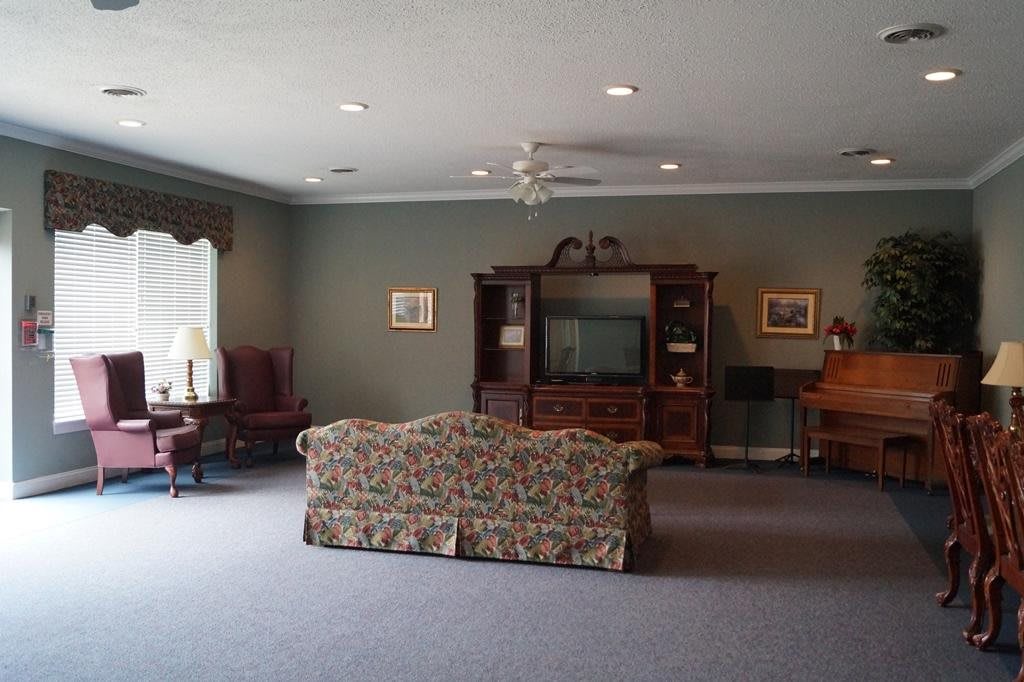
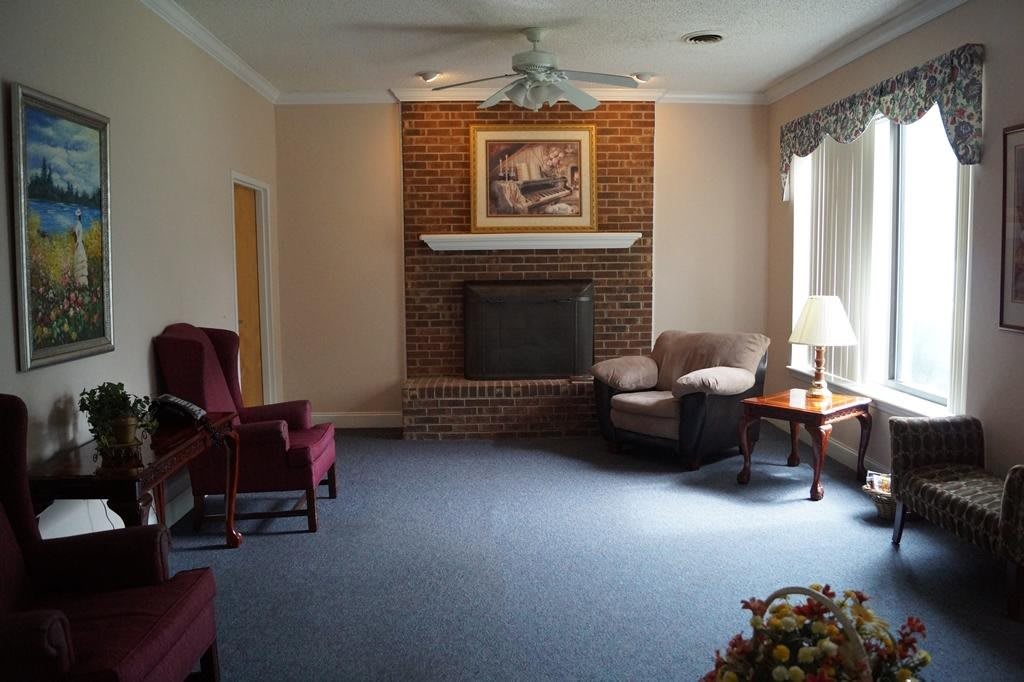
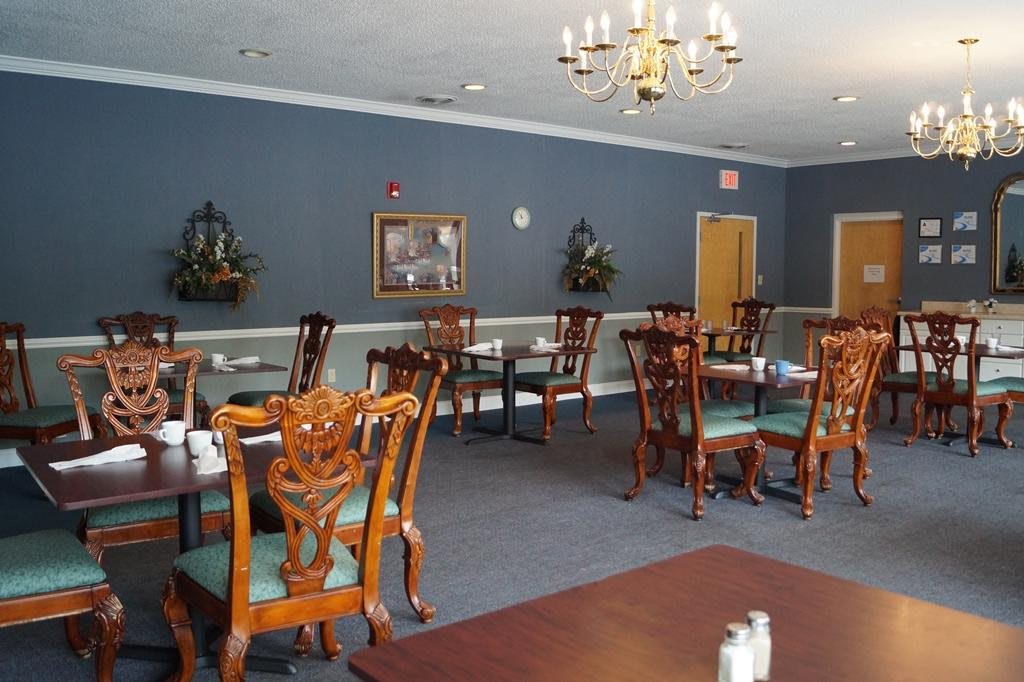
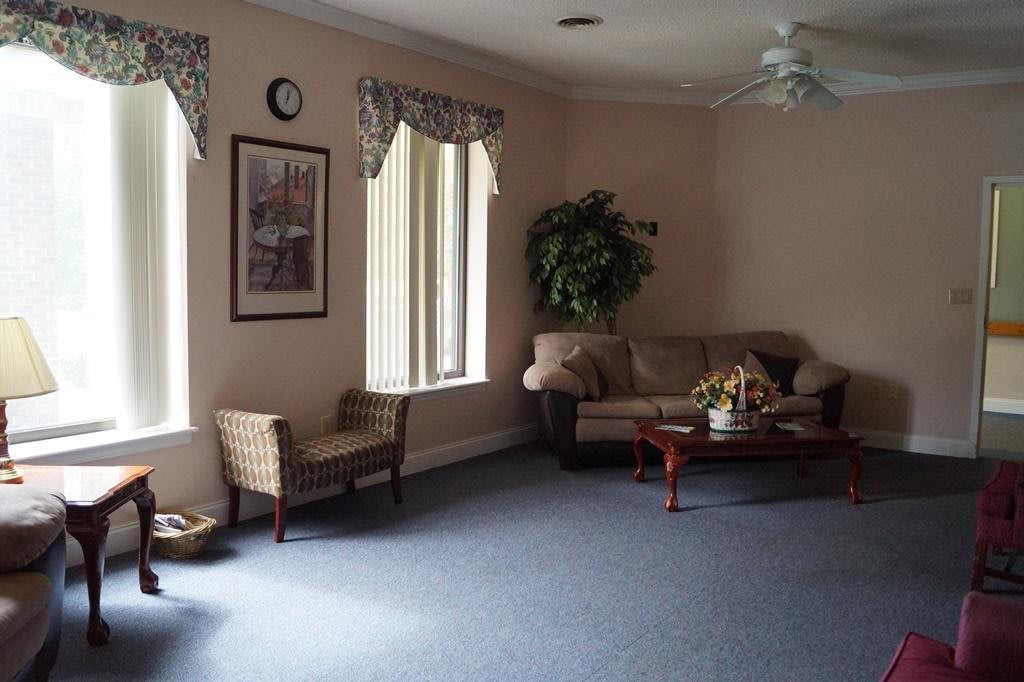
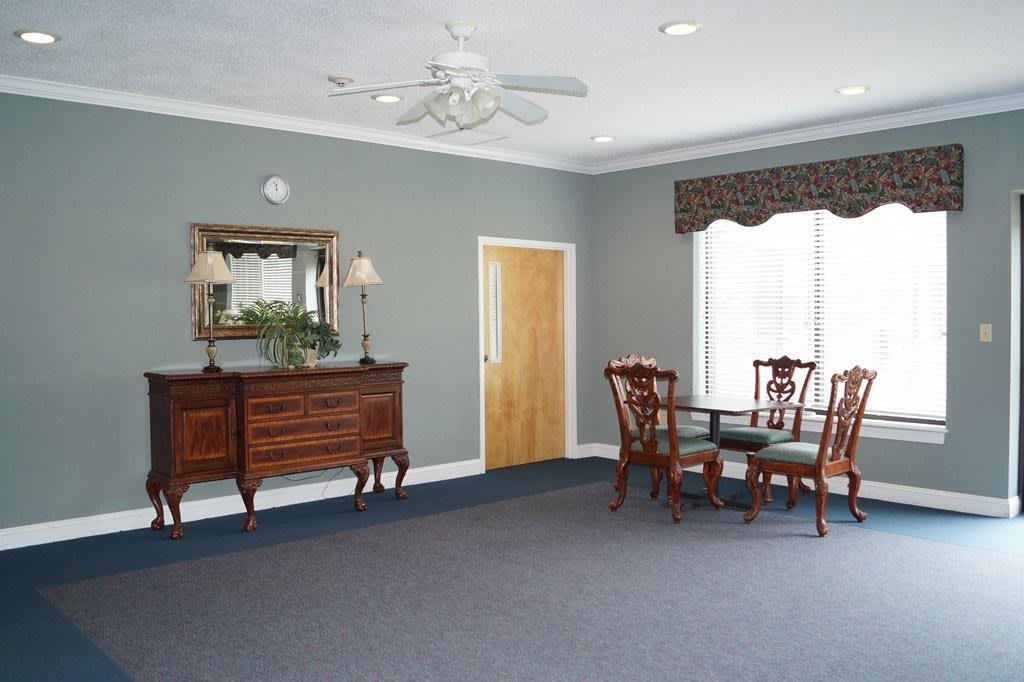
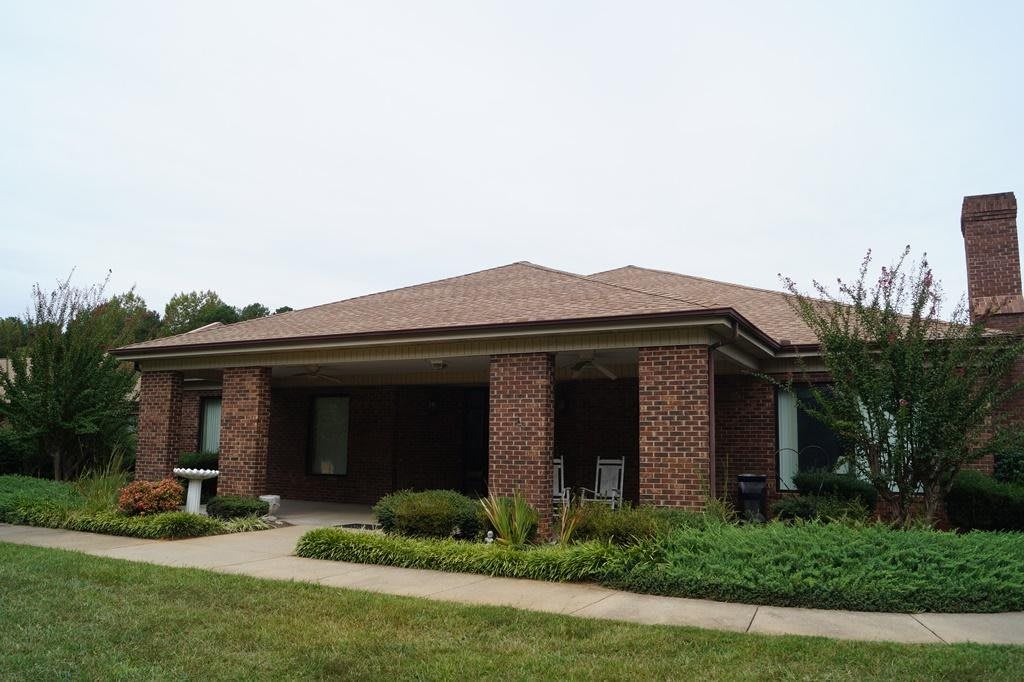
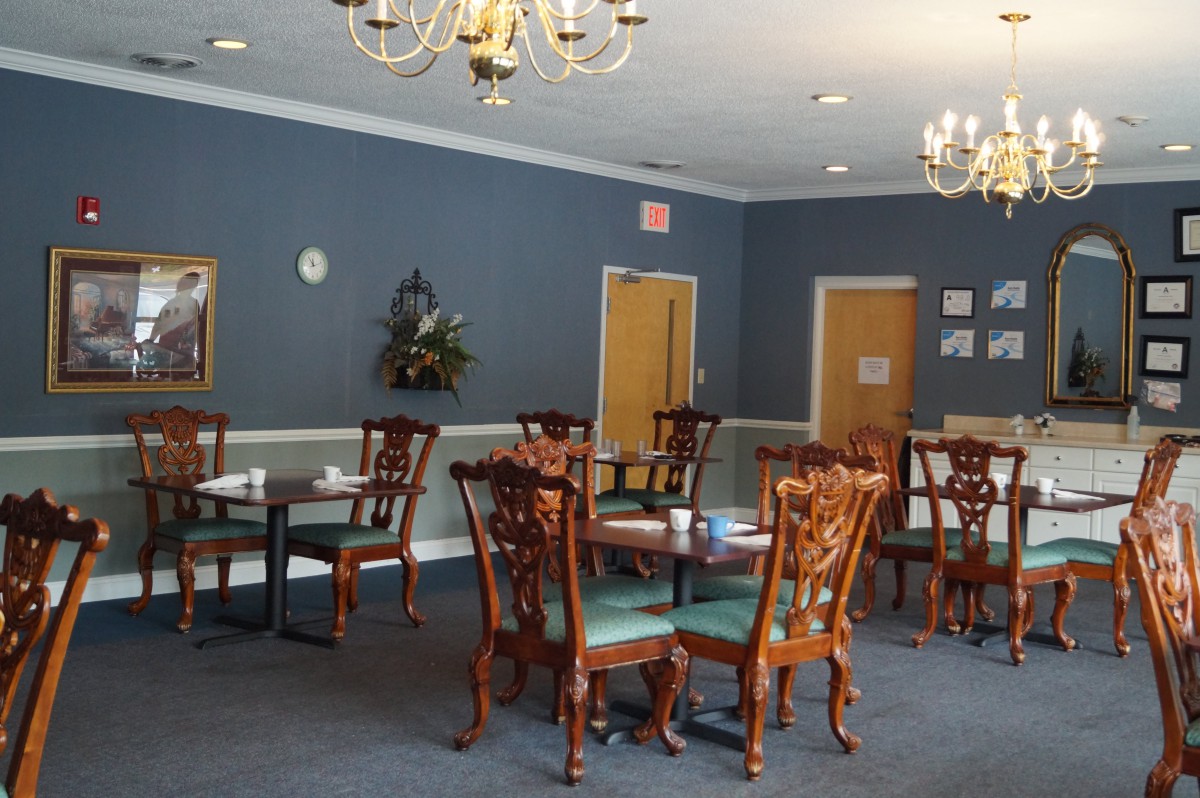
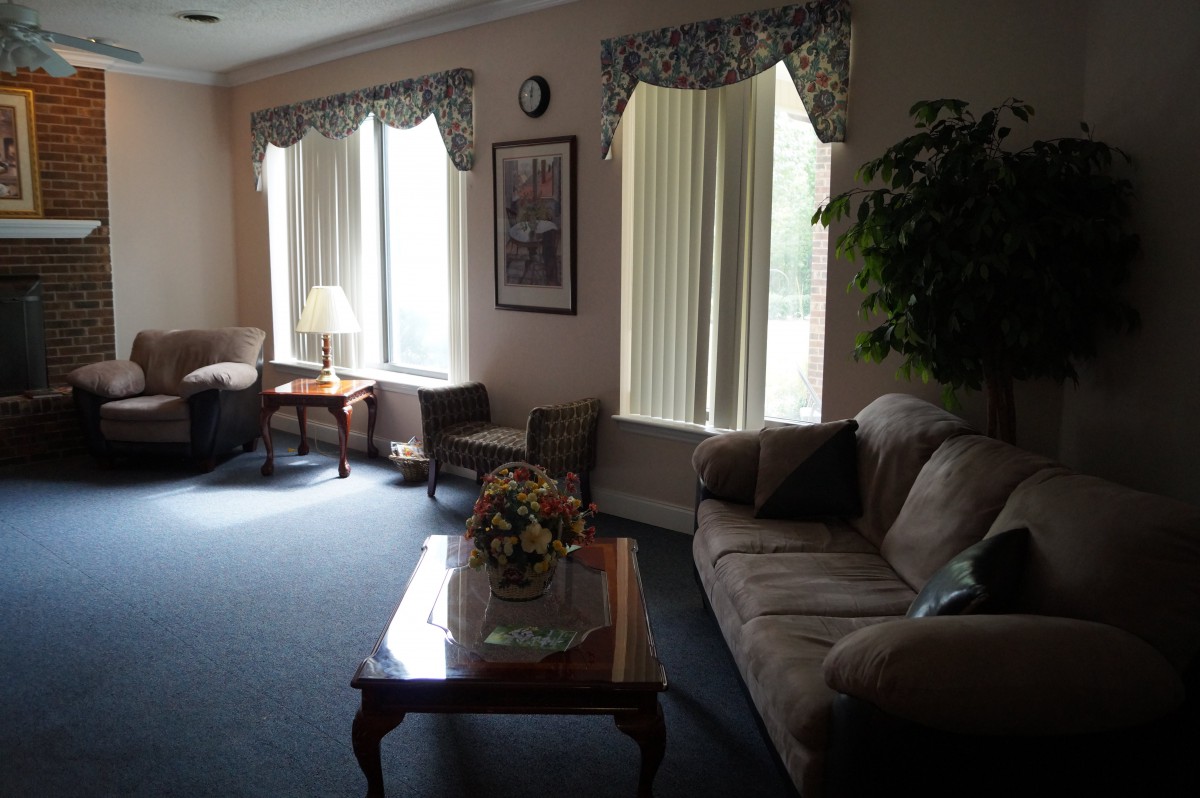
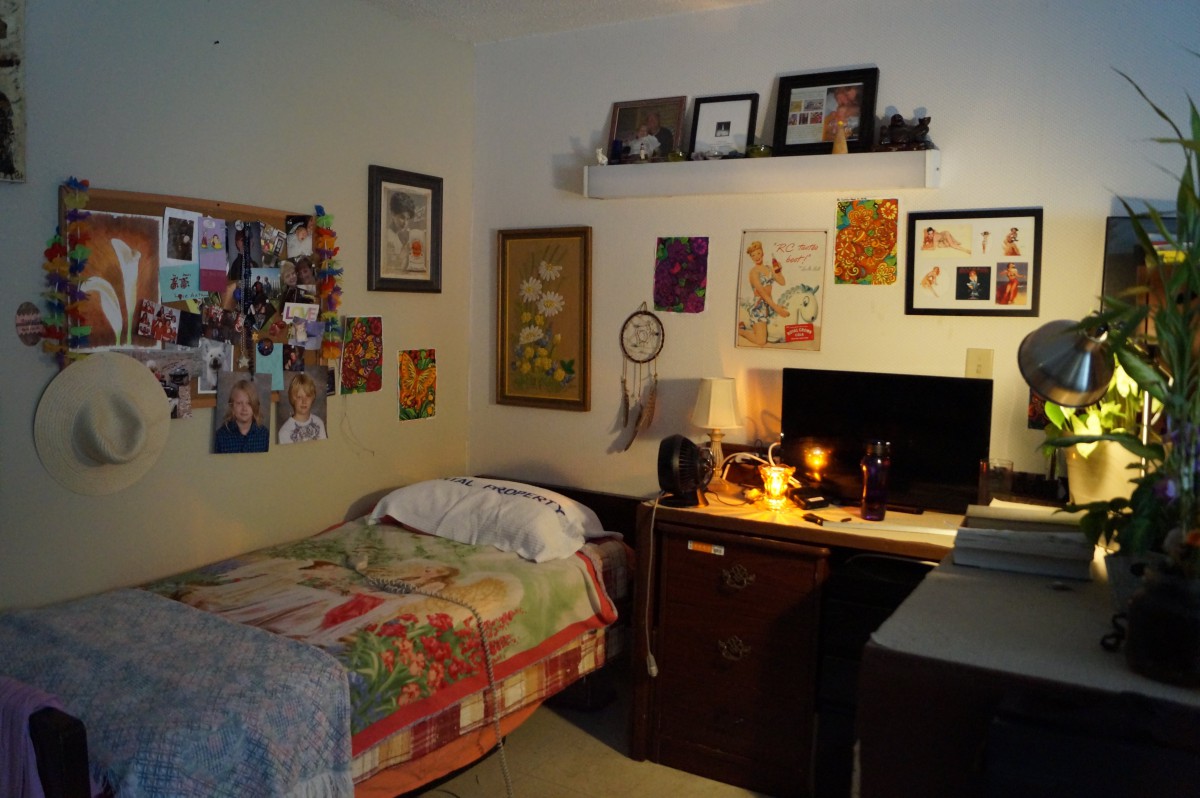
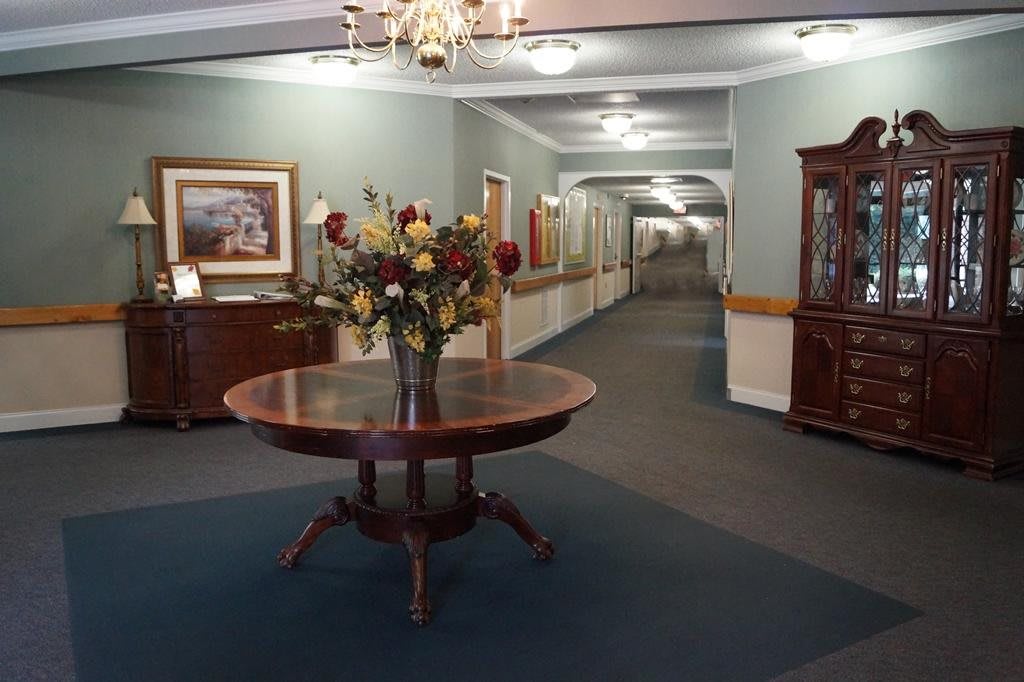
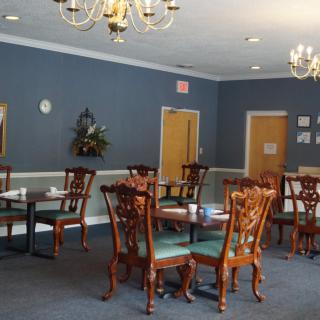
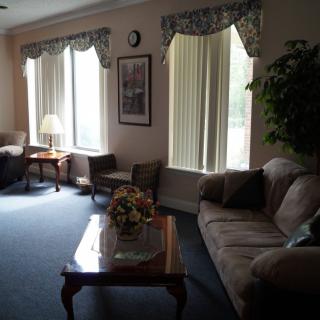
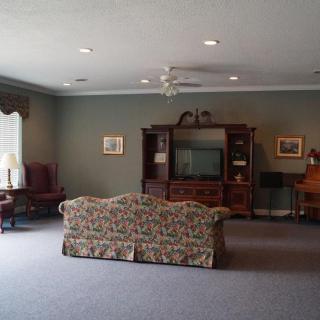
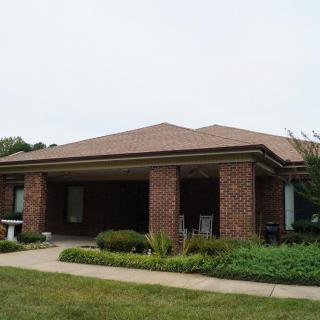
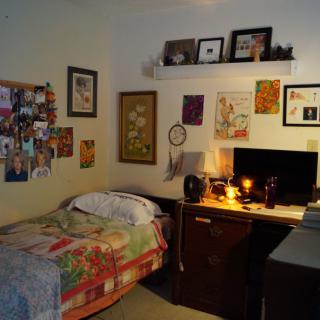
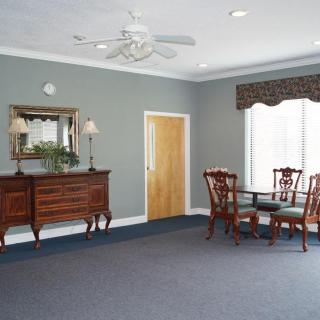
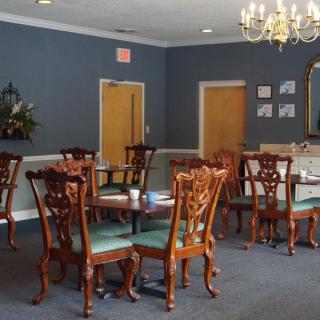
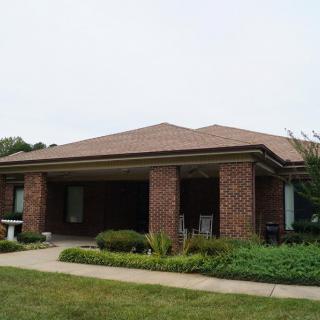
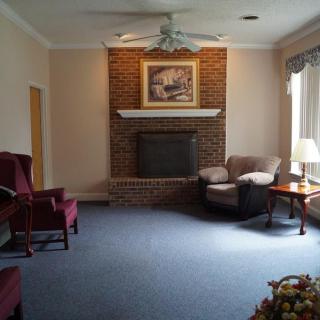
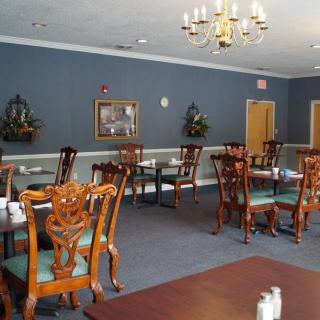
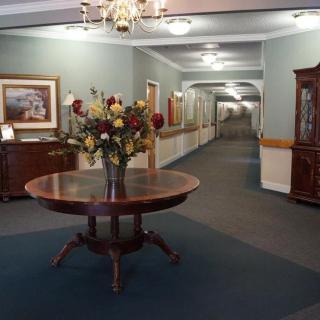
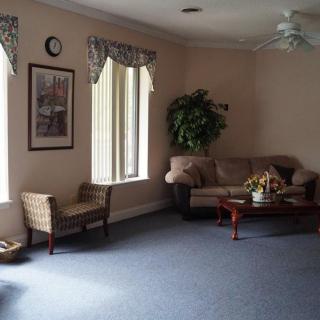
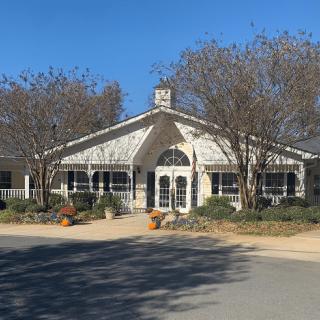
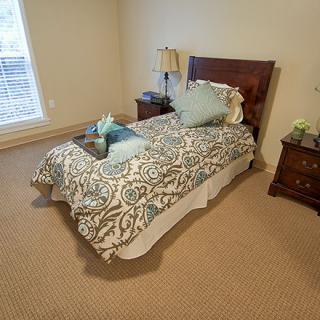
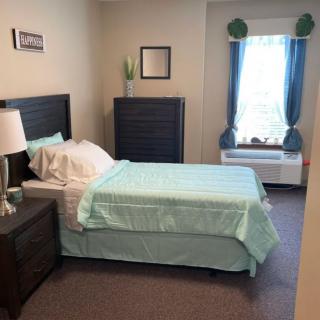
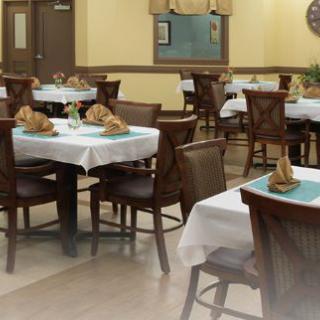
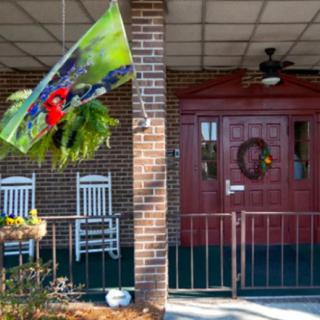
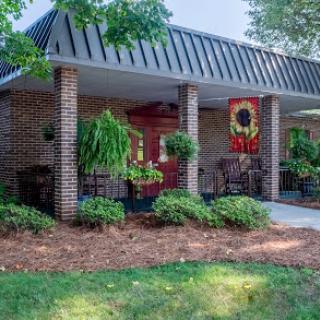
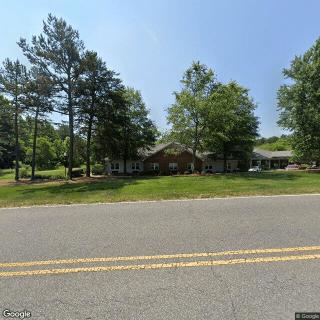
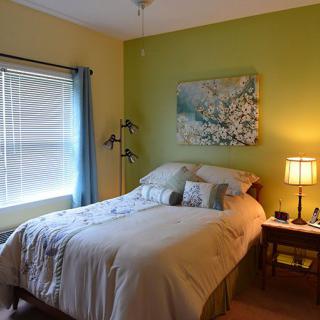
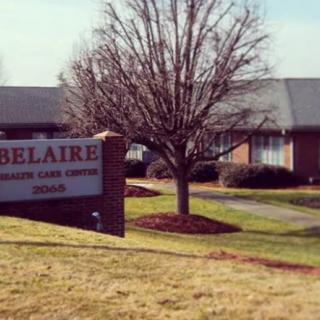
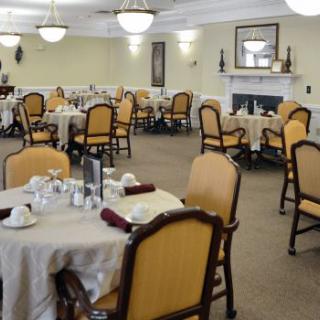
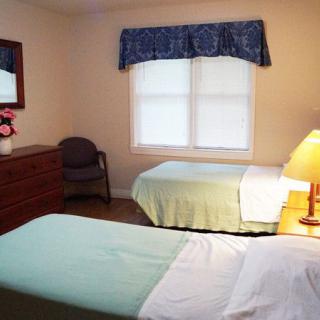
Country Time Inn on seniors.fyi includes 12 photos including images showing decor, interior, dining, living room, chandelier, garden, landscaping, bedroom, and more.
Nearby Communities
Kings Mountain Care Center, Inc
Kings Mountain, NC
3.1 from 7 reviews
Specialized diabetic care with on-site social spaces.
Kings Mountain Care Center
Kings Mountain, NC
3.5 from 6 reviews
Small, intimate community with personalized care and comprehensive services.
White Oak of Kings Mountain
Kings Mountain, NC
3.4 from 37 reviews
Friendly, attentive staff and a clean, engaging environment.
White Oak Manor - Kings Mountain
Kings Mountain, NC
3.5 from 30 reviews
Helpful staff and engaging activities.
Summit Place Of Kings Mountain
Kings Mountain, NC
4.9 from 38 reviews
Specialized diabetic care with ample indoor social spaces.
Summit Place of Kings Mountain
Kings Mountain, NC
4.7 from 63 reviews
$3,150 to $4,240 / month
Friendly, attentive staff in a clean, bright, small community with personalized care.
Belaire Health Care Center
Gastonia, NC
4.5 from 129 reviews
Strong rehab staff and a clean, well-maintained environment.
Morningside of Gastonia
Gastonia, NC
4.5 from 152 reviews
$3,585 to $5,595 / month
Caring, attentive staff in a clean, engaging community.
Wellington House
Gastonia, NC
3.5 from 20 reviews
$3,700 / month
Specialized memory care with 24/7 supervision and tailored programming.
Dementia encompasses progressive neurological disorders that impair cognitive functions and can lead to paranoia due to cognitive decline and emotional changes. The article discusses the triggers of paranoia in dementia, caregiver strategies for managing it, and the importance of distinguishing between dementia-related paranoia and other psychiatric conditions.
Memory care activities are essential for improving the quality of life of seniors with cognitive impairments, as they stimulate cognitive function, promote well-being, and encourage social interaction through tailored strategies. These activities combine structured exercises with spontaneous tasks, sensory engagement, physical workouts, creative pursuits, and intergenerational interactions to enhance emotional connection and a sense of purpose.
Transitioning from assisted living to memory care is driven by an individual's cognitive decline and specific needs, requiring careful evaluation of indicators like increased confusion and wandering. The process involves consulting medical professionals, researching suitable communities, considering financial and legal aspects, and ensuring effective communication for personalized care plans.
Get PricingAsk A QuestionSchedule A TourContact Senior Advisor
By clicking submit, you agree to our Partner's Terms of Use. You
also consent to receive calls and texts, which may be autodialed, from our Partner. Your consent is not a condition to
using our Partner's service. Please visit our Partner's Privacy Policy for information about their privacy practices.

 59 resident community capacity
 Studio apartments
 Assisted Living
 Memory Care
 Activities on-site
 Air-conditioning
 Beautician on-site
 Cable or satellite TV
 Computer center
 Devotional services off-site
 Dining room
 Financial aid
 Fitness room
 Fully furnished
 Gaming room
 Garden
 Ground floor units
 Handicap accessible
 Housekeeping services
 Indoor common areas
 Kitchenette
 Move-in coordination
 Outdoor common areas
 Private bathrooms
 Respite or short term stays offered
 Restaurant-style dining
 Small library
 Telephone
 Wellness center
 Wheelchair accessible showers
 Wi-Fi/high-speed internet available
 Charlotte Douglas International (20 miles away)
 Community operated transportation
 12-16 hour nursing
 24-hour call system
 Ambulatory care
 Assistance with bathing
 Assistance with dressing
 Assistance with transfers
 Diabetes diet
 Diabetic care
 Incontinence care
 Medication management
 Mental wellness program
 Special dietary restrictions
 Art classes
 Concierge services
 Day trips and outings
 Intergenerational programs
 Protestant services
 Trivia games
 Wii bowling
 English
 Specialized diabetic care with on-site social spaces.
 Dementia, Paranoia, and Caregiver Guidance: Understanding the Connection
 Engaging Memory Care Activities That Enhance Quality of Life
 When to Transition from Assisted Living to Memory Care: Key Indicators, Steps, and Finding the Right Community