
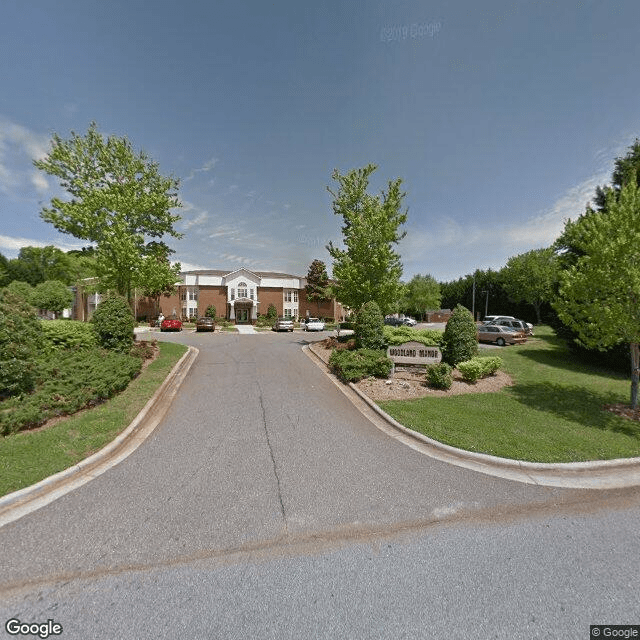
1790 3rd Ave NW, Hickory, NC 28601
To contact a resident: (828) 304-4891
For more information about senior living options: (866) 208-4318
Overall Review of Woodland Manor
Pros
 Residents love the birds and wildlife on the premises.
- There is an amazing community with a beautiful yard and wildlife such as birds, squirrels, and rabbits.
- The apartments are nice and conveniently located near stores and restaurants.
- The bar with grill is among the best in the area for music, craft beer, and homemade barbecue.
- It is a very nice senior apartment complex.
- The apartment is energy-efficient and well-appointed with a kitchen, living room, bathroom, and bedroom.
- Residents host a monthly potluck dinner.
- An exercise room and bingo are available to residents.
- Daily devotions are held several times a week.
- Woodland Manor is highly regarded for affordability and is one of the most affordable options in North Carolina.
Cons
 Why won't management answer phone calls or emails?
- Plus, the maintenance man is horribly rude.
- Owners of this property does not keep up with maintenance and treat the residents horribly.
Review
Woodland Manor in Hickory, North Carolina is best suited for seniors who want affordable, independent living with a social heartbeat and enough on-site perks to support a simple, active routine. The community offers energy-efficient one-bedroom apartments with basic layouts, and residents can access meals-on-wheels services for daily dining support. A schedule of casual social life, potluck dinners, bingo, exercise options, and devotional gatherings, gives first-time movers a sense of belonging without a steep care ladder. The setting includes a yard frequented by birds and other wildlife, plus convenient access to nearby shops, restaurants, and a small on-site bar and grill that contributes to a relaxed, low-key lifestyle with built-in opportunities for connection.
However, Woodland Manor is not the right fit for families seeking dependable, proactive management or a maintenance-forward experience. Several reviews highlight slow or absent communication from management when questions arise, and at least one resident reports a rude maintenance staff member. Owners who appear to let upkeep slip and who are perceived as treating residents poorly further complicate the decision for caretakers aiming for a consistently responsive environment. In short, when reliable management and timely property maintenance are non-negotiable, especially for residents who may need help with day-to-day tasks, alternatives should be compared.
Still, the positives are meaningful enough to offset some concerns for the right profile. Affordability is the standout, with low rent cited as a key factor, and the apartments themselves are described as nice and energy-efficient. The location offers practical convenience: nearby stores and dining options reduce shopping friction for seniors. The social fabric, monthly potlucks, routine exercise, occasional entertainment, and a steady cadence of community devotions, helps counter isolation, while meals-on-wheels coverage and the possibility of outside caregiving support keep independent living feasible. The wildlife and natural setting add a pleasant backdrop that can improve mood and overall well-being.
Yet the bottom line remains that maintenance and management quality can undercut those advantages. Reports of neglected maintenance, and a perception that owners fail to maintain the property or treat residents with respect, create anxiety about long-term reliability. The combination of poor communication and uneven upkeep risks ongoing friction between staff and residents, particularly when repairs or updates are needed. Potential residents must weigh whether tolerating these gaps is acceptable given the otherwise strong social calendar and cost benefits.
To evaluate Woodland Manor effectively, prospective movers should schedule a tour with explicit questions about response times, maintenance requests, and how issues are escalated. Ask about current contractors and who handles repairs, and request contact with a few residents about everyday experiences. Verify the availability and scheduling of meals-on-wheels, and clarify what care services are included or available at additional cost. If care needs may grow beyond independent living, explore nearby options that offer stronger management accountability or more built-in care integration while still considering the same affordability and social advantages Woodland Manor provides.
In sum, Woodland Manor functions best for budget-conscious seniors who prize independence, social engagement, and a straightforward living setup, with enough on-site amenities to sustain a self-directed routine. For families prioritizing dependable management, consistent maintenance, and a care plan that adapts to changing needs, alternatives should be actively compared. The community’s charms, affordable rents, a walkable amenities cluster, and an active social life, must be weighed against reports of maintenance lapses and management responsiveness. When aligned with the resident’s current and anticipated needs, Woodland Manor can be a solid, practical choice; when those nonnegotiables are central, look elsewhere.
 Active Adult Communities (55+)
 Cats allowed
 Dogs allowed



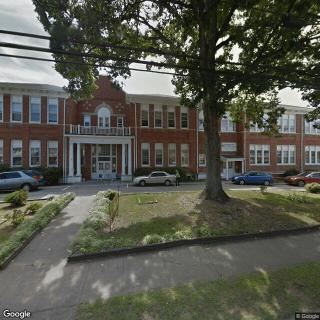
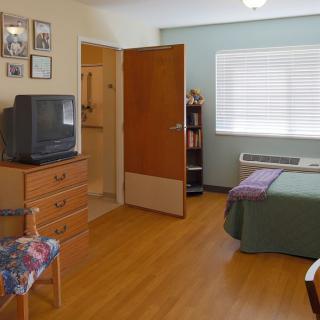

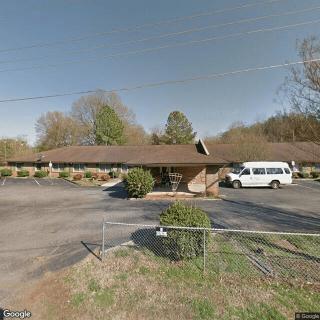
 Exploring Palliative Care in the Home: A Comprehensive Overview
 Comprehensive Insights into Palliative Home Care: What It Is and What to Expect
 Skilled Nursing Facilities vs. Nursing Homes: Making Sense of the Differences