
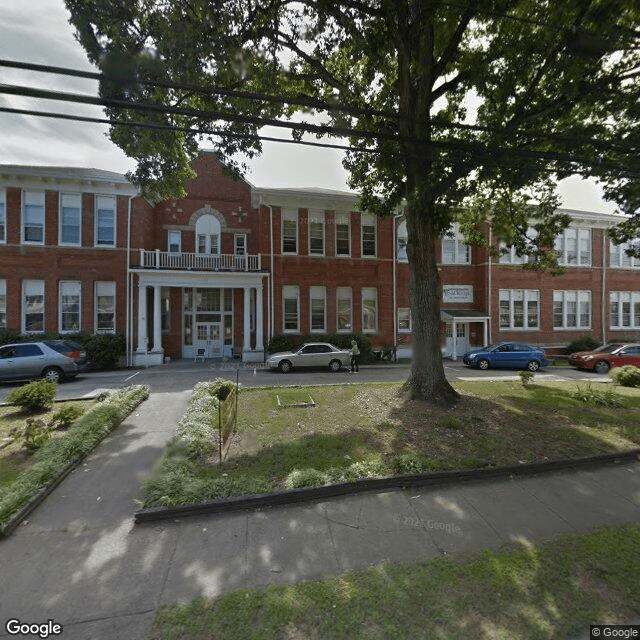
426 2nd Ave SE, Hickory, NC 28602
To contact a resident: (828) 325-0975
For more information about senior living options: (866) 208-4318
Overall Review of Kenworth Hall
Pros
 The building is beautiful, well-designed, and well cared for.
- It feels safe with secure key card access, and maintenance is prompt and thorough.
- Utilities included make the units affordable and easy to budget.
- The management team is professional, friendly, and genuinely cares about residents.
- La Vie truly feels like home to its residents.
- The apartments are completely modernized with appliances, amenities, and key card access.
- Remodeled units offer great value with all utilities included and a nice property.
- The maintenance staff is friendly, helpful, and prompt when issues arise.
- The Kenworth School building preserves historic charm with inviting marble entry and an on-site management office.
Cons
 The property saw multiple drive-by shootings during one summer.
- The walls are thin, and residents can hear neighbors' pets running around.
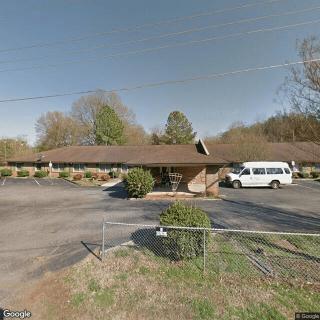
- Parking is consistently terrible, and the lower parking lot floods.
- Some vehicles are parked on the grass and can be towed if not moved from the church lot.
- The building lacks an elevator.
Review
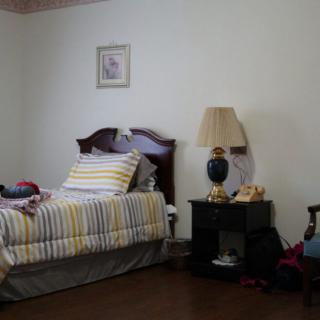
Kenworth Hall in Hickory is best suited for active, independence-minded seniors who want an elegant, home-like environment with modern conveniences at a reasonable price. The building’s historic character, once a school, has been thoughtfully updated to deliver contemporary finishes, from wide-plank living areas to granite countertops and tile baths. Security is a real selling point, with card-entry access and consistently well-maintained common spaces that feel safe and orderly. Utilities are bundled, which simplifies budgeting, and the on-site management team has a reputation for professionalism and genuine resident care. The location reinforces the appeal: close to downtown Hickory, with easy access to shopping, dining, and educational institutions, and ample parking that reduces the friction of daily routines. It’s a setting that communicates pride in ownership and a lived-in sense of place.
Those who should consider alternatives are residents who require elevator access or significant mobility support. The building’s historic shell, while charming, translates to practical limitations for some: no elevator in the current layout can complicate moves or daily transfers for those with limited mobility. There are also concerns cited about wall soundproofing, noise from neighbors and pets can intrude on rest, which matters for light sleepers or households with caregivers in residence. Parking, while generally ample, can be tight and even problematic at peak times, and a lower-level lot has flooded during rainstorms, adding seasonal hassies to daily visits or guests. In addition, a few reviewers referenced neighborhood safety context and the potential for disturbances that prospective residents will want to weigh against the building’s otherwise secure-entry vibe. For seniors needing ongoing care, medical services on-site, or a completely barrier-free floor plan, exploring other communities nearby is prudent.
Where Kenworth Hall shines, the advantages often meaningfully offset these drawbacks. The remodeled interiors deliver a contemporary feel without sacrificing warmth: granite counters, tile backsplashes, updated kitchens, and clean, modern baths that read as clearly higher-end than typical rental stock. Card-entry security, a well-kept environment, and consistently attentive maintenance create a dependable living experience that reduces everyday friction. Utilities included in the rent simplify budgeting and the on-site management presence provides a steady touchpoint for residents and families alike. Together, these factors cultivate a sense of “home” rather than a transient apartment feel, and the historic architecture adds an enduring sense of character that many seniors value as part of daily life.
Yet the cons deserve careful consideration. The thin walls and audible neighbor and pet activity can erode restful sleep or quiet evenings for sensitive individuals, especially when companionship lives at a later hour. Parking concerns don’t vanish with a nice lobby; even with ample space, parking dynamics can complicate visits from family and service providers. The absence of an elevator compounds these issues for residents who accumulate mobility needs over time, limiting the appeal for those planning long-term residency without support services. The building’s historic conversion does offer charm, but it also means fewer modern accessibility differentiators than some newer communities. For those who value a completely barrier-free environment, or who crave the strongest possible quiet across interiors, these are meaningful red flags.
Practical guidance for families and future residents centers on aligning expectations with daily realities. Verify whether any elevator options exist or if there are ground-floor units that ease mobility concerns, and plan a comprehensive noise check by visiting at different times. Inspect parking areas in person and assess access during rain to gauge flood risk, especially if frequent guests are anticipated. Confirm exactly which utilities are included and clarify response times for urgent maintenance requests. Inquire about the security footprint outside entry doors, after-hours staff presence, and the availability of on-site care or partner services if those needs may arise. Finally, map out nearby care providers and transportation options to ensure that the chosen path supports upcoming changes in health or daily assistance needs.
In practical terms, Kenworth Hall serves independent seniors who prize an upscale, historically rich living environment at a compelling price point, supported by attentive management and solid security. It is a strong fit for those who do not require regular on-site care and who can tolerate thinner walls, occasional parking frustrations, and no elevator. For anyone prioritizing barrier-free access, maximum quiet, or built-in care routines, alternatives in the Hickory area deserve serious consideration. The decision hinges on mobility needs, anticipated level of daily assistance, and tolerance for the practical trade-offs, assessing these will determine whether the historic charm genuinely translates into long-term comfort or becomes a daily compromise.
 Active Adult Communities (55+)
 Independent Living


 8 Essential Assistive Devices for Older Adults
 Navigating the Financial Road to Nursing Home Care: In-Depth Guidance and Resources
 Supportive Employee Benefits That Help Caregivers Attain Better Work-Life Harmony