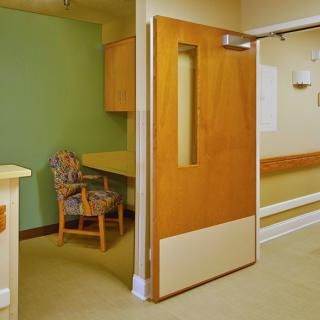


427 3rd Avenue S.E., Hickory, NC 28602
For more information about senior living options: (866) 208-4318
Overall Review of Hickory Village
Pros
 The staff at Hickory Village does a great job of taking care of him over all.
- His family is very appreciative of the care he receives and the interaction the staff has with him.
- Hickory Village is capable of handling memory care residents.
- The staff at Hickory Village Memory Care was so supportive, kind and helpful to the family.
Cons
 He had been in another place in Shelby that was horrible.
- The notes made by the other place were not stellar.
Review
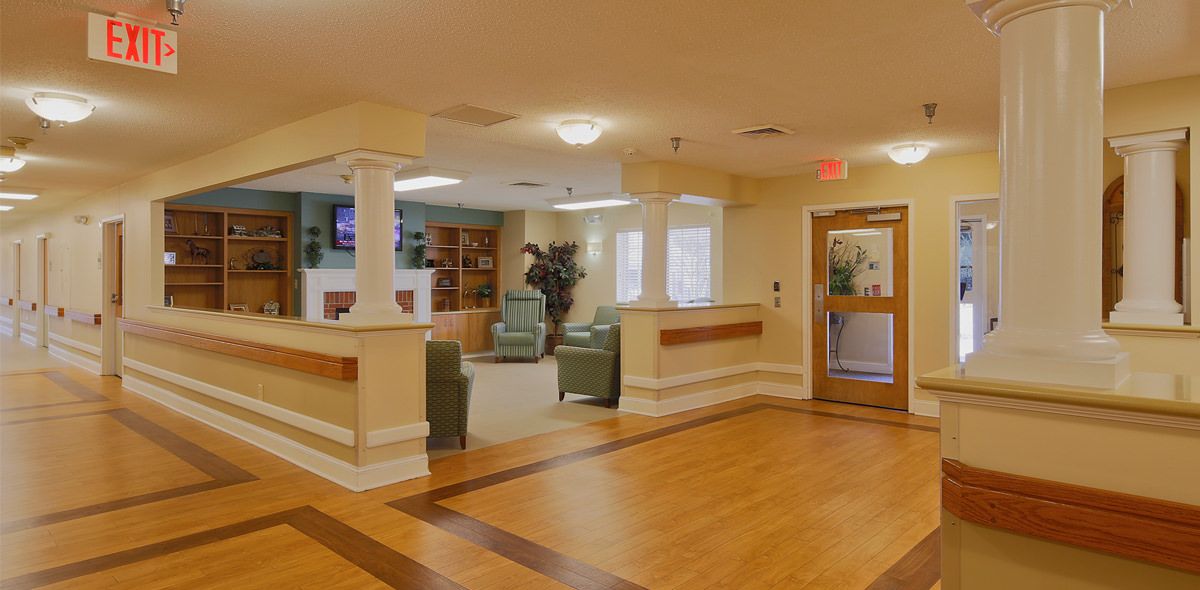
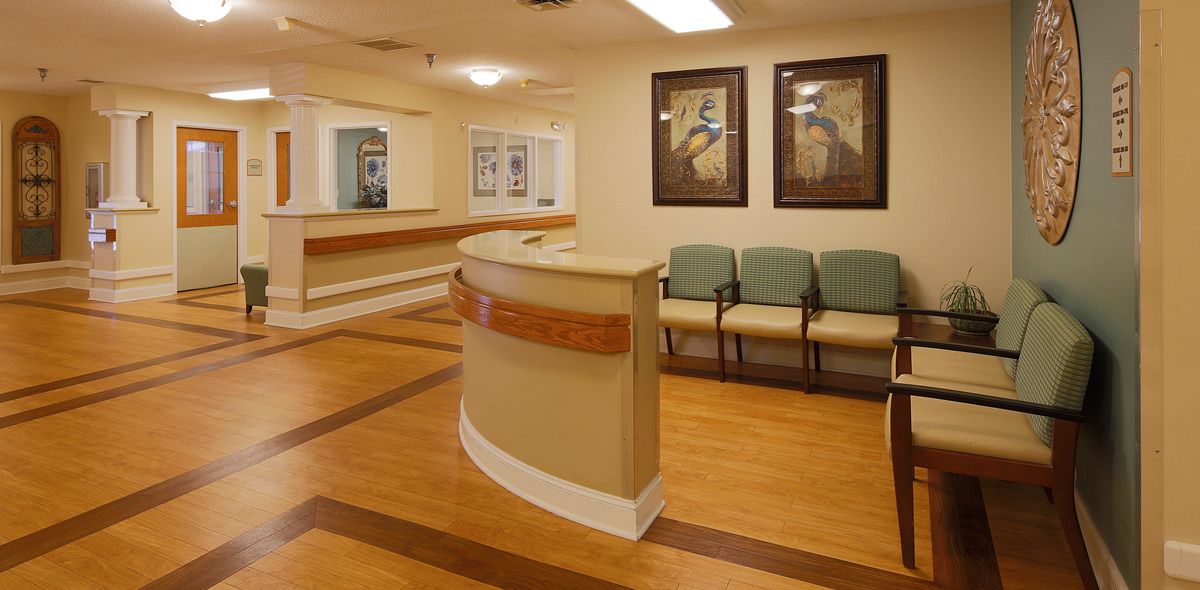
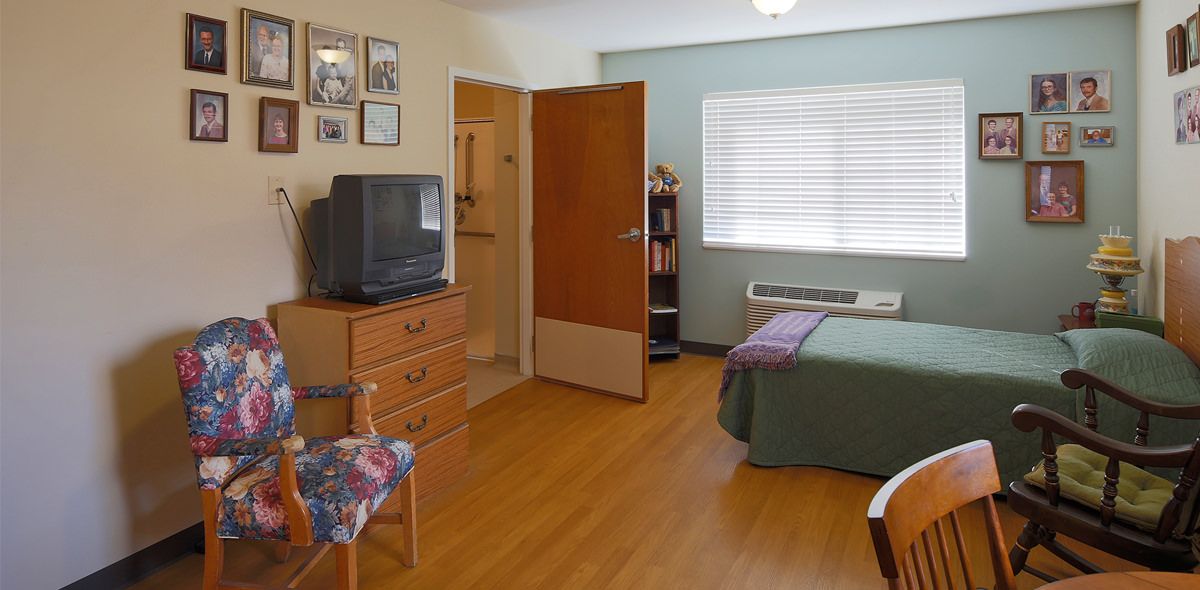
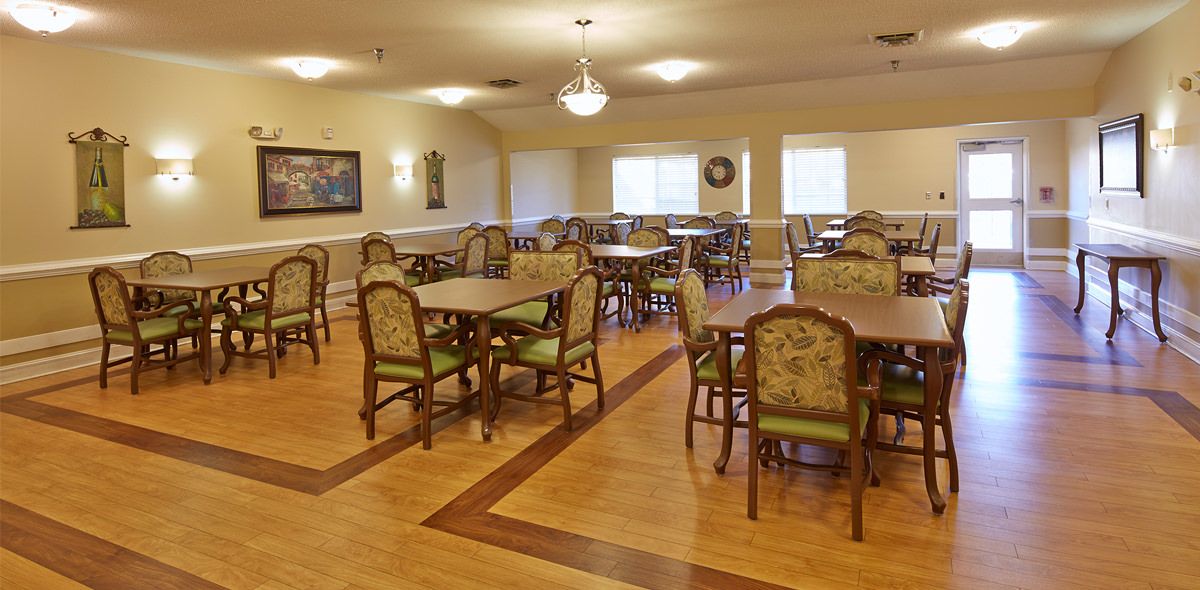
This community is best suited for families pursuing a focused memory-care environment where attentive, capable staff and meaningful resident interaction are non-negotiables. The experiences shared by families paint a clear picture: Hickory Village Memory Care in Hickory, NC delivers hands-on care and steady staff engagement that translates into real stability for loved ones living with memory impairment. The contrast with a prior facility in Shelby, where notes and care were not up to par, highlights Hickory Village’s strength in managing memory-care residents with consistency and compassion. For families prioritizing a warm, resident-centered atmosphere alongside reliable cognitive-care routines, this is a compelling fit.
Alternatives are worth considering for anyone whose loved one does not require intensive memory support or who seeks a broader spectrum of services. If independence, medical oversight beyond memory care, or a setting with more general assisted-living features are priorities, exploring communities that emphasize non-memory-care living or different care levels may be prudent. The Hickory location is convenient for those nearby, but distance or a tighter focus on memory-specific programming could steer some families toward other options that align with a different care mix or lifestyle expectations.
The strongest pros center on the human touch of the staff and the clarity of care for someone with memory challenges. Families report staff who are supportive, kind, and genuinely helpful to the resident as well as to the family, creating a sense of partnership rather than a transactional relationship. The staff’s ability to handle memory-care needs appears to translate into quieter days, fewer incidents, and calmer transitions for individuals who previously faced instability. The positive feedback on interaction, whether it’s daily routines, safety checks, or meaningful engagement, forms a solid foundation for trust and ongoing engagement with loved ones.
Those same advantages offset the most likely concerns in this setting: the demanding nature of memory care, the need for reliable, consistent staffing, and reassurance for families who depend on a facility to safeguard and respect their relative. While no negative experiences are highlighted in these accounts, the absence of downsides should be interpreted as a reflection of consistent performance rather than perfection. The clear takeaway is that the memory-care team’s competence and the family-centered approach actively mitigate common worries about care quality, transitions, and day-to-day stability.
Prospective residents and families should confirm several practical details to ensure a smooth fit. In particular, ask about the exact memory-care programming, daily schedules, and the resident-to-staff ratio during peak hours. Inquire how care plans are developed and updated, how often family communication occurs, and what contingencies exist for medical needs or behavioral changes. Cost, eligibility for memory-care subsidies, and long-term care options within the same campus can materially influence the decision. Understanding visitation policies, meal settings, and opportunities for meaningful activities will also help determine whether this environment remains aligned with the resident’s preferences and the family’s expectations.
Overall, Hickory Village Memory Care presents a compelling choice for families grappling with dementia or Alzheimer’s in need of a dependable, nurturing environment. The documented experiences emphasize not only competent care but also the compassion and collaboration families value. For residents requiring focused memory support and for households seeking reassurance that caregivers will treat their loved one with dignity and attentiveness, this community delivers. Those who demand broader non-memory-care services, different climate, or alternate care structures should nevertheless assess other options to ensure a perfect match.
 56 resident community capacity
 Assisted Living
 Memory Care
 Air-conditioning
 Beauty salon
 Cable or satellite TV
 Computer center
 Dining room
 Fitness room
 Fully furnished
 Gaming room
 Garden
 Housekeeping services
 Kitchenette
 Move-in coordination
 Outdoor space
 Private bathrooms
 Restaurant-style dining
 Small library
 Telephone
 Wellness center
 Wi-Fi/high-speed internet available
 Community operated transportation
 12-16 hour nursing
 24-hour call system
 Activities of daily living assistance
 Assistance with bathing
 Assistance with dressing
 Assistance with transfers
 Diabetes diet
 Medication management
 Mental wellness program
 Special dietary restrictions
 Concierge services
 Planned day trips






 Delirium and Dementia: Unraveling the Key Differences
 Are Dementia and Alzheimer's Disease Lethal? A Comprehensive Exploration
 Exploring the Power of Reminiscence Therapy for Individuals With Dementia